Is Egypt just about the pyramids? While the iconic Pyramids of Giza, built nearly 5,000 years ago, are a must-see, there’s much more to explore. Egypt offers a wealth of picture ideas and travel destinations that will amaze you.
As you start your Egypt travel adventure, get ready to dive into a world of history, culture, and natural beauty. Beyond the pyramids, you’ll see the world’s oldest stone building complex in Saqqara. You’ll also find the largest collection of Egyptian artifacts at the Egyptian Museum and one of the largest collections of historic Islamic architecture in Cairo.
Whether you’re exploring ancient tombs in the Valley of the Kings or marveling at the Abu Simbel Temples, Egypt has something for everyone. You can also enjoy the sun on the pristine beaches of the Red Sea. So, pack your bags, grab your camera, and get ready to uncover Egypt’s hidden treasures.
Discovering the Treasures of Luxor
As I stepped into Luxor, the ancient city of Thebes, I felt history all around me. This city was once the largest in the world, with a population of 80,000. It’s home to some of the most impressive ancient Egyptian sites.
The Valley of the Kings was my first stop. It’s a desert chamber with over 60 royal tombs. The tombs, like Tutankhamun’s, show the ancient Egyptians’ lives and beliefs. Ten tombs are in the main ticket, and you can visit three with it. To see Tutankhamun’s tomb, you need an extra ticket for 500 EGP.
Then, I visited the Karnak Temple Complex. It’s the largest religious building in the world. The complex has temples and monuments from 30 pharaohs over 2,000 years. Highlights include the Hypostyle Hall and Queen Hatshepsut’s obelisks.
The Luxor Temple is another must-see. It’s famous for its large statues of Ramses II and Tutankhamun. The Abu Haggag Mosque inside has been a place of worship for over 35 centuries.
On the West Bank, I saw the Mortuary Temple of Hatshepsut. It’s a stunning example of ancient Egyptian architecture. Nearby, the Medinet Habu is known for its colorful ceilings and hieroglyph reliefs.
The Colossi of Memnon, two giant statues of Pharaoh Amenhotep III, welcomed me on the West Bank. These statues are the largest from his mortuary temple.
A short drive from Luxor, I found the Dendera Temple Complex. It’s famous for its Temple of Hathor. The blue ceiling in its Hypostyle Hall is breathtaking. The Abydos Temple is also nearby, known for the Abydos King List and believed to be Osiris’s burial place.
Exploring these ancient wonders, I felt a deep connection to the past. Luxor is a city full of treasures and history. It’s a place every traveler should see, offering a journey through time.
Aswan: A Scenic City on the Nile
As I explored Aswan, I fell in love with its beauty. It sits on the Nile River, surrounded by lush islands and palm trees. The city’s charm is unmatched, making it a top spot for history and nature lovers.
The Philae Temple Complex was a highlight for me. It’s only reachable by boat. The temple’s size and greenery make it a stunning sight. Walking through, I saw amazing carvings and hieroglyphs, showing the ancient Egyptians’ skill.
Visiting Abu Simbel temples was unforgettable. Located 290 kilometers from Aswan, these temples are huge and carved into rock. They were moved to save them from Lake Nasser, a remarkable engineering feat.
The Nubian Village in Aswan gave me a peek into local culture. I met the friendly Nubian people and saw their markets. The Nubian Museum had 3,000 artifacts, showing the area’s rich history.
Aswan is great for adventure too. I went on a camel ride to St. Simoen’s Monastery. The ride through the desert was thrilling, with amazing views of the Nile and mountains.
Aswan is a must-see in Egypt. You can explore its sights in a few days or take a Nile cruise. Either way, Aswan will leave you with unforgettable memories.
Hidden Gems in the Egyptian Desert
Exploring Egypt beyond the usual spots, I found a wealth of hidden treasures in the desert. The Siwa Oasis in the Western Desert amazed me with its history and beauty. The 13th-century Shali Fortress, made from salt, mud, and sand, shows the locals’ cleverness.
Next to it, the Temple of Amun, famous for Alexander the Great’s visit, adds mystery to the oasis.
Wadi Al-Hitan, or Whale Valley, was another incredible find. It’s a UNESCO site filled with whale fossils. Walking among these fossils, I learned about the ancient whales and how the desert was formed.
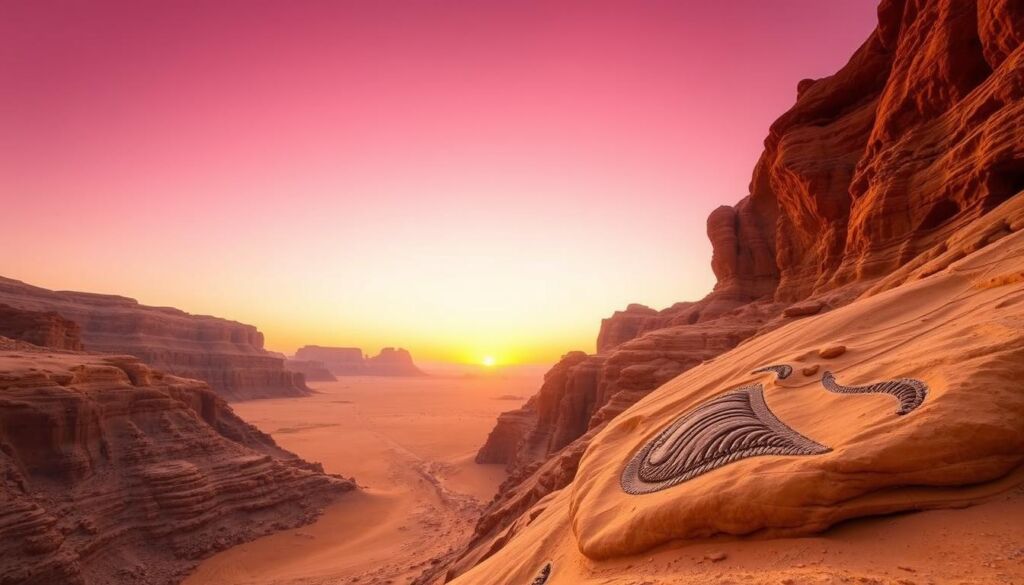
The Coloured Canyon in the Sinai Peninsula is perfect for those who love adventure. Its colorful walls, made by minerals and erosion, are breathtaking. Hiking through, I felt the beauty of nature up close.
These desert gems show Egypt’s rich nature and culture. They offer travelers a chance to see the country’s true wonders, away from the crowds.
Cairo Beyond the Pyramids
Cairo is a huge city in Africa and the Middle East. It has many historical and cultural spots beyond the pyramids. The Citadel of Cairo offers a great view of the city’s old district.
Inside the Citadel, the Muhammad Ali Mosque is a sight to see. It has a big dome and double minarets. These reflect the Ottoman style of architecture.
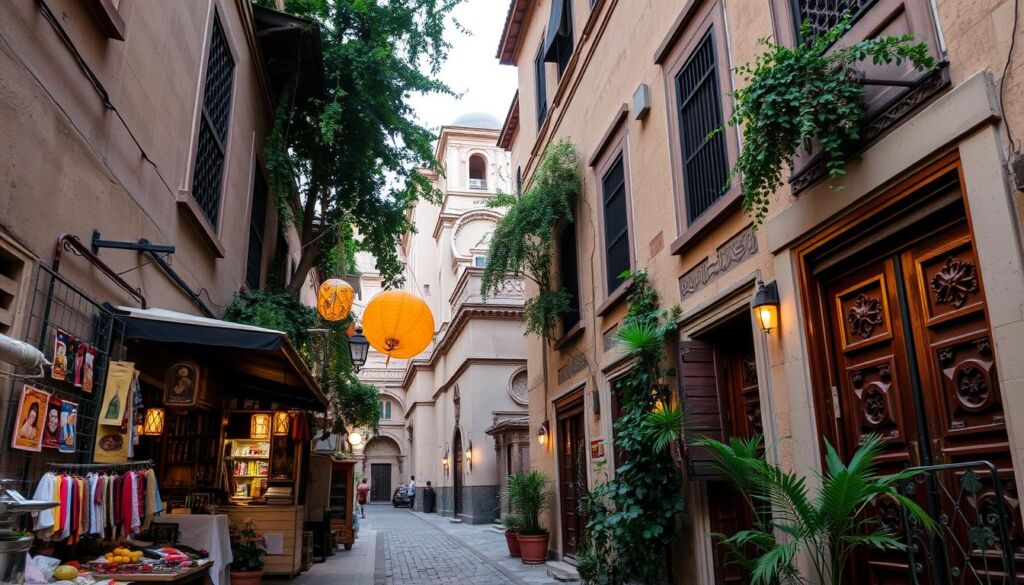
Khan El-Khalili Bazaar is a must-see in Islamic Cairo. It’s filled with narrow streets and shops. You can find traditional crafts, spices, and souvenirs here. It’s a great place to haggle for a special memento.
Coptic Cairo is a key part of Cairo. It’s the old Christian quarter with historic churches. The Hanging Church and the Church of St. George are highlights. They show Egypt’s Christian heritage.
The Coptic Museum is also a must-see. It has a vast collection of Christian artifacts. This gives a peek into the history of this ancient faith.
The Catacombs of Kom El Shoqafa in Alexandria are a must-see. They are one of the Seven Wonders of the Middle Ages. The catacombs show a mix of Egyptian, Roman, and Greek burial practices.
Exploring these sites, I was amazed by Cairo’s history. From the Muhammad Ali Mosque to Khan El-Khalili Bazaar, it’s a journey through time. Cairo has something for everyone, whether you love history, culture, or adventure.
Must-See Sites in Egypt for Adventure Seekers
Looking for more than just ancient sights? The Red Sea coast and deserts in Egypt have plenty to offer. Hurghada, a lively resort town, boasts beautiful white sand beaches and clear waters. These are perfect for scuba diving and snorkeling, with over 1,200 fish species and more.
Water sports fans will love Hurghada. You can windsurf, kitesurf, parasail, and more. For a dry view of the sea, try a glass-bottom boat tour. On land, explore the desert by quad bike, dune bash, or camel ride. It’s a thrilling way to see the vast sandscapes.
But Egypt’s adventure doesn’t stop at the Red Sea. You can also go on desert trips to places like Gilf Kebir or trek the Sinai Peninsula. Egypt’s varied landscapes mean endless off-the-beaten-path adventures. It’s a top spot for those seeking unforgettable experiences.
Get ready to see the stunning beauty of Canada’s National Parks. With over 220 beautiful places, you’ll find everything from nature to history. Follow these key tips for a great trip and respect the land and its creatures.
Key Takeaways
Parks Canada oversees 47 national parks, 171 national historic sites, and more.
Wildlife safety tips include staying at least 100 meters away from bears and wolves.
Violators of park regulations could face fines of up to $25,000.
Always book accommodations and campsites in advance for an organized trip.
Respecting and preserving nature is crucial for a safe and enjoyable visit.
Planning Your Visit to Canada National Parks
Planning your Canada National Parks trip planning needs careful thought. You need to pick the best season and know about park access and places to stay. Each step is key to a great adventure.
Choosing the Best Time to Visit
The best seasons to visit are from June to September. This is when the weather is best for hiking, camping, and seeing wildlife. May and October are also good, but it might be harder to get to some places because of the weather.
Researching Park Accessibility and Facilities
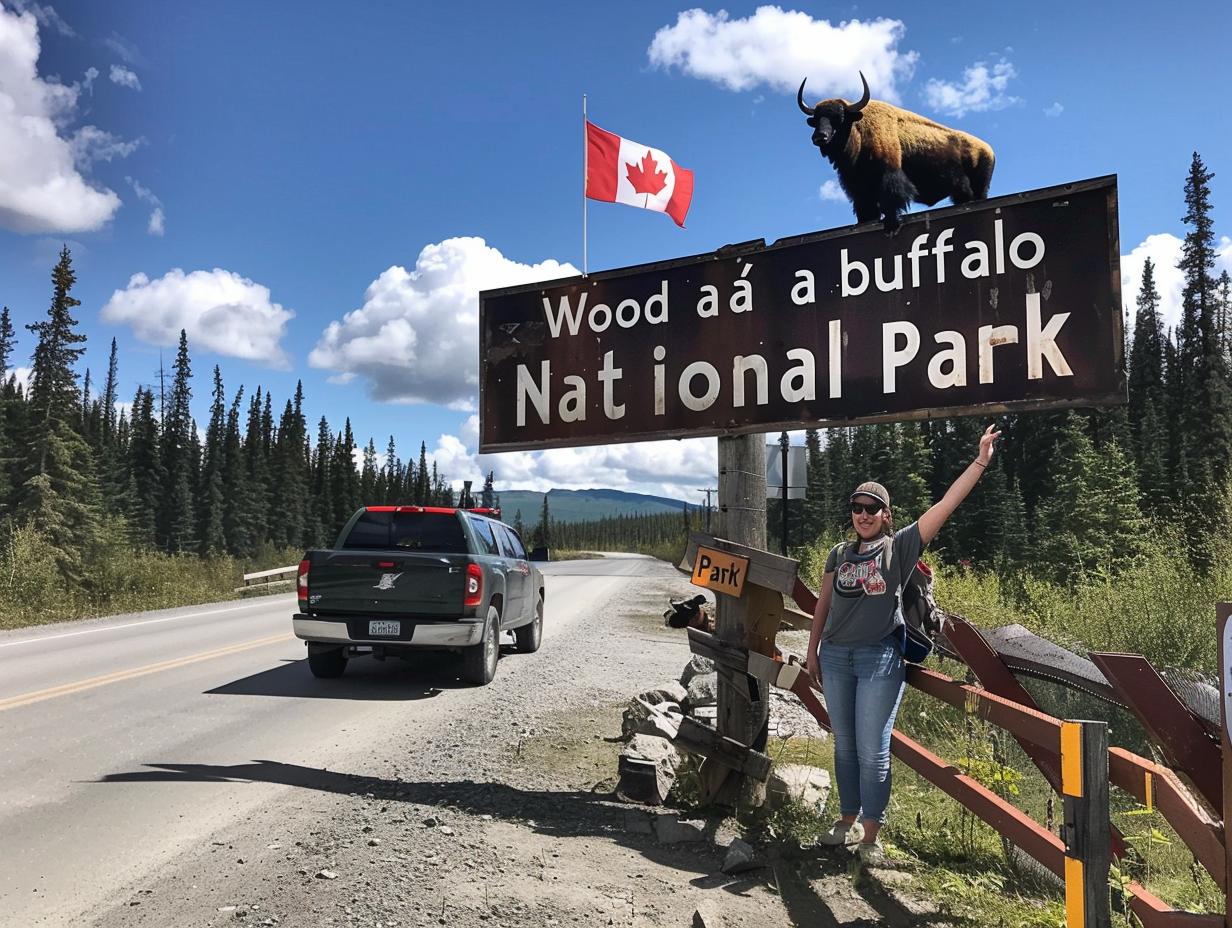
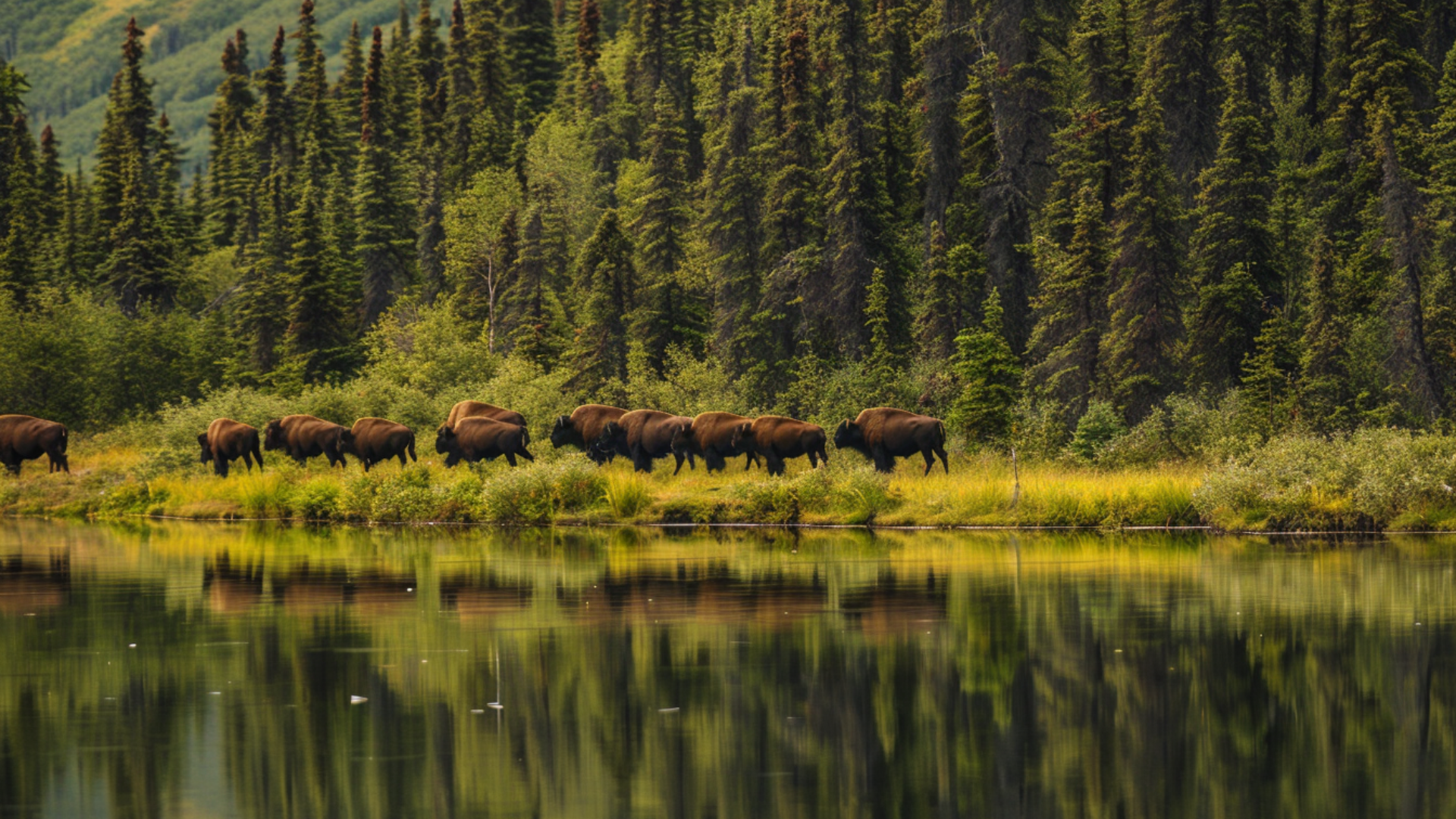
There are 48 national parks, with 31 you can get to by car. The rest need flying or boating. It’s smart to check out each park’s access and park facilities before you go. Parks Canada’s website has lots of info on maps, safety tips, and what’s available. Knowing that Wood Buffalo National Park is huge helps with planning.
Booking Accommodations and Campsites in Advance
It’s important to book accommodations and campsite reservations early, especially when lots of people are visiting. Parks are popular spots, and not booking ahead can make finding a place hard. Look at different places to stay, from cabins to backcountry spots, for a great park experience.
Summer months (June to September) for the best weather.
May and October are also favorable, given reduced crowding.
Access facility details through Parks Canada’s website to plan amenities and activities.
Book accommodations and campsites early to avoid disappointment, especially during peak seasons.
By planning well, your trip to Canada’s national parks will be easy and memorable. You’ll get to enjoy the stunning nature and varied landscapes these parks have to offer.
Pack the Right Gear for Your Adventure
Going on an adventure in Canada’s National Parks means you need to pack smart. Having the right gear makes your trip better. It keeps you comfy and safe in nature. Let’s talk about what you should pack for your trip.
Clothing and Footwear
Wearing the right outdoor clothes is important. You’ll need rain jackets, insulated jackets, hiking pants, and sweaters because the weather can change. Make sure your hiking boots are strong and break them in before you go.
A big hat and sunglasses protect you from the sun. This is very important in places like Banff, where the sun is strong. Bring a waterproof jacket to stay dry when it rains.
Camping and Hiking Essentials
Your camping list should have top-notch gear for where you’re going. You’ll need strong tents, sleeping bags, and cookware. Use a reusable water bottle from brands like Stanley or Hydroflask to save money and reduce waste. Healthy snacks like nuts and fruits keep you going on hikes.
Remember to bring binoculars for looking at wildlife and beautiful views up close.
Safety and Emergency Equipment
Safety gear is a must for any adventure. Bear spray is very important for meeting wildlife, especially in places like Yellowstone. Always have a first-aid kit and any needed medicines.
Flashlights and headlamps help you see in the dark. Insect repellent is a must in summer, especially in places like Banff.
Respect Wildlife and Preserve Nature
When you visit Canada’s national parks, you help decide how wildlife and nature will be treated. It’s key to know and follow safety rules to avoid scary or dangerous moments with animals. The Leave No Trace rules help keep nature safe by making sure humans don’t harm the land too much. It’s important to know and follow the Canada National Parks Act. Things like feeding animals or leaving the path are big no-nos and can lead to big fines and legal trouble.
Understanding Wildlife Safety Tips
Canada is home to over 220 places like national parks and historic sites, filled with thousands of species. It’s vital to know wildlife safety tips for a safe trip. Dogs off-leash can lead to attacks and big fines under the Canada National Parks Act. Bear spray is a good idea for keeping away bears and other big animals. But, many hikers don’t bring bear spray, even though it works well to stop bear attacks.
Following Leave No Trace Principles
The Leave No Trace rules are key for keeping nature safe. They mean taking out your trash, not touching things you find, respecting animals, and being kind to other visitors. Canada wants to protect 30 percent of its lands and waters by 2030. Following these rules helps keep nature wild and safe for all the animals that live there.
Prohibited Activities and Legal Consequences
It’s very important to know and follow national park rules for your safety and the animals’. Don’t feed animals or use drones because they can disturb them and people. Breaking these rules can lead to big fines, up to $25,000. For example, a man who teased a bison in Yellowstone got 130 days in jail. Taking selfies with wild bears can also get you in trouble. This shows how serious we must be about protecting nature in Canada.
Stay Safe on the Trails
Exploring Canada’s national parks is exciting but requires safety. In places like Banff National Park, set up in 1885, or Glacier National Park with almost 1000 bears, being careful is key. This makes your trip better and safer.
Traveling in Groups
Hiking with others is a smart move for safety. In Glacier National Park, groups of four or more hikers have never been attacked by bears. Being with friends or family helps watch out for dangers and can stop wildlife from getting surprised.
Being in a group also keeps bears away. It makes it less likely you’ll meet a bear or other wild animal by surprise.
Carrying and Using Bear Spray Effectively
Bear spray is a must-have in bear country. It can help control a dangerous situation. Parks often offer demos on how to use it, which you should check out.
Make sure bear spray is easy to get to and everyone knows how to use it. It’s a great way to keep bear meetings safe.
Avoiding Early Morning and Late Evening Hikes
Try to hike during daylight to stay safe. Early morning and late evening are when bears and other animals are most active. Hiking in the day makes it easier to see and avoid wildlife.
This tip is easy but helps a lot. It makes your hike in Canada’s beautiful parks safer.
Maximize Your Wildlife Viewing Experience
Going on a wildlife adventure in Canada’s national parks is thrilling. To see wildlife best, be ready with the right gear and follow the rules for meeting animals.
Using Binoculars and Telephoto Lenses
Binoculars and telephoto lenses let you see wildlife safely from afar. A good pair of binoculars helps you watch a big moose. These moose can be as tall as 2 meters and have antlers up to 1.5 meters wide.
Telephoto lenses are great for taking close-up photos of grey seals. These seals can grow up to 3 meters long. They won’t mind you watching from a distance.
Maintaining a Safe Distance from Animals
It’s key to stay far from wild animals. Keep at least 30 meters away from deer, moose, and elk. For black bears, found in many parks like Forillon National Park, stay even farther away.
Use binoculars for a closer look without getting too close. Don’t make sudden moves or loud noises that might scare the animals.
Respecting Animals’ Natural Behaviors
Respecting wildlife means knowing and following their natural ways. At Point Pelee National Park, Monarch butterflies gather every fall for a big journey to Mexico. Watching them without disturbing them lets them migrate safely.
During the elk rutting season in September, stay back to let them have their important time. This helps their reproduction cycle.
Never make animals rely on people for food. Feeding them can make them sick and mess up their natural eating habits. Enjoy watching wildlife from afar to have great experiences and keep the animals safe. Use binoculars and follow the rules to see wildlife without harming them.
Best Practices for Road Trips Through Canada’s National Parks
Going on a road trip to see Canada’s national parks is a big adventure. There are 31 parks you can drive to, with over 19,000km (11,800 miles) of roads. Planning well is key for a smooth trip. You need to think about the route, staying safe, and managing your fuel.
Mapping Out Your Route
Good route planning is key for a great national parks tour. Parks are in every province and two territories, except Nunavut. Plan your trip for 4 to 6 months, best from June to September. May and October are good too if you want fewer people around.
National Park
Province
Accessibility
Banff National Park
Alberta
Road
Wood Buffalo National Park
Alberta/Northwest Territories
Road
Yoho National Park
British Columbia
Road
Sable Island National Park Reserve
Nova Scotia
Charter Flight
Jasper National Park
Alberta
Road
Observing Speed Limits and Road Safety
Keeping safe on the road is very important. Follow speed limits for your safety and to protect animals. Parks have different roads and conditions. Stay alert and follow the rules to avoid accidents and enjoy your trip.
Managing Fuel and Supplies in Remote Areas
Managing your fuel is key, especially in remote places. Parks like Wood Buffalo are huge and need careful fuel planning. Always have extra fuel and supplies to avoid problems. This way, you’ll be ready and can enjoy the beauty of each park.
With good route planning and focus on driving safety and fuel management, your national parks tour will be unforgettable. Each park has its own special things to see, like trails, wildlife, and stunning views.
Conclusion
Canada’s National Parks are more than places to visit; they are alive with nature. They have tall mountains and calm lakes. These parks bring in over CAD 1.82 billion a year from tourism.
But, with lots of visitors comes the need to travel responsibly. We must protect these beautiful places for everyone.
Humans have greatly affected these wild areas. In 2013, there were 924 incidents between humans and wildlife. By 2019, that number jumped to 3,291. This shows we need to be careful and follow the rules.
The woodland caribou herd in the Maligne Valley sadly went extinct in 2020. This shows how tourism can harm nature if not done right. We must use sustainable ways to visit these places.
Changes like limiting car access at Moraine Lake help protect nature. More money is also going to conservation efforts. Despite challenges like noise pollution and budget cuts, new national parks and working with Indigenous communities offer hope.
By following the 11 tips in this guide, visitors can help keep these places beautiful. This way, we can enjoy nature and protect it for the future.
FAQ
What is the best time to visit Canada National Parks?
The best time to visit Canada National Parks is in the summer. This is when the weather is best for outdoor fun and seeing wildlife. It makes your trip more fun.
How can I research park accessibility and facilities?
Check the Parks Canada website for info on park access and facilities. You’ll find maps, trail info, and what amenities are available. This helps plan your visit better.
Why is it important to book accommodations and campsites in advance?
Booking early is key because spots in Canada National Parks fill up fast, especially in the busy seasons. This way, you’ll have a place to stay and your trip will go smoothly.
What clothing and footwear should I pack?
Pack clothes that can handle the weather changes. Include layers, waterproof stuff, and good shoes for different grounds. This keeps you comfy and safe on your adventure.
What are essential camping and hiking gear items?
You’ll need a tent, sleeping bag, a portable stove, water filter, and a first aid kit. Choose gear that fits the park’s conditions to make your trip better and stay safe.
What safety and emergency equipment should I bring?
Bring bear spray, a whistle, a multi-tool, and a map and compass. These are key for handling surprises in the wild.
How can I ensure wildlife safety during my visit?
Keep a safe distance from wildlife, don’t feed them, and make noise to warn them you’re there. These steps help avoid bad encounters and keep everyone safe.
What are Leave No Trace principles?
Leave No Trace means being kind to nature by leaving as little mark as possible. It means taking out your trash, respecting animals, and staying on paths.
What activities are prohibited in Canada National Parks?
Don’t feed wildlife, litter, or leave trails. These actions harm nature and can get you in trouble with the law.
Why is it safer to hike in groups?
Group hiking is safer because it lowers the risk of running into wildlife alone. It also helps in emergencies and makes you more visible to animals.
How should I carry and use bear spray?
Keep bear spray easy to get to and know how to use it right. Aim down a bit and spray if a bear comes at you. Following the right steps makes it more effective.
Why should I avoid hiking early in the morning or late in the evening?
Don’t hike at dawn, dusk, or night because that’s when animals like bears are most active. Hiking in the day is safer.
How can I maximize my wildlife viewing experience safely?
Use binoculars or a camera lens to watch wildlife from far away. Keep your distance and don’t bother them to keep everyone safe.
What is the importance of mapping out my route for a road trip?
Planning your route helps you know the distances, where to get fuel, and what amenities are there. It keeps you from getting lost in the middle of nowhere.
Why should I observe speed limits in national parks?
Following speed limits keeps you safe and protects animals. Driving slow helps avoid accidents and keeps animals safe from getting hit.
How should I manage fuel and supplies on a road trip through national parks?
Make sure you have enough fuel and supplies before heading into remote areas. This way, you won’t get stuck or be unprepared during your trip.
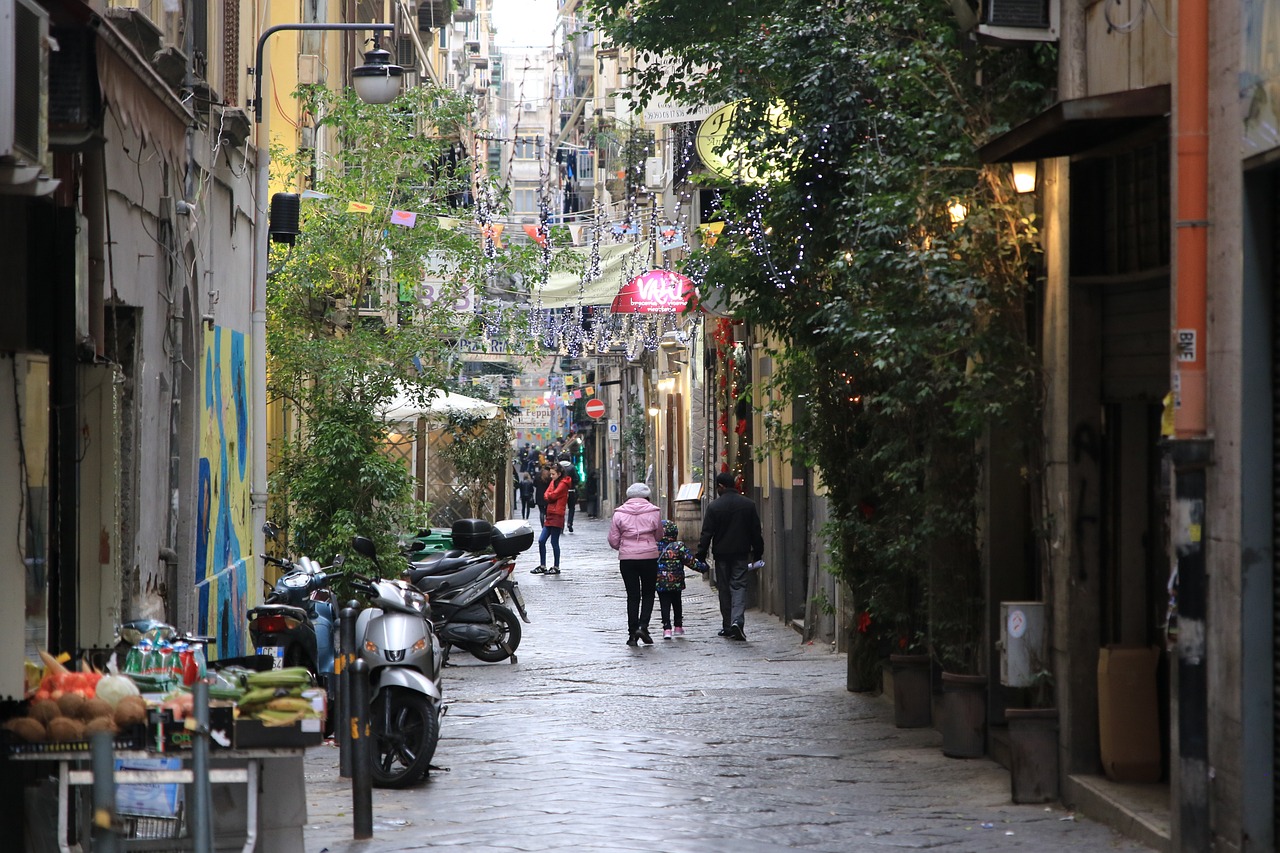
Are your taste buds missing out on amazing Italian dishes like Cacio e Pepe and Carbonara? Imagine a journey through Italy, where food is more than just a meal. Italy’s culinary wonders are waiting for every food lover who wants to explore authentic regional flavors. This guide will take you on a unique food adventure, from Naples’ famous pizza to Tuscany’s hearty soups. Each dish is made with local, seasonal ingredients, creating a true taste of Italy.
Eating in Italy is more than just filling your stomach. It’s about enjoying time with family and friends, and diving into the local culture. Discover the hidden gems of Italy, where eating local is a cherished tradition. Explore these treasures and see why it’s a way of life.
Join us on a journey through Italy, where beauty and flavor meet at every turn. We’ll guide you to the 10 must-try dishes that go beyond the usual Italian fare. Get ready to experience the rich flavors, textures, and aromas of Italy’s culinary treasures.
The Naples Experience: Pizza Margherita, the Quintessence of Simplicity
Naples is known as the world’s pizza capital. It offers a journey full of authentic flavors. The Pizza Margherita is a key part of regional Italian cuisine. It’s a dish that shows off Naples’s rich culture with fresh mozzarella, ripe tomatoes, basil, and olive oil.
This famous Italian food was first made in 1889 for Queen Margherita of Savoy. It became a hit with the queen and has been a classic ever since. Today, it’s more than food; it’s a work of art kept alive by pizza makers.
The traditional art of Neapolitan pizza-making, recognized by UNESCO, is not merely about following a recipe; it’s about the passion and precision that goes into each pie, infusing every bite with history and authenticity.
In Naples, pizza comes in many styles like “ruota di carretto,” “classica,” and “a canotto.” Each type has its own texture and size. Visitors love this variety, showing Naples’s creative pizza-making tradition. You can’t miss places like L’Antica Pizzeria da Michele, Pizzeria Concettina ai Tre Santi, or Gino Sorbillo to taste this tradition.
Making a Neapolitan pizza is an art. It starts with hand-shaped dough and ends in a wood-fired oven. These steps make sure every slice is a piece of Naples. Pizza Margherita is a must-try for anyone visiting.
For pizza lovers or those who love to try new things, Naples’s pizza culture is key. It’s about enjoying the taste and honoring a tradition that shapes regional Italian cuisine. So, in Naples, go for simplicity and authenticity. Choose Pizza Margherita.
Sicilian Street Food Masterpiece: Savoring the Iconic Arancini
In Sicily, street food Italy shines with the arancini. These are crispy risotto balls that show how simple ingredients can create amazing flavors. They are a key part of top Italian dishes.
The story of Sicilian cuisine goes back to the Middle Ages under Arab rule. This is when arancini first appeared. By the 19th century, they were a big deal, with debates over their name between Palermo and Catania. On Saint Lucia’s day, arancini take over the streets, making bakeries close.
Places like Massaro and Bar Touring are famous for their arancini. Sfrigola is another spot known for its wide range of flavors, from classic to new ones. Arancini are loved for their rich taste and the way they reflect Sicily’s complex history and culture.
Every arancini bite offers a taste of Sicilian street life. Whether it’s the meat ragù or the melting mozzarella inside, they capture the essence of Sicilian food. As a key part of street food Italy, arancini delight locals and visitors alike, making them a top choice worldwide.
Must-Try Italian Dishes: Insalata Caprese from Capri
In the sunny beauty of Capri dining, Insalata Caprese stands out. It’s a mix of Mediterranean cuisine and Italian simplicity. This dish comes from the magical island of Capri. It’s made with fresh tomatoes, creamy mozzarella, and basil leaves.
The dish’s magic comes from its top-quality ingredients. The mozzarella has the Denominazione di Origine Controllata (DOC) mark, meaning it’s the best. It’s made from the milk of buffaloes in Campania. When combined with sweet Roma tomatoes and Sicilian extra virgin olive oil, it’s a taste of Italian restaurant tips for a perfect Caprese Salad.
For the best taste, use tomatoes and basil at room temperature. Chefs say don’t use balsamic vinegar to keep the true flavor. Add Italian sea salt and black pepper at the end for a burst of taste.
Trying Insalata Caprese in Italy connects you to local produce and traditions of Capri dining. For those exploring Mediterranean cuisine, it’s more than food. It tells stories of culture and craftsmanship. Places like La Capannina in Capri or Terrazza Bar al Ponte in Verona let you enjoy Italy’s fresh flavors.
Insalata Caprese takes you on a taste journey through Italy. It’s a favorite that food lovers worldwide adore. With every bite, it shows why it’s a key part of Mediterranean cuisine.
Bologna’s Pride: Tagliatelle Alla Bolognese
Starting a Bologna food tour is a great way to try one of Italy’s most loved dishes: Tagliatelle Alla Bolognese. This dish is a key part of Bologna’s food culture, known for its rich flavors and careful making. It’s more than just food; it’s a piece of Bologna’s history, fitting its nickname, “La Grassa” (the fat one).
The dish features hand-rolled pasta covered in a slow-cooked meat ragù, tomatoes, and a bit of local wine. It’s topped with Parmigiano-Reggiano cheese, making it different from spaghetti bolognese. This dish is a symbol of Bologna’s food culture, loved for its taste and its ties to local history.
For those interested in the dish’s roots and real experience, places like Podere San Giuliano and Trattoria della Gigina are great. They offer amazing Tagliatelle Alla Bolognese and a true Bolognese vibe. Visiting these spots is key for anyone wanting to see why Bologna is a top food destination.
For more on Bologna’s food scene and how it stacks up against other famous places, check out a detailed guide on America’s iconic travel destinations. This guide shows Bologna’s special place in the world of food.
Whether you love food or are just curious, exploring Bologna’s food scene with Tagliatelle Alla Bolognese is rewarding. It shows the skill and love behind traditional Italian cooking. It’s a journey into Italian culture through its food.
Tuscan Comfort in a Bowl: Ribollita, the Hearty Soup of Florence
In the heart of Tuscan cuisine, Ribollita shines as a symbol of Italian comfort food. This medieval dish, once made with leftovers, has become a key part of Florence’s dining scene. It combines simple ingredients like cannellini beans and cavolo nero into a nourishing and tasty soup.
The base of this beloved stew is pane toscano, or pane sciocco, a bread without salt. It absorbs the soup’s rich flavors well. This bread makes the soup thick but still enjoyable, showing the true spirit of Florence dining. It’s a dish that warms both the body and the soul, carrying a piece of Tuscan heritage.
Every authentic Ribollita brings together fresh veggies and beans, slowly cooked to enhance their flavors. This process creates a blend that’s both filling and deeply satisfying. From its simple start to its current status, Ribollita remains a favorite for those looking for comfort in a bowl.
For those interested in Italian comfort food, visiting trattorias like Trattoria Sergio Gozzi or Trattoria Da Ruggero is a must. Here, Ribollita is made with passion, bringing out the dish’s rich flavors and the warmth of Florence dining.
Ribollita shows how simple ingredients can come together to create a memorable experience. It’s a dish that goes beyond its basic components, offering a journey into the heart of Italian food. Whether you’re a food expert or just exploring, trying this classic Tuscan dish is a fulfilling experience.
Liguria’s Twist on Pasta: Trofie al Pesto, a Northern Gem
The Ligurian kitchen is known for its stunning coastal views and the strong smell of herbs. It offers a mix of new and traditional flavors. With about 80 recipes in “Liguria in cucina: The flavours of Liguria”, it highlights fresh herbs like basil and marjoram. Trofie al Pesto is the true star of Ligurian dishes.
Trofie al Pesto stands out among Italian pasta dishes. It pairs perfectly with pesto alla Genovese, a green sauce from Genoa with a D.O.P. basil. This sauce, made with extra virgin olive oil and pine nuts, sticks to the pasta. It brings a burst of Ligurian taste with every bite.
Places like Ristorante Il Nostromo and Trattoria Cavour 21 serve this dish. They let guests enjoy the true taste of Liguria. The innovation in Ligurian cooking, like pesto alla Genovese from 200 years ago, shows how to make the most of what you have.
Trofie al Pesto is a symbol of Ligurian culinary creativity. It’s part of the Mediterranean diet, focusing on vegetables and herbs. Enjoying Trofie al Pesto is like exploring the magical side of northern Italy.