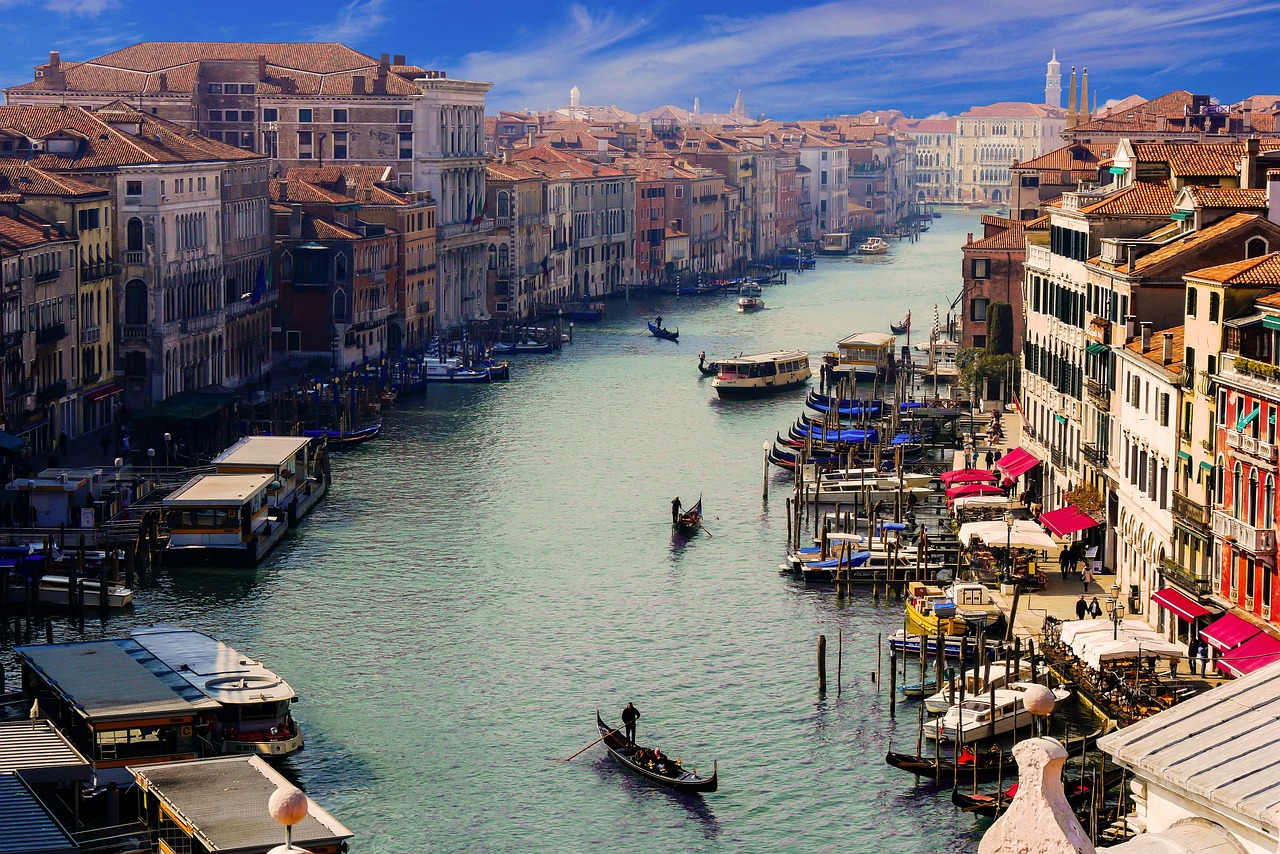
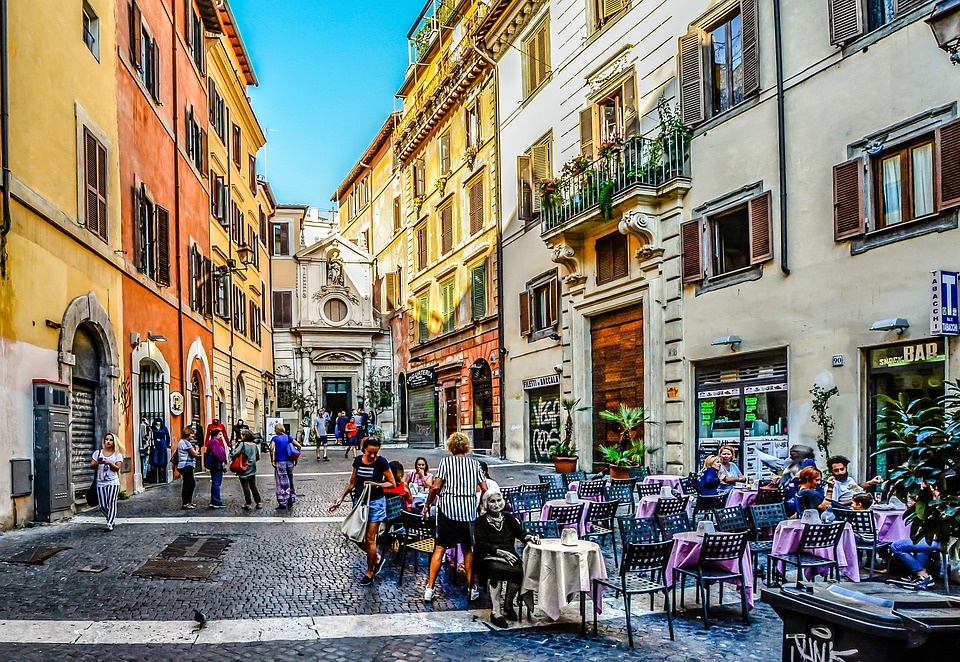
How can you capture Italy’s beauty in just one week in Italy? The key is a journey through Rome Florence Venice guide. Each turn tells a story, every cobblestone is filled with history, and Renaissance art comes alive. This trip is more than a vacation; it’s a journey through Rome’s grandeur, Florence’s artistry, and Venice’s serene canals.
As the Grand Canal of Venice comes alive with water taxis and the sunset paints Florence’s buildings golden, a question arises. What secrets do these cities hold for those willing to explore beyond the usual paths? For those looking to discover Italy’s hidden gems, venturing off the beaten path is key. It’s about connecting with Italy’s heart and soul.
The sound of water against gondolas in Venice, ready to take you under the Bridge of Sighs, tells a story of a city with a dwindling population. Yet, Florence awaits, a city with a big heart, offering history through ancient wine windows and the Duomo. This grand city welcomes everyone, offering inspiration without charge.
Train travel in Italy makes exploring these cities easy, with Venice and Florence just 1.5 hours apart. Planning your Italy’s iconic cities itinerary is exciting. Do you want to see the sunset crowds at Piazzale Michelangelo or enjoy a Florentine gelato class? Visit during the shoulder months for the best weather, fewer crowds, and a welcoming atmosphere.
Rome, Florence, and Venice each tell part of Italy’s story. A first-time trip might include three nights in Rome, two days in Florence, and two nights in Venice. Let the cities guide you, from a gondola serenade at dusk to the scent of Tuscan wines. Italy welcomes everyone, seasoned travelers or first-timers, with open arms.
A Cultural Journey Through Venice: The City of Canals
Exploring Italy’s culture takes you to Venice, a city full of charm. It’s a must-see spot in Italy, known as the Queen of Canals. Venice offers a unique experience with its beautiful canals, stunning architecture, and lively local life.
Start your journey by walking through famous places like St. Marks Square and winding streets. Every corner reveals something new, from the world’s narrowest streets to the stunning Duomo. Planning your visit well is key to enjoying the city’s beauty without the crowds, especially in spring and early autumn.
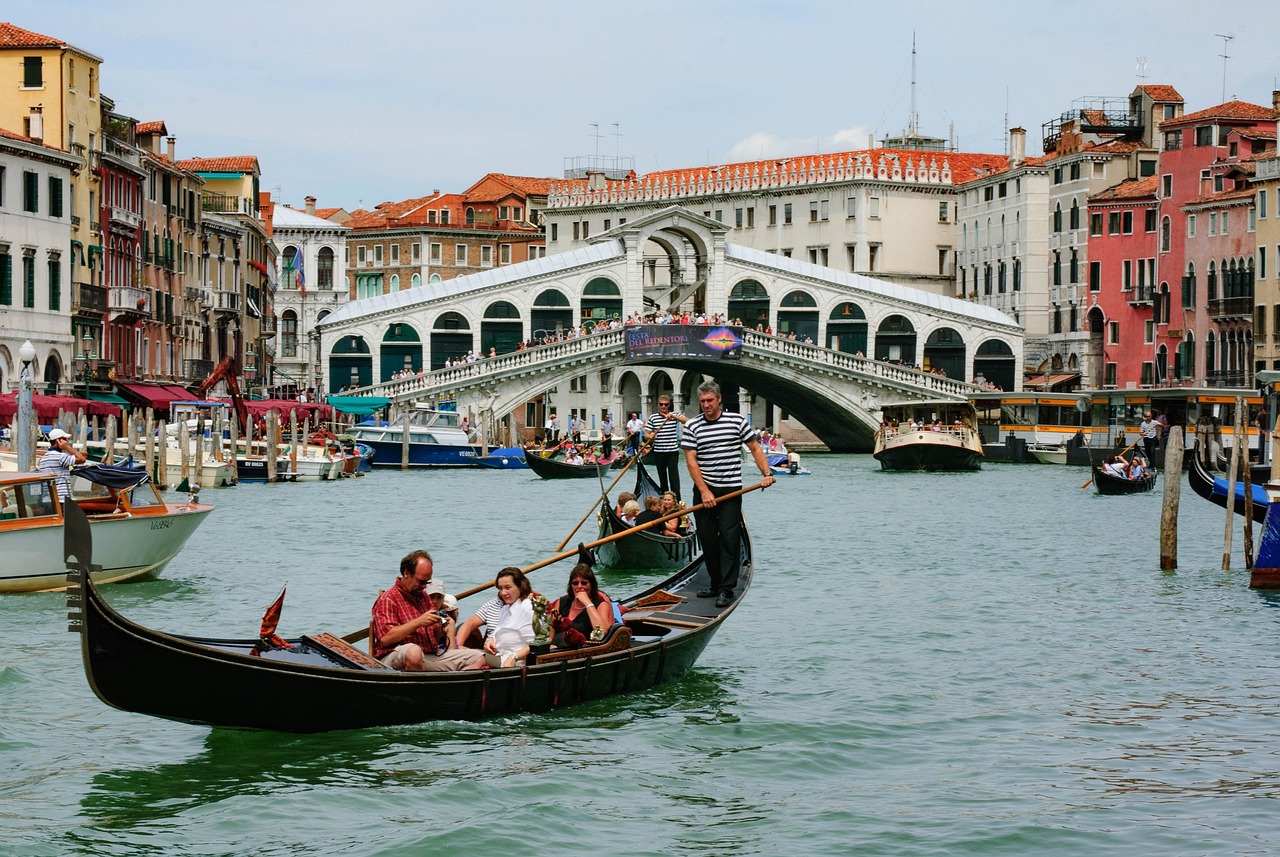
As you ride a gondola on the Grand Canal, you’ll see the Rialto Bridge and the lively scenes there. The canals are not just for transportation; they help keep Venice’s ecosystem balanced. This shows why sustainable tourism is important.
Next, dive into Venice’s food scene. Try authentic dishes at Ristorante Trattoria Cherubino or have a limoncello spritz at Al Cinema Italia. The nights here are full of Venetian charm. Staying at Hotel Belle Epoque lets you experience traditional Venetian style, close to the train station.
Venice’s culture and its environmental challenges show the importance of careful tourism. Its beautiful architecture and community spirit make it stand out in Italy. When planning your visit, take your time and fully experience Venice. This way, you’ll truly appreciate this Italian gem.
Immersive Art and History in Florence: Tuscany’s Crown Jewel
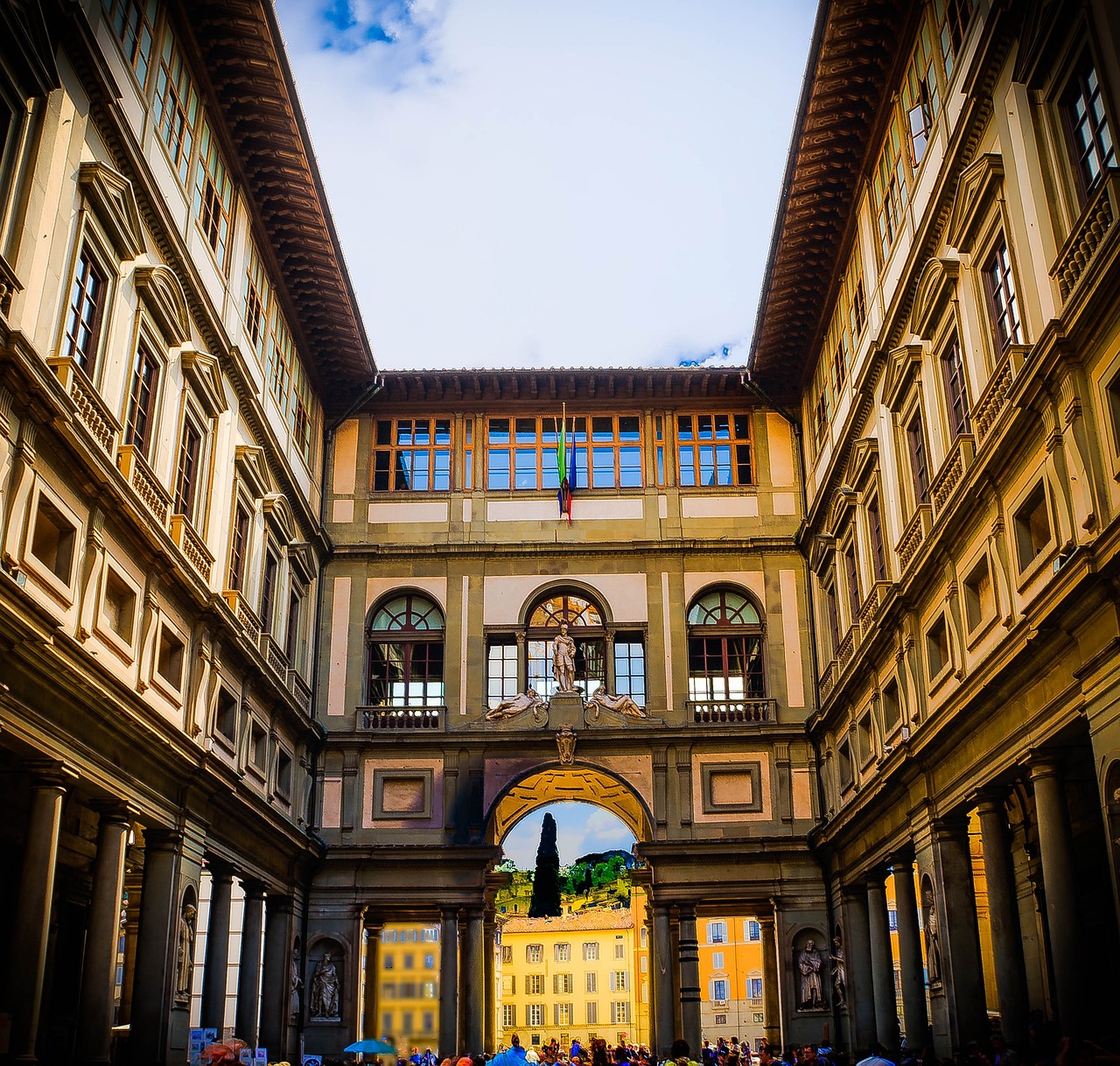
Florence is known as the birthplace of the Renaissance. It offers a unique blend of history and culture. Make sure to visit the historic center, packed with ancient landmarks and lively markets. The Uffizi Gallery and the Accademia museum are must-sees, with tours for just ten and nine people, respectively. This lets you get up close with famous artworks.
Adding Tuscany wine tasting to your trip is a great idea. You can visit the Tuscan countryside, see historic sites like Villa di Poggio a Caiano, and enjoy the famous wines. After exploring Florence, you can head to the countryside or go to Rome, making your trip even more memorable.
Florence is easy to get to, thanks to Florence International Airport, just 20 minutes away. You can take the ATAF Volainbus shuttle or tramways to the city center. There are many places to stay, from the Granduomo to cozy bed-and-breakfasts like FuordArno, for all budgets.
Don’t forget to explore the artisan shops in Oltrarno and climb the Duomo for amazing views. Every part of your Florence city itinerary adds to a rich Italian experience. You’ll see the best of art, history, and culture that Florence has to offer.
Italy’s Iconic Cities Itinerary: A Seamless Blend of History and Modernity
Starting an Italy city itinerary takes you on a journey into the heart of Italy’s charm. It’s a mix of the old and new in Rome, Florence, and Venice. This guide helps you see the best of both worlds.
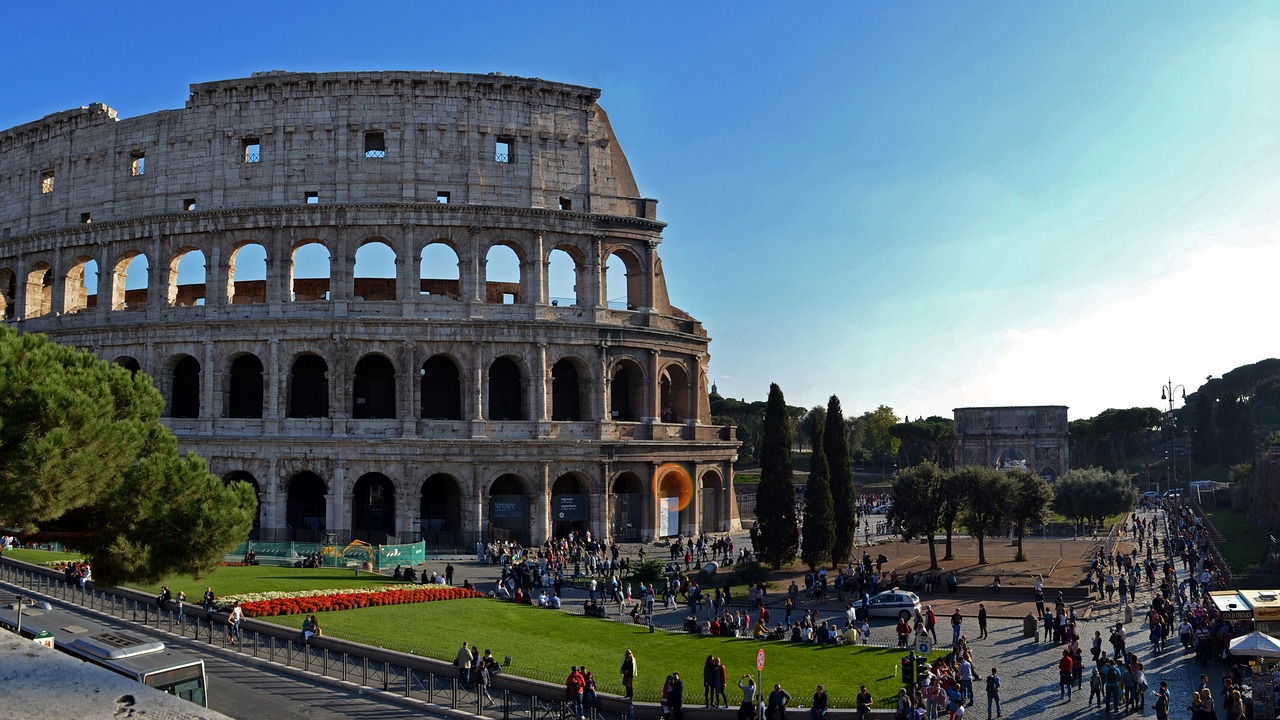
Rome begins with ancient wonders like the Colosseum. Florence is next, where art comes alive. You feel the past and present here, standing in front of Michelangelo’s David.
Then, Venice offers a world of mystery with its canals and squares. It’s a place where time seems to stand still.
By exploring Italy’s culture, you get to know Italy’s true spirit. Each city has its own vibe that adds to the Italian experience. From Venice’s canals to Florence’s Uffizi gallery, every moment is special.
Italy’s train system makes traveling between cities easy and fun. It connects Rome, Florence, and Venice beautifully. This lets you dive deep into Italy’s history and culture.
A great Italy city itinerary takes you from Rome’s history to Florence’s art and Venice’s beauty. This journey shows how Italy’s cities have evolved. It also highlights their timeless charm around the world.
The Eternal City: Discovering Rome’s Timeless Splendor
Starting a week in Italy means diving into Rome’s vibrant culture and history. This city is a must-see, attracting millions each year. It’s filled with art and history, making it a unique experience.
The Colosseum, built in AD 70-80, shows Rome’s powerful past. It was the heart of Roman entertainment. Imagine the stories it could tell.
At the Roman Forum, you can feel the city’s ancient energy. It was the center of the empire. You’ll see the Temple of Saturn and the Arch of Titus, taking you back in time.
Then, visit the Pantheon, a wonder of ancient engineering. It’s still impressive today. Near it is Vatican City, home to St. Peter’s Basilica and the Vatican Museums. These places are full of art and faith.
Rome is more than just history. Its streets, like those to the Trevi Fountain, are full of life. Tossing a coin into the fountain means you’ll return, keeping Rome’s charm alive in your heart.
Don’t miss the Spanish Steps, a beautiful staircase with great views. It’s a favorite spot for both locals and tourists. As your Italy trip ends, Rome’s mix of old and new will stay with you, celebrating Italy’s enduring beauty.
See Spain through the eyes of its residents. Discover secret spots in Barcelona and the excitement of Madrid’s soccer matches. Leave behind the usual tourist paths and dive into the heart of Spain.
Find the best places to see, eat, and experience local traditions. This guide will show you how to live like a local in Spain.
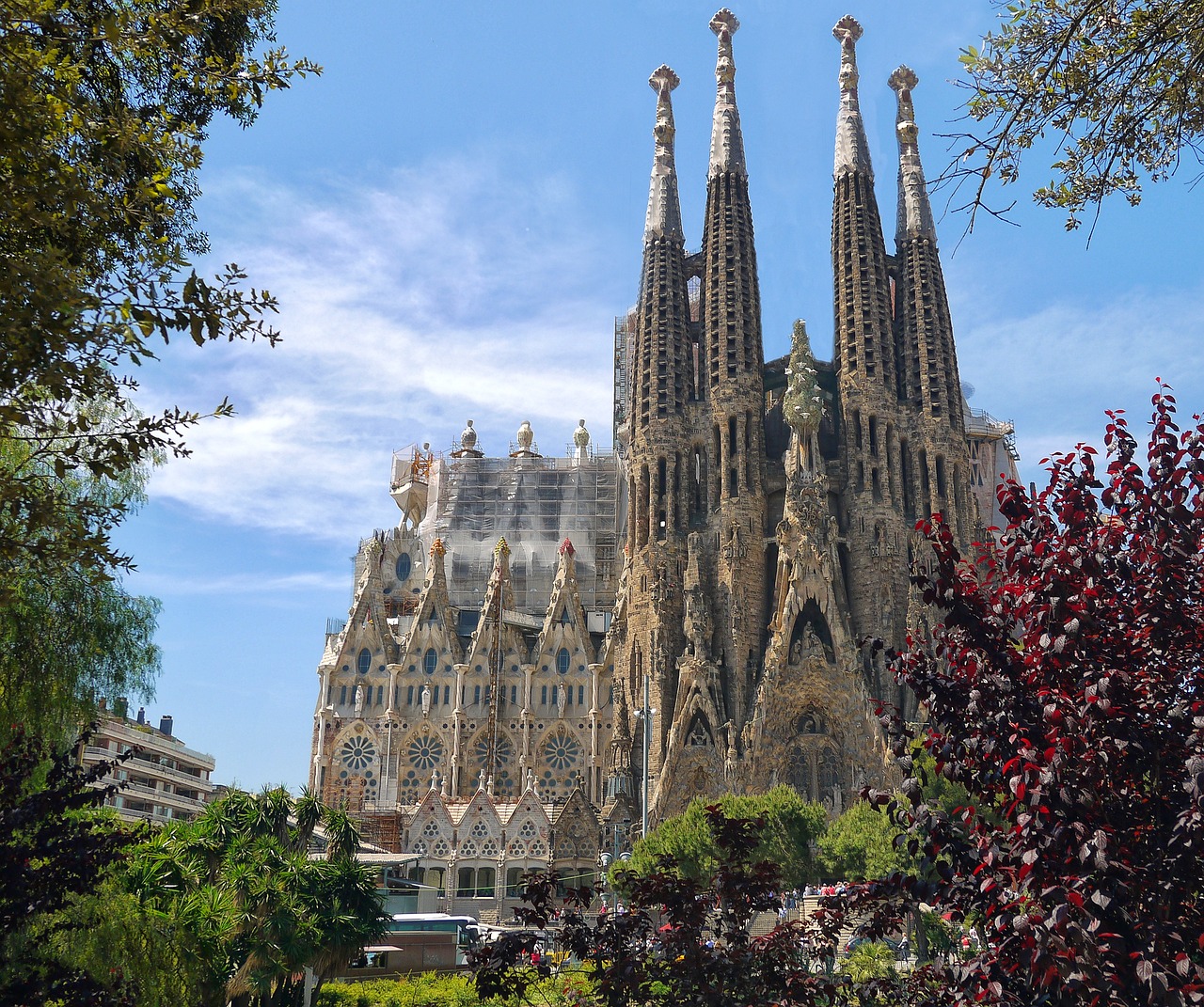
Enjoy the Spanish lifestyle with long stays, cultural events, and exploring hidden spots. Visit Barcelona’s amazing Sagrada Familia and Gaudi’s works. Then, head to Madrid for its unique vibe and late-night fun.
Key Takeaways
Locals in Madrid typically enjoy six meals a day, with lunch being the most significant.
Spaniards in Madrid prefer beer for its refreshing nature and affordability.
Nightlife in Madrid begins late, with clubs and bars empty before 1-2am.
In Barcelona, immerse in history at Museu Picasso and marvel at La Sagrada Familia.
Ideal visiting months are April, May, September, and October due to cooler weather and fewer crowds.
Explore Popular Cities with a Local Twist
Spain is full of different places to see. You can find busy cities and quiet historical spots. We’ll show you how to see Spanish cities like Barcelona and Madrid from a local’s point of view. This way, you’ll find things tourists often miss.
Barcelona – Beyond The Tourist Spots
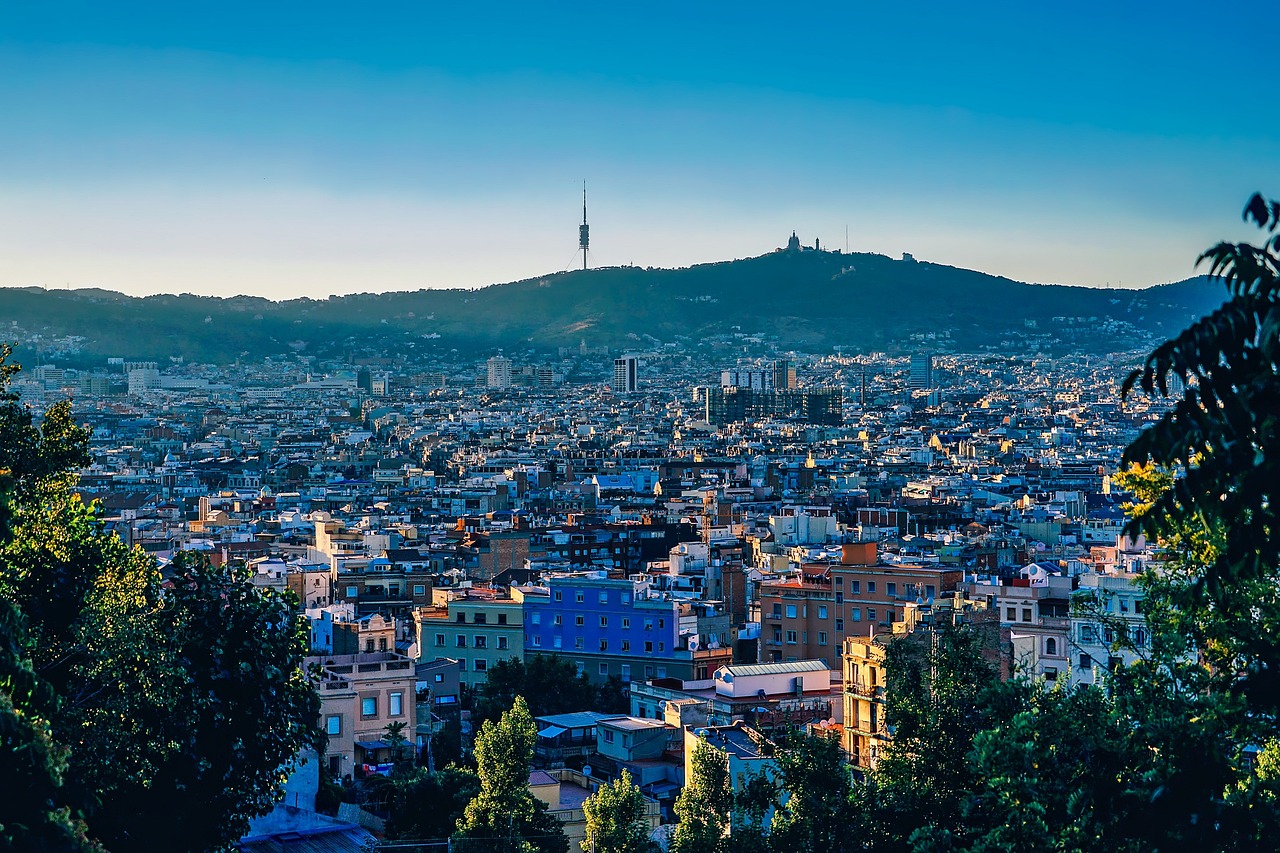
La Sagrada Família Cathedral is a must-see, but there’s more to discover in Barcelona hidden gems. Start at Turó del Putxet Gardens for a quiet spot with beautiful views. Then, hike Montjuic to learn about Barcelona’s history.
For a great view of the city, go to El Bunker Del Carmel. Visit RCD Espanyol’s stadium to see a different side of Barcelona. And don’t forget to try some Catalonian food at La Flauta, a local favorite.
Madrid – Secrets of The Capital
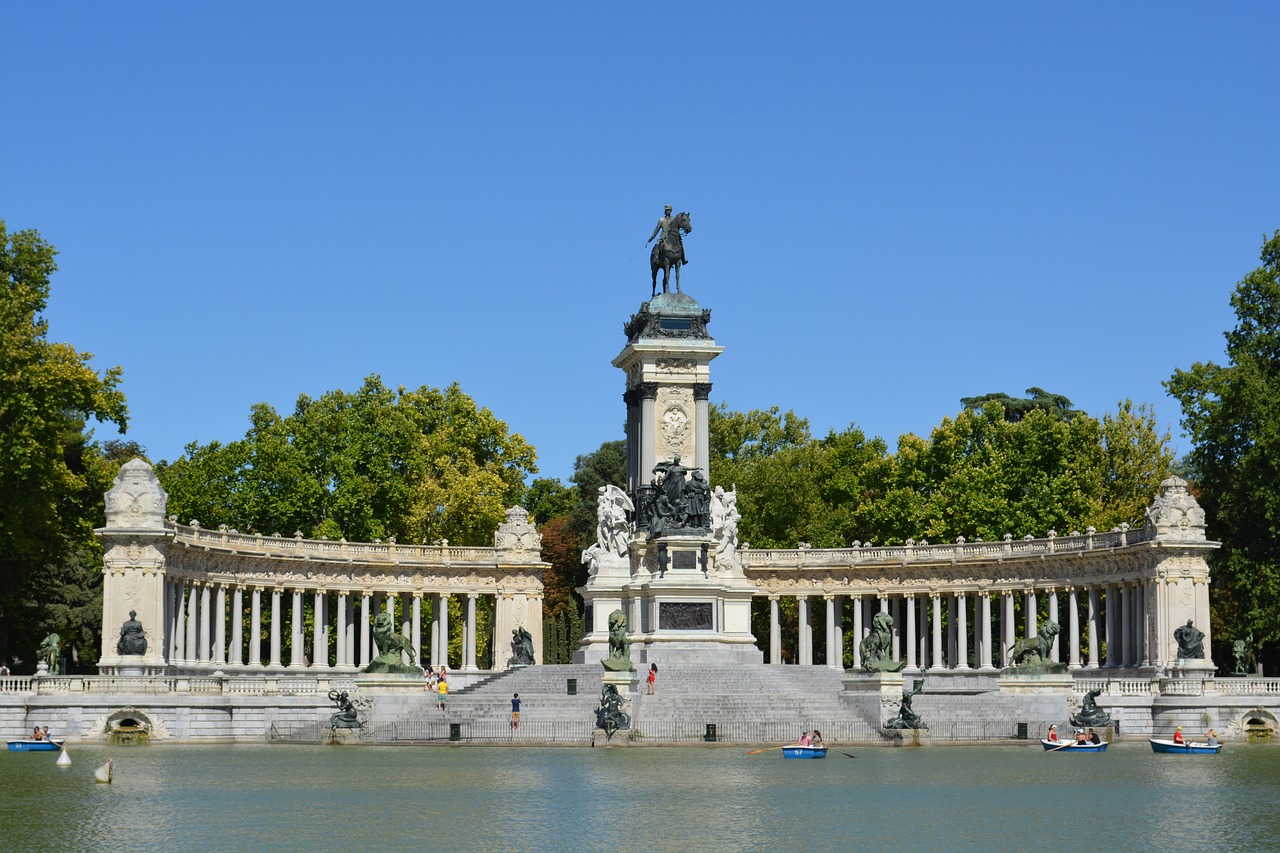
Madrid is famous for its art, culture, food, and nightlife. For real Madrid local tips, enjoy the city’s easygoing vibe. Begin with a jog in Retiro Park, then walk through its beautiful rose garden.
Learn how to order tapas like a local to fit in. Start your day late and enjoy evening walks. Join in the city’s love for football by supporting Real Madrid or Atlético Madrid.
These tips will make your trip to Spanish cities, including Barcelona hidden gems and Madrid, more special. They add depth and make your visit more real.
City
Local Tips
Barcelona
Turó del Putxet Gardens
Montjuic Hiking
El Bunker Del Carmel
RCD Espanyol’s Stadium
La Flauta
Madrid
Retiro Park Jogging
Tapas Dining Etiquettes
Leisurely Strolls
Follow A Football Team
Delight in Local Culinary Experiences
Dive into Spanish cooking to really get to know the country. Spain’s food shows off its culture and different areas. From Galicia’s seafood to Andalusia’s bright tastes, it’s a unique food journey.
Traditional Spanish Meals – Timing is Everything
Understanding Spanish food means knowing when to eat. People in Spain love their meals and eat at certain times. Lunch is from 2 PM to 4 PM, and dinner is after 9 PM.
Madrid is great for trying these traditions. Try the “menu del dia” for a cheap, tasty meal. At night, tapas bars are busy with small, fresh dishes.
Hidden Dining Gems
Exploring Spain’s hidden food spots is exciting. In Barcelona, Bo de Be is known for tasty sandwiches. La Flauta is another spot loved by locals for its food.
The Basque Country is famous for pintxos. Enjoy these small dishes with Txakoli wine for a fun night out. La Rioja is known for its bold wines and uses local foods like peppers and asparagus.
La Jamoneria Restaurante y Terraza in Zaragoza teaches you about Spanish ham. Logroño in Rioja is great for wine lovers with tours and tastings. It shows Spain’s wine culture.
Here are some must-try dishes from different parts of Spain:
Region
Signature Dishes
Galicia
Seafood specialties such as pulpo a la gallega (Galician-style octopus)
Basque Country
Pintxos, often served with Txakoli wine
La Rioja
Peppers, artichokes, asparagus, and bold red wines
Catalonia
Calçots, fideuá, and arròs negre rice dishes
Andalusia
Moorish-influenced dishes like gazpacho and espinacas con garbanzos
Spain has many great places to eat and markets like Valencia’s Mercado Central. Whether you’re trying tapeo or fancy Michelin-starred dishes, every bite is an experience. Enjoying Spain’s food makes you feel like a local.
Spain Tips for Authentic Cultural Immersion
Going to Spain means diving deep into its culture. Visit cities like Barcelona to see how Catalan and Spanish mix. This shows the rich mix of traditions and local ways.
Learn about the local Spanish customs. Like the siesta, a break for lunch. It shows Spain’s love for balance and health. This helps Spaniards live long lives.
See historical sites like the Roman aqueduct in Segovia. They blend into daily life. This shows a deep link to Spain’s past.
Food is a big part of Spanish culture. Try the 55% oleic acid in Iberico jamón or the 10 euro meal deals. Enjoying local wine or pastries is about enjoying life.
Spain’s festivals are full of life. Celebrations like Santa Águeda in Zamarramala or August holidays show unity and joy.
Physical affection is big in Spain. Cheek kisses and hugging show the value of warmth and connection.
Roundabouts are common in Spain. They show a mix of practicality and culture. They are safer than traditional intersections.
Visit museums on non-free days to connect with local arts. It’s quieter and helps support Spanish culture. Understanding local politics and culture adds to the appreciation of Spain’s heritage.
Follow these tips to connect deeply with Spain’s culture. It’s a way to feel the heart and soul of this amazing country.
Engage in Local Activities and Events
Exploring local activities and events in Spain shows you its vibrant culture and traditions. You can enjoy football or join in on festivals. There’s always something fun to do that you’ll remember.
Football – A Local Passion
The heart of Spanish football culture beats strongly. Going to a match at RCD Espanyol or FC Barcelona lets you feel the excitement. Fans come together, making the game a big part of their lives.
This makes the game a community event. It brings people together, creating a strong sense of belonging.
Festivals and Celebrations
Joining local Spanish festivals and traditional Spanish events shows Spain’s cultural spirit. These festivals are more than just fun. They mix religion and history, bringing people together.
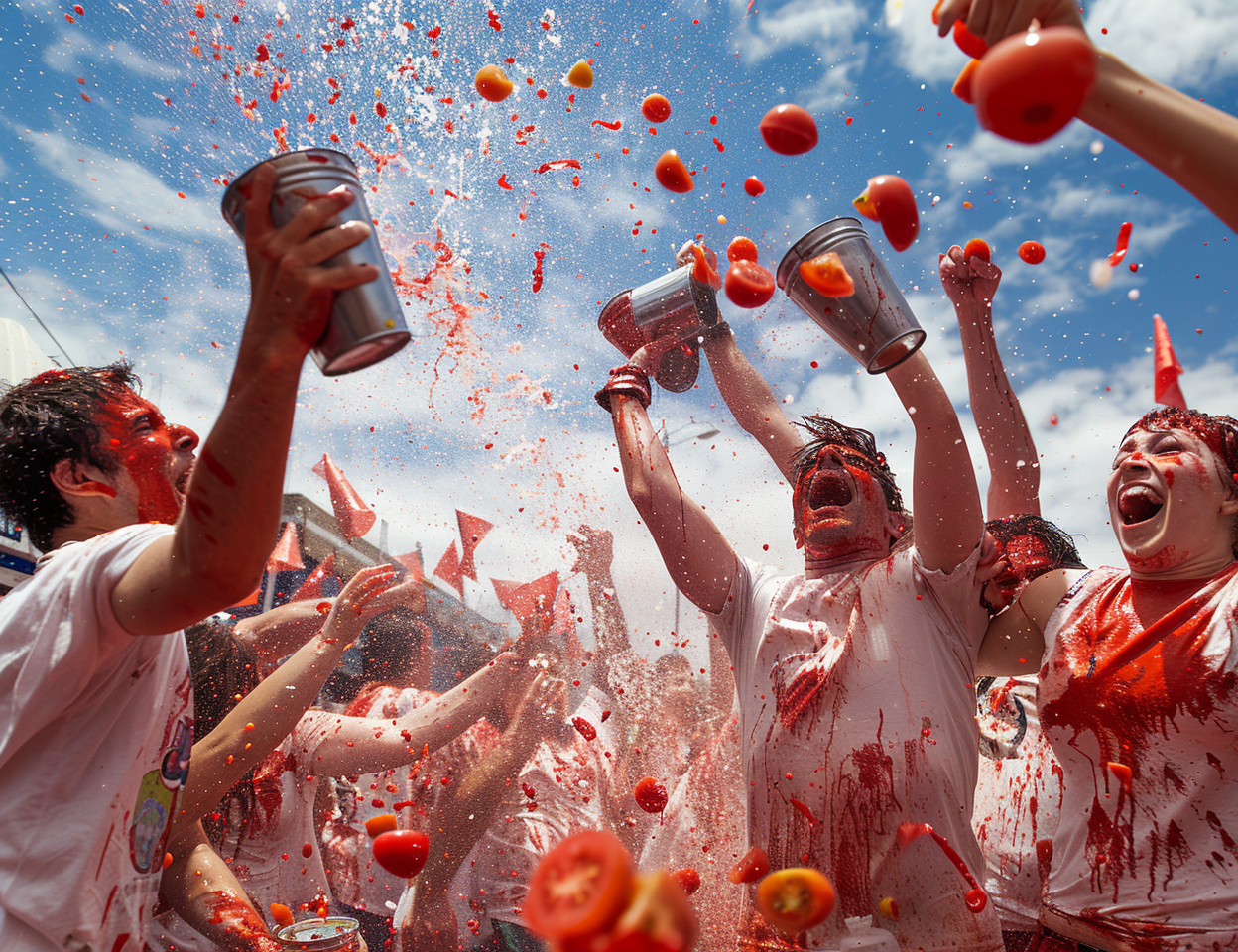
Events like La Tomatina in Buñol or Las Fallas in Valencia show the Spanish way of life. They bring people together. These festivals also help local businesses by bringing in tourists.
Even with more online events, these traditional festivals are still the best. They offer music, dance, and color that shows the Spanish spirit.
If you love sports or just want to join in the fun, these activities and events are for you. They offer a real taste of Spain’s rich culture.
Conclusion
Spain is more than just its beaches and tourist spots. It calls to those who want to slow down and feel its true heart. You can explore the old streets of Barcelona or cheer with the locals at a football game. These moments make your trip truly special.
There’s a great plan for a trip to Spain that includes both famous places and hidden spots. You can see Seville, Granada, and Cordoba, and visit places like Seville’s Plaza de España and Granada’s Alhambra. Using trains, buses, and scenic drives makes your trip beautiful and easy.
For the best experience, visit Spain in spring or fall. This way, you’ll avoid the crowds and enjoy lovely weather. With at least 14 days, you can really get to know the culture and the friendly people. This makes your trip unforgettable, full of history, food, and warmth.
FAQ
What are some lesser-known spots in Barcelona for great views?
For amazing views, go to Turó del Putxet Gardens. Explore Montjuic by foot. Or find peace at El Bunker Del Carmel.
How can I experience local football culture in Barcelona?
See local football by watching RCD Espanyol play. You’ll meet a passionate crowd.
What are some hidden dining gems in Barcelona?
La Flauta is a favorite for its true Spanish food. Bo de Be is great for tasty, cheap meals.
What are the best ways to experience Madrid like a local?
Enjoy a jog in Retiro Park. Learn how to eat tapas like a pro. And check out the city’s lively night scene.
How can I dine like a local in Spain?
Eat late for lunch and dinner. Try a “menu del dia” for a traditional lunch. And enjoy tapas at night.
What is the significance of siesta in Spanish culture?
Siesta is a big deal in Spain. It’s a time to rest and recharge in the afternoon.
How can I explore the bilingual nature of Barcelona?
Talk to locals in Catalan and Spanish. Learn about Catalonia’s unique culture through media and conversations.
What are some cultural events to experience in Spain?
Join in on local festivals. Enjoy music, dance, and colors that show Spain’s rich culture.
How is football more than just a game in Spain?
Football is huge in Spain. Feel the excitement by watching a match. Support teams like RCD Espanyol or FC Barcelona.
What are some off-the-beaten-path dining experiences in Spain?
Try local spots like La Flauta in Barcelona. These places offer real Spanish food.
Going to Europe’s art spots is like a trip through culture’s best. You’ll see famous museums, beautiful buildings, and cool street art. Make sure to look for both big names and hidden treasures. Think of the Louvre in Paris and Berlin’s street art.
Every city has its own special art style. Rome has ancient beauty, and Amsterdam has modern art. Don’t miss the art festivals in Edinburgh or the amazing buildings all over Europe.
Key Takeaways
Amsterdam remains one of Europe’s most visited cities, balancing tourism with sustainability measures.
Booking skip-the-line tickets for major attractions is crucial due to high demand.
Accommodations in central areas are in high demand and often expensive.
Cultural travel in historic European cities should include both famous landmarks and unique local experiences.
Consider city cards like the iAmsterdam city card for museum and public transport savings.
Introduction to Europe’s Art Cities
Europe’s art cities are full of beauty and history. They are perfect for those who love art. When you visit these cities, you get to see how history and art come together.
You can start your art city exploration in Spain, where you’ll find cave art that’s over 40,800 years old. Or you can see the beautiful .
Cities like Vienna are full of art. They have the Leopold Museum with lots of art by Gustav Klimt and Egon Schiele. This shows how Europe keeps its art alive.
When you take an art lover’s guide to Europe, you’ll see art from many times. You’ll see everything from Classical to Modern art.
Crete is famous for its Minoan art, which has cool images and symbols of bulls. These symbols mean a lot in their culture. Europe is full of cultural sites and big sculptures that tell stories.
You can see amazing art in places like Schloss Eggenberg in Graz, Austria. Or you can see the simple beauty of Scandinavian design. Europe is full of art to discover.
Planning Your Trip
Visiting Europe’s art cities is a dream for many. But, planning well can make it even better. This section talks about the best time to go, how to travel and stay, and what passes you need. This will help you enjoy your cultural trip more.
Best Time to Visit
Spring and autumn are the best times to visit Europe. These seasons have nice weather and fewer people. This means you can enjoy your trip more.
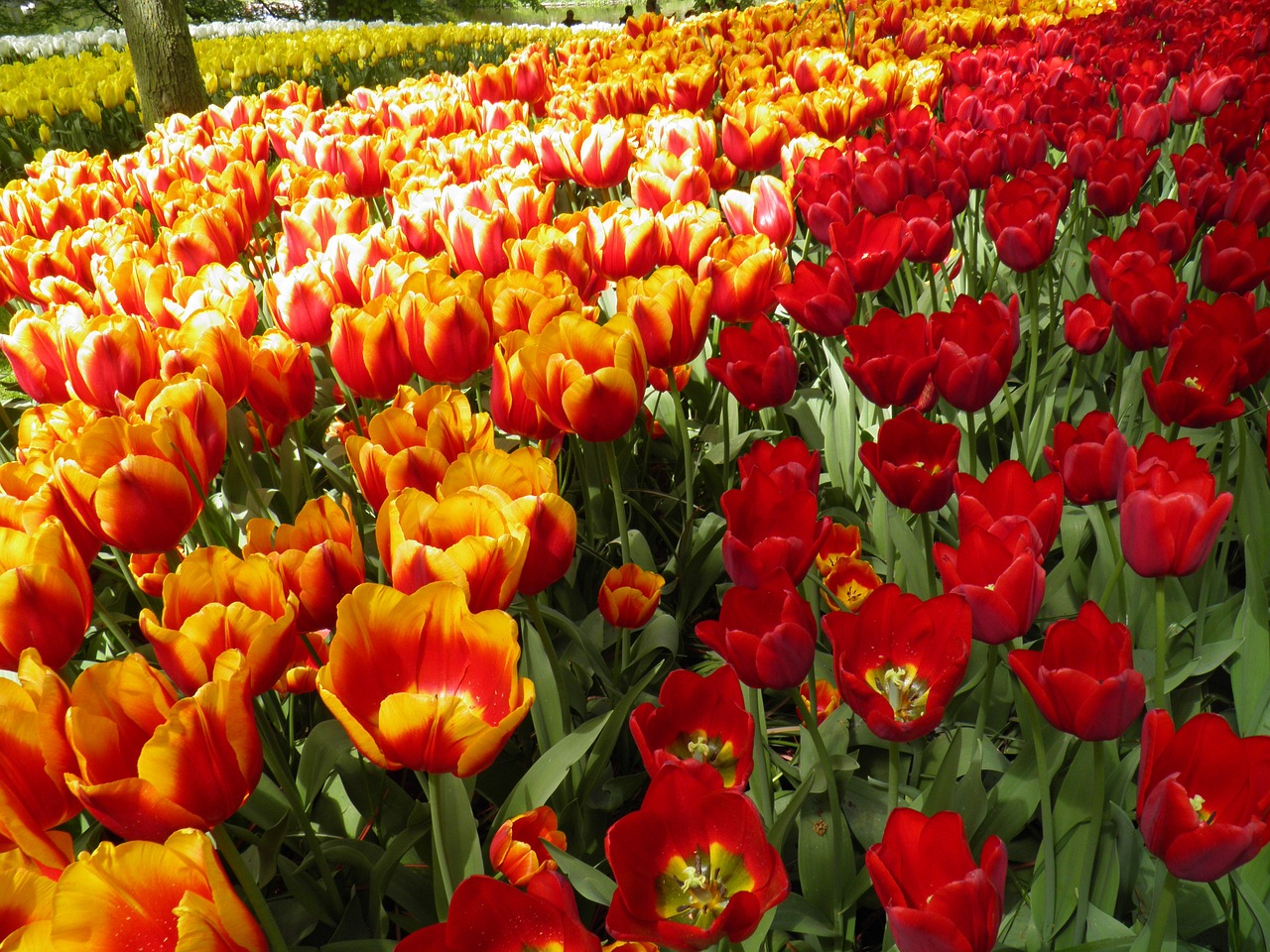
Plan your visit for Amsterdam’s tulip season in spring or autumn art festivals. These times offer great weather and a closer look at the culture.
Travel and Accommodation Tips
Stay in the city center for a better experience. Being close to museums and cultural spots is easy. Booking your hotel early is a good idea, as many travelers do.
Look into travel passes too. They can save you money on attractions and transport. This makes your trip smoother.
City Permits and Passes
If you want to see lots of museums and galleries, get city passes. Many cities have passes that let you into many places. For example, the iAmsterdam card and the London Pass give you access and skip-the-line benefits.
These passes help art lovers enjoy their trip more and save money.
Top Museums and Galleries to Visit
Exploring art cities in Europe shows us a world of famous museums and galleries. These places have art from centuries ago and today. They give us a deep look into culture.
The Musée du Louvre in Paris is very famous. It started as a fortress and became a museum in 1793. It has almost 380,000 pieces of art. You can see famous works like the Mona Lisa and Venus de Milo there.
The Musée D’Orsay in Paris is also a must-see. It shows Impressionist art from 1848 to 1914. You’ll see art by Monet, van Gogh, and Gauguin. The Centre Pompidou in Paris, opened in 1977, has over 100,000 modern art pieces. It features works by Yves Klein and Jean Dubuffet.
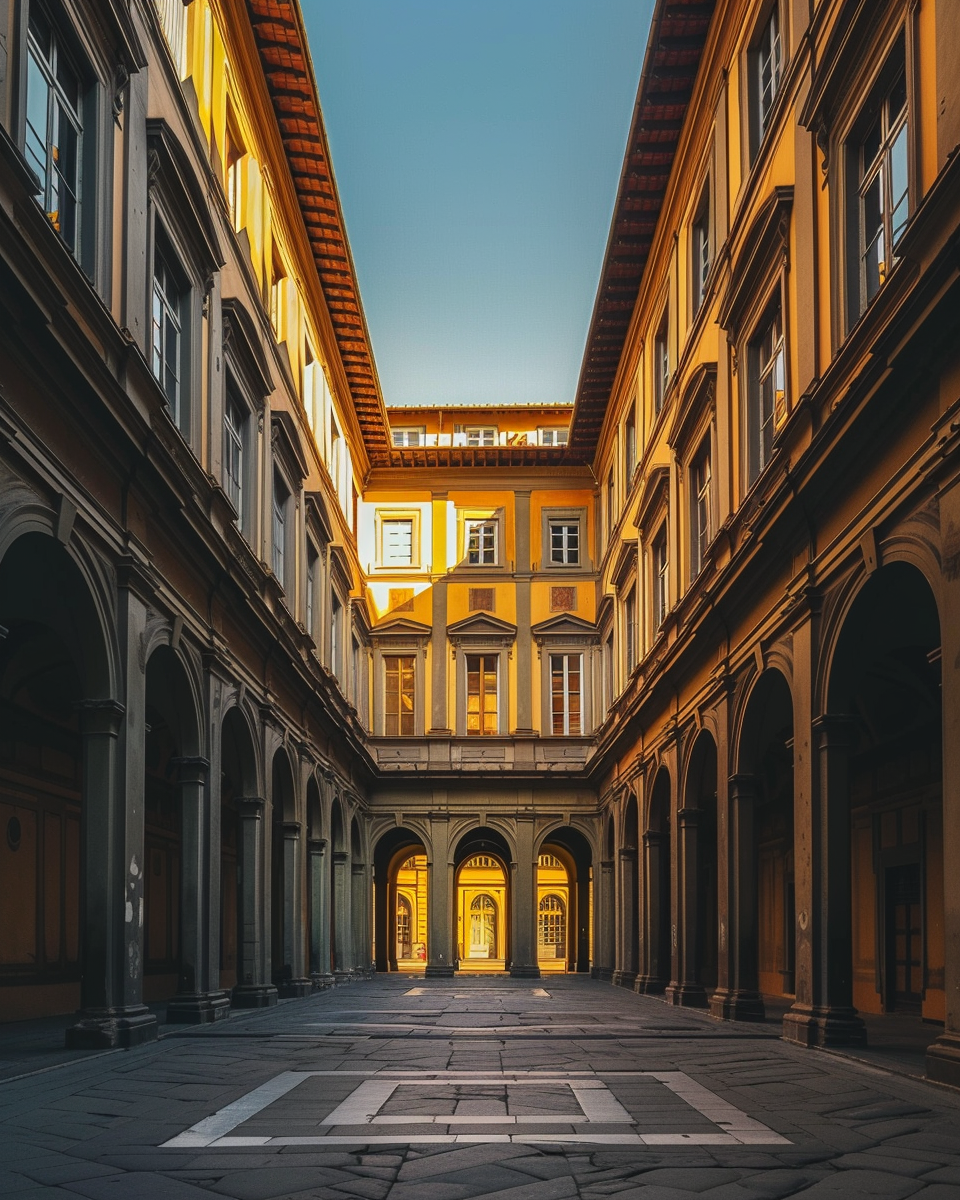
In Italy, the Uffizi Gallery in Florence is a treasure. It has works by Leonardo da Vinci and Michelangelo. Rome’s Museo MAXXI also shows modern art.
Madrid’s Museo Reina Sofia is all about 20th-century Spanish art. It has Picasso’s ‘Guernica’. This museum shows Spain’s big impact on modern art.
The Vatican Museums in Vatican City are special. They have Michelangelo’s Sistine Chapel. This place shows art from the Catholic Church that changed art and culture.
The National Gallery of Canada in Ottawa has 75,000 works of art. It was started in 1880. The Death of General Wolfe by Benjamin West tells us about Canada’s history.
The Museum of Black Civilizations in Dakar, Senegal, is unique. It opened in 2018 and celebrates African art and history. It’s a great place to learn about Africa’s culture.
Museum
Location
Notable Features
Musée du Louvre
Paris
380,000 works, Mona Lisa, Venus de Milo
Musée D’Orsay
Paris
Impressionist art, Monet, van Gogh
Uffizi Gallery
Florence
Renaissance art, da Vinci’s ‘Annunciation’
Museo Reina Sofia
Madrid
20th century Spanish art, Picasso’s ‘Guernica’
Vatican Museums
Vatican City
Michelangelo’s Sistine Chapel, Catholic Church art
National Gallery of Canada
Ottawa
75,000 works, The Death of General Wolfe
Museum of Black Civilizations
Dakar
African art and history
These famous museums and galleries in Europe show us art from the past and today. They take us on a journey through art history and its modern views.
Must-Attend Art Festivals and Events
Europe’s art festivals are full of cultural experiences. They let you see some of the best art from around the world. You can enjoy everything from art shows to international art fairs.
Annual Festivals
Edinburgh’s summer festivals and Frieze London in autumn are big hits. They bring together artists and art lovers from all over. These festivals have art, live shows, and interactive events.
The Cherry Creek Arts Festival in Denver is huge, with 350,000 visitors. The St. James Court Art Show in Louisville and Plaza Art Fair in Kansas City also draw big crowds.
Festival Name
Location
Attendance
Edinburgh Art Festivals
Edinburgh, UK
Varies
Frieze London
London, UK
Varies
Cherry Creek Arts Festival
Denver, CO
350,000
St. James Court Art Show
Louisville, KY
250,000
Special Exhibitions
Europe is also known for its special art exhibitions. These events are often one-time shows. They give a deep look into art history and today’s art.
Museums like the Van Gogh Museum and the Louvre have special shows. These shows let you see rare art and learn about artists’ lives.
Art fairs like the Superfine Art Fair and Saatchi Art’s The Other Art Fair help artists meet more people. They cost between $1600-$2000 to join. stARTup Art Fair and Supermarket are also great for new artists.
Even smaller fairs like abC (Art Book in China) in Beijing and Shanghai spread European art around the world. They help artists share their work and talk with others.
Exploring Architecture and Street Art
The streets of Europe’s art cities are full of beauty. They show off amazing architecture and street art. You can see Gaudi’s work in Barcelona and the grand palaces of Vienna.
Architectural Highlights
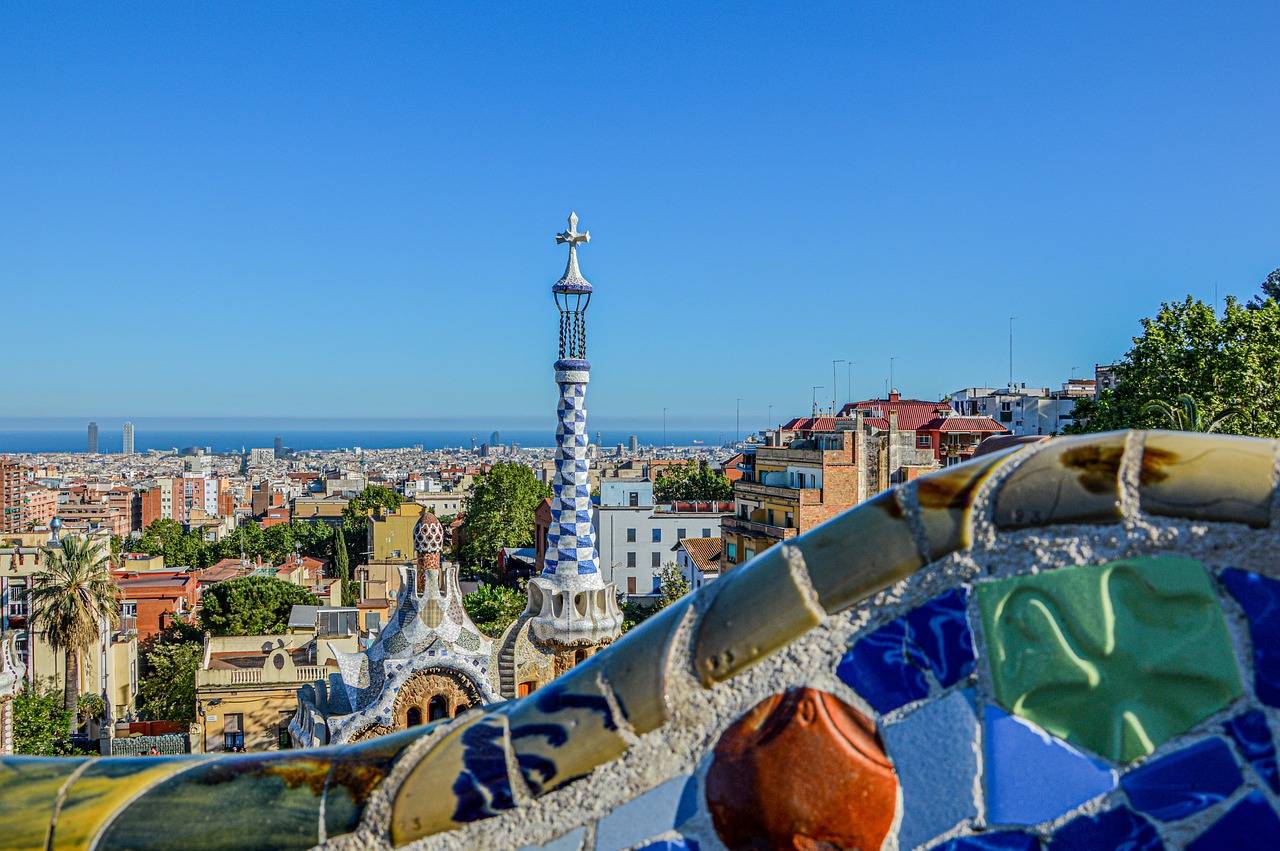
Europe has many famous buildings that tell stories of its past. In Barcelona, Antoni Gaudí made the Sagrada Familia and Park Güell. These show off his Modernisme style.
Vienna has beautiful baroque palaces and cathedrals. Rome and Paris have landmarks like the Colosseum and Notre-Dame Cathedral. These places show the beauty of Europe’s history.
Street Art Hotspots
Street art is big in Europe now. It adds to the culture of the cities. It’s a way to share messages, attract tourists, and bring people together.
Berlin, London, and Lisbon are known for their street art. The East Side Gallery in Berlin is a part of the Berlin Wall turned into a gallery. London’s Shoreditch has street art by famous artists like Banksy.
Street art festivals let artists show their work in public. These events show off the city’s culture and values. They bring tourists from all over to see something new.
Guided tours help connect tourists with the local culture. Street art also helps with health education and community projects. This is seen in Mural Arts Philadelphia’s work.
From Lisbon’s graffiti tours to Berlin’s murals, architecture and street art mix well. This mix shows Europe’s creative side in a deep way.
Local Cuisine and Dining Tips
Exploring European dining in art cities is a big deal. You’ll find everything from cozy Parisian bistros to real Italian trattorias. Each place offers a special taste journey.
Try dining at places that show off the city’s culture. For example, New York City’s Michelin-starred spots set high standards. Chicago’s James Beard Award winners mix American flavors with European touches.
But it’s not just about fancy restaurants. San Francisco’s food scene is as lively as its art. It’s a mix of local tastes and artistic vibes.
Tucson: This city is the first UNESCO City of Gastronomy in the U.S. It mixes food traditions with art.
Houston: Check out its award-winning food trucks for a creative twist on local foods.
Cleveland: The city’s food scene reflects its diverse people, adding to its cultural appeal.
In Europe, cities like Antwerp, Belgium, are just as inspiring. With a small population, it’s been a key place since the 16th century. It’s where creativity meets history in the food scene.
After the pandemic, cities saw new spots for digital nomads and cultural centers. Places like Laureles in Medellín, Smithfield in Dublin, and Carabanchel in Madrid now mix food with culture. It’s a great way to see these areas.
City
Highlights
Asheville
James Beard Award-winning Chai Pani
Louisville
Over 2,500 restaurants with several award-winning chefs
Greenville
Hundreds of locally owned restaurants, including Topsoil Kitchen & Market
Havnen, Copenhagen
Vibrant harbor area with various recreational activities
Dive into the unique food experiences these art cities offer. Enjoying each dish, from cozy bistros to busy markets, adds to your cultural trip. It’s a way to mix food and art into an amazing journey.
Art Cities Tips for a Stress-Free Visit
Visiting Europe’s art cities can be fun and enriching. But, you need to plan and be careful for a smooth trip. Here are some tips to make your trip enjoyable from the start.
Safety and Security
Stay alert in Europe’s busy places where pickpockets might be around. Keep your valuables safe and know your surroundings. Following these tips makes your trip safer and more enjoyable.
Language and Communication
It’s important to get past language barriers in art cities. English is common in the service sector, but knowing local phrases helps. Use apps for translation to connect better with locals and enjoy the culture more.
Health and Travel Insurance
Don’t forget about your health when traveling. Get good travel insurance for Europe. It covers medical issues and trip cancellations. Knowing where to find emergency services and pharmacies helps too. This way, you can enjoy Europe’s art and culture without worry.
Art Gallery Visit Benefits
Statistics
Feeling More Educated About Art
85% of visitors
Decreased Stress Levels
72% of frequent visitors
Higher Levels of Creativity
63% of gallery visitors
Deeper Appreciation for Historical Artworks
91% of gallery visitors
Conclusion
Traveling through European art cities is more than a vacation. It’s a deep dive into human creativity. With the 22 essential tips from this guide, you can easily explore these famous art cities. You’ll get to enjoy their cultural treasures and artistic history.
Remember, good planning and a sense of adventure are key. Know the best times to visit and get ready for the local culture. You’ll find famous art like Picasso’s Guernica and Munch’s The Scream. Plus, there’s vibrant street art and amazing buildings to see.
Your trip will be full of unforgettable moments and easy to manage. It’s not just about seeing art. It’s about feeling the emotions it brings, thinking differently, and being inspired. So, let art lead your way. Make memories in Europe’s most famous art cities.
FAQ
What is the best time to visit Europe’s art cities?
The best times to visit are spring and autumn. These seasons have nice weather and not too many tourists. You can see tulips in spring or art festivals in autumn.
What are some essential tips for planning my trip to European art cities?
Stay in the city center for easy access to museums and attractions. Book your hotel early to get good prices. Look into travel passes that save money on attractions and transport.
What city permits and passes should I consider for my visit?
Consider special passes for museums and galleries. The iAmsterdam city card and the London Pass save money and make visiting easier.
Which museums and galleries are must-visit in Europe’s art cities?
Don’t miss the Louvre in Paris and the Uffizi Gallery in Florence. For modern art, visit Tate Modern in London and MAXXI in Rome.
What are some notable art festivals and events to attend?
Go to Edinburgh’s summer arts festivals or Frieze London in autumn. These events have art, live shows, and interactive programs.
Where can I find the best architectural highlights and street art?
See Gaudi’s work in Barcelona or Vienna’s palaces. For street art, check out Berlin, Lisbon, and London for their vibrant murals.
Can you recommend local cuisine and dining experiences in art cities?
Enjoy Parisian bistros or Italian trattorias. Eating in historic areas or near art spots adds to the experience.
How can I ensure safety and security during my visit to Europe’s art cities?
Stay alert, especially in crowded places where pickpockets might be. Being careful and knowing local customs helps keep you safe.
How do I overcome language barriers while traveling in Europe?
Many locals speak English, but learning a few words helps. Use translation apps to make communicating easier.
Why is securing travel insurance important for my trip?
Travel insurance covers unexpected medical costs and trip cancellations. Know where to find emergency services and pharmacies too.