Winter in Europe is magical. It turns streets into snowy paths and fills the air with festive joy. These places are perfect for a cozy getaway away from the summer crowds.
Imagine sipping hot chocolate in a Belgian café or watching an opera outside in Vienna. Winter lets you see cities like Venice and Amsterdam in a peaceful way. You can enjoy quiet canals and beautiful light festivals.
Winter shows the true beauty of places like Prague and Budapest. It also lets you see the Northern Lights in Ilulissat and Rovaniemi. You can explore these places with fewer people around, enjoying the snow and local foods.
Key Takeaways
Experience unique European cozy getaways with snow-dusted cobblestones and charming Christmas markets.
Enjoy crowd-free winter travel with serene snowy paradises in lesser-known European cities.
Seize the opportunity for tranquil winter vacations with off-season prices, making travel more affordable.
Indulge in winter delights such as hot chocolate in Belgian cafés and classical concerts in Vienna.
Discover hidden European gems and experience authentic, peaceful winters away from the summer crowds.
Charming Central European Cities for Cozy Winter Escapes
Central Europe is perfect for those who love festive European escapes and culture. You can relax in historic baths or check out magical Christmas markets. These cities turn into winter wonderlands.
Budapest, Hungary: Thermal Baths and Historic Charm
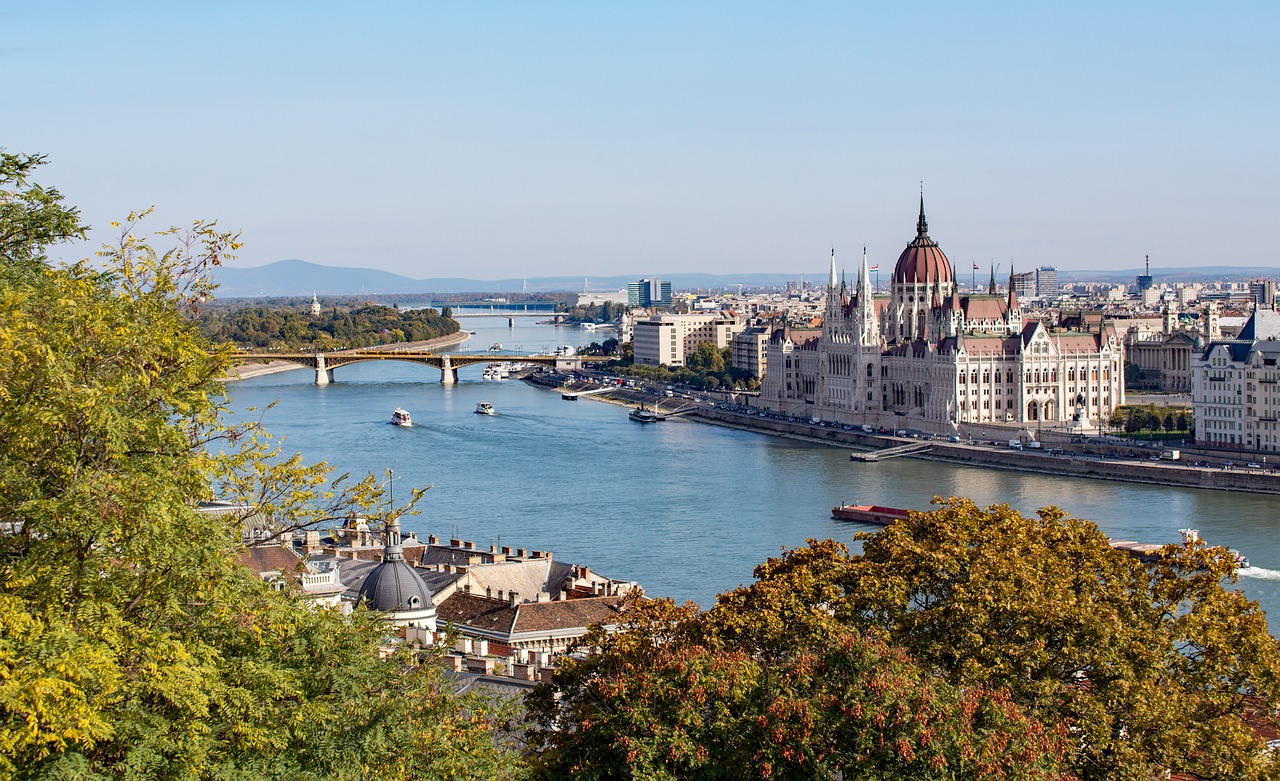
Budapest is a top pick for winter in Central Europe. It’s famous for its thermal baths. Imagine relaxing in the Széchenyi Baths with snow all around.
The city looks stunning with snow on the Danube and landmarks like the Hungarian Parliament. It’s a mix of history and warmth. Adventurers will love the historic sights and the friendly culture.
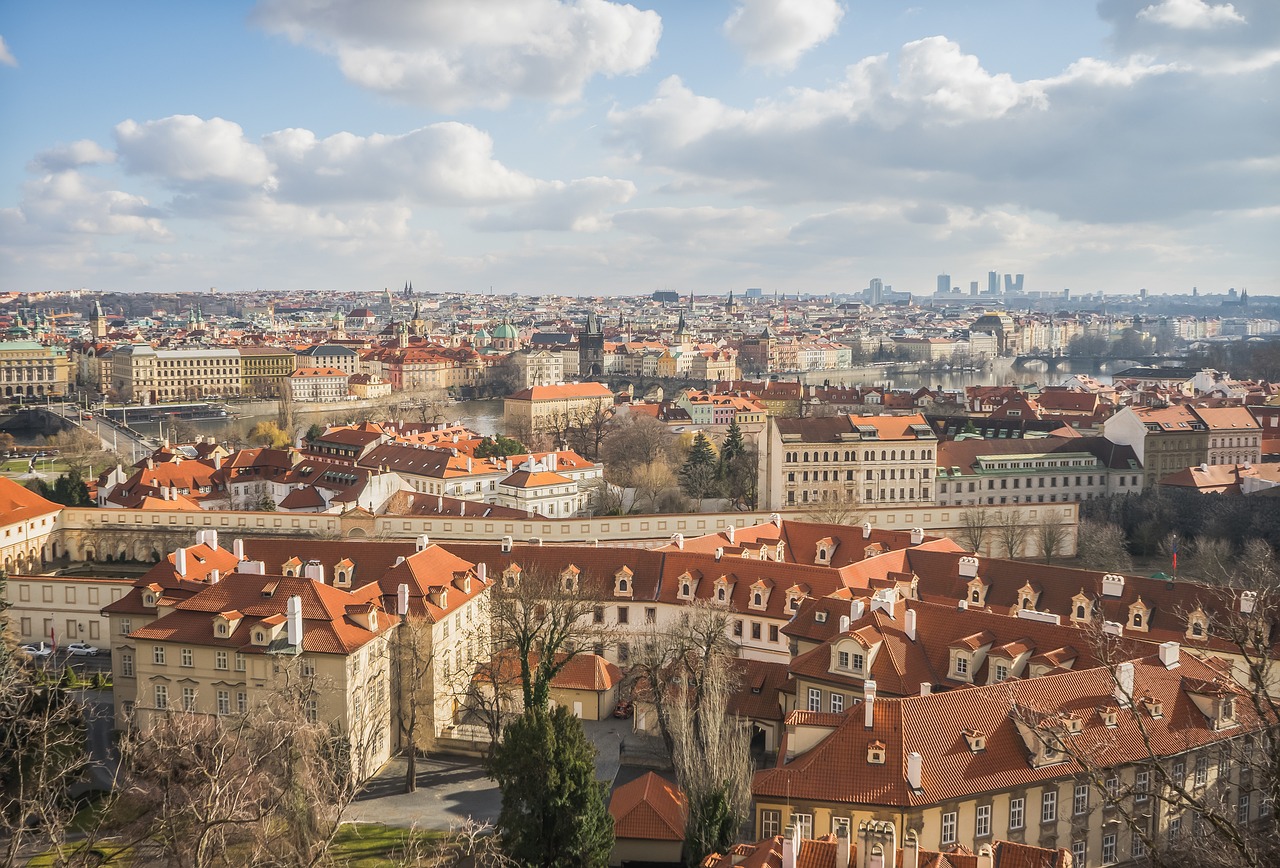
Prague is like a fairy tale in winter. It’s full of Christmas markets with smells of trdelník and hot wine. Snow makes the city even more beautiful, especially around famous spots like Prague Castle.
The spires and historic buildings make it a magical winter place. You’ll feel like you’re in a dream as you walk through the city. It’s a perfect spot for a festive European escape.
Budapest and Prague are great for a winter trip in Europe. They offer culture and joy, making them perfect for a winter getaway.
Scenic Nordic Adventures for Tranquil Retreats
Scandinavia in winter is magical. It’s perfect for those who love nature and adventure. The days are short in cities, and the nights are long in places like Tromsø. This makes the winter landscape look like a dream.
Rovaniemi, Finland: Winter Wonderland in Lapland
Rovaniemi is known as Santa Claus’s home. It turns into a winter wonderland every year. It’s great for families who love fun and adventure.
You can go on reindeer tours, husky sledding, and Northern Lights safaris. The weather is cold, around -10°C (14°F), in Kiruna, Sweden. This makes it perfect for winter activities.
Visit the enchanting Rovaniemi Santa Claus Village.
Enjoy thrilling Lapland winter safaris with reindeer and huskies.
Experience Arctic adventures like snowmobiling and ice fishing.
Ilulissat, Greenland: Icebergs and Northern Lights
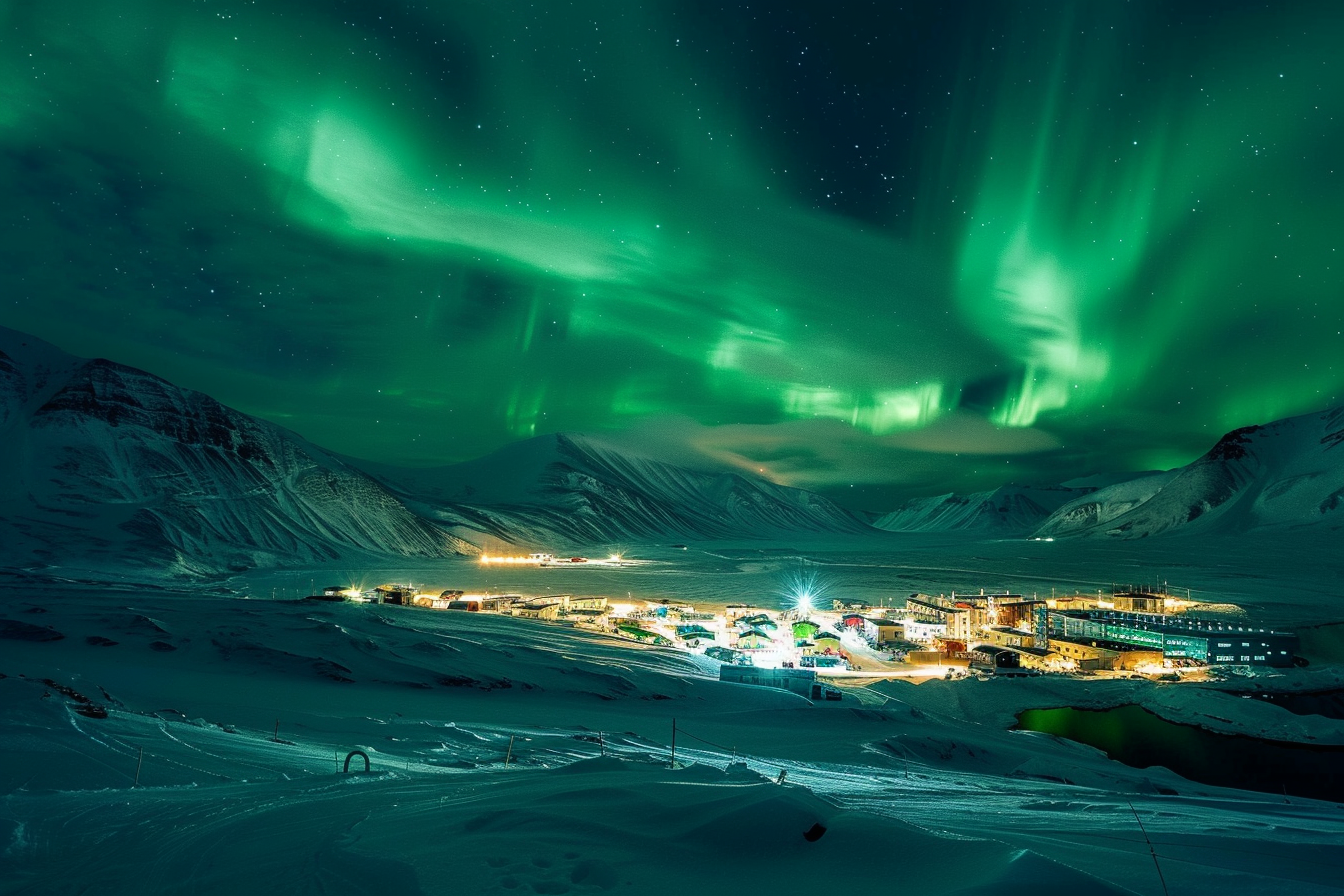
Ilulissat in Greenland is famous for its Ilulissat Icefjord. In winter, it’s quieter and cheaper for tourists. This makes your trip special.
Ilulissat Icefjord tours let you see amazing icebergs in Disko Bay. The northern lights in winter add magic to the view. It’s a sight you won’t forget.
Explore the UNESCO-listed Ilulissat Icefjord.
Enjoy serene winter landscapes in Disko Bay.
Witness the captivating Greenland northern lights.
Looking for adventure or peace? Rovaniemi and Ilulissat are perfect for a quiet retreat.
Winter Destinations in Europe for Peaceful Hideaways
Europe has many peaceful winter spots that mix history with stunning views. You can find the medieval beauty of Tallinn or the fun of Zagreb. These places offer a cozy and magical winter break.
Tallinn, Estonia: Medieval Charm and Baltic Sea Views
Tallinn, Estonia, is a treasure among old European cities. It’s a UNESCO site with a well-kept old town that feels like stepping back in time, especially with snow around. You can walk on cobblestone streets, see amazing views from Toompea Castle, and enjoy the calm Baltic Sea.
The city’s old feel gets even more magical in winter. As snow falls, Tallinn turns into a magical place. It’s ideal for those looking for a quiet winter spot.
Zagreb, Croatia: Festive Lights and Frozen Waterfalls
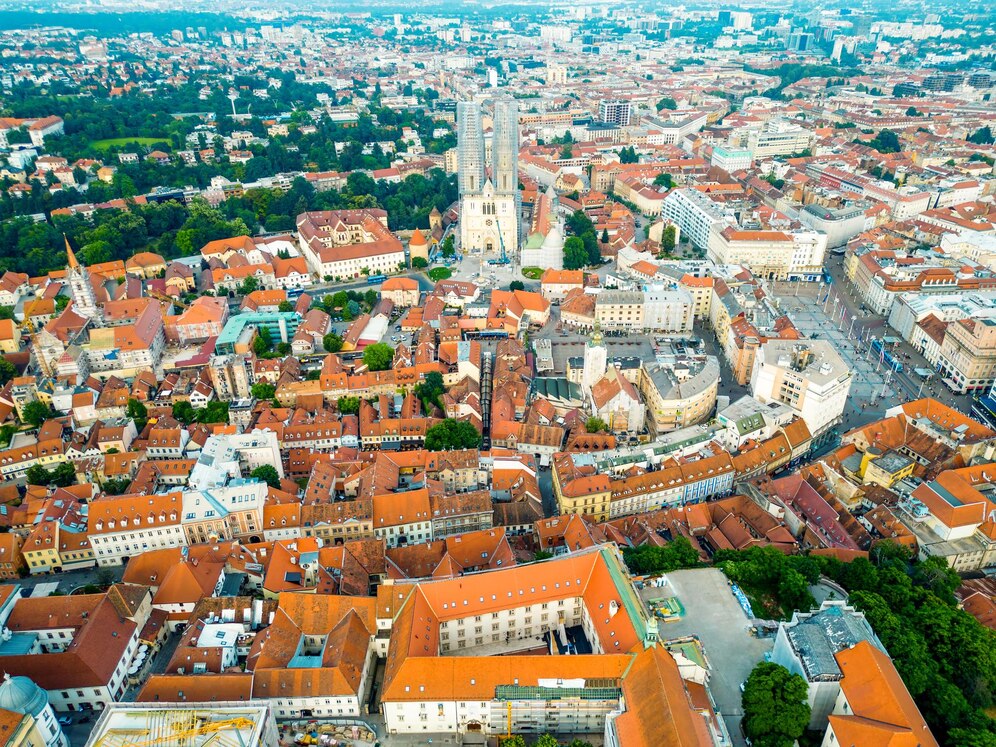
Zagreb, Croatia, shines brightly in winter with its festive vibe. The city’s center lights up with Christmas markets, ice skating, and more. The Advent festival is a big draw, filling the air with joy.
Just outside Zagreb, Plitvice Lakes National Park shows off frozen waterfalls. This adds to the magic. The mix of Zagreb’s lively markets and Plitvice’s calm makes it a great winter escape.
Location
Main Attraction
Winter Highlights
Tallinn, Estonia
Medieval Old Town
Snow-covered streets, Toompea Castle, Baltic Sea Views
Zagreb, Croatia
Advent Festival
Christmas markets, ice skating, frozen waterfalls at Plitvice Lakes
Mild Mediterranean Getaways for a Cozy Winter
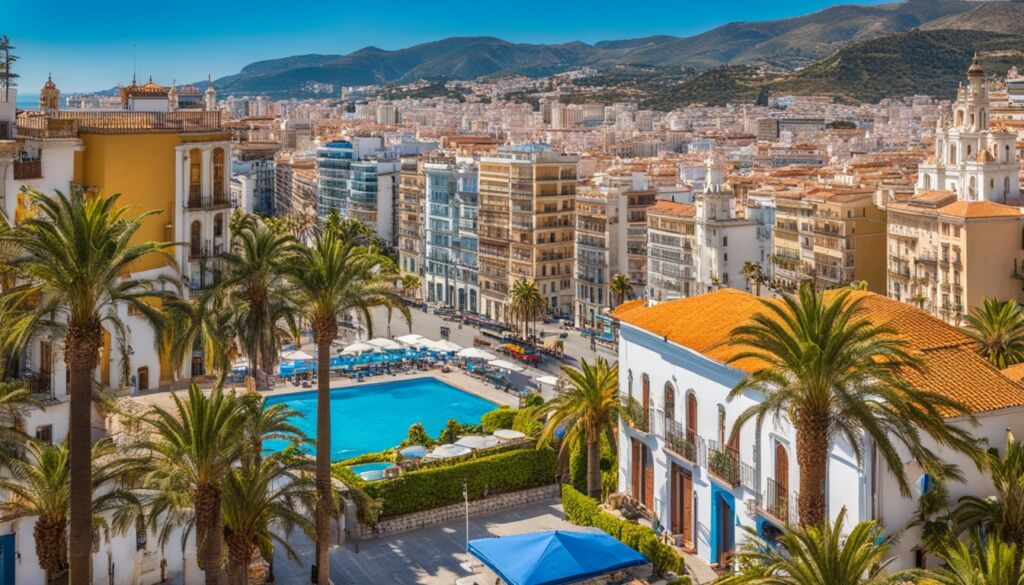
Looking for a warm winter getaway? Andalucía in Spain is perfect. It has a mild winter and lots of historic sites. You’ll find warmth and culture here.
Andalucía, Spain: Mild Temperatures and Historic Sites
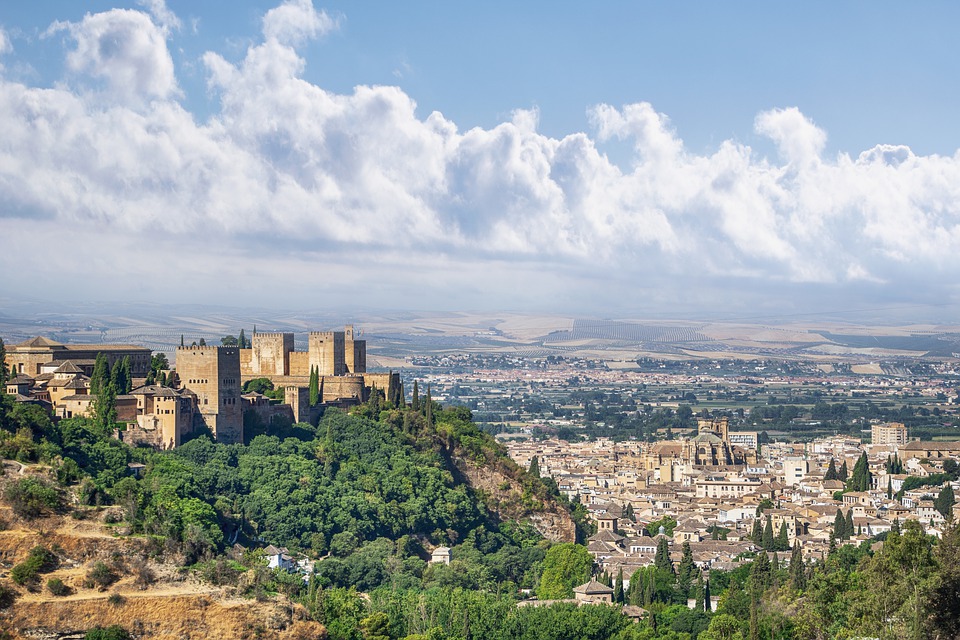
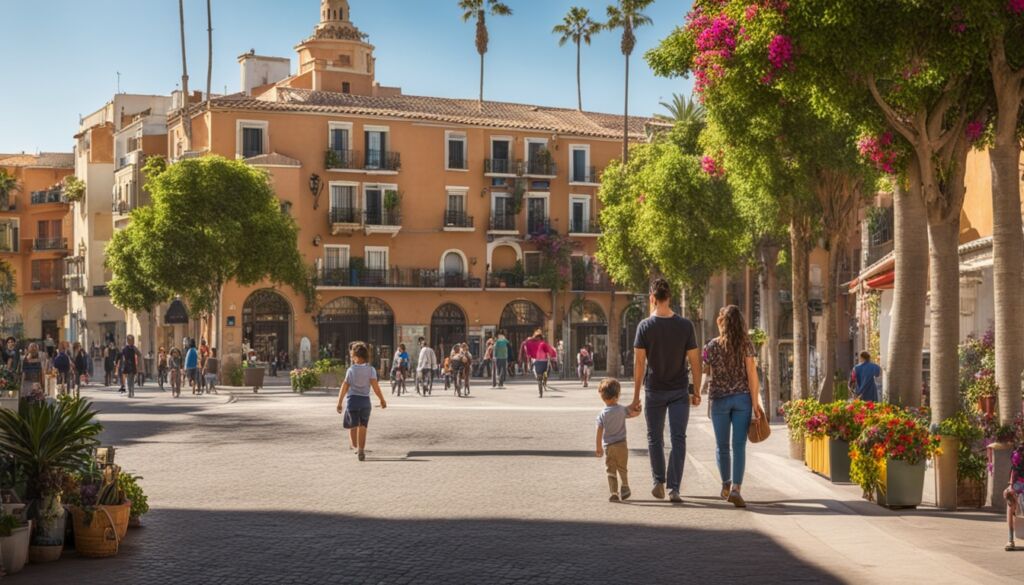
When you visit Andalucía in winter, you’ll enjoy mild weather. This lets you see the area’s beautiful buildings. Don’t miss the Granada Alhambra and the Seville cathedral. They are amazing.
Andalucía is more than just history. You can enjoy the Mediterranean sun and try local food. There’s lots to do, like eating tapas and enjoying the nightlife. It’s quiet and peaceful, perfect for a winter break.
Conclusion
Winter in Europe is magical. It has cultural experiences, quiet places, and history. You can visit Budapest’s baths and markets or Rovaniemi’s winter wonderland in Lapland. Each place shows Europe’s winter beauty.
There are snow cities in Central Europe and quiet spots in the Nordic areas. Places like Tallinn and Zagreb offer a special look at Europe’s winter secrets. They are great for a cozy winter break.
Andalucía has a mild climate, making it a warm escape in winter. The Balearic Islands and Malta are warm, with temperatures between 10-17 degrees Celsius. Europe has many winter spots for different tastes, from cultural sites to sunny beaches.
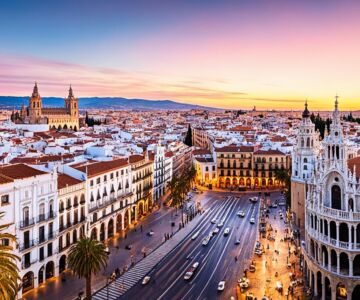
FAQ
What are some lesser-known winter destinations in Europe for a cozy getaway?
For a cozy getaway, check out Budapest, Hungary, and Prague, Czech Republic. Rovaniemi, Finland, and Ilulissat, Greenland, are also great. Don’t forget Tallinn, Estonia, Zagreb, Croatia, and Andalucía, Spain. These places have snowy beauty, Christmas markets, and are less crowded.
Why is Budapest, Hungary a great winter escape?
Budapest is famous for its thermal baths like Széchenyi Baths. They offer warmth and relaxation. The city’s beautiful buildings, like the Hungarian Parliament, look amazing with snow.
What makes Prague, Czech Republic enchanting in winter?
Prague is magical with snow on its towers and bridges. You can enjoy Christmas markets, try trdelník, and drink mulled wine. It’s full of festive charm.
What can I experience in Rovaniemi, Finland during the winter?
Rovaniemi is in Finnish Lapland and is known as Santa Claus’s hometown. You can see reindeer, go husky sledding, and see the Northern Lights. It’s a magical place.
Why should I visit Ilulissat, Greenland during winter?
Ilulissat, Greenland, is great in winter for its Ilulissat Icefjord and Disko Bay icebergs. It’s quiet and beautiful, with fewer people than in summer.
What makes Tallinn, Estonia a peaceful hideaway in winter?
Tallinn has a medieval old town and stunning views from Toompea Castle, all covered in snow. It’s a peaceful place with lots of culture.
How does Zagreb, Croatia celebrate the winter season?
Zagreb celebrates winter with the Advent in Zagreb festival. There are lights, markets, and ice skating. Plus, Plitvice Lakes National Park has frozen waterfalls to see.
What can visitors expect in Andalucía, Spain during winter?
Andalucía, Spain, is warm and sunny in winter. You can visit famous places like Granada’s Alhambra and Seville’s cathedral without the crowds. It’s a great time to explore.
What makes winter travel in Europe unique?
Winter in Europe is special. You can visit cozy cities, enjoy peaceful nature, or explore warm places with history. Each place has its own winter magic, offering unforgettable experiences.
Tourists go to many places in North America looking for new things, history, and fun. But, not every popular spot is worth it. “Tourist trap” means a place that tries to trick visitors with false promises, leaving them unhappy.
Some places are just not good and charge too much. It’s key to know these spots to save time and find better places. This article will show you some of the worst tourist traps in North America. It will help you avoid scams and find places that are really worth it.
Key Takeaways
Plymouth Rock underwhelms 85% of local visitors due to its small size.
91% express dissatisfaction with Times Square on New Year’s Eve, citing crowds and cold weather.
The Hollywood Walk of Fame disappoints 72% of tourists due to dirt-covered stars.
58% of visitors criticize the Mall of America for being similar to regular malls.
79% find viewing the Liberty Bell up close not worth the wait.
What Makes a Tourist Trap?
A definition tourist trap is about not being real and focusing too much on bringing in lots of people. It often has high prices, with 82% saying they spent more than $50. Sadly, 22% spent over $200 on a mediocre tourist experience.
Many Americans, 89%, have visited these places in the last two years. A big reason, 33.67%, was because friends or family wanted to go. Another reason, 19.29%, was because of good reviews and social media.
Here’s why tourist traps are so common:
Above-average pricing (30%)
Amenities tailored for tourists (28%)
Lack of cultural authenticity (27%)
Visiting these places can be a letdown. 70% said it made their trip less fun. And 45.37% said it made their travels worse.
Reason for Visiting
Percentage
Family/friends wanted to go
33.67%
Highly recommended in guides/reviews/on social media
19.29%
Curiosity or personal interest
18.17%
Considered a landmark or symbol of the destination
14.16%
Part of a tour package or itinerary
13.82%
Many travelers now prefer to skip these places because of their high prices and mediocre tourist experiences. They look for real advice on Reddit or other forums. In fact, 11.82% suggest talking to a travel advisor to avoid these issues. And 9.36% warn to be careful of social media that makes some places seem better than they are.
South of the Border, South Carolina
South of the Border is a big place in Hamer, South Carolina. It has lots of things to see like a mini golf course, a truck stop, and a motel. There are also shops, restaurants, rides, and a tall tower with a hat on top.
This place started as a small beer stand in 1949. Now, it’s easy to find at the crossroads of I-95 and US 301/501.
Overview
Once, it had about 700 jobs, making it a big employer in Dillon County. Now, it still gives work to around 300 people. The place is known for its Pedro mascot, a fun character with a hat and big mustache.
But, some people think the theme is not respectful. Over time, the signs have gotten less bold. Yet, many visitors feel it’s not as fun as they thought it would be.
Visitor Reviews
People have mixed feelings about South of the Border. Some find it both interesting and a bit odd. A review on Trip Advisor called it “creepy and scary.”
On Reddit, people talk about possible shady dealings there. Social media like TikTok has brought up more wild stories. It’s even been in TV shows and movies, showing its unique side.
Many visitors feel it didn’t live up to their expectations. They were looking for something fun but found it just not that special. So, it’s often talked about as a place to avoid.
Original Starbucks, Seattle
The Original Starbucks is at 1912 Pike Place in Seattle’s Downtown. It’s known as Starbucks #1 and is a big part of coffee history. But, many people find it not as special as they thought, since the drinks are the same as in any other Starbucks.
Overview
The first Starbucks opened in 1971 and became a key part of Seattle’s coffee scene. The original spot at 2000 Western Ave. is gone now. The oldest Starbucks is now at Pike Place, since 1976. This fact often makes tourists excited to visit, hoping for something special.
The Original Starbucks looks the same as newer ones, keeping its old charm and design. You can see Howard Schultz stacking beans. But, the place is always packed, with long lines on sunny days.
Visitor Reviews
Visitors have mixed feelings. Some love the nostalgia and fame of the place. But, many say it’s not as special as expected. They’re upset about the lack of seats and restrooms due to its popularity.
Many say the coffee tastes the same as anywhere else. With over 35,000 Starbucks worldwide, the experience is pretty uniform. This leads to high hopes that aren’t always met, leaving visitors a bit let down.
Here’s a quick glance comparison with other popular Seattle activities:
Attraction
Cost
Experience
Original Starbucks
Free (Coffee Costs Extra)
Iconic, but Crowded
Seattle Great Wheel
$11-$16
Scenic Views
Seattle Aquarium
Expensive
Informative and Fun
Alki Beach
Free
2.5 Miles of Beach Walk
Discovery Park
Free
10 Miles of Trails
While the Original Starbucks is a big deal in coffee history, it’s good to know it’s just like any other Starbucks. It has a charming, nostalgic feel, but it’s not a unique experience.
Plymouth Rock, Massachusetts
Going to Plymouth Rock can be a mix of feelings for those who love history and those just curious. The idea that this small rock shows where the Pilgrims landed has stuck since 1741. But, many think this story is more myth than truth. So, many visitors feel let down when they see it’s not as big of a deal as they thought.
Overview
The story of Plymouth Rock started in 1741, 121 years after the Pilgrims arrived. By 1774, it became a symbol of America’s start and freedom during the American Revolution. But, it’s seen as one of the most misunderstood historical spots.
People kept taking pieces of the rock as souvenirs, making it much smaller. Now, it’s half its original size. Visitors often feel surprised and a bit let down by its small size. The rock looks simple, not as big and important as history made it out to be.
Visitor Reviews
Aspect
Rating
Comments
Historical Value
★★★☆☆
Many like its cultural importance but say the myths about the Pilgrims lessen its impact.
Visitor Experience
★★☆☆☆
Visitors often feel the rock is too small and plain, leading to disappointment.
Overall Impression
★★☆☆☆
It’s often seen as not as exciting as expected, with visitors looking for something bigger to mark such a key moment.
For a deeper dive into Pilgrim history, the Plimoth Patuxet Museums are a better choice. They offer a recreated village, the Mayflower II ship, and a working gristmill. These places help visitors understand the Pilgrims’ journey and settlement better, beyond what Plymouth Rock shows.
Four Corners Monument, USA
The Four Corners Monument lets you stand in four states at once: Arizona, Colorado, New Mexico, and Utah. This idea is interesting and attracts many visitors. But, many people feel it’s not worth the trip.
They don’t like the empty place and waiting a lot to take a photo. The entrance fee went up to $8 per person in June 2022. This makes people unhappy.
Visitors can only take three photos at the marker during busy times. They suggest visiting for just 20 minutes. Some say the spot isn’t even in the right place, adding to the criticism.
Details
Information
Location
Arizona, Colorado, New Mexico, Utah
Entry Fee
$8 per person (as of June 2022)
Seasonal Hours
Apr 1 to Sep 30: 8 a.m. to 5:45 p.m.; Oct 1 to Mar 31: 8 a.m. to 4:45 p.m.
Holiday Closures
Thanksgiving Day, Navajo Nation Family Day, Christmas Day, New Years
Contact Number
(928) 206-2540
Payment Methods
Credit cards only at the gate
There are long lines at the gate, filled with local vendors. They sell arts and crafts, adding some culture. But, it feels more like a commercial spot.
Cash is best to use because credit card machines often don’t work. There are no ATMs nearby.
The monument opened in 1992 but gets a lot of criticism. People wonder if it’s really worth visiting. Many think it’s one of the overrated destinations USA.
Times Square, New York City
Times Square is seen as the lively center of New York City. But for many, it turns into a crowded spot. People say it’s too full and not worth the visit.
It gets around 50 million visitors a year. This makes it one of the busiest places in New York.
Overview
Times Square is the most visited spot in the world. Yet, it’s also seen as the most overrated tourist trap. Costumed characters and artists ask for a lot of money from tourists.
Broadway ticket scalpers also trick tourists into buying fake or expensive tickets. The chain restaurants there are known for their high prices. This makes many visitors unhappy with their experience in Times Square.
Visitor Reviews
Many people feel let down after visiting Times Square. They say it’s too crowded and hard to enjoy. The area is seen as dirty and too commercial.
A study looked at reviews of 81 famous places around the world. It found many negative comments about Times Square. People called it an “underwhelming” experience and a “tourist trap”.
The area has seen a drop in its popularity because of a retail slump and more street crime. The pandemic made things worse. Now, it’s known for being crowded and full of ads.
This has left many visitors feeling disappointed. Their visit didn’t live up to their dreams of New York.
Aspect
Feedback
Rating
Costumed Characters
Pressure to tip or purchase photos
Negative
Caricature Artists
High prices, often seen as scams
Negative
Food and Dining
Overpriced chain restaurants
Negative
Crowd Levels
Extreme congestion, difficult navigation
Negative
Broadway Tickets
Frequent ticket scams and high prices
Negative
Bourbon Street, New Orleans
Bourbon Street nightlife is famous for its lively vibe and endless energy. But, the real story behind the glamour might disappoint those expecting a great time.
Overview
Bourbon Street stretches from Canal Street to Esplanade Avenue. It’s known for New Orleans’s wild party scene. But, locals often skip it. The French Quarter is full of shops selling the same souvenirs, adding to New Orleans tourist disappointments.
Before Mardi Gras Day, there are many family-friendly parades. Police are out in full force, and the rules can be hard to follow. This can turn what should be fun into a bad experience on Bourbon Street nightlife.
Visitor Reviews
Every year, 42.6 million people visit Bourbon Street. But, opinions are mixed. Visitors don’t like the over-commercial feel, the high drink prices, or the street scams.
Some like the artistic spots near Jackson Square and the unique voodoo shops. But, for those wanting a real local experience, Bourbon Street reality often doesn’t deliver. It’s too focused on tourists and partying.
Mount Rushmore, South Dakota
Mount Rushmore is a symbol of American heritage. It draws about three million visitors yearly to see the rock sculpture of four presidents. But, what people expect might not match what they find. The site gets very crowded, especially in peak months.
Visiting in May, September, or October can be less crowded. This makes it a better time to see it.
The $10 parking fee per vehicle is worth it to see the giant faces of George Washington, Abraham Lincoln, Thomas Jefferson, and Theodore Roosevelt. Each face is 60 feet tall. Yet, some say the site doesn’t have much to do, except look at the monument. They suggest enjoying it from afar to avoid the crowds.
The Crazy Horse Memorial is another great place to visit. It’s still being built and has deep cultural meaning. Visitors also like Wall Drug, which gets over two million visitors a year, and the Corn Palace, with 500,000 visitors.
For nature lovers, Badlands National Park and Wind Cave National Park are perfect. They offer hiking and cave tours starting at $14.00 per person.
You can easily get to Mount Rushmore from the Rapid City Regional Airport, just 35 miles away. But, many say visiting places like Deadwood or the Mammoth Site in Hot Springs is better. Mount Rushmore is a key part of American history, loved and debated by many.
Attraction
Annual Visitors
Key Highlights
Mount Rushmore
3,000,000
Four Presidential Faces Sculpted
Crazy Horse Memorial
1,000,000 (estimated)
Ongoing Construction, Cultural Significance
Wall Drug
2,000,000
Shopping, Dining, Art Gallery
Corn Palace
500,000
Annual Corn Mural
Wind Cave National Park
656,000
Cave Tours, Wildlife
Conclusion
We’ve looked at some of North America’s worst tourist traps in this article. It shows how important it is for travelers to make smart choices. Places like the Las Vegas Strip and the Pyramids of Giza often take advantage of tourists.
By doing research, getting advice from locals, and avoiding busy times, you can avoid these traps. This way, you can have more real experiences while traveling.
Niagara Falls, Santorini, and Jemaa el-Fnaa in Marrakesh may look great at first. But soon, you’ll find the crowds and high prices can ruin your fun. Places like the Grand Bazaar in Istanbul and Gatlinburg, Tennessee, also aim to take all your money.
But you can beat this by bargaining, using public transport, and booking your stay early. This makes your trip cheaper and more fun.
The key to a great vacation is finding out what a place is really like. You can do this by researching well, being open to new things, and planning your money carefully. By doing these things, you can have a trip that’s full of real experiences and avoid the tourist traps.
FAQ
What is a tourist trap?
A tourist trap is a place that mainly aims to attract tourists. It uses misleading ads or overhyped promotions. These spots usually offer low-quality services and products at high prices. They give you a bad experience instead of real culture or history.
Why should I avoid tourist traps?
Tourist traps charge too much for not-so-great experiences. They care more about making money than showing you real local culture or history. Avoiding them saves you money and helps you find better, more real travel experiences.
Are there specific tourist traps to avoid in North America?
Yes, some top tourist traps in North America include South of the Border in South Carolina, the Original Starbucks in Seattle, Plymouth Rock in Massachusetts, the Four Corners Monument, Times Square in New York City, Bourbon Street in New Orleans, and Mount Rushmore in South Dakota.
What makes South of the Border a tourist trap?
South of the Border in South Carolina is known for its overhyped Mexican theme. It’s basically just a rest area with cheap souvenirs. Many visitors find it a letdown and not worth stopping for.
Is the Original Starbucks in Seattle worth visiting?
The Original Starbucks is famous, but it’s often seen as a bit of a letdown. The experience is much like any other Starbucks. The long lines and hype make for a disappointing visit for many tourists.
Why is Plymouth Rock considered a disappointing landmark?
Plymouth Rock is seen as a letdown because it’s not as historically important as thought. It’s just a small rock with a date on it. The Pilgrims likely didn’t even land there, leaving visitors feeling underwhelmed.
What are common critiques of the Four Corners Monument?
The Four Corners Monument gets a lot of criticism for its long waits, high fees, and simple setup. The excitement of being in four states at once fades fast, leaving visitors wondering why they bothered.
Why do locals avoid Times Square in New York City?
Locals skip Times Square because it’s too crowded and expensive. It’s seen as a place full of overpriced shops and shows, lacking real cultural value. Tourists often feel let down by its fake, commercial vibe.
What are some disappointing aspects of Bourbon Street in New Orleans?
Bourbon Street can be a disappointment for those looking for real New Orleans culture. The noise and too much to do can be too much. It’s often not as lively or fun as its famous reputation suggests.
What are some critiques regarding Mount Rushmore?
Some say Mount Rushmore is too crowded and lacks fun activities. Others think it’s a bad idea to change the natural landscape. It’s better to see from afar to avoid the crowds.
How can I avoid tourist traps on my travels?
To dodge tourist traps, do your homework on where you’re going. Ask locals for tips and choose places that truly show you the culture or history. Skip the places everyone talks about and find something more real.
Some islands look calm but have serious dangers hiding under their lovely scenes. They carry threats like toxic things, dangerous animals, and severe weather. They are often off-limits to keep people safe from harm. Things like venomous wildlife, illnesses, and even unfriendly people mean you should be very careful when visiting.
Learn about restricted islands that are very risky and why they are so notorious. They offer dangers that make them some of the deadliest places on the planet.
Key Takeaways
Whakaari (White Island) in New Zealand experienced a tragic volcanic eruption in 2019 resulting in numerous casualties.
Komodo Island in Indonesia is home to aggressive Komodo dragons, necessitating strict safety guidelines for visitors.
Gruinard Island in Scotland was contaminated with anthrax spores from World War II biological warfare experiments.
Ilha da Queimada (Snake Island) in Brazil harbors thousands of deadly golden lancehead vipers.
Baffin Island in Canada poses risks due to extreme winter temperatures and hazardous wildlife.
North Sentinel Island in India is off-limits due to the hostile Sentinelese tribe and their violent defense of isolation.
The Farallon Islands in the U.S. have restricted access due to historical radioactive waste dumping.
Whakaari (White Island), New Zealand
Whakaari is an active stratovolcano in New Zealand’s Bay of Plenty. It’s famous for its deadly volcanic eruptions. Despite its dangers, it’s a top spot for thrill seekers. But, the eruption on December 9, 2019, changed everything.
Active Volcanoes and Explosive Eruptions
The 2019 eruption killed 22 people. Two bodies were never found. Among the visitors were people from many countries. The blast also injured 25, including Annie Lu. She had to get skin grafts for burns on 38% of her body.
Whakaari has erupted significantly before. For example, in 1971, an ash cloud 6,000 feet high covered the sky. In December 1977, the island saw over 50 earthquakes a day. This history shows its ongoing volatile nature.
Safety Measures for Visitors
After the 2019 eruption, visiting Whakaari was banned. Now, people can only see it from afar. Those responsible are facing legal actions for safety breaches. The Health and Safety at Work Act 2015 set the rules they broke.
Even though experiencing the volcano up close is not allowed, there are safe ways to see it. The town of Whakatāne offers places to view the volcano. But visitors need to stay far because nobody knows when it might erupt again.
Komodo Island, Indonesia
Komodo Island is a well-known spot at 8°33′S 119°27′E in Indonesia. It’s famous for its Komodo dragons, the biggest lizards on Earth. These dragons bring people from all over the world to see them.
Encounters with Komodo Dragons
These dragons live only on Komodo Island and three others. The world learned about them in 1910. Now, there are about 4,600 of these creatures. While seeing them is cool, they can be dangerous. The Komodo’s saliva has bacteria that can kill. About a few people get attacked each year, so it’s smart to be careful.
Visitor Guidelines and Safety Tips
Because of the dragons, there are rules to keep people safe. You must go on a tour with a guide. They make sure you learn and stay safe. They say to keep away from the dragons. This is to prevent attacks. Here are some safety tips to follow:
Always stay with your guide and group.
Maintain a safe distance from the dragons.
Avoid sudden movements and loud noises which may provoke these giants.
Refrain from carrying food, as its scent may attract the dragons.
Even with all these tips, there has been some danger. So, following all the rules is very important.
But, it’s not just the dragons that make Komodo Island special. It has a rare pink sand beach. This makes the place even more unique. The island was to close in 2020 to protect its dragons and fight animal smuggling. But, it’s still open, with more safety rules.
Gruinard Island, Scotland
Gruinard Island is a small place with a big story. It was contaminated with anthrax in the past. It’s located off the northwest coast of Scotland. This island is about 2 kilometers long and 1 kilometer wide. It measures in at 196 hectares. The highest point, An Eilid, stands at 106 meters. Despite having no residents, its story with biological warfare is well-known.
Anthrax History and Contamination
In 1942, a British military team conducted a scary experiment on Gruinard Island. They wanted to see how dangerous anthrax could be, so 80 sheep were given the disease. All the sheep died quickly. This event showed how deadly anthrax could be. Sadly, it made the island very dangerous too.
The island was off-limits for 48 years due to the anthrax outbreak. The spores of anthrax were very hardy and could survive for a long time. This danger made Gruinard Island one of the most unsafe places in the world.
Efforts and Challenges in Decontamination
Starting in 1986, scientists tried to make the island safe again. They sprayed 280 tonnes of a special solution mixed with seawater on the whole island. This huge effort took four years. In 1987, sheep were placed on the island to see if it was safe. It was good news. They stayed healthy.
Yet, many people still don’t want to go to Gruinard Island because of its past. But in 1990, the Ministry of Defence said it was safe to visit. It was bought back by the family who owned it before for £500. Even so, people are careful when thinking about visiting it.
In 2022, a big fire hit Gruinard, burning about 200 hectares. Even then, the island’s stories live on in books and TV shows like Hawaii Five-O and Doctor Who. Gruinard Island shows us the serious and lasting effects of biological warfare. It also tells us about the hard work needed to make a contaminated place safe again.
Ilha da Queimada (Snake Island), Brazil
Ilha da Queimada Grande is known as Snake Island. It is off the coast of São Paulo, Brazil. This island is 430,000 m² big and has a lot of golden lancehead vipers, a dangerous and rare snake.
Golden Lancehead Vipers: A Deadly Inhabitant
There are around 2,000 to 4,000 golden lancehead vipers here. They are very dangerous because of their strong venom. These snakes are now different because of the sea rising 11,000 years ago. Their venom got very toxic, which helps them catch their prey.
Although there was a study saying over 430,000 snakes live here, later studies showed a much smaller number. But in some places, you can find a snake for every square meter.
Government Restrictions and Safety Concerns
The government has said people can’t go to this island. It’s because the snakes can hurt people with their venom. The island is very far, 33 km, from São Paulo. It is 206 m above the sea and has no people living there. There is only nature, some rainforest, and a lot of rocks.
The golden lancehead viper is very special because of its venom. It could help in making medicines for heart and blood issues. But, it’s important to keep this island protected to save the snakes and keep people safe.
Baffin Island, Canada
Baffin Island is a huge and wild place in Canada. It’s so cold that it’s perfect for people who love adventures. The tough weather brings challenges and great prizes for those who visit.
Harsh Climatic Conditions
This island has some of the world’s hardest weather. It can get as cold as -30 degrees. Baffin Island has cold parts that are important for the whole world’s climate.
People have caused the Earth to get warmer. Because of that, places like Baffin Island are melting fast. This rapid melting is serious for the Earth’s future.
Wildlife Encounters: Polar Bears and Wolves
Seeing wildlife like polar bears is thrilling on Baffin Island. But remember, polar bears are big and strong. It’s important to have a guide with you to stay safe.
There are also Arctic wolves on the island. They bring more excitement and a bit of danger. Always be careful when you’re near these wild animals.
Navigational Challenges and Adventure Opportunities
Traveling on Baffin Island is not easy. The land is hard to move through and the water is rough. But it offers exciting activities like snowmobiling or climbing big mountains.
Visitors might face unexpected changes to their plans because of the weather. This could mean staying in a hotel for a few days. But, this also offers a unique chance to learn about the Inuit culture in the area.
You can try dog-sledding or kayaking to see the island’s beauty. The way the world is changing because of the climate is clear here. Every visit is special and can teach you a lot.
North Sentinel Island, Andaman Islands, India
North Sentinel Island is in the Bay of Bengal. It’s part of the Andaman and Nicobar Islands. This mysterious island is about 59.67 km² and has a 31.6 km coastline. It’s the home of the Sentinelese people, one of the world’s most isolated tribes.
The Sentinelese have lived here for about 55,000 years without outside contact. They are known for their hostility towards outsiders. There have been violent incidents with people who tried to get close.
The Sentinelese Tribe: Isolation and Hostility
There are between 39 and 400 Sentinelese individuals. They live with no contact with the outside world. They are an uncontacted tribe known for their aggressive resistance to outsiders.
In 2006, two fishermen died there. In 2018, American John Allen Chau also died. Their deaths show how dangerous it is to approach this tribe.
In 1991, the Sentinelese accepted gifts. They even approached officials without weapons. This was a brief chance for friendly interaction. But, officials stopped gifting in 1996, worried it might harm the tribe’s health and peace.
Legal Restrictions and Safety Warnings
North Sentinel Island is strictly protected. The Andaman and Nicobar Islands Protection of Aboriginal Tribes Regulation of 1956 stops anyone from getting within 5 nautical miles (9.3 km) of the island. This is to keep the Sentinelese safe from outside diseases.
Despite talks of allowing tourism in 2018, all attempts to open the island have failed. The Indian government keeps a close watch around the island. The combination of legal bans and the tribe’s hostile stance make it very dangerous and off-limits to outsiders.
Farallon Islands, U.S.
The Farallon Islands are 30 miles from the Golden Gate Bridge in California. They sit at 37°43′30″N 123°01′49″W. These islands mix beautiful wilderness with a dark past.
Historical Dumping of Radioactive Waste
For years, the Farallon Islands were a dumping ground for nuclear waste. Between 1946 and 1970, 47,500 containers of waste got dumped. The water near the islands had 14,500 Ci of radioactivity from this waste. The USS Independence also sunk near here, adding to the problem.
Even though the dumping happened a long time ago, its effects are still felt. The islands are off-limits to the public because of the danger of radioactivity and to protect the wildlife. There are ongoing efforts to clean up and make things better.
Marine Life and Restricted Access
Today, the Farallons are a biodiversity hotspot. They are a sanctuary for marine life and birds. The area was protected in 1909 and given the wilderness status in 1974.
The islands are a home to many birds, including a lot of gulls and Ashy storm-petrels. They also have a rich sea life, from rockfish to seals and sea lions.
Because the Farallons are a marine sanctuary, they are off-limits to the public. Only scientists from certain groups can go there. This rule helps keep the ecosystem healthy and untouched.
Statistic
Detail
Coordinates
37°43′30″N 123°01′49″W
National Wildlife Refuge Area
41.9 acres (17.0 ha)
Historic Place Area
211 acres (85.4 ha)
Farallon Wilderness Area
141 acres (57 ha)
Number of Nuclear Waste Containers
47,500
Estimated Radioactive Activity
14,500 Ci
USS Independence Scuttled
1951
Largest Seabird Nesting Colony South of Alaska
Yes
Public Access
No public access
The story of the Farallon Islands warns us about our impact on nature. It’s a mix of history and natural beauty. Even though we can’t visit, it’s an important place for scientists and people who care about the planet.
Conclusion
The most dangerous islands in the world draw in thrill-seekers. They offer unique adventures, from venomous snakes to wild currents. But, visiting these places is very risky because of the dangers there.
Places like Snake Island and Ramree Island have scary stories about their creatures. Others, like North Sentinel Island, are about respecting nature and its rules. It’s key to know about the land and its living things to stay safe and protect them.
When you visit these exciting places, remember to be careful and show respect. Enjoy the beauty, but always think about safety and the environment. This way, we can keep exploring amazing islands without harm.
FAQ
What makes Whakaari (White Island) in New Zealand dangerous?
Whakaari can erupt with little warning, causing deadly explosions. The eruption in 2019 sadly killed 22 people and hurt many more. Because of this, the government restricts visiting the island closely.
Are visitors allowed to go to Whakaari (White Island) now?
No, it’s not safe to visit Whakaari because of its volcanic activity. But, you can see the island from a distance by taking a boat or plane tour, or from lookouts in Whakatāne.
Why is Komodo Island in Indonesia considered perilous?
Komodo Island is the home of Komodo dragons, large and venomous. To keep visitors safe, guided tours are a must. This measure helps prevent any dangerous encounters.
What precautions should tourists take when visiting Komodo Island?
When visiting Komodo Island, stay safe by obeying important rules. Always keep your distance from the dragons and listen to your tour guide to stay out of danger.
What is the history of Gruinard Island in Scotland?
Gruinard Island was used to test anthrax bombs in World War II. This made it very dangerous to visit. After a big clean-up in the 1980s, it’s safe now, but its dark history keeps people away.
How was Gruinard Island decontaminated?
Cleaning Gruinard Island was hard. They had to burn some parts and treat the soil. Even with all that work, many still worry about the island’s past diseases.
What makes Ilha da Queimada (Snake Island) in Brazil so dangerous?
Snake Island is home to the golden lancehead vipers, one of the world’s deadliest snakes. They can inject so much venom that it can kill you. The Brazilian government doesn’t let anyone go there to prevent accidents.
Can anyone visit Ilha da Queimada (Snake Island)?
No, Snake Island is off-limits to everyone except for approved scientists. This is because its snake population makes it extremely dangerous for visitors.
What are the challenges of visiting Baffin Island in Canada?
Baffin Island faces cold weather with lots of snow, plus wildlife like polar bears. Visitors must come prepared and watch out for these dangers.
What opportunities does Baffin Island offer despite the challenges?
Baffin Island lets you try unique adventures and see beautiful landscapes. You can also learn about the Inuit culture. However, being careful is very important because of the tough environment.
Why is North Sentinel Island in the Andaman Islands dangerous to visit?
The Sentinelese tribe on North Sentinel Island has a history of violent reactions. Their isolation and protection of their land makes visiting very dangerous.
Are there any legal restrictions regarding North Sentinel Island?
Yes, strict laws prevent people from going to North Sentinel Island. This is to keep the tribe safe and to avoid any violent conflicts.
What environmental hazards are associated with the Farallon Islands in the United States?
The Farallon Islands were once a place for radioactive waste. Today, they are a protected area to keep the ocean life safe. People are not allowed to go there to protect the environment and themselves.
Can the general public visit the Farallon Islands?
No, the public can’t visit the Farallon Islands because of the radioactive waste. Only scientists with a special purpose can go to these islands to do research.