Winter in Europe is magical. It turns streets into snowy paths and fills the air with festive joy. These places are perfect for a cozy getaway away from the summer crowds.
Imagine sipping hot chocolate in a Belgian café or watching an opera outside in Vienna. Winter lets you see cities like Venice and Amsterdam in a peaceful way. You can enjoy quiet canals and beautiful light festivals.
Winter shows the true beauty of places like Prague and Budapest. It also lets you see the Northern Lights in Ilulissat and Rovaniemi. You can explore these places with fewer people around, enjoying the snow and local foods.
Key Takeaways
Experience unique European cozy getaways with snow-dusted cobblestones and charming Christmas markets.
Enjoy crowd-free winter travel with serene snowy paradises in lesser-known European cities.
Seize the opportunity for tranquil winter vacations with off-season prices, making travel more affordable.
Indulge in winter delights such as hot chocolate in Belgian cafés and classical concerts in Vienna.
Discover hidden European gems and experience authentic, peaceful winters away from the summer crowds.
Charming Central European Cities for Cozy Winter Escapes
Central Europe is perfect for those who love festive European escapes and culture. You can relax in historic baths or check out magical Christmas markets. These cities turn into winter wonderlands.
Budapest, Hungary: Thermal Baths and Historic Charm
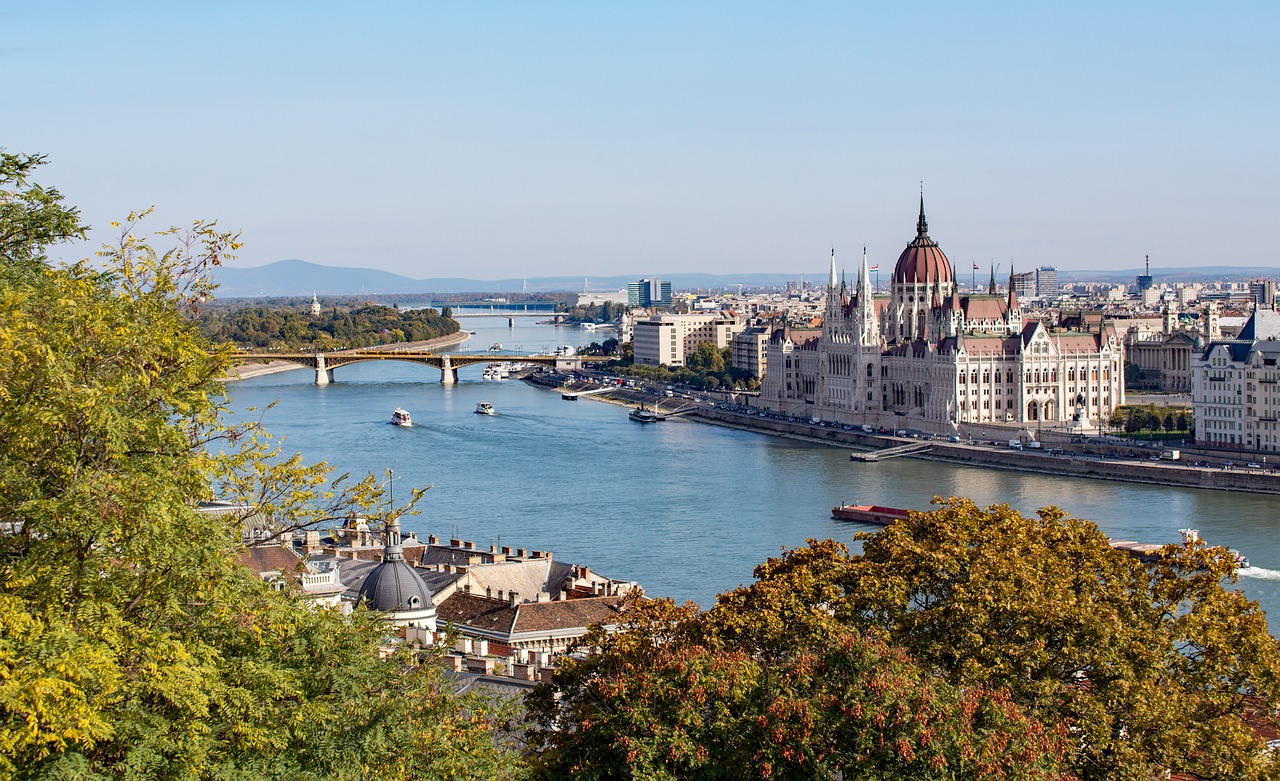
Budapest is a top pick for winter in Central Europe. It’s famous for its thermal baths. Imagine relaxing in the Széchenyi Baths with snow all around.
The city looks stunning with snow on the Danube and landmarks like the Hungarian Parliament. It’s a mix of history and warmth. Adventurers will love the historic sights and the friendly culture.
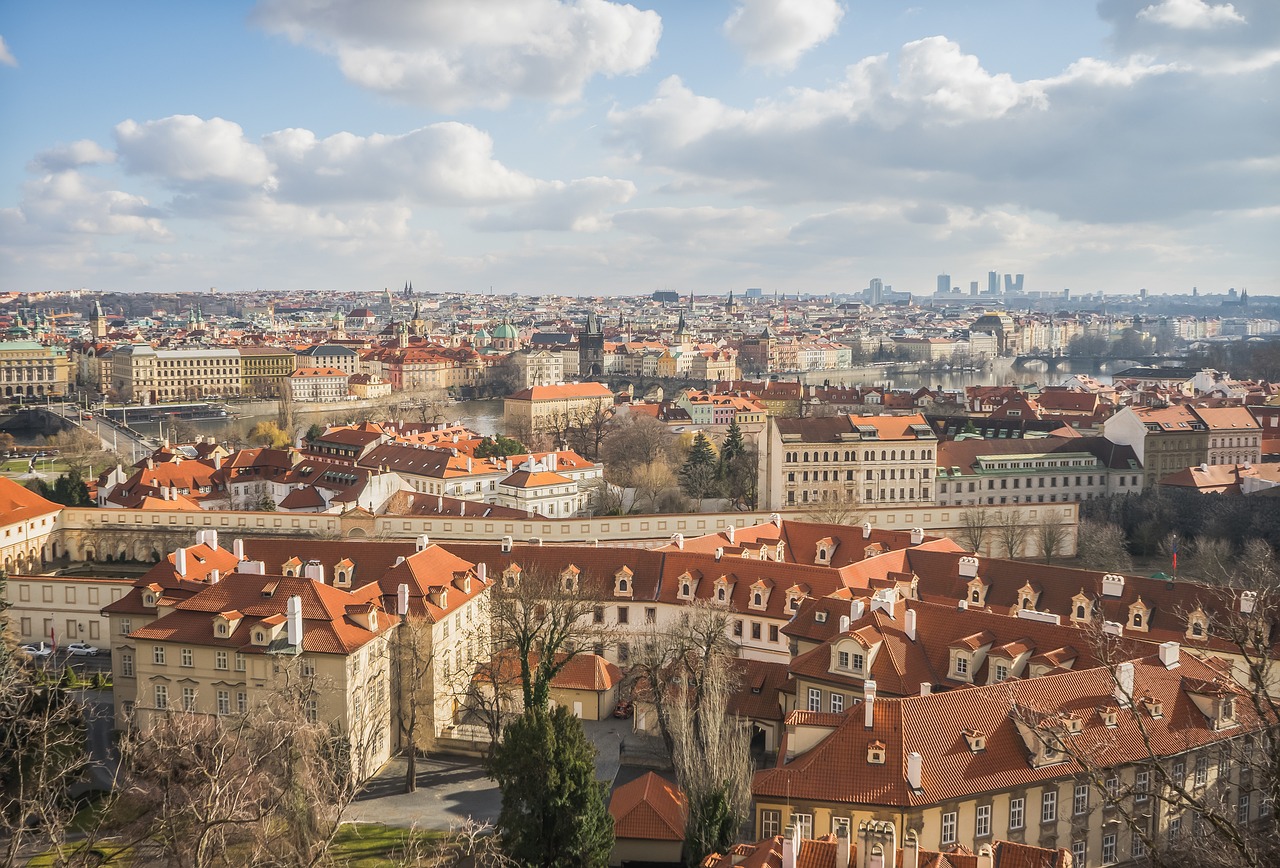
Prague is like a fairy tale in winter. It’s full of Christmas markets with smells of trdelník and hot wine. Snow makes the city even more beautiful, especially around famous spots like Prague Castle.
The spires and historic buildings make it a magical winter place. You’ll feel like you’re in a dream as you walk through the city. It’s a perfect spot for a festive European escape.
Budapest and Prague are great for a winter trip in Europe. They offer culture and joy, making them perfect for a winter getaway.
Scenic Nordic Adventures for Tranquil Retreats
Scandinavia in winter is magical. It’s perfect for those who love nature and adventure. The days are short in cities, and the nights are long in places like Tromsø. This makes the winter landscape look like a dream.
Rovaniemi, Finland: Winter Wonderland in Lapland
Rovaniemi is known as Santa Claus’s home. It turns into a winter wonderland every year. It’s great for families who love fun and adventure.
You can go on reindeer tours, husky sledding, and Northern Lights safaris. The weather is cold, around -10°C (14°F), in Kiruna, Sweden. This makes it perfect for winter activities.
Visit the enchanting Rovaniemi Santa Claus Village.
Enjoy thrilling Lapland winter safaris with reindeer and huskies.
Experience Arctic adventures like snowmobiling and ice fishing.
Ilulissat, Greenland: Icebergs and Northern Lights
Ilulissat in Greenland is famous for its Ilulissat Icefjord. In winter, it’s quieter and cheaper for tourists. This makes your trip special.
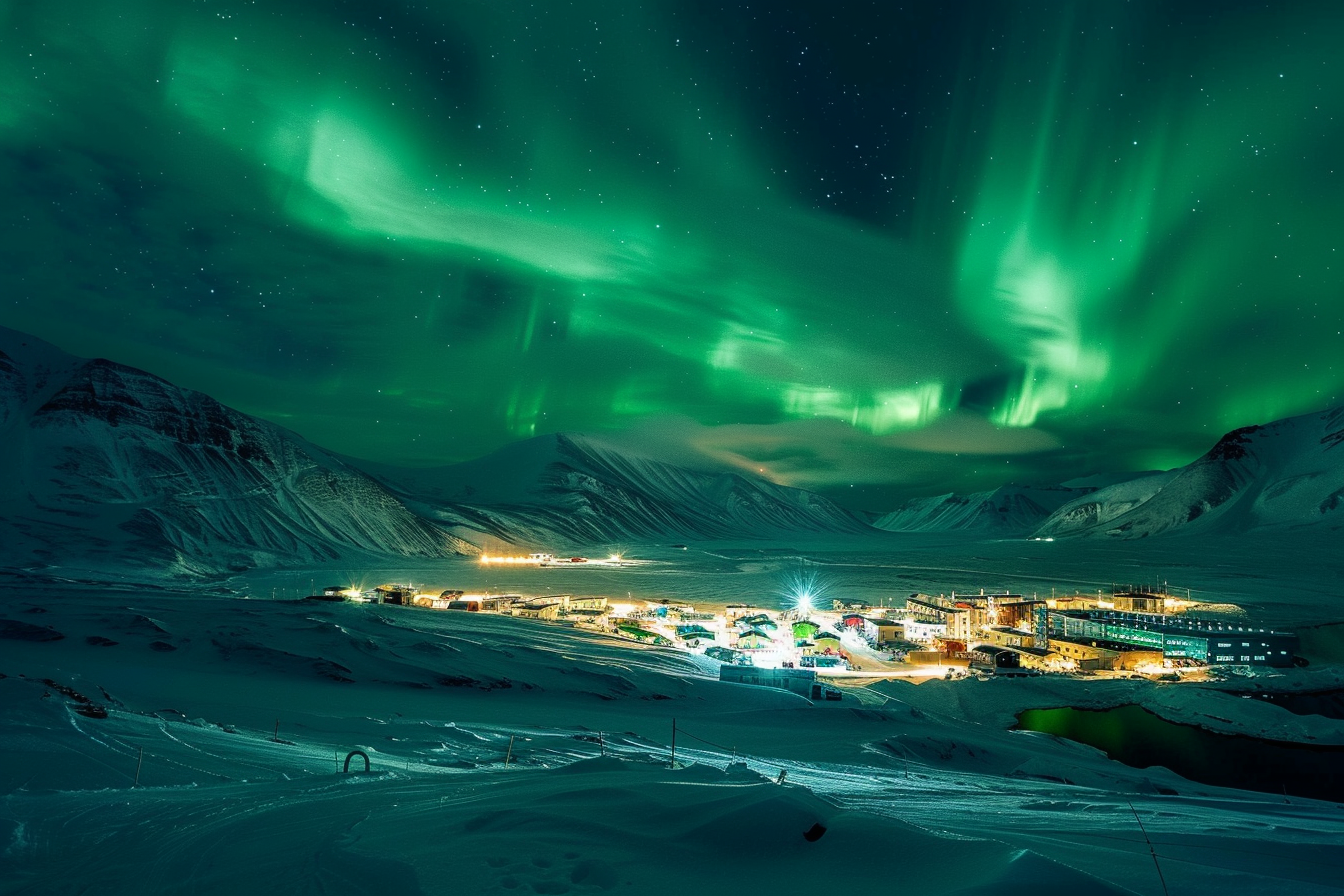
Ilulissat Icefjord tours let you see amazing icebergs in Disko Bay. The northern lights in winter add magic to the view. It’s a sight you won’t forget.
Explore the UNESCO-listed Ilulissat Icefjord.
Enjoy serene winter landscapes in Disko Bay.
Witness the captivating Greenland northern lights.
Looking for adventure or peace? Rovaniemi and Ilulissat are perfect for a quiet retreat.
Winter Destinations in Europe for Peaceful Hideaways
Europe has many peaceful winter spots that mix history with stunning views. You can find the medieval beauty of Tallinn or the fun of Zagreb. These places offer a cozy and magical winter break.
Tallinn, Estonia: Medieval Charm and Baltic Sea Views
Tallinn, Estonia, is a treasure among old European cities. It’s a UNESCO site with a well-kept old town that feels like stepping back in time, especially with snow around. You can walk on cobblestone streets, see amazing views from Toompea Castle, and enjoy the calm Baltic Sea.
The city’s old feel gets even more magical in winter. As snow falls, Tallinn turns into a magical place. It’s ideal for those looking for a quiet winter spot.
Zagreb, Croatia: Festive Lights and Frozen Waterfalls
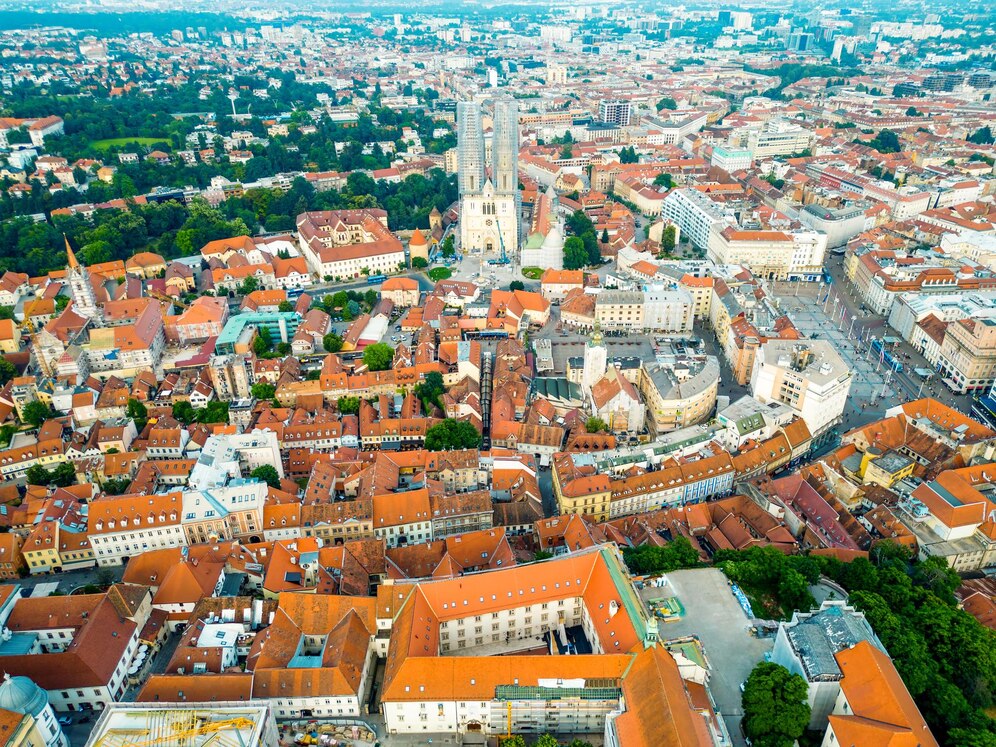
Zagreb, Croatia, shines brightly in winter with its festive vibe. The city’s center lights up with Christmas markets, ice skating, and more. The Advent festival is a big draw, filling the air with joy.
Just outside Zagreb, Plitvice Lakes National Park shows off frozen waterfalls. This adds to the magic. The mix of Zagreb’s lively markets and Plitvice’s calm makes it a great winter escape.
Location
Main Attraction
Winter Highlights
Tallinn, Estonia
Medieval Old Town
Snow-covered streets, Toompea Castle, Baltic Sea Views
Zagreb, Croatia
Advent Festival
Christmas markets, ice skating, frozen waterfalls at Plitvice Lakes
Mild Mediterranean Getaways for a Cozy Winter
Looking for a warm winter getaway? Andalucía in Spain is perfect. It has a mild winter and lots of historic sites. You’ll find warmth and culture here.
Andalucía, Spain: Mild Temperatures and Historic Sites
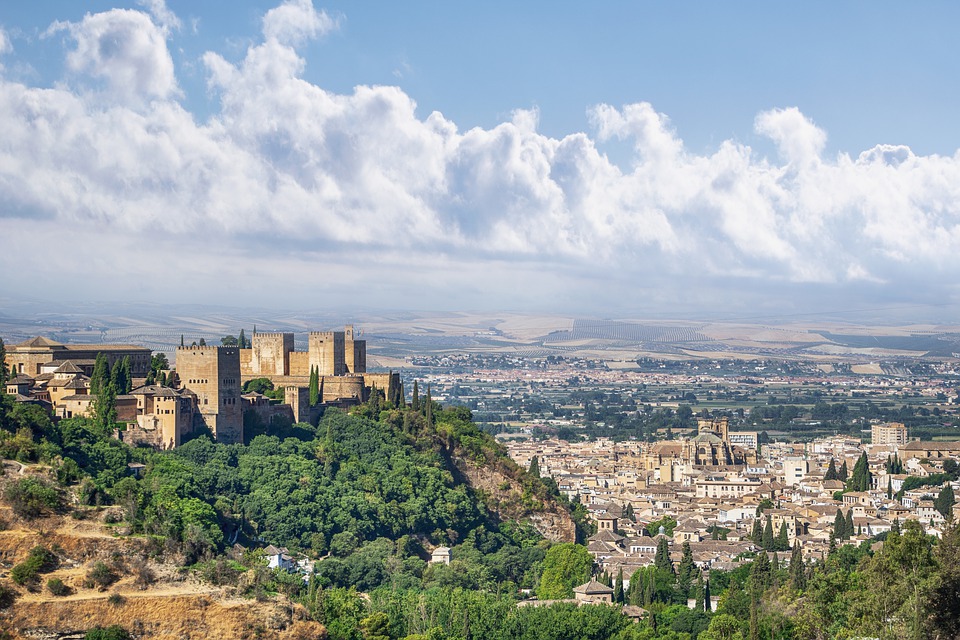
When you visit Andalucía in winter, you’ll enjoy mild weather. This lets you see the area’s beautiful buildings. Don’t miss the Granada Alhambra and the Seville cathedral. They are amazing.
Andalucía is more than just history. You can enjoy the Mediterranean sun and try local food. There’s lots to do, like eating tapas and enjoying the nightlife. It’s quiet and peaceful, perfect for a winter break.
Conclusion
Winter in Europe is magical. It has cultural experiences, quiet places, and history. You can visit Budapest’s baths and markets or Rovaniemi’s winter wonderland in Lapland. Each place shows Europe’s winter beauty.
There are snow cities in Central Europe and quiet spots in the Nordic areas. Places like Tallinn and Zagreb offer a special look at Europe’s winter secrets. They are great for a cozy winter break.
Andalucía has a mild climate, making it a warm escape in winter. The Balearic Islands and Malta are warm, with temperatures between 10-17 degrees Celsius. Europe has many winter spots for different tastes, from cultural sites to sunny beaches.
FAQ
What are some lesser-known winter destinations in Europe for a cozy getaway?
For a cozy getaway, check out Budapest, Hungary, and Prague, Czech Republic. Rovaniemi, Finland, and Ilulissat, Greenland, are also great. Don’t forget Tallinn, Estonia, Zagreb, Croatia, and Andalucía, Spain. These places have snowy beauty, Christmas markets, and are less crowded.
Why is Budapest, Hungary a great winter escape?
Budapest is famous for its thermal baths like Széchenyi Baths. They offer warmth and relaxation. The city’s beautiful buildings, like the Hungarian Parliament, look amazing with snow.
What makes Prague, Czech Republic enchanting in winter?
Prague is magical with snow on its towers and bridges. You can enjoy Christmas markets, try trdelník, and drink mulled wine. It’s full of festive charm.
What can I experience in Rovaniemi, Finland during the winter?
Rovaniemi is in Finnish Lapland and is known as Santa Claus’s hometown. You can see reindeer, go husky sledding, and see the Northern Lights. It’s a magical place.
Why should I visit Ilulissat, Greenland during winter?
Ilulissat, Greenland, is great in winter for its Ilulissat Icefjord and Disko Bay icebergs. It’s quiet and beautiful, with fewer people than in summer.
What makes Tallinn, Estonia a peaceful hideaway in winter?
Tallinn has a medieval old town and stunning views from Toompea Castle, all covered in snow. It’s a peaceful place with lots of culture.
How does Zagreb, Croatia celebrate the winter season?
Zagreb celebrates winter with the Advent in Zagreb festival. There are lights, markets, and ice skating. Plus, Plitvice Lakes National Park has frozen waterfalls to see.
What can visitors expect in Andalucía, Spain during winter?
Andalucía, Spain, is warm and sunny in winter. You can visit famous places like Granada’s Alhambra and Seville’s cathedral without the crowds. It’s a great time to explore.
What makes winter travel in Europe unique?
Winter in Europe is special. You can visit cozy cities, enjoy peaceful nature, or explore warm places with history. Each place has its own winter magic, offering unforgettable experiences.
As we approach World Heritage Day on April 18th, let’s explore Europe’s UNESCO World Heritage sites that are often missed. These sites, like Stonehenge and the Acropolis, are famous. But Europe has many more hidden gems that are just as special. It’s full of cultural heritage and natural wonders.
Europe and North America have 565 UNESCO sites, which is 47.12% of the world’s total. You can find everything from medieval streets in Luxembourg City to the coffee culture in Vienna. And there are even tidal flats in the Wadden Sea that are peaceful.
This article will take you on a trip to some of Europe’s hidden UNESCO sites. You’ll see the beauty and history that make this place special for those who love history and nature.
Key Takeaways
Luxembourg City Old Town has been a UNESCO World Heritage Site since 1994.
Europe alone has more UNESCO World Heritage Sites than the United States and Canada combined.
Vienna’s coffee house culture is recognized as an intangible cultural heritage by UNESCO.
Sylt in the Wadden Sea UNESCO site offers 40 kilometers of sandy beaches.
Switzerland only exports about 1% of the wine it produces, making local wines highly exclusive.
The Hidden Gems of Luxembourg City Old Town
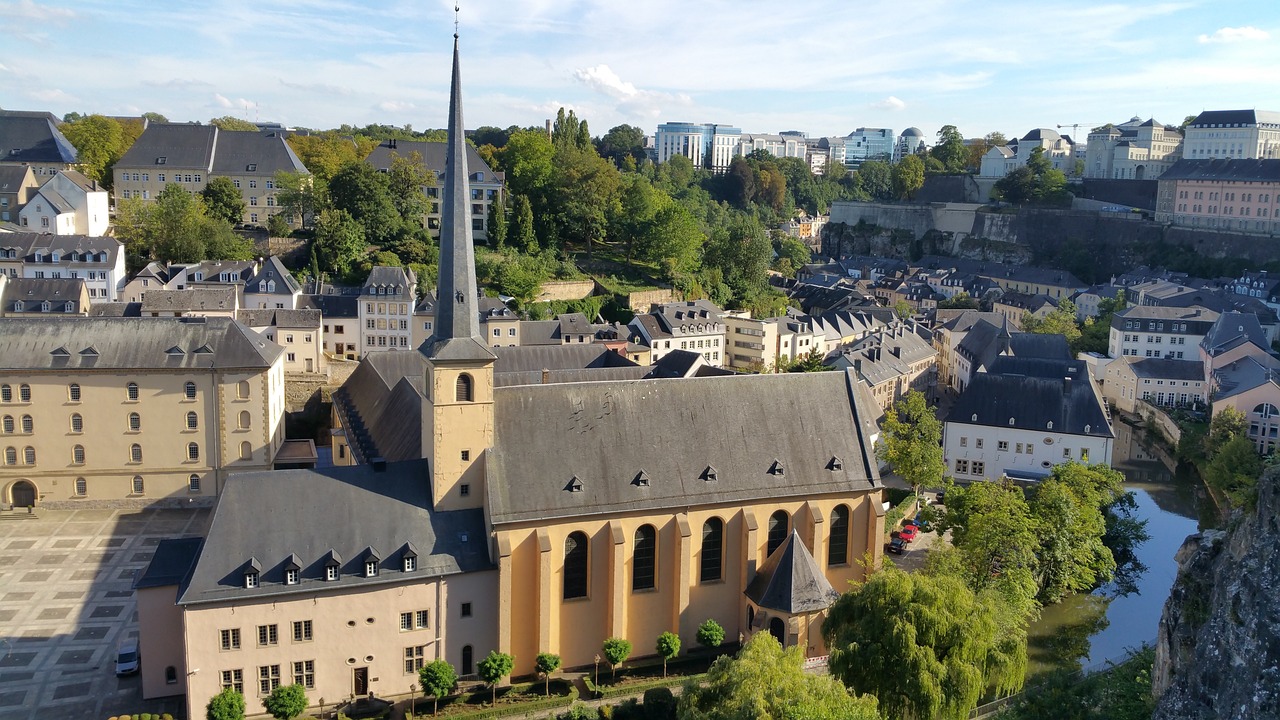
The Old Town of Luxembourg City is a UNESCO World Heritage Site since 1994. It may be less known than its big neighbors. But it’s full of historical sites that are amazing. Walking through its streets, you’ll see Gothic, Renaissance, and Baroque buildings that tell old stories.
Among these treasures are the fortifications and the magical Grund District. They add to the city’s rich heritage.
The History of Luxembourg’s Fortifications
The Bock Casemates, an underground fortress from the 17th century, show the city’s strong military past. These fortifications protected the city from many attacks. They are more than just walls; they are silent guards.
Next to them is the Chemin de la Corniche, called “Europe’s most beautiful balcony.” It gives amazing views of the Alzette River and the Grund District.
Exploring the Grand Ducal Palace
The Grand Ducal Palace shows off Luxembourg’s royal history. It’s a beautiful neoclassical building. Every summer, people can see its fancy inside, with gold columns, Renaissance art, and detailed furniture.
This shows the grandeur of the grand ducal family. The palace is a symbol of Luxembourg’s history and culture today.
The Romantic Grund District and the Corniche
The Grund District is perfect for those who love romance. It has medieval streets and a calm riverside feel. It’s a quiet place away from the busy city life.
The Chemin de la Corniche adds to the romantic scene. It invites visitors to enjoy “Europe’s most beautiful balcony.” Here, you can see historic houses and green gardens of the Old Town.
Viennese Coffee House Culture: A Sip of History
The *Viennese coffee house culture* is a key part of *Viennese traditions*. It was named a *UNESCO intangible cultural heritage* in October 2011. These places are known for their elegant feel, many coffee drinks, and social life. They have a big impact on cities like Prague, Budapest, and Krakow.
Vienna’s first coffee house opened in 1685 by Johannes Diodato, an Armenian businessman. Soon, these places became centers for new ideas and culture. They were where intellectuals and artists met to talk and create.
The Birthplace of Ideas: Influential Patrons
In the late 19th and early 20th centuries, *Viennese coffee houses* were very popular. Famous people like Beethoven, Freud, and Klimt often visited them. These places were where artists, writers, politicians, and scientists shared ideas.
The term “Kaffeehausliteratur” came from the literature written in these coffee houses. Even when the coffee house scene declined in the 1950s, it has made a comeback. This is thanks to a renewed interest in tradition and tourism.
A Quintessential Viennese Experience
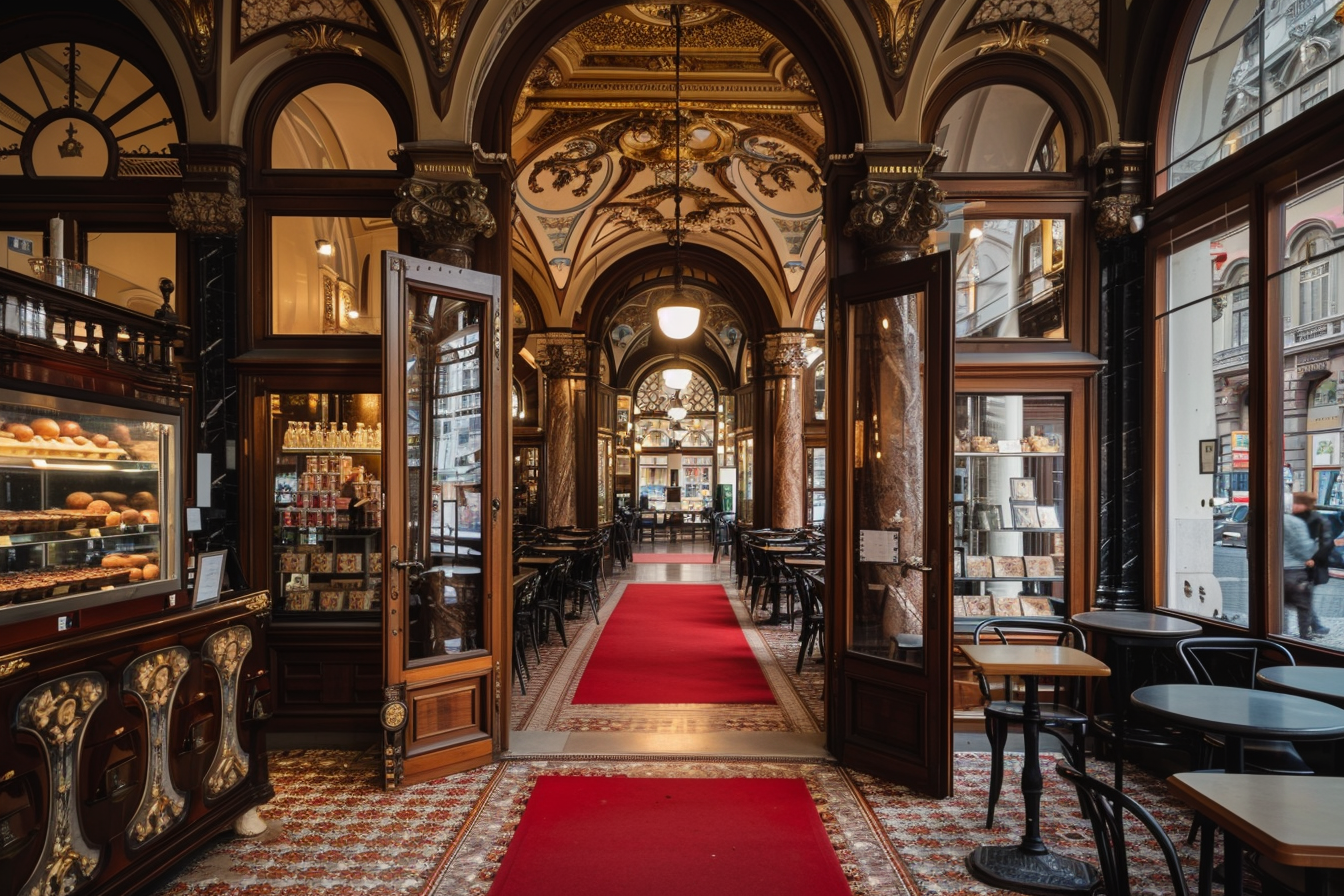
Going into a traditional *Viennese coffee house* feels like going back in time. You’ll see marble tables, comfy sofas, and wooden floors. The high ceilings are decorated with art.
The staff wear black and white, adding to the place’s unique feel. Famous spots like Café Central and Café Sacher are where locals and tourists enjoy *Viennese traditions*. People there like to read or have deep talks.
Coffee Specialties Unique to Vienna
The coffee menu in Vienna is special. You can try the Wiener Melange or the Einspänner, a strong coffee with whipped cream. These drinks come in porcelain cups with a glass of water, showing their purity.
There are also desserts like Apfelstrudel and Sachertorte. Vienna is also known for its role in creating the cappuccino in the 1800s.
Discovering the Wadden Sea
The Wadden Sea is a special place since 2009. It’s the biggest area of sand and mud flats in the world. It covers 1,143,403 hectares. This place is full of different kinds of plants and animals.
A Natural Marvel: Biodiversity in Tidal Flats
The Wadden Sea’s tidal flats are full of life. They have about 2,300 kinds of plants and animals in the salt marshes. And another 2,700 kinds in the sea.
Millions of birds use this area to rest, change feathers, and stay warm. Up to 6.1 million birds can be seen here on some days. Every year, 10-12 million birds fly through.
Exploring the German Island of Sylt
Sylt Island is in this special area. It’s like the ‘Hamptons of Germany.’ The island has beautiful sand dunes and a clean environment.
People can see the island’s nature and learn about its fishing villages and old lighthouses. It’s a place of beauty and history.
Health Benefits of the Wadden Sea Climate
The air in the Wadden Sea, especially around Sylt Island, is good for your health. It’s clean and salty, which helps people with breathing problems and allergies.
Visitors can try ‘Wattwandern,’ walking in the tidal flats. It’s a special way to see the area and feel the sea air’s health benefits.
The Wadden Sea is great for fun activities too. You can watch birds from special huts. Or see the stars in Lauwersmeer National Park and Boschplaat nature reserve. They are dark places perfect for stargazing.
The Wadden Sea is a special place. It lets people see amazing nature, beautiful views, and learn about its culture.
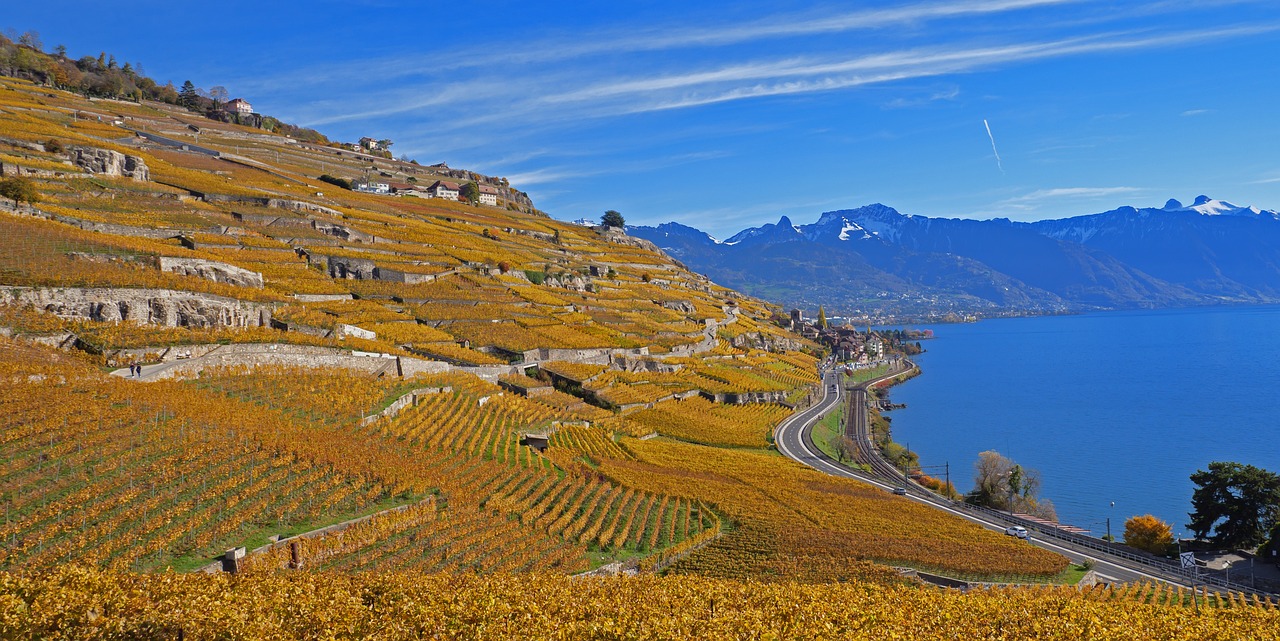
The Lavaux Vineyard Terraces stretch for about 30 km along Lake Geneva’s northern shore. They cover 800 hectares, making them Switzerland’s biggest vineyard area. These terraces show the long history of Swiss wine, going back to the 11th century.
The Lavaux region is famous for its Swiss wines. The Alpine location gives these wines a special taste. The sun and Lake Geneva’s reflections make the grapes grow well.
Visiting the UNESCO World HeritageLavaux Vineyard Terraces is like traveling through time. The terraces show how wine-making has changed over a thousand years. They tell the story of people caring for this wine area.
The 32km path from Lausanne-Ouchy to Chillon Castle has seven educational circuits. You can learn about local wine making. The “Train des Vignes” takes you through vineyards from Vevey to Puidoux-Chexbres in twelve minutes.
At the Cave de Moratel in Cully, Patricia and Denis Longet offer guided tours and tastings. These tours last three hours and can take 1-8 people. You can book in English, French, or German, but do it ten days early.
The terraces are protected by many laws and plans. Since 2016, they’ve used no synthetic pesticides. This shows Lavaux’s commitment to green farming. The area has even inspired a song by Prince and was celebrated with special stamps in 2011.
Whether you hike the “Terrasses de Lavaux” trail or enjoy the local wines, Lavaux is unforgettable. It offers stunning views of Lake Geneva and the Swiss Alps.
The Majestic Škocjan Caves in Slovenia
Slovenia is proud to have four UNESCO World Heritage Sites. One of these is the famous Škocjan Caves. They are near Divača and are a natural wonder and a big scientific find. The caves got UNESCO status in 1986 and stretch over nearly 40 kilometers. They are a big part of the karstic wonders in Slovenia, Croatia, and Italy.
The Geological Wonders of Škocjan
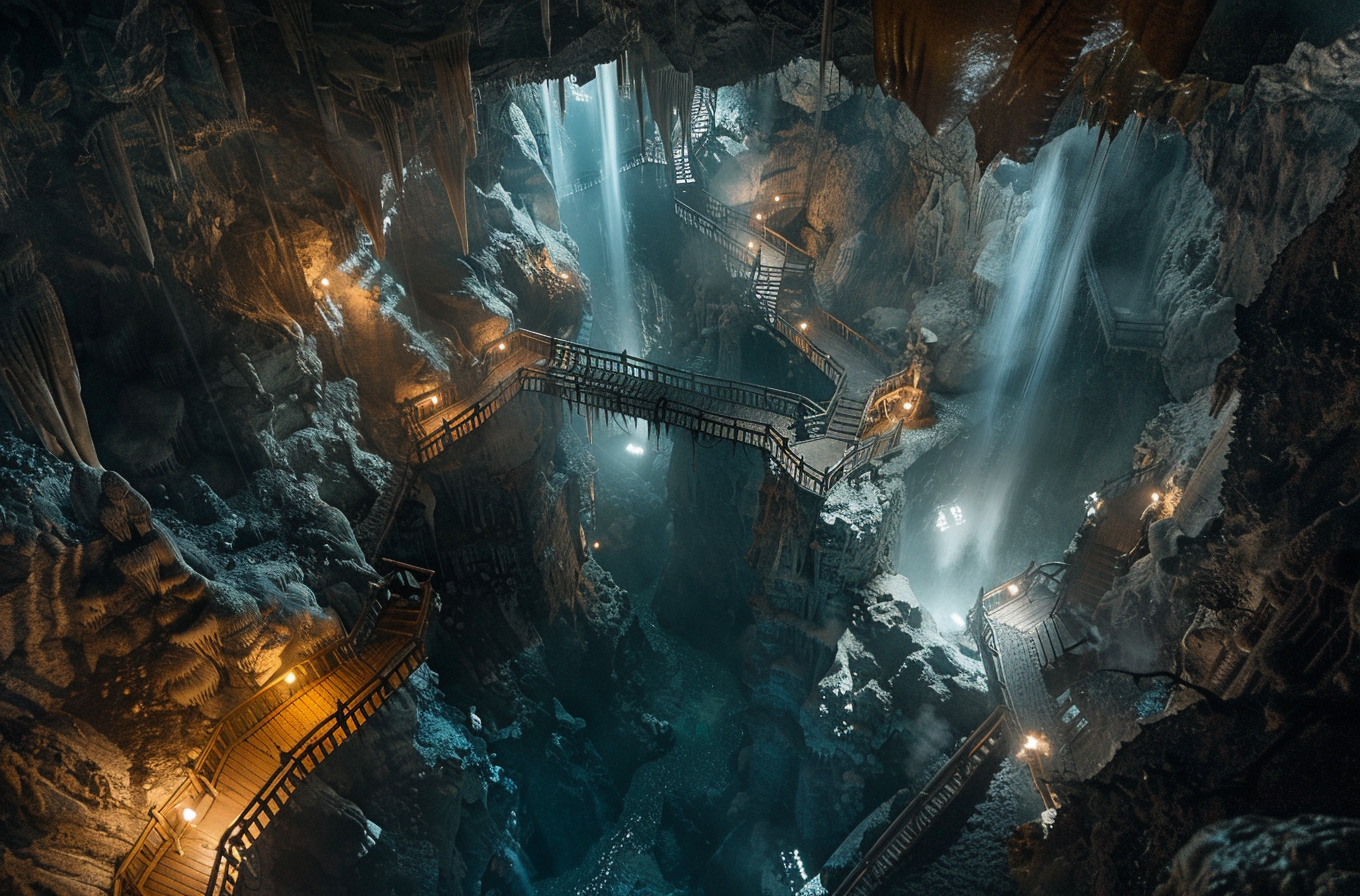
The Škocjan Caves show off a huge underground world. They have big underground rooms and 26 waterfalls under the ground. This makes the caves a unique place that earned its UNESCO status.
Trails and Adventure in the Underground Canyon
There are many trails for adventurers in the Škocjan Caves. The most popular tour is about two hours long. It takes you through the biggest underground canyon in the world.
On these trails, you can see huge stalactites and stalagmites. These formations look like they’re floating in mid-air. This is why so many people visit to see its beauty.
Preservation Efforts in the Regional Park
The Škocjan Caves Regional Park is in Slovenia’s Karst region. It works hard to keep the caves safe for visitors. The park also has museums, archaeological finds, and different animals.
Guided tours teach about nature and why we should protect it. They help visitors appreciate this amazing place.
Aspect
Details
Cave Length
Over 6 km
Chamber Size
Some of the largest in the world
Temperature
12°C (53°F) year-round
Admission Prices
€23 for adults, €16 for children
Access
By car, bus, or train
Nearest Airports
Ljubljana (78 km), Trieste (42 km)
UNESCO Sites: Europe’s Rich Heritage
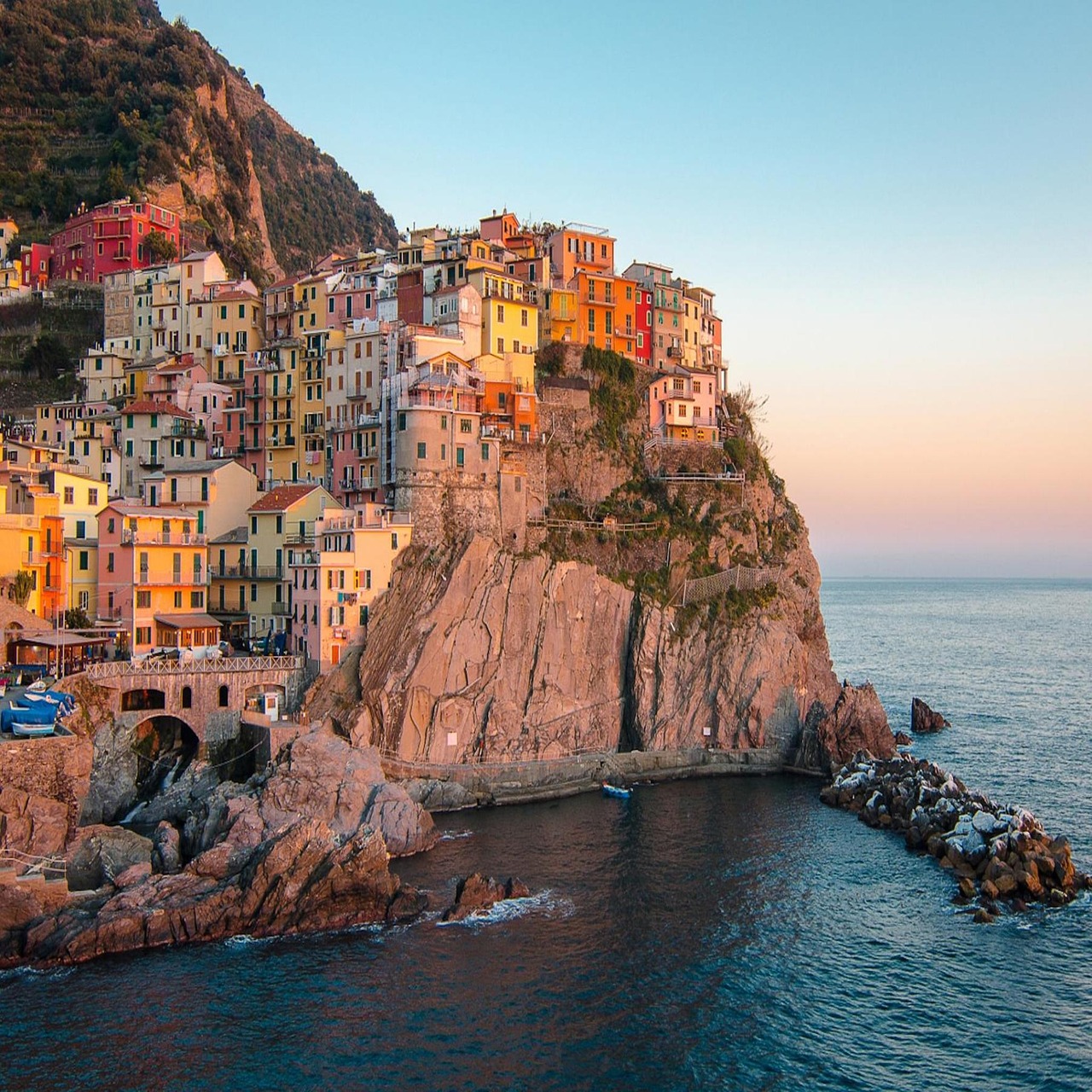
Europe is full of World Heritage Sites. Each one shows a mix of culture and nature. You can see famous places like the historic centre of Rome and Stonehenge. Or find hidden gems like Cinque Terre in Italy and Þingvellir National Park in Iceland.
These sites are like time machines for European history. Venice shows us life from the 5th century, where canals were key. Pompeii lets us see life before Mount Vesuvius erupted in 79 AD. These places show why we must keep them safe.
UNESCO works hard to protect these treasures. Bryggen in Norway has old wooden buildings from around 1000. Tallinn’s historic center in Estonia takes us back to the 13th century. Kronborg Castle in Denmark is known for its beauty, showing Europe’s art.
UNESCO protects both cultural and natural heritage sites. Jungfrau in Switzerland is over 13,000 ft high, showing nature’s beauty. The Seville Cathedral, Seville Alcázar, and Archivo de Indias show a mix of cultures and history.
Europe has a lot of World Heritage Sites. Italy has 59, France and Germany have 52 each. These numbers show Europe’s big role in our shared history. Sites like Bamberg in Germany and Schönbrunn Palace and Gardens in Vienna, Austria attract history lovers from everywhere.
Efforts around the world highlight sites like the historic center of Florence, Museum Island in Berlin, and Mont-Saint-Michel in France. They teach us why saving our heritage is important. Today, there are 1,199 World Heritage Sites, showing our work to protect our planet’s treasures.
“Europe’s World Heritage Sites, from the cliffs of Þingvellir National Park to the bustling centers of historic cities, celebrate the diverse cultural and natural heritage that defines the continent. These treasures remind us of our responsibility to preserve them for future generations.”
Conclusion
Our journey through European UNESCO sites is ending. We see the amazing diversity and cultural wealth they offer. Each place, like Luxembourg City’s fortifications and the calm Wadden Sea, shows us our shared past.
This trip shows us why we should travel to these places. It helps us understand and protect them. The World Heritage Committee and others work hard to keep these sites safe.
They do this by improving technology, planning, and helping less known areas. This helps protect and celebrate every site on the World Heritage List.
Visiting these places makes us richer in knowledge and love for different cultures and nature. By going and supporting these sites, we help keep our heritage alive. We must keep caring for and speaking up for these special places.
These sites are full of culture and nature. Let our travels make us appreciate and work to save these amazing places.
FAQ
What are some lesser-known UNESCO World Heritage sites in Europe?
Europe has many hidden treasures. These include both cultural and natural wonders. You can find everything from ancient sites to wild landscapes. These places show the beauty of Europe beyond famous spots like Stonehenge and the Acropolis.
What makes Luxembourg City Old Town a unique UNESCO World Heritage site?
Luxembourg City’s Old Town got the UNESCO nod in 1994. It’s famous for its old walls, beautiful views, and grand buildings like the Grand Ducal Palace. Places like the Corniche and Grund add to its beauty.
What is the significance of the Viennese Coffee House Culture in Vienna?
Vienna’s coffee culture is on the UNESCO list. It’s where famous people like Beethoven and Freud met. These coffee spots are known for their beauty and special coffee. They help bring people together and spark deep talks.
What unique features does the Wadden Sea offer as a UNESCO World Heritage Site?
The Wadden Sea is the biggest tidal area in the world. It’s full of life and has mudflats and seals. Sylt Island is part of it, offering a healing climate and a unique ecosystem.
Why are the Lavaux Vineyard Terraces in Switzerland a UNESCO World Heritage site?
The Lavaux Vineyard Terraces show a thousand years of wine making. They’re by Lake Geneva and get special sunlight and heat. This makes them perfect for making top-quality Swiss wines.
What makes the Škocjan Caves in Slovenia a remarkable UNESCO World Heritage site?
The Škocjan Caves are huge, with the biggest underground canyon in Europe. They have 26 waterfalls underground. The caves are protected by a park with trails for adventurers.
How does UNESCO aid in the preservation of Europe’s cultural and natural heritage?
UNESCO helps protect Europe’s heritage by listing important sites. This keeps these places safe for the future. It lets people learn from and enjoy these sites.
What can travelers expect when visiting European UNESCO World Heritage sites?
Visitors will find a mix of nature and history. You can see untouched lands and ancient sites. These places connect you with the past and nature, making them special.“`This HTML section provides a friendly and informative FAQ list about UNESCO World Heritage sites in Europe, utilizing keywords to enhance its relevance and search engine optimization.
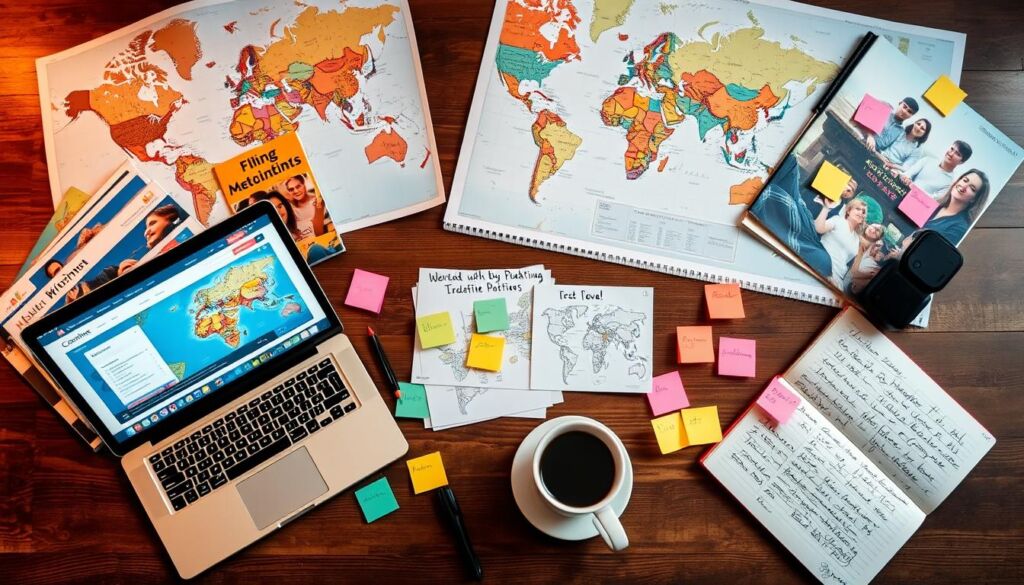
Did you know 78% of travelers make a travel plan before their trip? The Travel Planning Association found that people spend about 3 hours planning for a week-long trip. Whether it’s a solo trip, a family vacation, or a budget-friendly road trip, making a good travel plan is key for a great journey.
In this guide, I’ll share my best tips for making a travel plan. It should be both structured and flexible, so you can enjoy every moment. We’ll talk about setting your travel goals, finding hidden spots, and diving into local culture. This guide will help you plan a trip that fits your interests and budget perfectly.
With 62% of travelers using online tools for planning, I’ll show you the top travel apps and websites. So, whether you like digital or physical planners, grab your favorite template and let’s start planning your dream trip!
Why You Need a Travel Itinerary
I’ve traveled to over 60 countries and many cities. I know how crucial a good travel itinerary is. It’s like a map for your adventures, helping you explore new places and use your time wisely. With a well-planned trip, you can dodge problems like missing flights and spending too much.
A survey found that 75% of travelers find a detailed itinerary helps them manage their time. It lists your places to go, things to do, where to stay, and how to get there. This keeps you organized and lets you enjoy your trip more. Also, those who plan their trips well are 50% less likely to be upset by surprises at their destinations.
Creating a travel itinerary doesn’t have to be hard. With the right tools and advice, anyone can plan a trip quickly. My service, for example, offers personalized plans based on my travel experience. This way, you save time, reduce stress, and get a trip that’s both structured and flexible.
Travelers who plan their trips well are 70% more excited about their trips. Knowing what to expect makes you look forward to your journey. So, whether you’re a seasoned traveler or new to exploring, making a detailed itinerary is key to a great trip.
Defining Your Travel Goals and Preferences
Planning the perfect trip starts with knowing what you want. A survey shows 78% of travelers find this step key. I think about what I want from my trip – adventure, relaxation, or cultural experiences.
Then, I look at my budget and the best time to go. 63% of travelers aim to plan well within their budget. I plan my spending on travel, food, and activities to get the most value.
Doing research is also important. I learn about top sights, local events, and cultural norms. Knowing this helps me choose the best experiences for my trip. I also check visa needs and travel rules to avoid surprises.
Finally, I think about trip length, who I’m traveling with, and my food preferences. 92% of travelers like to group activities close together. This way, I can make a trip plan that fits me perfectly and makes my journey memorable.
Allocating Time for Each Destination
When planning my travel, I make sure to give each place enough time. This way, I can enjoy each spot without rushing. Doing my homework on destinations helps me know what to see and do, so I spend the right amount of time there.
I think of my trip like a city with different areas. This helps me plan better and avoid going back and forth. It also lets me dive into the local culture and find special places. But, I remember that the journey is just as important as the destination.
It’s easy to want to do too much, but I know it’s key to balance sightseeing with rest. Too much activity can make me tired and less happy. So, I include breaks in my plan, like relaxing at a café or exploring freely. These breaks make my trip more complete.
Using online tools helps me organize my trip perfectly. They let me make a plan that fits my style, so I can enjoy every moment. With good planning and research, my trip is both fun and relaxing, making every second count.
Discovering Hidden Gems and Unique Experiences
When planning my travel, I love to explore places that few people visit. A survey shows 72% of travel creators prefer these hidden spots. They offer real, deep experiences away from the usual tourist paths.
I find these gems through many sources. Local tips are key, with 67% of travelers finding great places through forums or local bloggers. I also check Instagram and Pinterest, as 58% do, for hidden spots using hashtags and keywords.
Niche travel guides help 49% of travelers find special attractions. Sites like Atlas Obscura list unique spots, not just tourist traps. Also, 53% of travel pros say tourism boards promote these hidden places, offering new adventures.
For a real dive into local culture, I choose guided tours. Withlocals connects me with local guides for personal tours. Free walking tours are perfect for solo travelers wanting to dive into different cultures. Volunteering on Workaway lets me help local communities and live with families, gaining unique insights.
Seeking out hidden gems and unique experiences makes my travel plans rich and meaningful. These adventures offer a break from the usual tourist spots. They also show respect for different cultures and traditions, making my travels more rewarding.
Choosing Transportation and Accommodation Options
When planning your trip, picking the right transportation and places to stay is key. These choices affect your comfort, budget, and overall experience. Look into different ways to travel, like flying, taking the train, or renting a car. Compare prices early to find the best deals that match your travel style.
Think about how far apart your destinations are when choosing how to get there. If driving in a new country feels daunting, use public transport or join a guided tour. This way, you can enjoy the local culture without the stress of finding your way.
For places to stay, look at various options that fit your budget and comfort level. Hotels, hostels, homestays, and vacation rentals offer different experiences and prices. Read reviews and compare costs to find the perfect spot for you. Also, consider where your accommodation is in relation to your destinations to save on travel costs.
For a unique and budget-friendly stay, try Couchsurfing. It lets you stay with locals for free. This not only saves money but also lets you dive into the local culture, meet new people, and get insider tips on your destination.
By carefully choosing your travel and stay options, you can make a trip that’s both comfortable and affordable. Spend time researching and comparing to make sure your choices fit your travel goals and preferences.
How to Create a Travel Itinerary That Balances Structure and Flexibility
A flexible travel plan is key for a great trip. A good plan gives you a base, but don’t forget to leave room for surprises. Enjoy the unplanned moments and adventures that come your way.
To find the right mix, leave some days open for new things. This way, you can change plans if needed, like if the weather is bad. Having backup plans, like different places to visit, helps you handle any issues.
Angela Becker from Quora suggests using travel software. It helps you plan while still keeping room for spontaneity. This way, you have a plan but can change it when you feel like it.
Remember, your itinerary is just a guide. Travel is all about being flexible and open to new experiences. It’s your chance to make memories and enjoy every second of your trip.
Organizing Your Itinerary for Maximum Efficiency
Having a well-organized travel itinerary is key for a smooth trip. For my recent trip to Belgium, I planned it just four days before leaving. I usually plan early, but this time, I was too tired.
To plan efficiently, I follow tourism accounts and read travel blogs. Google Maps helps me mark places to visit. I use color-coded flags to keep track of visited and to-visit sites. This way, I can plan my days better by grouping sites by location.
I spent 60% of my time in Brussels and 40% in Ghent. I stayed in the Old Town areas to explore easily. Choosing places near transportation hubs was also important for me.
I use travel apps like TripCase and Kayak to organize my trip. These apps help with tracking receipts and flight issues. Lambus is great for group travel, offering expense tracking and offline access.
It’s important to balance sightseeing with rest to avoid getting tired. Make sure to include downtime in your plans. Also, print a hard copy of your itinerary for easy reference and to mark off activities.
Finally, share your itinerary with your travel buddies before and during the trip. This ensures everyone knows what’s happening. By following these tips and using helpful tools, you can make your trip memorable and stress-free.
Immersing Yourself in Local Culture and Cuisine
When planning your trip, make sure to include time for cultural experiences and trying local foods. A survey shows 75% of travelers believe local food is key to feeling the culture. I always visit local markets, try authentic dishes, attend cultural events, and talk to locals to truly appreciate the place.
Learning a few words in the local language can also enhance your experience. About 63% of travelers know a few words in the local tongue. Trying to communicate with locals, even if you’re not fluent, can lead to meaningful interactions. Don’t hesitate to talk to residents for insider tips on hidden gems.
Choosing a family-run bed and breakfast or homestay can give you a peek into local life. Many say staying with a local family is a transformative experience. By diving into the local culture and cuisine, you’ll make unforgettable memories and understand the destination better.
Cultural immersion is more than just trying new foods and learning phrases. Exploring the area, using public transport, engaging with the arts, and even working or volunteering abroad can deepen your experience. Be open to stepping out of your comfort zone to find the true essence of your destination.