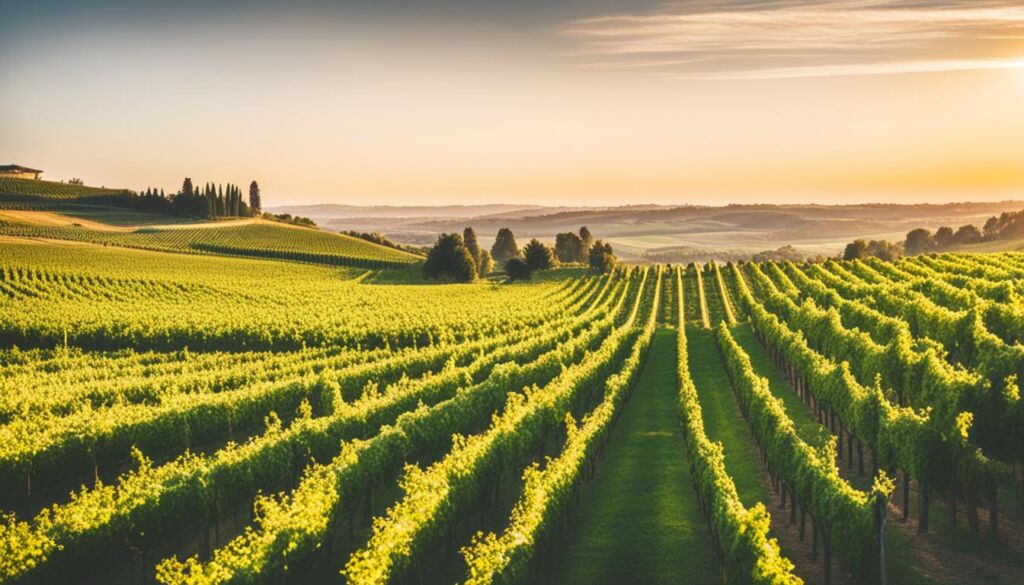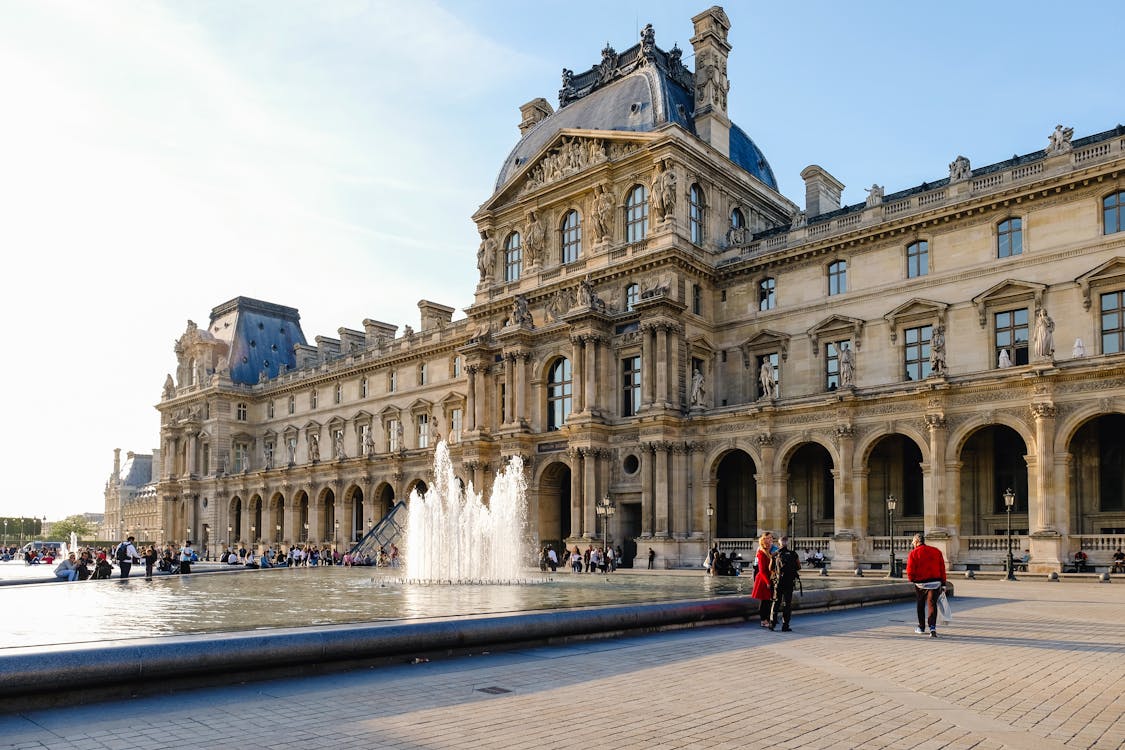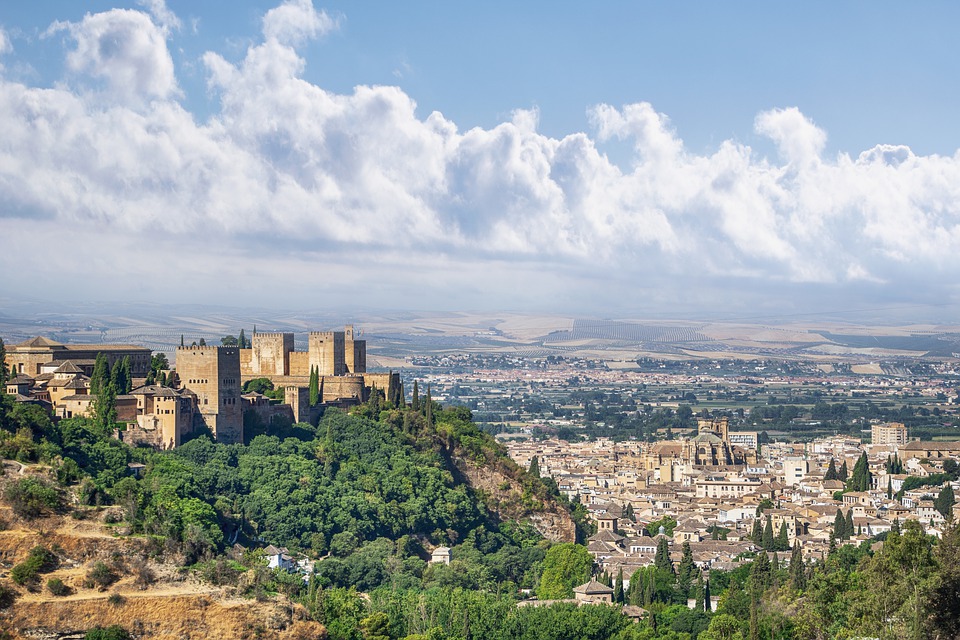
Bordeaux is at the heart of France’s famous wine area, known for its rich history and culture. It’s a place where you can relax and enjoy beautiful scenery, like vineyards. You’ll find top-notch restaurants, ancient castles, and lively areas such as the Place de la Bourse. Plus, getting here is easy thanks to great transportation. This ensures your journey to Bordeaux is as smooth as possible, letting you dive into the French lifestyle.
Key Takeaways
Bordeaux is a hub for history, culture, and gastronomy within the French wine region.
The city offers luxurious accommodations, such as InterContinental Bordeaux – Le Grand Hôtel and Les Sources de Caudalie.
Michelin-starred dining and local wine tastings enrich the Bordeaux travel experience.
Bordeaux’s architecture and vibrant public spaces, like the Place de la Bourse, enhance its charm and allure.
Excellent transportation links make Bordeaux an accessible and attractive destination for vacationers.
Getting to Bordeaux
Bordeaux is easy to reach from all over, both in France and abroad. You can choose from many ways to make your trip smooth. This city is well-connected, welcoming visitors from everywhere.
By Air
Bordeaux-Mérignac Airport is close, just 9km from the city center. It’s perfect for those flying in from other countries. After landing, it’s a quick 25-30 minute trip to the city. The airport also handles special items like sports gear, but there could be extra fees.
By Train
Take the TGV high-speed train for a fast and pleasant ride. If you’re coming from Paris, it’s only about three hours to Bordeaux. From Toulouse, it takes around 2 hours. The TGV train offers great views and gets you to Bordeaux swiftly, showing why many people choose it.
Origin
Transport Method
Duration
Paris
TGV High-Speed Train
~3 hours
Paris
Car
~5 hours
Calais (UK)
Car
~9 hours
Toulouse
Private Transfer
~4.5 hours
Public Transportation
Bordeaux has a great public transport system. Using trams and buses, it’s easy to get around. This means you can see the city’s beautiful areas without trouble. If you’re staying for three nights or more, the public transport is a great option. It lets you see the best of Bordeaux in a relaxed way.
Where to Stay
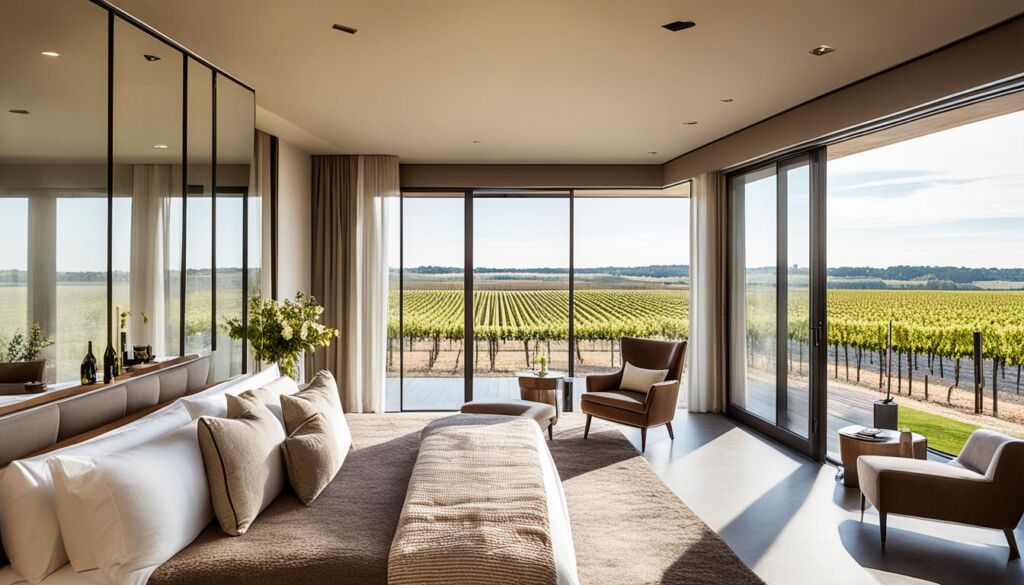
Bordeaux has many luxurious places to stay that visitors will love. It mixes old charm with new style. And it makes sure every guest has a memorable visit.
InterContinental Bordeaux – Le Grand Hôtel
The InterContinental Bordeaux – Le Grand Hôtel is perfect for luxury lovers. It has a famous restaurant, Le Pressoir d’Argent Gordon Ramsay. The rooftop also gives amazing views of the city.
Les Sources de Caudalie
Les Sources de Caudalie is a peaceful spot, 30 minutes from downtown Bordeaux. It sits among beautiful vineyards. Here, you can have spa treatments that use grapes. It’s a unique way to enjoy luxury with a touch of wine.
Yndo Hotel
The Yndo Hotel is great for those who like boutique places. It’s in a lovely 19th-century building. Each room has its own style, mixing modern and classic looks. It offers a special and private stay in Bordeaux.
Bordeaux’s charm isn’t only in the city. The countryside has old castles where you can stay. You can visit pretty villages and vineyards. The city has something special for everyone, whether it’s luxury or a small and unique hotel.
Accommodation
Location
Highlight
InterContinental Bordeaux – Le Grand Hôtel
Downtown Bordeaux
Michelin-starred restaurant and rooftop terrace
Les Sources de Caudalie
Caudalie Vineyard
Vine-based spa treatments
Yndo Hotel
City Center, Bordeaux
Individually styled rooms in a historic mansion
Exploring the Wine Region
When you visit Bordeaux, it’s amazing to see its famous wine region. You get to learn a lot on vineyard tours. They show you how wine is made, take you to old estates, and let you taste amazing wines. Start by visiting top châteaux and a cool wine museum in Bordeaux.
Château Margaux
Château Margaux is known for its fine wines. This fancy château lets you see how they make their famous red wines. They use Merlot, Cabernet Sauvignon, and Petit Verdot grapes in their special blends.
Château Mouton Rothschild
Château Mouton Rothschild has great wines and art. At this château, you get to taste their wines. They also have a neat art collection. Their vineyards grow mostly Cabernet Sauvignon, which is important for Bordeaux’s red wines.
Château Pape Clément
Château Pape Clément mixes old and new in their wines. They make reds and whites in a special way. You can take tours to see how they do it. It shows the mix of old and new in Bordeaux’s wines.
La Cité du Vin
La Cité du Vin is a unique wine museum in Bordeaux. It’s not just any other place. It’s a fun museum with things you can see, touch, and even taste. Don’t miss the chance to see Bordeaux from above and enjoy a fine glass of wine.
Doing vineyard tours in Bordeaux and tasting wines is a great journey. You’ll see famous places like Château Margaux, Château Mouton Rothschild, and Château Pape Clément. Don’t forget the wine experience at La Cité du Vin. It’s a real mix of history, arts, and flavors.
Cultural and Historical Highlights
Bordeaux shines with its rich culture, pulling in visitors to see its many historic places and beautiful buildings. A top spot is the Place de la Bourse, famous for its old-style looks. Here, you’ll find the Miroir d’Eau, the biggest water mirror in the world. It shows off cool reflections of the nearby views, making Bordeaux even more special.
Place de la Bourse
Exploring Bordeaux’s history without seeing the Place de la Bourse would be a miss. This place shows off 18th-century charm through its old designs. The Miroir d’Eau, near it, reflects the stunning buildings, making Bordeaux a true beauty to see.
Cathédrale Saint-André
Lovers of Gothic style should visit the Cathédrale Saint-André. It’s a big and grand church with a tall tower that lets you see all over the city. The front of the church is very detailed and tells a lot about Bordeaux’s past.
The Grosse Cloche
The Grosse Cloche is an old bell tower, showing Bordeaux’s medieval times. One of the oldest places in Bordeaux, it’s full of history and great for photos. Photographers and history fans both love it.
Musée d’Aquitaine
The Musée d’Aquitaine is where you can learn all about Bordeaux’s past. It has lots of things from the old days to now. This museum is key to understanding Bordeaux better.
The Grand Théâtre
The Grand Théâtre is a lovely place in Bordeaux for opera and ballet shows. It looks amazing inside and out, showing Bordeaux’s love for the arts. A must-see for culture fans visiting Bordeaux.
FAQ
How can I travel to Bordeaux?
Getting to Bordeaux is easy by flying or taking the train. Bordeaux-Mérignac Airport has many international flights. You can also take the quick TGV train from Paris in just over two hours.
What are my options for public transportation in Bordeaux?
Bordeaux’s trams and buses are great for seeing the city. They help both locals and visitors move around easily.
Where can I find luxurious accommodation in Bordeaux?
In Bordeaux, you’ll find luxury at places like InterContinental Bordeaux. Le Grand Hôtel has a Michelin-starred restaurant. Les Sources de Caudalie is in vineyards, and Yndo Hotel offers a unique 19th-century mansion stay.
What are some must-visit vineyards in Bordeaux?
Visit top vineyards like Château Margaux and Château Mouton Rothschild. They offer history and great wine. Don’t miss La Cité du Vin for an interactive wine museum.
What cultural and historical sites should I visit in Bordeaux?
Bordeaux has many cultural and historical spots. These include Place de la Bourse and Cathédrale Saint-André. There’s also Grosse Cloche, Musée d’Aquitaine, and The Grand Théâtre for shows.
Is Bordeaux a good destination for a luxury vacation?
Yes, Bordeaux is perfect for a luxury and relaxing holiday. It has beautiful buildings, top dining, historic châteaux, and peaceful vineyards. It’s a classy travel spot.
Can I explore Bordeaux’s attractions easily?
Exploring Bordeaux is easy with its good transport and connections. This makes discovering the city fun and hassle-free.
Are there boutique hotels in Bordeaux?
Yes, Bordeaux has wonderful boutique hotels, including the Yndo Hotel. It offers unique rooms in a 19th-century mansion for a special stay.
What makes La Cité du Vin a must-visit?
La Cité du Vin is a special wine museum in Bordeaux. It has lots of info about wine and stunning views of the city. It’s a must for wine lovers.
How historic is Bordeaux?
Bordeaux is filled with history seen in its old buildings and sites. It has classic and medieval architecture, like the Grosse Cloche. The Musée d’Aquitaine shows its rich history too.
Get ready to see the stunning beauty of Canada’s National Parks. With over 220 beautiful places, you’ll find everything from nature to history. Follow these key tips for a great trip and respect the land and its creatures.
Key Takeaways
Parks Canada oversees 47 national parks, 171 national historic sites, and more.
Wildlife safety tips include staying at least 100 meters away from bears and wolves.
Violators of park regulations could face fines of up to $25,000.
Always book accommodations and campsites in advance for an organized trip.
Respecting and preserving nature is crucial for a safe and enjoyable visit.
Planning Your Visit to Canada National Parks
Planning your Canada National Parks trip planning needs careful thought. You need to pick the best season and know about park access and places to stay. Each step is key to a great adventure.
Choosing the Best Time to Visit
The best seasons to visit are from June to September. This is when the weather is best for hiking, camping, and seeing wildlife. May and October are also good, but it might be harder to get to some places because of the weather.
Researching Park Accessibility and Facilities
There are 48 national parks, with 31 you can get to by car. The rest need flying or boating. It’s smart to check out each park’s access and park facilities before you go. Parks Canada’s website has lots of info on maps, safety tips, and what’s available. Knowing that Wood Buffalo National Park is huge helps with planning.
Booking Accommodations and Campsites in Advance
It’s important to book accommodations and campsite reservations early, especially when lots of people are visiting. Parks are popular spots, and not booking ahead can make finding a place hard. Look at different places to stay, from cabins to backcountry spots, for a great park experience.
Summer months (June to September) for the best weather.
May and October are also favorable, given reduced crowding.
Access facility details through Parks Canada’s website to plan amenities and activities.
Book accommodations and campsites early to avoid disappointment, especially during peak seasons.
By planning well, your trip to Canada’s national parks will be easy and memorable. You’ll get to enjoy the stunning nature and varied landscapes these parks have to offer.
Pack the Right Gear for Your Adventure
Going on an adventure in Canada’s National Parks means you need to pack smart. Having the right gear makes your trip better. It keeps you comfy and safe in nature. Let’s talk about what you should pack for your trip.
Clothing and Footwear
Wearing the right outdoor clothes is important. You’ll need rain jackets, insulated jackets, hiking pants, and sweaters because the weather can change. Make sure your hiking boots are strong and break them in before you go.
A big hat and sunglasses protect you from the sun. This is very important in places like Banff, where the sun is strong. Bring a waterproof jacket to stay dry when it rains.
Camping and Hiking Essentials
Your camping list should have top-notch gear for where you’re going. You’ll need strong tents, sleeping bags, and cookware. Use a reusable water bottle from brands like Stanley or Hydroflask to save money and reduce waste. Healthy snacks like nuts and fruits keep you going on hikes.
Remember to bring binoculars for looking at wildlife and beautiful views up close.
Safety and Emergency Equipment
Safety gear is a must for any adventure. Bear spray is very important for meeting wildlife, especially in places like Yellowstone. Always have a first-aid kit and any needed medicines.
Flashlights and headlamps help you see in the dark. Insect repellent is a must in summer, especially in places like Banff.
Respect Wildlife and Preserve Nature
When you visit Canada’s national parks, you help decide how wildlife and nature will be treated. It’s key to know and follow safety rules to avoid scary or dangerous moments with animals. The Leave No Trace rules help keep nature safe by making sure humans don’t harm the land too much. It’s important to know and follow the Canada National Parks Act. Things like feeding animals or leaving the path are big no-nos and can lead to big fines and legal trouble.
Understanding Wildlife Safety Tips
Canada is home to over 220 places like national parks and historic sites, filled with thousands of species. It’s vital to know wildlife safety tips for a safe trip. Dogs off-leash can lead to attacks and big fines under the Canada National Parks Act. Bear spray is a good idea for keeping away bears and other big animals. But, many hikers don’t bring bear spray, even though it works well to stop bear attacks.
Following Leave No Trace Principles
The Leave No Trace rules are key for keeping nature safe. They mean taking out your trash, not touching things you find, respecting animals, and being kind to other visitors. Canada wants to protect 30 percent of its lands and waters by 2030. Following these rules helps keep nature wild and safe for all the animals that live there.
Prohibited Activities and Legal Consequences
It’s very important to know and follow national park rules for your safety and the animals’. Don’t feed animals or use drones because they can disturb them and people. Breaking these rules can lead to big fines, up to $25,000. For example, a man who teased a bison in Yellowstone got 130 days in jail. Taking selfies with wild bears can also get you in trouble. This shows how serious we must be about protecting nature in Canada.
Stay Safe on the Trails
Exploring Canada’s national parks is exciting but requires safety. In places like Banff National Park, set up in 1885, or Glacier National Park with almost 1000 bears, being careful is key. This makes your trip better and safer.
Traveling in Groups
Hiking with others is a smart move for safety. In Glacier National Park, groups of four or more hikers have never been attacked by bears. Being with friends or family helps watch out for dangers and can stop wildlife from getting surprised.
Being in a group also keeps bears away. It makes it less likely you’ll meet a bear or other wild animal by surprise.
Carrying and Using Bear Spray Effectively
Bear spray is a must-have in bear country. It can help control a dangerous situation. Parks often offer demos on how to use it, which you should check out.
Make sure bear spray is easy to get to and everyone knows how to use it. It’s a great way to keep bear meetings safe.
Avoiding Early Morning and Late Evening Hikes
Try to hike during daylight to stay safe. Early morning and late evening are when bears and other animals are most active. Hiking in the day makes it easier to see and avoid wildlife.
This tip is easy but helps a lot. It makes your hike in Canada’s beautiful parks safer.
Maximize Your Wildlife Viewing Experience
Going on a wildlife adventure in Canada’s national parks is thrilling. To see wildlife best, be ready with the right gear and follow the rules for meeting animals.
Using Binoculars and Telephoto Lenses
Binoculars and telephoto lenses let you see wildlife safely from afar. A good pair of binoculars helps you watch a big moose. These moose can be as tall as 2 meters and have antlers up to 1.5 meters wide.
Telephoto lenses are great for taking close-up photos of grey seals. These seals can grow up to 3 meters long. They won’t mind you watching from a distance.
Maintaining a Safe Distance from Animals
It’s key to stay far from wild animals. Keep at least 30 meters away from deer, moose, and elk. For black bears, found in many parks like Forillon National Park, stay even farther away.
Use binoculars for a closer look without getting too close. Don’t make sudden moves or loud noises that might scare the animals.
Respecting Animals’ Natural Behaviors
Respecting wildlife means knowing and following their natural ways. At Point Pelee National Park, Monarch butterflies gather every fall for a big journey to Mexico. Watching them without disturbing them lets them migrate safely.
During the elk rutting season in September, stay back to let them have their important time. This helps their reproduction cycle.
Never make animals rely on people for food. Feeding them can make them sick and mess up their natural eating habits. Enjoy watching wildlife from afar to have great experiences and keep the animals safe. Use binoculars and follow the rules to see wildlife without harming them.
Best Practices for Road Trips Through Canada’s National Parks
Going on a road trip to see Canada’s national parks is a big adventure. There are 31 parks you can drive to, with over 19,000km (11,800 miles) of roads. Planning well is key for a smooth trip. You need to think about the route, staying safe, and managing your fuel.
Mapping Out Your Route
Good route planning is key for a great national parks tour. Parks are in every province and two territories, except Nunavut. Plan your trip for 4 to 6 months, best from June to September. May and October are good too if you want fewer people around.
National Park
Province
Accessibility
Banff National Park
Alberta
Road
Wood Buffalo National Park
Alberta/Northwest Territories
Road
Yoho National Park
British Columbia
Road
Sable Island National Park Reserve
Nova Scotia
Charter Flight
Jasper National Park
Alberta
Road
Observing Speed Limits and Road Safety
Keeping safe on the road is very important. Follow speed limits for your safety and to protect animals. Parks have different roads and conditions. Stay alert and follow the rules to avoid accidents and enjoy your trip.
Managing Fuel and Supplies in Remote Areas
Managing your fuel is key, especially in remote places. Parks like Wood Buffalo are huge and need careful fuel planning. Always have extra fuel and supplies to avoid problems. This way, you’ll be ready and can enjoy the beauty of each park.
With good route planning and focus on driving safety and fuel management, your national parks tour will be unforgettable. Each park has its own special things to see, like trails, wildlife, and stunning views.
Conclusion
Canada’s National Parks are more than places to visit; they are alive with nature. They have tall mountains and calm lakes. These parks bring in over CAD 1.82 billion a year from tourism.
But, with lots of visitors comes the need to travel responsibly. We must protect these beautiful places for everyone.
Humans have greatly affected these wild areas. In 2013, there were 924 incidents between humans and wildlife. By 2019, that number jumped to 3,291. This shows we need to be careful and follow the rules.
The woodland caribou herd in the Maligne Valley sadly went extinct in 2020. This shows how tourism can harm nature if not done right. We must use sustainable ways to visit these places.
Changes like limiting car access at Moraine Lake help protect nature. More money is also going to conservation efforts. Despite challenges like noise pollution and budget cuts, new national parks and working with Indigenous communities offer hope.
By following the 11 tips in this guide, visitors can help keep these places beautiful. This way, we can enjoy nature and protect it for the future.
FAQ
What is the best time to visit Canada National Parks?
The best time to visit Canada National Parks is in the summer. This is when the weather is best for outdoor fun and seeing wildlife. It makes your trip more fun.
How can I research park accessibility and facilities?
Check the Parks Canada website for info on park access and facilities. You’ll find maps, trail info, and what amenities are available. This helps plan your visit better.
Why is it important to book accommodations and campsites in advance?
Booking early is key because spots in Canada National Parks fill up fast, especially in the busy seasons. This way, you’ll have a place to stay and your trip will go smoothly.
What clothing and footwear should I pack?
Pack clothes that can handle the weather changes. Include layers, waterproof stuff, and good shoes for different grounds. This keeps you comfy and safe on your adventure.
What are essential camping and hiking gear items?
You’ll need a tent, sleeping bag, a portable stove, water filter, and a first aid kit. Choose gear that fits the park’s conditions to make your trip better and stay safe.
What safety and emergency equipment should I bring?
Bring bear spray, a whistle, a multi-tool, and a map and compass. These are key for handling surprises in the wild.
How can I ensure wildlife safety during my visit?
Keep a safe distance from wildlife, don’t feed them, and make noise to warn them you’re there. These steps help avoid bad encounters and keep everyone safe.
What are Leave No Trace principles?
Leave No Trace means being kind to nature by leaving as little mark as possible. It means taking out your trash, respecting animals, and staying on paths.
What activities are prohibited in Canada National Parks?
Don’t feed wildlife, litter, or leave trails. These actions harm nature and can get you in trouble with the law.
Why is it safer to hike in groups?
Group hiking is safer because it lowers the risk of running into wildlife alone. It also helps in emergencies and makes you more visible to animals.
How should I carry and use bear spray?
Keep bear spray easy to get to and know how to use it right. Aim down a bit and spray if a bear comes at you. Following the right steps makes it more effective.
Why should I avoid hiking early in the morning or late in the evening?
Don’t hike at dawn, dusk, or night because that’s when animals like bears are most active. Hiking in the day is safer.
How can I maximize my wildlife viewing experience safely?
Use binoculars or a camera lens to watch wildlife from far away. Keep your distance and don’t bother them to keep everyone safe.
What is the importance of mapping out my route for a road trip?
Planning your route helps you know the distances, where to get fuel, and what amenities are there. It keeps you from getting lost in the middle of nowhere.
Why should I observe speed limits in national parks?
Following speed limits keeps you safe and protects animals. Driving slow helps avoid accidents and keeps animals safe from getting hit.
How should I manage fuel and supplies on a road trip through national parks?
Make sure you have enough fuel and supplies before heading into remote areas. This way, you won’t get stuck or be unprepared during your trip.
Going on a European adventure means seeing amazing places and learning new things. You’ll see everything from tall mountains to beautiful beaches. Planning your trip well makes it fun and easy. This guide will help you with road trip planning in Europe. You’ll learn about international driving and what to pack for a great trip.
Key Takeaways
Pick a car for your trip that’s reliable and has less than 80,000 miles.
Use a GPS and keep maps handy for safe driving.
Choose a laptop that’s light and has a long battery life for fun and staying connected.
Don’t forget to pack water, medicine, and wet wipes. Make sure your first aid kit is ready.
Put tinted windows and curtains in your car for privacy when you stop.
Learn about speed limits and how to use roundabouts in Europe to stay safe.
Stop and rest every three hours to stay awake and alert while driving.
Preparation and Reliability
Starting your dream road trip in Europe means getting ready well. Pick the right car for your needs, whether you want to save money or be comfy. Make sure the car has enough room, is dependable, and can handle the roads you’ll be on. Get to know your car before you leave, like how to change a tire or check the spare.
Choosing the Right Vehicle
When picking a car, think about how reliable and comfy it is. Choose a car with enough space for everyone and your stuff. Make sure it’s in good shape for long drives.
Check your tires often with both the car’s gauge and a manual one to avoid flat tires. Do some basic car maintenance before you go, like changing the oil and checking tire pressure. This can help stop your car from breaking down on the road.
Packing Essentials
Packing right is key for a good road trip. Put your stuff in boxes by category so you can find things easily. Bring useful items like trash bags, water bottles, and paper towels to make your trip better.
Keep important info like your blood type and emergency contacts in the glove box. Don’t forget an emergency road kit that fits your family’s needs.
Route Planning with Offline Maps
GPS is useful, but having offline maps is a must for places with no signal. Make sure your maps are up to date. Use apps like Waze to save maps.
This way, you won’t get lost in different places. It makes sure your trip goes smoothly.
Understanding European Road Rules
Driving in Europe means knowing the road regulations. You’ll find speed limits and rules against using phones while driving. These laws help keep everyone safe.
Speed Limits and Traffic Regulations
Speed limits change a lot from country to country. In Germany, some roads have no speed limit, but cities have strict limits. Kids under 12 must sit in the back with a booster seat in most places.
Also, using a phone while driving is banned almost everywhere. So, it’s important to have a way to use your phone safely while driving.
Importance of Highway Vignettes and Tolls
In many European countries, you need to buy a vignette to use highways. Austria and Slovenia are two countries where you must have one. France, Italy, Spain, and Portugal use electronic tolls on big roads.
Knowing how to get these vignettes and how to pay tolls makes your trip smoother.
Country
Vignette Requirement
Toll Routes
Austria
Yes
Partial
Slovenia
Yes
No
Croatia
No
Yes
France
No
Yes
Drinking and Driving Laws
In Europe, the limit for blood alcohol is lower than in the US. Some countries, like Sweden, have a very low limit. It’s important to know these traffic laws to avoid big fines.
Some places, like Italy and Ireland, don’t accept credit card insurance for rental cars. So, planning ahead with vehicle insurance is a good idea.
Navigating Through Different Countries
Traveling to many countries means you’ll cross borders. Make sure you have all your documents ready, like passports. Also, plan for extra time at checkpoints to avoid delays.
Essentials for Crossing Borders
Always keep your passport easy to reach when crossing borders. Some places need extra papers like visas or car papers. Keep your travel plans, hotel bookings, and a safety plan handy too. This helps you answer questions quickly at checkpoints.
Using GPS and Backup Maps
GPS is great, but have printed maps or downloaded routes as a backup. They help when you’re in places with no internet or if your GPS fails. Apps like Roadtrippers and Waze are great for getting updates and finding new paths.
Emergency Contact Numbers
Being ready for the unexpected is key when you travel. Know the emergency number 112, which works in many European countries. Keep this number saved for fast help if you need it. Also, tell a friend or family where you’re going to keep you safe.
Road Trip Tips for a Smooth Journey
Going on a road trip across Europe needs careful planning for a smooth trip. Here are some key tips to make your journey fun and safe.
Keeping Extra Fuel
It’s important to manage your fuel well on the road. Always keep your gas tank more than half full. This way, you won’t run out of gas in places where stations are hard to find. It makes your trip safer and avoids delays.
Respecting Local Driving Etiquette
Following the rules of the road in each place makes your trip better. Watch out for speed limits, tunnel rules, and lane use. Talking to locals, like volunteers or park rangers, can teach you a lot. They can help you stay safe and respectful on the road.
Dealing with Unfamiliar Road Signs
Knowing road signs is key when driving in new places. Learn common signs and symbols before you go. If you can’t understand signs, ask for help with simple pictures. This way, you’ll move around easily and feel less stressed.
Europe’s diversity in road signs
Common symbols to familiarize with
Possibly using translation apps or booklets
Staying Comfortable on the Road
Being comfy on a road trip is key for fun. Good car organization makes a big difference. Use bins or organizers to keep things neat. This way, you can find things like snacks and emergency kits easily.
A clean car looks nice and helps you relax on long trips. Most people find a tidy car makes them feel more at ease.
Organizing Your Car Interior
Having an organized car cuts down on stress and boosts comfort. Keep important papers in a special folder. And store snacks like beef jerky and carrots in their own spots.
Dirty cars can make you feel bad. So, keep your car clean to make your trip better.
Finding Places to Sleep
Finding good places to sleep is important. You can sleep in your car or book a hotel. Make sure you get enough sleep before your trip.
Getting 7 hours of sleep for two nights before your trip is good advice. Sleeping during long drives helps too. So, make sure your friends are also well-rested.
Maintaining Cleanliness
Keeping your car clean is key for comfort. A clean car reduces discomfort from a messy space. Good car maintenance, like looking after the suspension and tires, helps too.
Take breaks every 100 miles or 2 hours to stretch. This keeps you and your friends comfy and awake during the trip.
FAQ
What are the top travel tips for a first European road trip?
Start your European trip by planning well. Pick the right car, pack smart, use maps offline, and learn about driving laws. These tips will make your trip smooth and fun.
How do I select the ideal vehicle for my European road trip?
Look for a car that fits your budget and has enough space. Make sure it’s reliable. Learn how to change a tire and check the spare.
What are the packing essentials for a road trip?
Pack your car with boxes for easy reach. Include a compact exercise bench for extra storage. Don’t forget a cooler for drinks and snacks.
How do I ensure efficient route planning?
Use GPS, but also have offline maps. Save maps from Google or use apps like Waze for areas with no service.
What should I know about speed limits and traffic regulations in Europe?
Learn about the speed limits and traffic rules in each country. This will help you avoid fines and stay safe.
Why are highway vignettes and tolls important?
Many countries need vignettes or tolls. Not having them can lead to big fines or stop your trip.
What are the drinking and driving laws in Europe?
Each country has its own rules for drinking and driving. Some have zero tolerance, others allow some alcohol. Know these laws to avoid trouble.
What should I prepare for crossing European borders?
Have your passports ready and know about possible delays at checkpoints. Add extra time to your plans and keep maps or routes saved. Have the emergency number 112 handy.
How can I use GPS and maintain direction efficiently?
Use GPS with printed maps or saved routes. Keep your devices updated and have power banks ready.
What is the emergency contact number in Europe?
The emergency number in Europe is 112. It helps you get help fast in emergencies.
How do I manage fuel efficiently during my trip?
Always keep your tank at least a quarter full to avoid running out. Plan your stops and watch your fuel level.
What should I know about local driving etiquette?
Follow the local driving rules, like speed limits in tunnels and how to use lanes. Being respectful of local driving customs helps keep everyone safe.
How do I deal with unfamiliar road signs?
Learn the common road signs and ask for directions if you’re unsure. Use pictures to help with language barriers.
How can I organize my car interior for a road trip?
Use boxes and items like benches for more space. Keep important papers in an easy-to-reach folder.
Where can I find suitable places to sleep during the trip?
Find places to sleep like cars with beds, campsites, or hotels. Look them up before you go for a comfy trip.
How do I maintain cleanliness on the road?
Keep your things clean with special containers and a cooler for drinks. Clean your car often to keep everyone healthy.