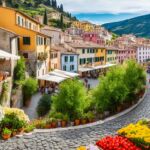
How can you capture Italy’s beauty in just one week in Italy? The key is a journey through Rome Florence Venice guide. Each turn tells a story, every cobblestone is filled with history, and Renaissance art comes alive. This trip is more than a vacation; it’s a journey through Rome’s grandeur, Florence’s artistry, and Venice’s serene canals.
As the Grand Canal of Venice comes alive with water taxis and the sunset paints Florence’s buildings golden, a question arises. What secrets do these cities hold for those willing to explore beyond the usual paths? For those looking to discover Italy’s hidden gems, venturing off the beaten path is key. It’s about connecting with Italy’s heart and soul.
The sound of water against gondolas in Venice, ready to take you under the Bridge of Sighs, tells a story of a city with a dwindling population. Yet, Florence awaits, a city with a big heart, offering history through ancient wine windows and the Duomo. This grand city welcomes everyone, offering inspiration without charge.
Train travel in Italy makes exploring these cities easy, with Venice and Florence just 1.5 hours apart. Planning your Italy’s iconic cities itinerary is exciting. Do you want to see the sunset crowds at Piazzale Michelangelo or enjoy a Florentine gelato class? Visit during the shoulder months for the best weather, fewer crowds, and a welcoming atmosphere.
Rome, Florence, and Venice each tell part of Italy’s story. A first-time trip might include three nights in Rome, two days in Florence, and two nights in Venice. Let the cities guide you, from a gondola serenade at dusk to the scent of Tuscan wines. Italy welcomes everyone, seasoned travelers or first-timers, with open arms.
A Cultural Journey Through Venice: The City of Canals
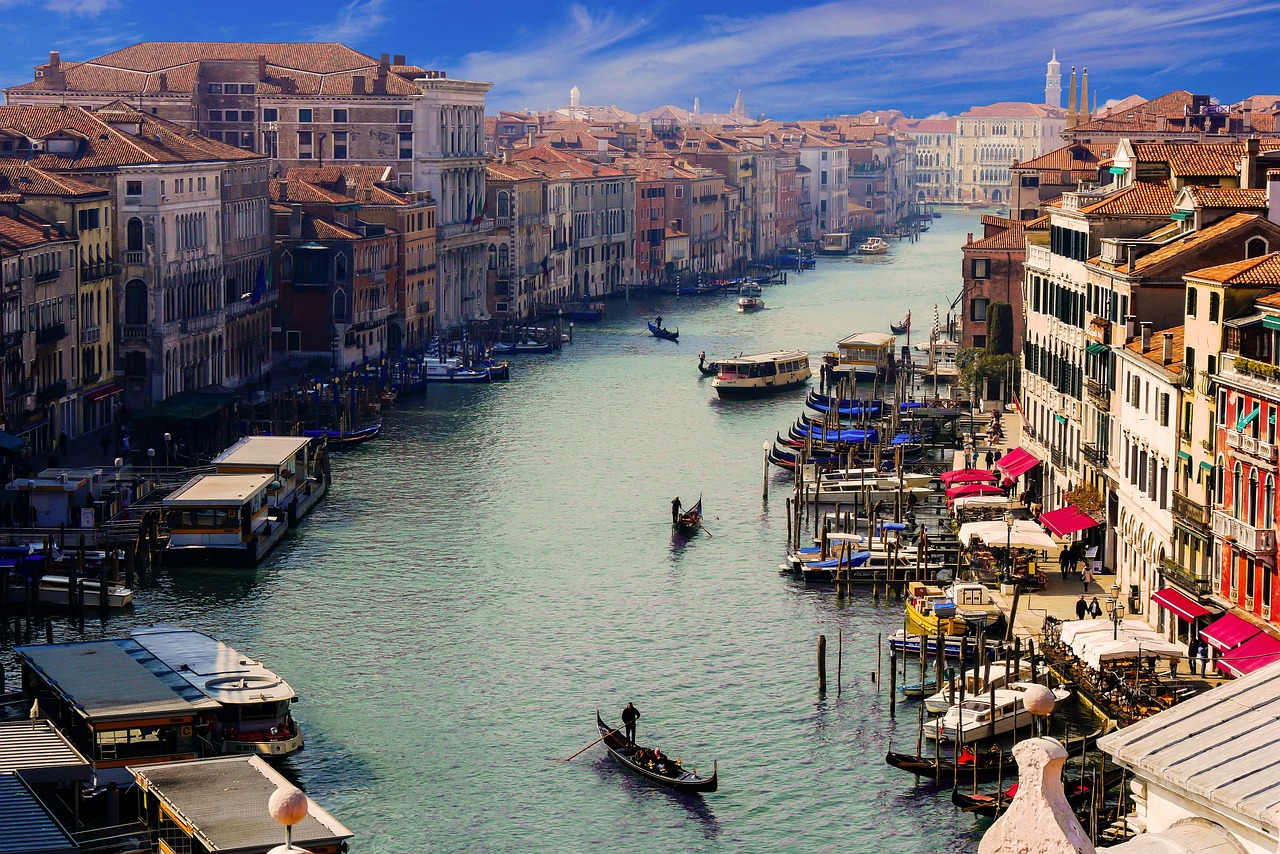
Exploring Italy’s culture takes you to Venice, a city full of charm. It’s a must-see spot in Italy, known as the Queen of Canals. Venice offers a unique experience with its beautiful canals, stunning architecture, and lively local life.
Start your journey by walking through famous places like St. Marks Square and winding streets. Every corner reveals something new, from the world’s narrowest streets to the stunning Duomo. Planning your visit well is key to enjoying the city’s beauty without the crowds, especially in spring and early autumn.
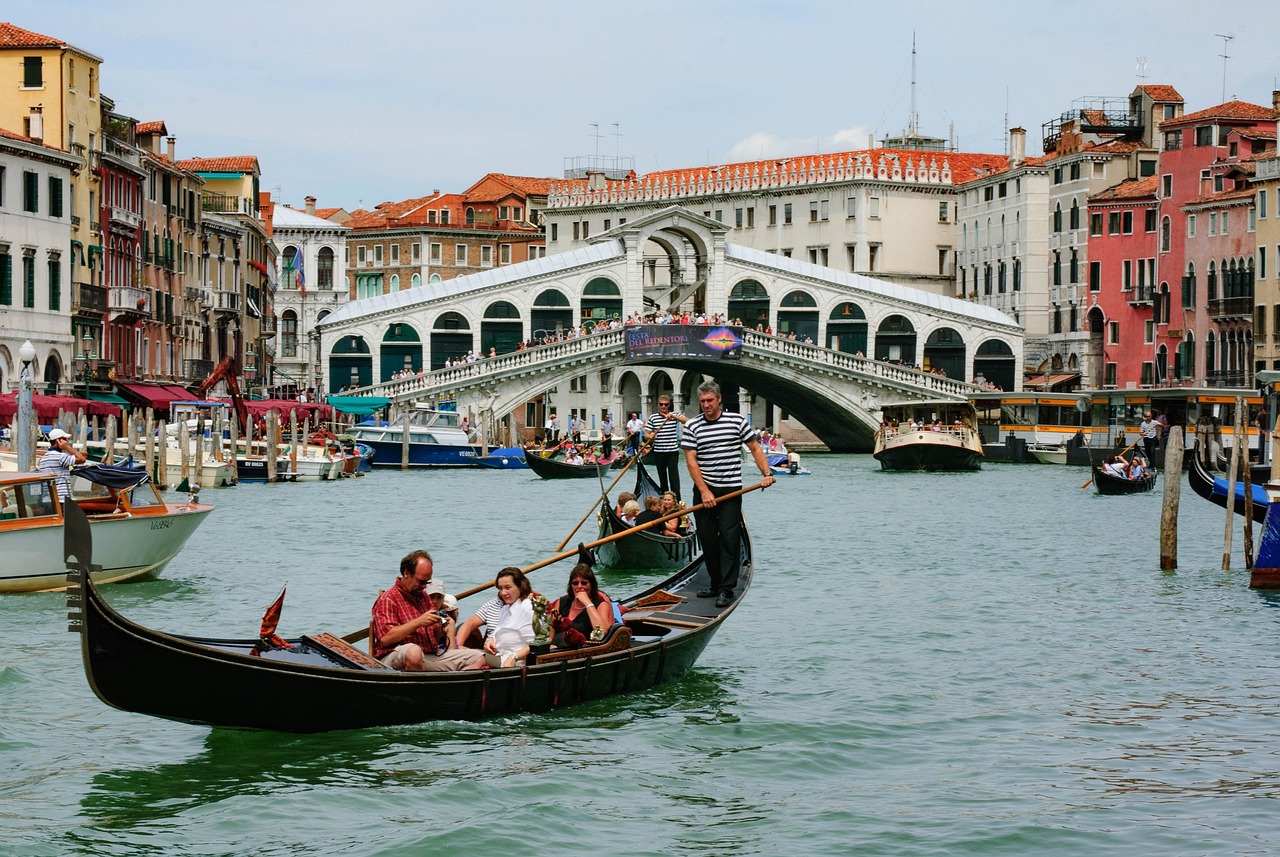
As you ride a gondola on the Grand Canal, you’ll see the Rialto Bridge and the lively scenes there. The canals are not just for transportation; they help keep Venice’s ecosystem balanced. This shows why sustainable tourism is important.
Next, dive into Venice’s food scene. Try authentic dishes at Ristorante Trattoria Cherubino or have a limoncello spritz at Al Cinema Italia. The nights here are full of Venetian charm. Staying at Hotel Belle Epoque lets you experience traditional Venetian style, close to the train station.
Venice’s culture and its environmental challenges show the importance of careful tourism. Its beautiful architecture and community spirit make it stand out in Italy. When planning your visit, take your time and fully experience Venice. This way, you’ll truly appreciate this Italian gem.
Immersive Art and History in Florence: Tuscany’s Crown Jewel
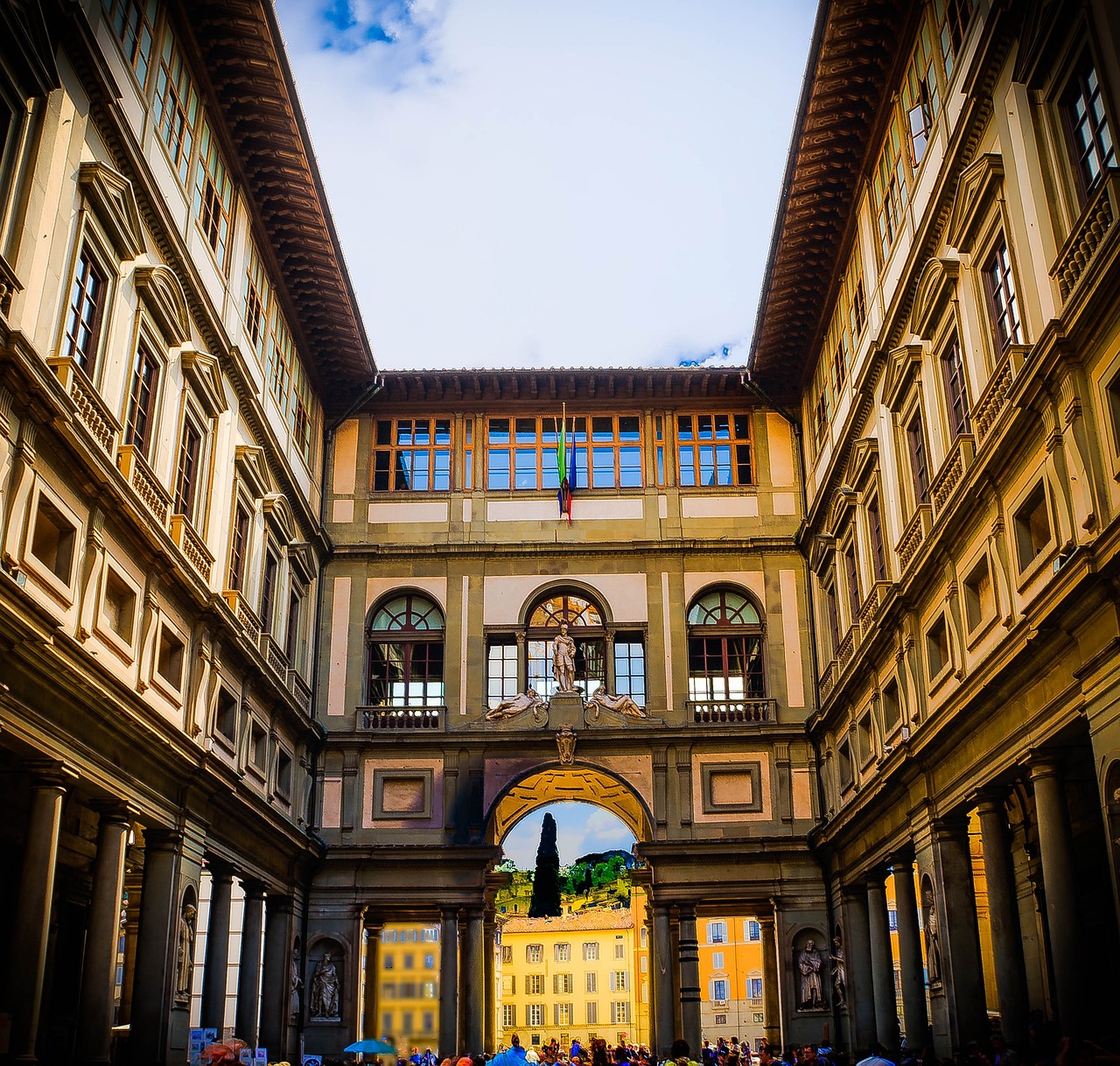
Florence is known as the birthplace of the Renaissance. It offers a unique blend of history and culture. Make sure to visit the historic center, packed with ancient landmarks and lively markets. The Uffizi Gallery and the Accademia museum are must-sees, with tours for just ten and nine people, respectively. This lets you get up close with famous artworks.
Adding Tuscany wine tasting to your trip is a great idea. You can visit the Tuscan countryside, see historic sites like Villa di Poggio a Caiano, and enjoy the famous wines. After exploring Florence, you can head to the countryside or go to Rome, making your trip even more memorable.
Florence is easy to get to, thanks to Florence International Airport, just 20 minutes away. You can take the ATAF Volainbus shuttle or tramways to the city center. There are many places to stay, from the Granduomo to cozy bed-and-breakfasts like FuordArno, for all budgets.
Don’t forget to explore the artisan shops in Oltrarno and climb the Duomo for amazing views. Every part of your Florence city itinerary adds to a rich Italian experience. You’ll see the best of art, history, and culture that Florence has to offer.
Italy’s Iconic Cities Itinerary: A Seamless Blend of History and Modernity
Starting an Italy city itinerary takes you on a journey into the heart of Italy’s charm. It’s a mix of the old and new in Rome, Florence, and Venice. This guide helps you see the best of both worlds.
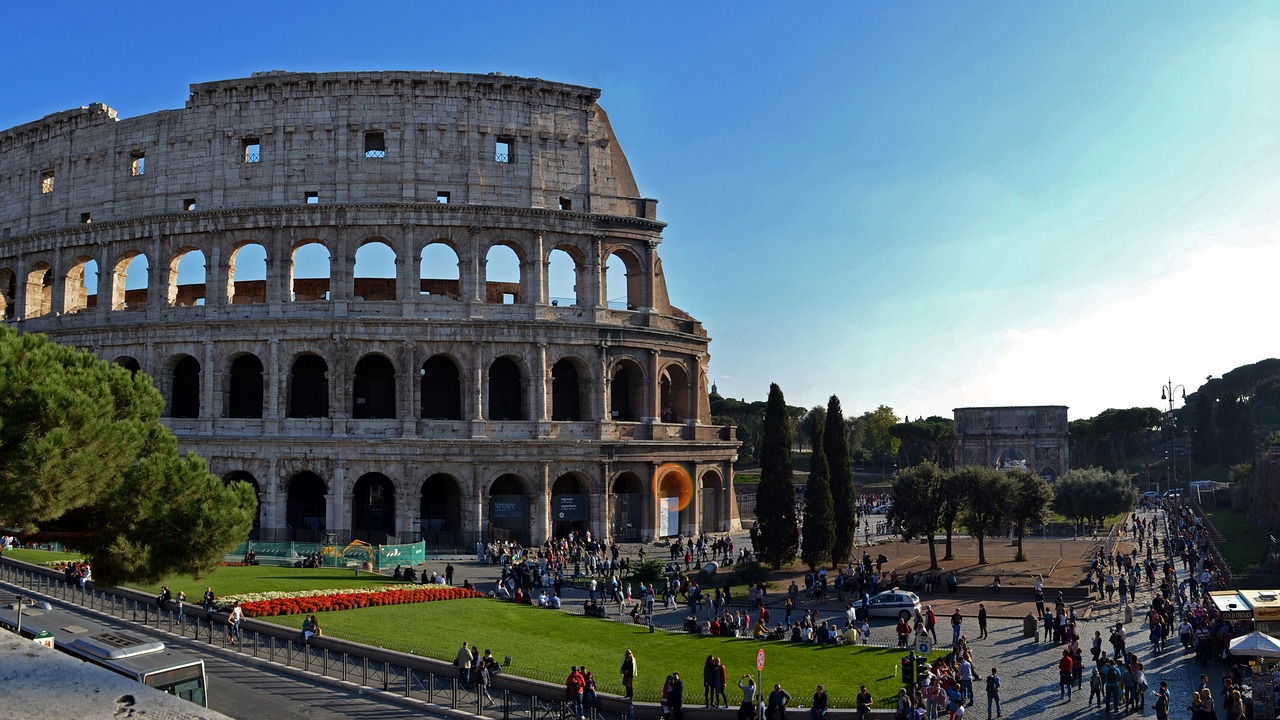
Rome begins with ancient wonders like the Colosseum. Florence is next, where art comes alive. You feel the past and present here, standing in front of Michelangelo’s David.
Then, Venice offers a world of mystery with its canals and squares. It’s a place where time seems to stand still.
By exploring Italy’s culture, you get to know Italy’s true spirit. Each city has its own vibe that adds to the Italian experience. From Venice’s canals to Florence’s Uffizi gallery, every moment is special.
Italy’s train system makes traveling between cities easy and fun. It connects Rome, Florence, and Venice beautifully. This lets you dive deep into Italy’s history and culture.
A great Italy city itinerary takes you from Rome’s history to Florence’s art and Venice’s beauty. This journey shows how Italy’s cities have evolved. It also highlights their timeless charm around the world.
The Eternal City: Discovering Rome’s Timeless Splendor
Starting a week in Italy means diving into Rome’s vibrant culture and history. This city is a must-see, attracting millions each year. It’s filled with art and history, making it a unique experience.
The Colosseum, built in AD 70-80, shows Rome’s powerful past. It was the heart of Roman entertainment. Imagine the stories it could tell.
At the Roman Forum, you can feel the city’s ancient energy. It was the center of the empire. You’ll see the Temple of Saturn and the Arch of Titus, taking you back in time.
Then, visit the Pantheon, a wonder of ancient engineering. It’s still impressive today. Near it is Vatican City, home to St. Peter’s Basilica and the Vatican Museums. These places are full of art and faith.
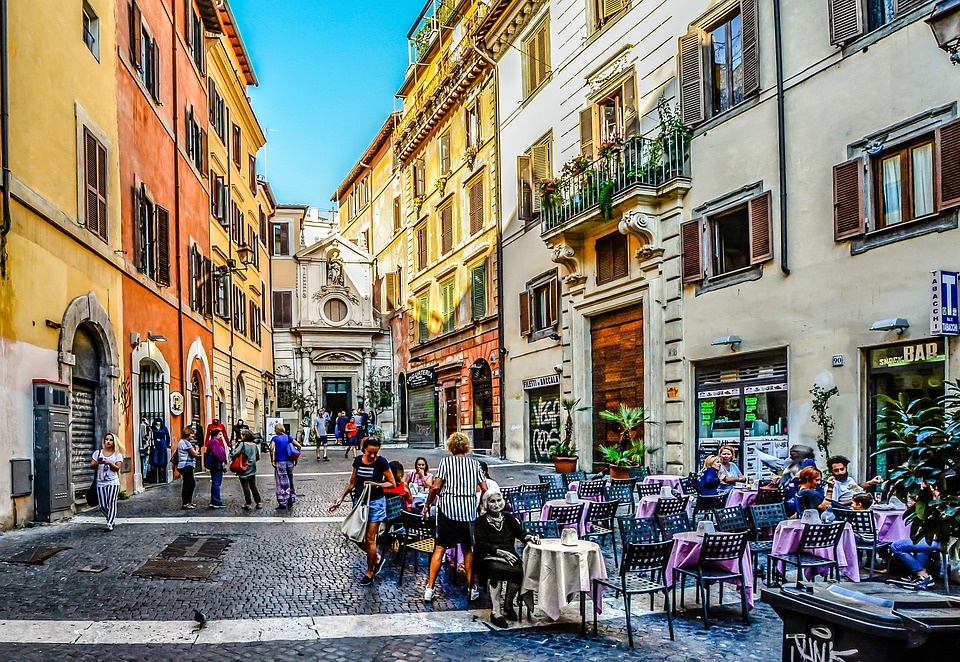
Rome is more than just history. Its streets, like those to the Trevi Fountain, are full of life. Tossing a coin into the fountain means you’ll return, keeping Rome’s charm alive in your heart.
Don’t miss the Spanish Steps, a beautiful staircase with great views. It’s a favorite spot for both locals and tourists. As your Italy trip ends, Rome’s mix of old and new will stay with you, celebrating Italy’s enduring beauty.
The Sahara Desert is huge and famous. It has a mix of beautiful lands and rich cultures. It covers about 3.6 million square miles (9.4 million square kilometers).
This makes it the biggest hot desert worldwide. It goes through ten African countries. These include Algeria, Chad, Egypt, Libya, Mali, Mauritania, Morocco, Niger, Sudan, and Tunisia.
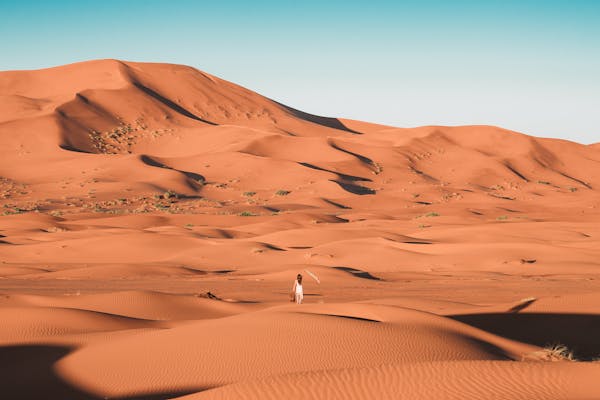
Visit the Sahara Desert and you’ll see very hot summers and freezing winter nights. Some areas get almost no rain. But, the desert has many different parts. You’ll find endless sand dunes, some reaching 590 feet (180 meters), which are about a quarter of the desert.
The area’s history comes alive with old rock paintings and carvings. They show the Sahara was once full of life and green. People have lived in the Sahara for thousands of years. Today, you can do many things there, like riding camels, sleeping under the stars, seeing old buildings, and finding green oases.
Key Takeaways
The Sahara Desert spans approximately 3.6 million square miles, making it the largest hot desert in the world.
It covers parts of ten countries: Algeria, Chad, Egypt, Libya, Mali, Mauritania, Morocco, Niger, Sudan, and Tunisia.
Summer temperatures can exceed 120°F, while winter nights may drop below freezing.
The desert features vast sand dunes known as ergs, which can reach heights of up to 590 feet.
Ancient rock paintings suggest the Sahara was once a fertile region with diverse wildlife.
The Geography and Climate of the Sahara Desert
The Sahara Desert is huge, about as big as the United States. It spans from east to west for 3,000 miles. This vast desert covers nearly one-third of Africa, slicing North and South Sub-Saharan Africa apart. The Sahara’s weather and landforms make it an awe-inspiring yet tricky place to survive.
Climate
The Sahara is famous for its hot days and little rain. Each year, it gets around 3 inches of rain. This rain mainly comes in December to March and a bit in August. The desert’s weather is split into two main types: north is a dry subtropical climate and south is dry tropical.
In the north, it might get as cold as 55°F in winter and super hot in summer. The south can reach over 122°F in late spring and summer. Winter nights in both areas can get freezing.
People keeping cattle have kept the Sahara near the same for 7,000 years. For 2,000 years, it’s been pretty stable, except during the 16th to 18th centuries’ Little Ice Age.
Landscape
The Sahara is not just sand but also has mountains and more. It has dunes, reg, ergs, the Ahaggar and Tibesti Mountains, and the Libyan Desert. Over 25% of it is sand, with dunes reaching nearly 180 meters high. Central Sahara has ergs, shifting sand dunes, and the north more regs, flat gravel or rock plains.
The Ahaggar and Tibesti Mountains offer a different view. Mount Koussi in Tibesti is the Sahara’s highest point, at 3,415 meters. These mountains and scattered oases break up the sand sea.
Size-wise, the Sahara covers a lot of Africa, around 31%. It’s about 4,800 kilometers long and 1,800 kilometers wide. Its tough weather and massive size create a unique, breathtaking scene.
Feature
Details
Length
4,800 km (3,000 mi)
Width
1,800 km (1,100 mi)
Area
9,200,000 km² (3,600,000 mi²)
Annual Precipitation
3 inches (76 mm)
Temperature Range
Day: >50°C (122°F), Night:
Highest Point
Mt. Koussi, 3,415 m (11,204 ft)
The History and Culture of the Sahara Desert
The Sahara Desert stands out for its rich history and diverse cultures. It stretches around 3,000 miles from east to west and up to 1,200 miles north to south. This huge area is full of interesting history and various ways of life.
Ancient Civilizations
Long ago, the Sahara was a lush area with lots of wildlife and big empires. We know this from old rock art and other things found in the desert. The early people’s stories show how rich the Sahara’s history is.
Nomadic Tribes
Life is hard for those moving around the Sahara. The Tuareg people are one group known for their tough spirit and how they are led by women. They have their own way of life in the desert and wear special blue clothes.
Besides the Tuareg, there are Berber tribes like the Shawiya, Kabyle, and Mozabites. These groups keep their cultures strong, even in the tough desert.
Trade and Commerce
The Sahara’s trade routes are key to its past. They linked the desert to parts of Africa and the Mediterranean. This let people share goods, ideas, and ways of life. Gold, salt, and slaves were big items in this trade.
Using these routes, big empires of the past could grow rich. This made the Sahara an important place in history.
The mix of moving nomads, farmers, and traders keeps the Sahara’s culture unique. The people’s adaptability over time is clear in their stories and traditions.
Top Things to See and Do in the Sahara Desert
The Sahara Desert is huge, filled with many fun things to see and do. You can try camel trekking or stay in comfy desert camps. There is something exciting for every visitor.
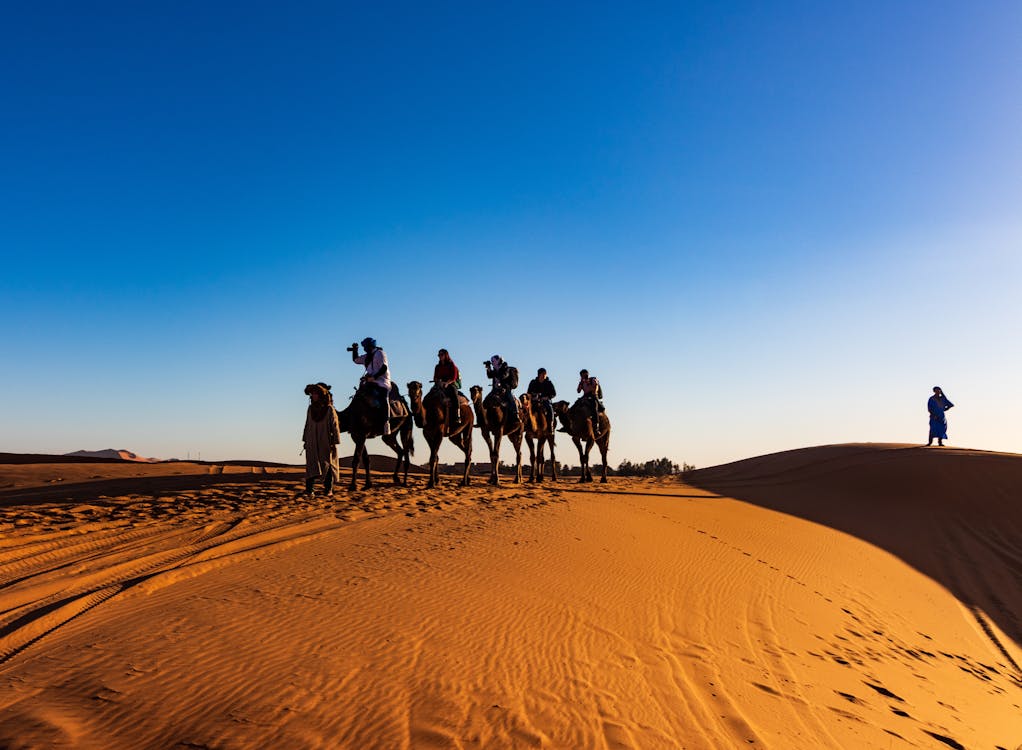
Camel trekking in the Sahara is a classic adventure. It lets you walk the desert like the Berbers, Tuaregs, and Bedouins have done for ages. These tours are usually in small groups and give you a taste of peaceful desert life.
There are also amazing desert trek adventures. They are extra special during the Festival of the Sahara, when the area’s culture shines. Most activities are family-friendly, so even kids aged five and up can join.
Activity
Details
Horse Riding
Available during the winter, with a weight limit of 95kg; riders need to be comfortable trotting to galloping on rough terrain.
Quad Bike Trips
Recommended for 1-2 hours, perfect for exploring sandy dunes.
Sand Bath
Healing properties, up to 30 minutes; ideal during summer months.
Stargazing
Unobstructed views due to no light pollution, best with a free stargazing app.
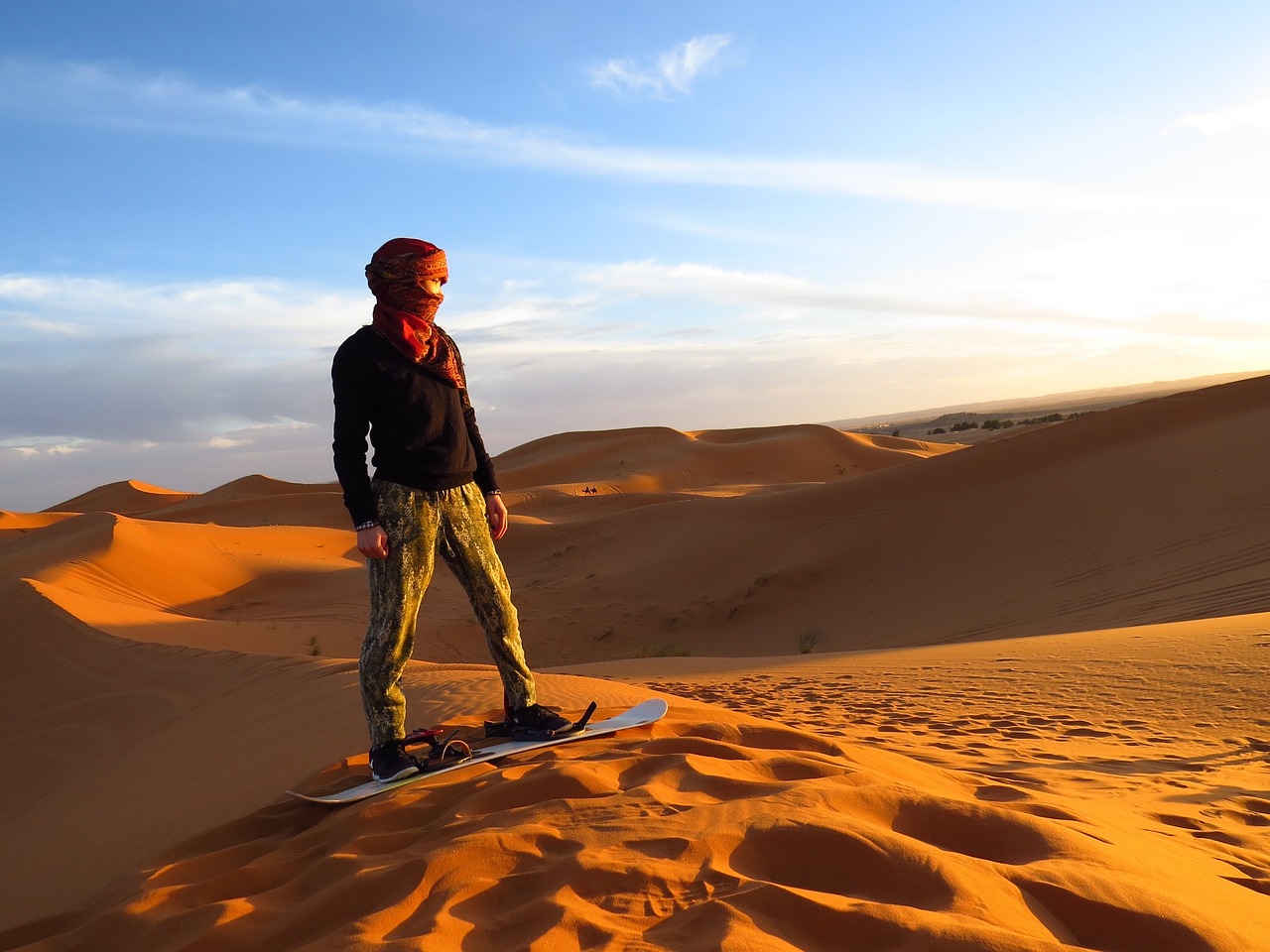
Sand Surfing
Thrilling adventure on the golden dunes with sand/snow boards or skis.
Don’t miss the stunning oases like Siwa Oasis and Chebika. Their green beauty stands out in the desert. They also share the history and traditions of the locals.
If you love wildlife, the Sahara has rare animals like the desert fox (Fennec). Erg Chebbi and Erg Chigaga are great for seeing these creatures. They also work on saving animals like addax and gazelles.
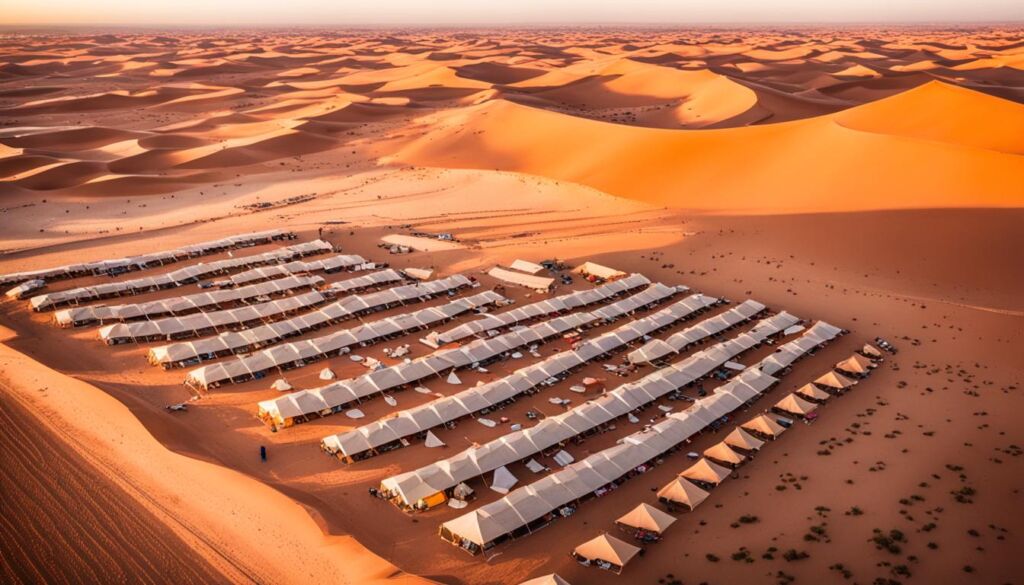
For a real desert experience, try a Sahara Desert camp. They let you live like a nomad, with a warm campfire and tasty grilling. It’s a unique way to enjoy the sandy night skies.
Exploring the Sahara Desert
Going to the Sahara Desert lets you see a special place on our planet. It is over 3.8 million square miles and touches eleven countries. From the sandy dunes of Merzouga to the tall Ahaggar Mountains, the Sahara is full of beauty and history.
Camel Trekking
A trip to the Sahara is not complete without a camel ride. You can start from places like Merzouga. These camel trips show you the vast desert and old caravan paths.
Camping Under the Stars
Sleeping under the Saharan sky is magical. It’s very hot during the day, but cools down at night. You can camp near beautiful places like the Tassili n’Ajjer or Tadrart Acacus.
Visiting Oases
Oases in the Sahara, like Siwa Oasis, are like green gems in the desert. They are important for many plants and animals. Seeing them up close shows how precious water is in the desert.
Exploring Ancient Ruins
The Sahara holds many old sites. Places like Tassili n’Ajjer are full of ancient art and ruins. They tell the story of people who lived there long ago.
Exploring the Sahara is more than seeing sand. It’s about the many cultures and the natural wonders. Every part of this huge desert is waiting for you to find adventure and learn.
Activity
Location
Highlight
Camel Trekking
Merzouga
Traversing Erg Chebbi dunes
Camping
Tassili n’Ajjer
Stargazing
Oasis Visit
Siwa Oasis
Flora and fauna
Ancient Ruins
Tadrart Acacus
Rock art
Adventure Activities in the Sahara Desert
The Sahara Desert is full of fun for those who love adventure. You can try sandboarding or take a hot air balloon ride. It’s a perfect mix of thrill and beautiful views.
Sandboarding
Sandboarding in the Sahara is just like snowboarding but on sand. The tall dunes in Erg Chebbi are great for this. They can be as tall as 160 meters. It’s exciting for both beginners and experts.
Four-Wheel Drive Tours
Do you like fast rides and rough roads? Then, a 4WD tour in the Sahara is for you. Let the experts guide you through the desert’s different landscapes. It’s a big adventure you won’t forget.
Hot Air Balloon Rides
Riding a hot air balloon in the Sahara is amazing. You see the vast dunes below as you glide peacefully. It’s a magical way to experience the desert at sunrise or sunset.
These activities offer both fun and a chance to see the Sahara’s beauty up close.
Activity
Experience
Location
Sandboarding
Exhilarating descent down the sandy slopes
Erg Chebbi, Morocco
4WD Desert Tours
Adrenaline-filled trips through rugged terrain
Various locations across Sahara
Hot Air Ballooning
Serene aerial views at sunrise or sunset
Recommended near desert camps
Exploring Moroccan Sahara: Erg Chebbi and Erg Chigaga
Have you ever been to the Moroccan Sahara? It’s home to the amazing Erg Chebbi and Erg Chigaga dunes. These places let you experience the desert in a special way. You’ll find luxury camps, fun activities, and meet the friendly Berber people.
Erg Chebbi
Imagine a desert near Merzouga town where people love to go. It has huge sand dunes, some over 500 feet high! These dunes go on for over 13 miles. Many tour groups take you to see them. It’s best to visit from October to May when it’s not too hot. You can do things like ride a camel or walk to the dunes. Try sandboarding or see the amazing sunrise and sunset in the desert.
Erg Chigaga
Now think of a place less crowded and very big. That’s Erg Chigaga, about 30 miles from M’Hamid. It’s a long trip from Marrakech but worth it. These dunes are the biggest in Morocco. Some are over 164 feet high. It’s perfect for quiet time and seeing the stars. The weather changes a lot, but it’s most pleasant from October to April.
You can try sandboarding, ride a camel, bake nomadic bread, and visit Iriqui National Park.
Accommodations
The Sahara offers amazing luxury camps at places like Erg Chebbi and Erg Chigaga. Erg Chigaga is known for its comfy, big tents. They have soft carpets, big beds, and private bathrooms. You mix with Berber culture and enjoy great food and music. There are also tents to try the nomadic life. These camps mix desert charm with luxury for a great stay.
Conclusion
Going on a Sahara Desert journey is like entering a world full of beauty, history, and adventure. It is as big as all the states joined together, filled with wonders. You can see the beauty of desert nights and the busy life at camel markets. The Sahara has grown by about 10% since 1920 because of climate change we cause and natural weather patterns.
The Sahara is great for those who love adventure. You can ride camels, fly in hot air balloons, snowboard on sand, or take a desert drive. Places like Erg Chebbi and Erg Chigaga in Morocco mix stunning nature with old traditions. People love staying in nomad camps, watching stars, and visiting ancient sites and oases.
The Sahara is not just stunning, it’s home to many animals and cultures. Yet, it faces a big problem with dryness and climate change. This is hurting the land and the people who live there. We need to work on these issues to help the desert and its people.
A journey in the Sahara is a mix of peace, fun, and learning. You can see the big dunes, learn about its rich culture, or just enjoy the night sky. It’s a place that touches your heart and stays in your memories. Discover why people from all over still find it a special place.
FAQ
How large is the Sahara Desert?
The Sahara Desert is huge, covering about 3.6 million square miles. It’s the world’s biggest hot desert.
Which countries does the Sahara Desert span?
It spans many countries, including Algeria, Chad, Egypt, Libya, and several more.
What is the climate like in the Sahara Desert?
The Sahara’s climate is very extreme. It can get hotter than 120°F and colder than freezing. There’s very little rain.
What are some popular activities to do in the Sahara Desert?
Activities include camel trekking, sandboarding, and four-wheel-drive tours. Also, hot air balloon rides and exploring oases are fun.Other activities are camping under the stars and visiting old ruins.
What are the notable geographic features of the Sahara Desert?
It has vast sand dunes, mountains like Tibesti, and the Libyan Desert.
What historical and cultural elements are associated with the Sahara Desert?
The Sahara holds deep history with ancient civilizations and nomadic tribes. Notable for trade routes too. You can find ancient rock art and ruins.
What makes the Moroccan Sahara particularly popular?
The Moroccan Sahara is known for its high dunes, offering great desert trips. You can stay in Berber tents or luxury camps, enjoying local food and music.
What are some of the major oases in the Sahara Desert?
Oases like Siwa and Chebika stand out, with lush spots in the desert.
Can you do adventure sports in the Sahara Desert?
Yes, sports like sandboarding and four-wheel-drive tours are big. Erg Chebbi is a top spot for these.
How can one experience the nomadic life in the Sahara Desert?
To live like a Berber, stay in their tents, eat their food, and see their way of life. You’ll enjoy their warm welcome.
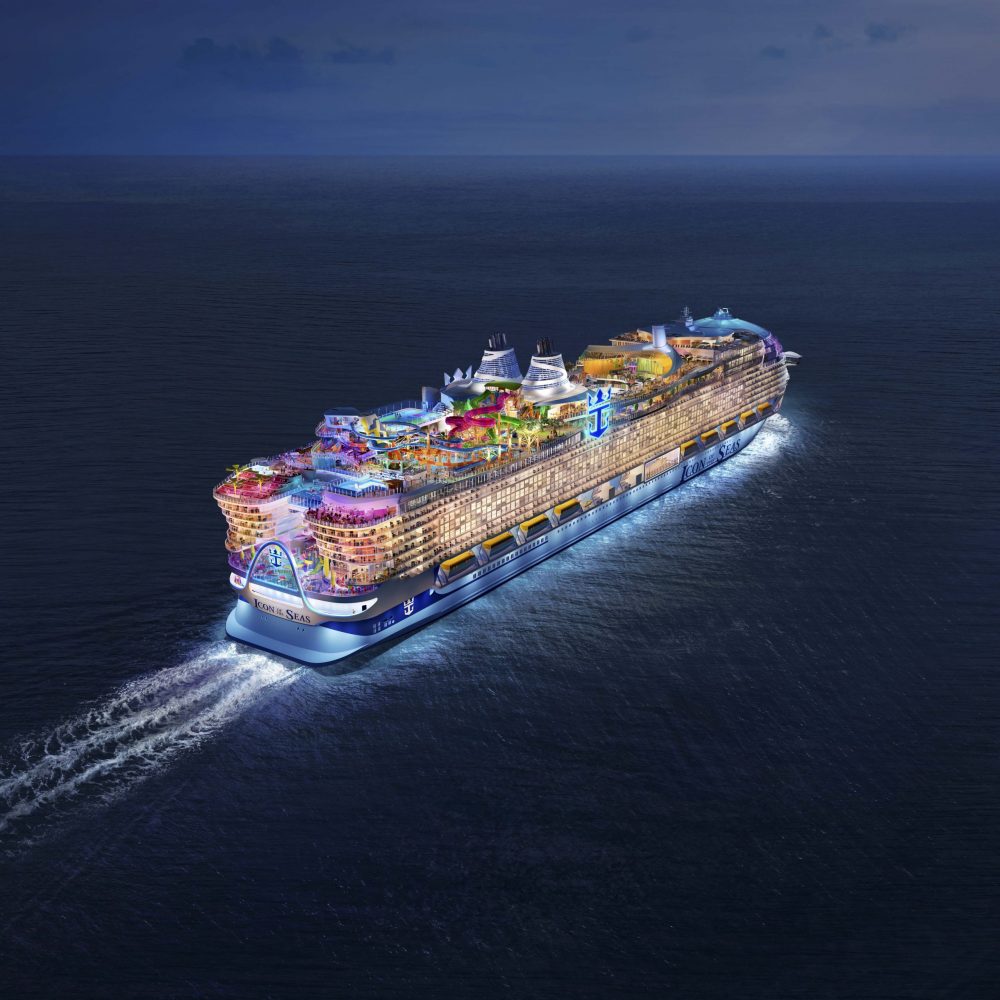
Set Sail on a Titan: Step aboard the Icon of the Seas, the world’s largest cruise ship, and indulge in its unparalleled offerings.
The ocean has a new monarch—Royal Caribbean’s Icon of the Seas. Launched on January 25, 2024, this gargantuan sea titan is not just a ship but a floating destination replete with excitement, luxury, and adventure. The Icon rises as the biggest cruise ship to date, an architectural marvel spanning 1,198 feet, backed by the weighty promise of transforming sea travel as we know it.
Key Features:
World’s largest cruise ship: Hosting 5,610 guests with 2,350 crew members aboard.
Diverse neighborhoods: 8 distinctive areas, each with its unique vibe and offerings.
Thrill Island: The ultimate playground with the largest seascape waterpark and adrenaline-pumping attractions.
Swim & Tonic Bar: Indulge in a drink without leaving the pool, complete with breathtaking sea views.
Varied entertainment: 15 venues including music, live performances, and the first Royal Caribbean duelling pianos bar.
Messi as the Icon: Brought into the limelight with the football legend Lionel Messi gracing its naming celebration.
CocoCay private island visits: Excursions to Royal Caribbean’s private Bahamian island with an adults-only retreat.
Rover the Chief Dog Officer: The ship’s furry ambassador to charm the passengers.
Accessible luxury: 7-night voyages starting from £1358pp.
Why is it so important?
The Icon of the Seas catapults the cruising experience into a new epoch. Prior to its debut, obstacles such as spatial restrictions, limited activities, and the lack of diversity in onboard experiences were common. With space constriction now a thing of the past, the Icon’s colossal structure and multitude of neighborhoods offer a plethora of activities, ensuring that every moment on the high seas is unique and unforgettable. Introducing revolutionary thrills like the highest swings and slides at sea, alongside serene swim-up bars, means that adventure-seekers and leisure-lovers alike can find their perfect getaway. As it introduces renowned figures like Messi into its story, the Icon of the Seas adds global appeal and an extra touch of glamour to its voyages.
Who is it for?
The Icon of the Seas has been crafted for a wide audience. Families can delight in the child-friendly wonders of Thrill Island, while romantic duos can find their sanctuary in overwater cabanas at Hideaway Beach, the private island escape. Corporate retreats can leverage the ship’s expansive facilities and entertainment options to mix business with pleasure. Here are real-life implications of the Icon’s offerings:
A family can spend an entire trip without repeating a single adventure, with neighborhoods and activities for every age.
Couples on a honeymoon can relish intimate experiences, from private beaches to elegant bars, without needing to venture back to land.
Corporate teams can host impactful events with a blend of relaxation and team-building exercises, all within the breathtaking setup of the open ocean.
As we peer into the horizon, the maritime vista twinkles with the promise of an evolving era of cruise travel. With behemoths like the Icon of the Seas charting new waters, the future looks ripe for extraordinary innovations, immersive experiences, and perhaps larger, even more feature-packed maritime wonders. As society advances and leisure travel takes on new dimensions, Royal Caribbean’s Icon of the Seas heralds a tantalizing glimpse of what’s on the distant, yet ever-approaching, maritime horizon.