Set Sail on a Titan: Step aboard the Icon of the Seas, the world’s largest cruise ship, and indulge in its unparalleled offerings.
The ocean has a new monarch—Royal Caribbean’s Icon of the Seas. Launched on January 25, 2024, this gargantuan sea titan is not just a ship but a floating destination replete with excitement, luxury, and adventure. The Icon rises as the biggest cruise ship to date, an architectural marvel spanning 1,198 feet, backed by the weighty promise of transforming sea travel as we know it.
Key Features:
World’s largest cruise ship: Hosting 5,610 guests with 2,350 crew members aboard.
Diverse neighborhoods: 8 distinctive areas, each with its unique vibe and offerings.
Thrill Island: The ultimate playground with the largest seascape waterpark and adrenaline-pumping attractions.
Swim & Tonic Bar: Indulge in a drink without leaving the pool, complete with breathtaking sea views.
Varied entertainment: 15 venues including music, live performances, and the first Royal Caribbean duelling pianos bar.
Messi as the Icon: Brought into the limelight with the football legend Lionel Messi gracing its naming celebration.
CocoCay private island visits: Excursions to Royal Caribbean’s private Bahamian island with an adults-only retreat.
Rover the Chief Dog Officer: The ship’s furry ambassador to charm the passengers.
Accessible luxury: 7-night voyages starting from £1358pp.
Why is it so important?
The Icon of the Seas catapults the cruising experience into a new epoch. Prior to its debut, obstacles such as spatial restrictions, limited activities, and the lack of diversity in onboard experiences were common. With space constriction now a thing of the past, the Icon’s colossal structure and multitude of neighborhoods offer a plethora of activities, ensuring that every moment on the high seas is unique and unforgettable. Introducing revolutionary thrills like the highest swings and slides at sea, alongside serene swim-up bars, means that adventure-seekers and leisure-lovers alike can find their perfect getaway. As it introduces renowned figures like Messi into its story, the Icon of the Seas adds global appeal and an extra touch of glamour to its voyages.
Who is it for?
The Icon of the Seas has been crafted for a wide audience. Families can delight in the child-friendly wonders of Thrill Island, while romantic duos can find their sanctuary in overwater cabanas at Hideaway Beach, the private island escape. Corporate retreats can leverage the ship’s expansive facilities and entertainment options to mix business with pleasure. Here are real-life implications of the Icon’s offerings:
A family can spend an entire trip without repeating a single adventure, with neighborhoods and activities for every age.
Couples on a honeymoon can relish intimate experiences, from private beaches to elegant bars, without needing to venture back to land.
Corporate teams can host impactful events with a blend of relaxation and team-building exercises, all within the breathtaking setup of the open ocean.
As we peer into the horizon, the maritime vista twinkles with the promise of an evolving era of cruise travel. With behemoths like the Icon of the Seas charting new waters, the future looks ripe for extraordinary innovations, immersive experiences, and perhaps larger, even more feature-packed maritime wonders. As society advances and leisure travel takes on new dimensions, Royal Caribbean’s Icon of the Seas heralds a tantalizing glimpse of what’s on the distant, yet ever-approaching, maritime horizon.
Europe is a treasure trove for history buffs. It’s full of sites rich in culture and ancient history. You can see medieval castles and ancient ruins. Berlin in Germany is a great place to visit, with its mix of old and new.
It has famous spots like the Brandenburg Gate and the East Side Gallery. Dubrovnik in Croatia has walls from the 13th to 16th centuries. Prague in Czechia has a huge castle that’s over 1000 years old.
Vienna in Austria is full of history too. You can see the Hofburg and Schloss Schönbrunn, both are UNESCO sites. Budapest in Hungary is very beautiful and rivals Paris in charm.
The Scottish Highlands offer stunning landscapes. Florence and Tuscany in Italy have beautiful hills and vineyards. This guide will help you explore Europe’s historical sites with travel tips and hotel advice.
Key Takeaways
Berlin offers a fusion of history and modernity, symbolized by landmarks like the Brandenburg Gate.
Dubrovnik’s historic ramparts are among the world’s finest, dating from the 13th to 16th centuries.
Prague boasts the world’s largest ancient castle complex, spreading across 7 hectares.
Vienna showcases the grandeur of the Habsburg era with UNESCO World Heritage Sites like the Hofburg and Schloss Schönbrunn.
Budapest is celebrated for its stunning beauty and charm, rivaling even Paris.
The Scottish Highlands offer breathtaking landscapes, historic castles, and unparalleled hospitality.
Florence and Tuscany highlight Italy’s romanticized region with picturesque vineyards and exceptional cuisine.
Rome – The Eternal City of Ancient Ruins
Rome was founded by King Romulus in 753 BC. It’s a city with over 2,500 years of history. It’s Italy’s most populated city with 2,860,009 people. Rome is also a UNESCO World Heritage Site, known for its culture and ancient buildings.
It’s the third most populous city in the EU. Rome mixes old history with modern life. This makes it a unique place for travelers.
Must-Visit Sites
Exploring Rome is like going back in time. The Colosseum was built from 70 to 80 AD. It could hold 80,000 people, showing Rome’s greatness.
Visitors love St. Peter’s Basilica in Vatican City. It’s one of the biggest churches in the world and shows off Renaissance art. The Roman Forum was once the center of politics and social life. It gives us a glimpse into the past.
Rich Museums and Historical Treasures
Rome has many museums and treasures. The Vatican Museums have Michelangelo’s Sistine Chapel and Raphael’s frescoes. Villa Borghese’s gallery has works by Bernini, Canova, Caravaggio, Raphael, and Titian.
The Altar of Peace celebrates Augustus’ return. The Fontana di Trevi is famous for coin-throwing. These are just a few places you must see.
Accommodation Options
Rome has many places to stay. You can choose from luxury hotels or charming boutiques. Hotels near the Colosseum or St. Peter’s Basilica are great for easy access to sights.
Many places to stay offer guided tours. This makes exploring Rome’s history easy.
Paris – A Blend of Romance and Historical Riches
Paris is in the north-central part of France. It’s a city that captures hearts with its history and romance. It covers 41 square miles and has a population of 2,145,906. The bigger area has about 10,858,874 people.
Paris has 20 areas, each with its own charm. The Seine River flows through 10 of them, making the city beautiful. The city’s height changes from 430 feet to 85 feet, offering great views.
The city is famous for its Gothic buildings and landmarks like Notre Dame Cathedral. It took from 1163 to 1345 to build. The Louvre museum is also here, showing Paris’s cultural importance.
Paris is full of stories from the French Revolution. The Arc de Triomphe honors those who fought in the Napoleonic Wars. Museums like the Musée d’Orsay show off art and history.
Paris has many green spaces, with trees and parks. The Promenade Plantée is an elevated park for walking. These places let you enjoy the city’s beauty.
Neighborhoods like Le Marais and Montmartre are full of history and art. They show Paris’s heritage and traditions. Walking here, you feel the French Revolution’s impact.
Paris has many historical sites, like Notre Dame and the Palace of Versailles. The Eiffel Tower is a symbol of romance and draws millions. It shows Paris’s rich history and beauty.
Paris mixes romance and history perfectly. It’s a key place for exploring culture and France’s past and present.
Historical Cities With Timeless Charm
Exploring historic European cities is like going back in time. You’ll see ancient ruins, beautiful art, and old castles. It’s a great trip for anyone who loves culture.
Athens – Cradle of Western Civilization
Athens is famous for its deep history. You can walk where famous thinkers like Socrates walked. It’s full of stories from Athens Greek mythology.
See the Acropolis and the Parthenon. Then, enjoy the city’s modern side with great food, art, and music.
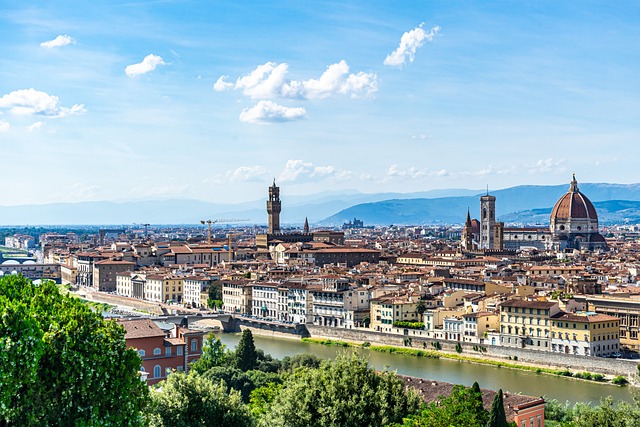
Florence – The Birthplace of the Renaissance
Florence is a city of art and history. It’s known for its Florence renaissance art. You can see the Duomo, Uffizi Gallery, and Michelangelo’s David.
Everywhere you go, you’ll hear stories of its past. It’s a place that will capture your heart.
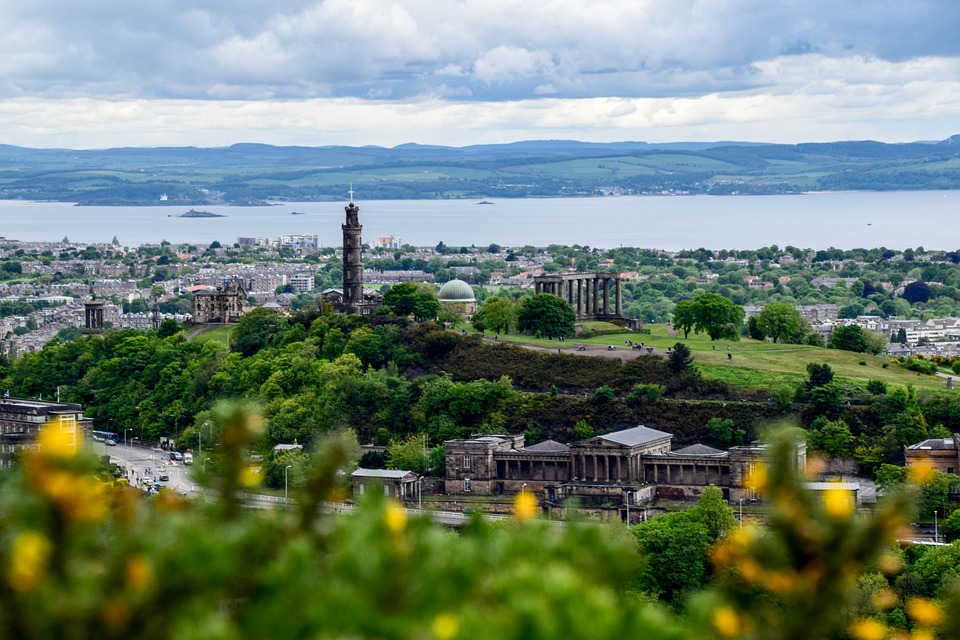
Edinburgh – A City of Mystical Castles
Edinburgh sits on a hill and has a big castle. It tells stories of Edinburgh Scottish history. The city has old streets and castles that take you back in time.
But it’s not just old. Edinburgh also has modern things like festivals and cool places to eat. It’s a city that offers something for everyone.
The Allure of London’s Historical Landmarks
London is a treasure trove for those who love history. It’s full of sights like the Tower of London, built in 1066. This place has been many things: a royal palace, a prison, a treasury, and an armory. Then there’s the British Museum, opened in 1753, with over 8 million objects.
Every part of London tells a story of the past. It’s perfect for those who want to learn while traveling. You can feel the history all around you.
London is home to royal palaces like Buckingham Palace. It has been the queen’s home since 1837. St Paul’s Cathedral, a huge project by Sir Christopher Wren, took 35 years to finish. It’s the second-biggest church in England and is known for its stunning design.
The Churchill War Rooms give a close look at World War II history. They show the rooms where Winston Churchill led the country. It’s a powerful experience.
Westminster Abbey and the Palace of Westminster are also key historical spots. The palace was the royal home for over 500 years until a big fire in the 1500s. Highgate Cemetery is another spot, where famous people like Karl Marx rest. HMS Belfast is a World War II ship turned museum, showing Britain’s naval history.
London is a mix of history, culture, and learning. It invites history lovers and curious travelers to explore its rich past.
FAQ
What are some of the best historical cities to visit in Europe?
Europe has many historical cities great for culture fans. You can visit Rome, Paris, Athens, Florence, Edinburgh, and London. Each city has ancient ruins, medieval castles, and rich museums.
What must-visit sites are in Rome?
In Rome, you should see the Colosseum, St. Peter’s Basilica, the Vatican Museums, and the Roman Forum. These places show Rome’s ancient history and culture.
Which museums in Rome are rich with historical artifacts?
Rome is famous for its museums. The Vatican Museums have Michelangelo’s Sistine Chapel. The Capitoline Museums show Roman sculptures and artifacts.
What are the best accommodation options in Rome?
Rome has many places to stay for all budgets. You can find luxury hotels near historical sites or cozy boutique hotels in old neighborhoods. These choices will make your trip better.
What historical landmarks should one visit in Paris?
Don’t miss landmarks like Notre Dame Cathedral, Versailles Palace, the Louvre Museum, and the Musée d’Orsay in Paris. The areas like Le Marais and Montmartre are also full of history.
Why is Athens significant for history lovers?
Athens is great for history fans because you can walk where philosophers like Socrates walked. It has ancient buildings like the Parthenon and the Acropolis. These places were key to Western civilization.
What historic highlights does Florence offer?
Florence is where the Renaissance started. It has the Duomo, the Uffizi Gallery with famous art, and the Pitti Palace. Florence’s history is all about art and culture.
What defines Edinburgh’s historical significance?
Edinburgh is known for its castle on a rock, showing Scottish history. The city mixes old buildings with modern sights. This gives you a full history experience.
What historical landmarks should be explored in London?
London has many historical spots like the Tower of London, the British Museum, Buckingham Palace, and Westminster Abbey. Each place tells a part of London’s history.
Climate change is a big deal for our planet today. Eco-friendly cities are showing us the way to live in a greener, cleaner world. These places invest a lot in using clean energy and building green spaces. This shows that living in a city and caring for the earth can go hand in hand.
Let’s take a look at some of the greenest cities out there. Reykjavik in Iceland uses the heat from the earth to power everything. Copenhagen in Denmark is famous for its bike-friendly ways. They are among the cities leading the charge to be completely green.
Key Takeaways
Reykjavik leads with 100% renewable energy and a 47% recycling rate.
Copenhagen excels in cycling infrastructure and aims for carbon neutrality by 2025.
Oslo is committed to reducing carbon emissions by 95% by 2030.
San Francisco boasts a 78% recycling rate and 84% renewable energy consumption.
Vancouver is focused on becoming a zero-waste city by 2040.
Sustainable Initiatives in Reykjavik, Iceland
Reykjavik, Iceland’s capital, is leading in eco-friendly living. It uses mostly green energy and aims to be carbon neutral by 2040. Its unique position helps it use hot water from underground to make the city green.
Harnessing Geothermal Power
Reykjavik stands out with its use of underground heat to warm almost all its buildings. Around 90% of homes and spaces get warmth this way. This effort shows the city’s strong push for using energy that doesn’t harm the planet. Also, this method helps generate electricity, with over a quarter of it coming from the earth’s heat. The rest comes from water power, meaning Reykjavik’s energy is almost totally green.
Commitment to Renewable Energy
Reykjavik is known around the globe for its green energy solutions. It is part of an effort with over 100 cities to fight climate change. The city is working hard to cut down on harmful gases by 2030. It’s putting a big chunk of money into green projects, making up almost a quarter of its budget. Plus, it works with others worldwide to learn about and use the best eco-friendly ways.
Efforts Towards Carbon Neutrality
The city has a detailed plan to lower its carbon footprint over the next decade. It is making it easier for people to bike and use public buses. By 2040, all town vehicles will run on non-polluting energy, getting the city closer to its carbon zero aim. The plan also counts on locals to use less gas, use public transport more, and recycle better.
Initiatives
Goals
Geothermal Heating
90% of buildings heated
Renewable Electricity Sources
27% Geothermal, 73% Hydroelectric
Carbon Emission Reduction
Reduce by 300,000 tonnes by 2030
Green Investments
24% of total investments over 5 years
Public Transport Use
Increase to 12% by 2030
Green Vehicle Fleet
All vehicles powered by green energy by 2040
Mastering Cycling Infrastructure in Copenhagen, Denmark
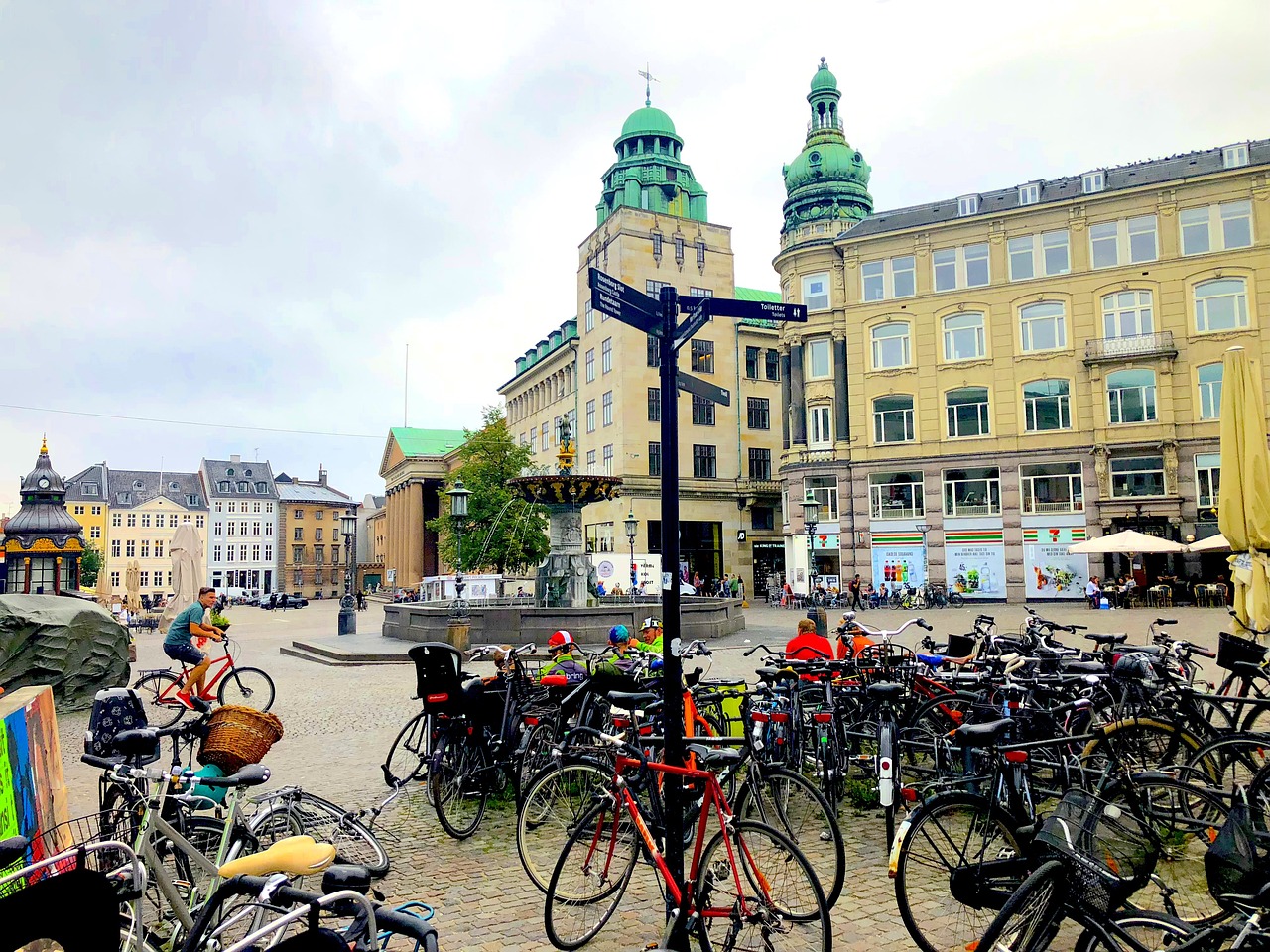
Copenhagen is famous for being a great place for bikes. It has over 350 kilometers of bike lanes. These lanes make it easy and safe for people to ride their bikes.
Extensive Cycle Paths Network
Almost half of the people in Copenhagen bike to work or school. There are more bikes than cars. This shows how much people love to bike.
The city has made special lanes just for bikes. This makes biking safer and more fun for everyone.
Many families use cargo bikes to get around. Lots of people cycle because it’s the best way to go. Biking is fast and easy in Copenhagen, even in winter.
Green Wave Technology for Cyclists
Copenhagen is always thinking of new ways to help bikers. The city’s traffic lights are timed just right for cyclists. This makes biking smoother and more enjoyable.
All these efforts are helping the city use less fuel. Biking instead of driving really adds up to big savings in pollution.
Impact on Traffic and Emissions
Copenhagen’s biking plans mean fewer cars and less pollution. Even more people are biking than in most U.S. cities.
By biking 10 miles a day, five days a week, people save a lot of CO2 each year. This is much better for our planet.
The city is working on even more biking superhighways. Its efforts are paying off by getting more people to bike and less to drive.
Copenhagen is showing the world how to make cities better. Biking makes the city cleaner and healthier for everyone.
Innovative Waste Management in Stockholm, Sweden
Stockholm shines as a leader in new ways to deal with waste. It mixes green actions with top-notch recycling and getting rid of waste in kinder ways.
Waste-to-Energy Programs
Stockholm is great at turning waste into energy. It gives power and warmth to people’s homes. Almost all waste is either recycled or used to make energy. In 2023, each person threw away less, just 88 kg, down from 91 kg. This drop shows the city is serious about handling waste well.
Comprehensive Recycling Schemes
The city works hard on many recycling plans. About everyone sorts out old papers, boxes, and packages. This helps cut down on dumps. The mobile Pop-up Reuse station was very busy; 7,400 people went there in 2023. They swapped 20,700 items and reused 3.1 tonnes of stuff. But there’s still work to do with construction waste, which is at 47 kg per m².
Waste Management Metrics
2022
2023
Waste per Resident (kg)
91
88
Items Collected for Reuse (tons)
2.4
3.0
Visitors to Pop-up Reuse Station
N/A
7,400
Items Exchanged at Pop-up Reuse
N/A
20,700
Construction Waste (kg per m²)
N/A
47
Green Spaces and Eco-friendly Living in San Francisco, USA
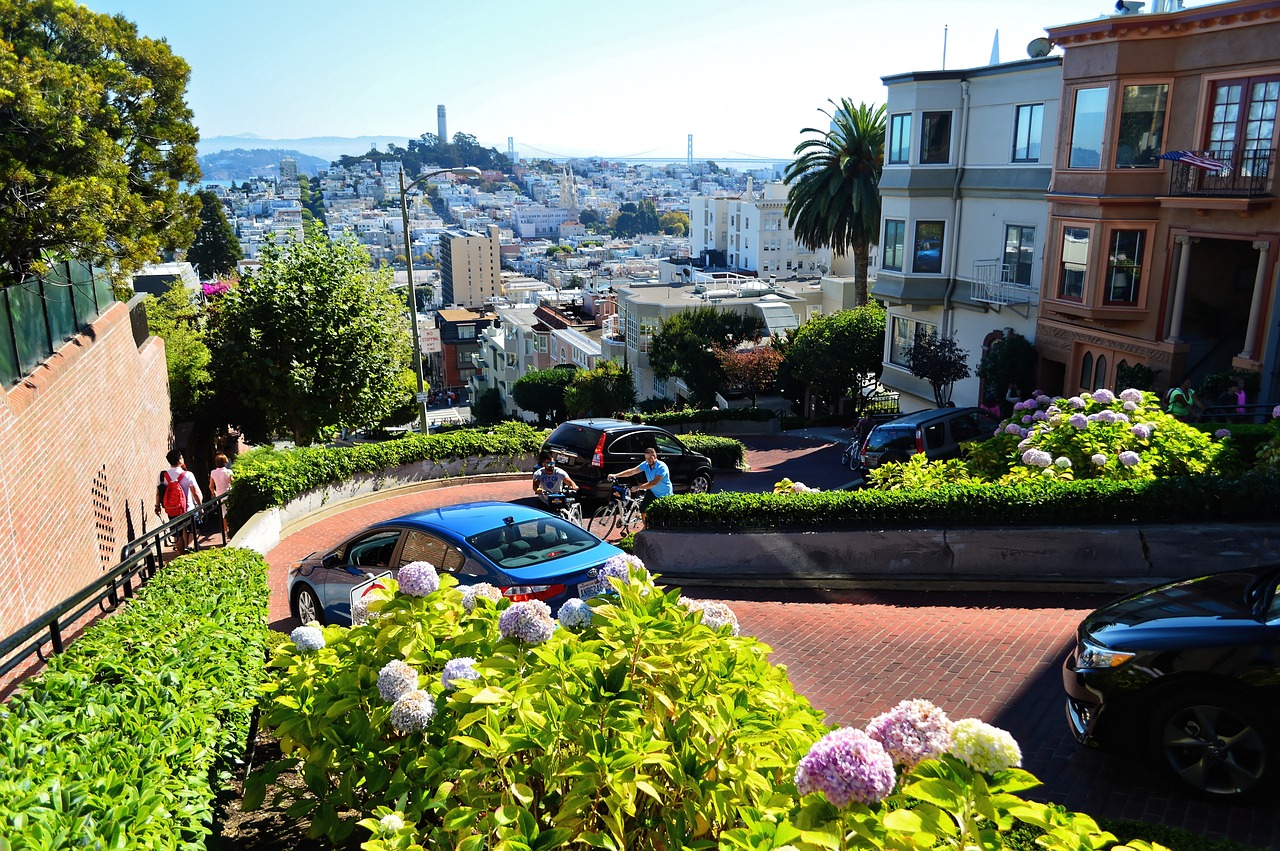
San Francisco loves the earth and works hard to keep it green. It does this by creating more green areas in the city and by encouraging people to live in eco-friendly ways.
High Recycling Rates
San Francisco is great at recycling. It reuses or recycles most of its waste, hitting an 80% rate. The city works hard to not throw anything away, leading to less garbage in landfills and more clean energy use.
Efficient Public Transport and Green Initiatives
The city wants to have no bad emissions by 2040. To help, it has a super transit system and lots of programs to be green. San Francisco is rated one of the best cities for its efforts on clean travel. It also fights against plastic by not allowing plastic bags and one-time use bottles.
Although only 13% of its land is green, the city tries to add more places for people and nature. It shows how a city can grow while caring for the earth.
San Francisco is a role model for cities wanting more green areas and a friendly planet. It teaches others how to live in peace with our world.
Conclusion
Urban areas face fast growth and big climate worries. But some cities show us how to be green. They use things like renewable energy and cool cycling paths. Reykjavik and Copenhagen, for example, lead the way.
Cities like Chicago and San Francisco aim high and get things done. Chicago cut emissions a lot from 2010 to 2015. It’s pushing for all their buildings to use only clean energy by 2025. San Francisco does great at recycling, hitting 80% in 2014.
São Paulo has smart plants that cut methane. And Boston’s library got a green makeover too. Things like LEED and Passive House help buildings use less energy. They are key for clean cities. Everyone is working on being greener. And many cities are getting inspired to do the same.
FAQ
What initiatives has Reykjavik taken to promote sustainable urban living?
Reykjavik heats almost 90% of its buildings with geothermal power. It uses hydrogen buses and pushes for electric cars. They give public employees perks like free parking and lower taxes for using electric cars.
How does Copenhagen support a cycling culture?
Copenhagen has over 350 kilometers of bike lanes. It uses Green Wave to time traffic lights for cyclists. This reduces traffic and cuts down on greenhouse gas emissions.
What makes Stockholm a leader in waste management?
Stockholm turns waste into energy, even importing waste for this process. It powers homes and has a strong focus on recycling. The city’s public transport is very efficient, too.
How does San Francisco manage to have a high recycling rate?
San Francisco made laws to cut landfill use, leading to a high recycling rate (78%). The city emphasizes green public transit and renewable energy. This helps them reach their sustainability goals.
What are Reykjavik’s goals for carbon neutrality?
Reykjavik plans to be carbon neutral by 2040. They are working on more renewable energy solutions. They also promote using hydrogen buses and electric cars.
How does Copenhagen contribute to reducing traffic and emissions through cycling?
Copenhagen benefits from many of its residents cycling. It has a lot of bike lanes. The Green Wave tech makes cycling easier and reduces air pollution.
What sustainable practices in waste management are implemented in Stockholm?
Stockholm uses waste for energy and recycling programs. It has big green spaces and aims to be climate positive by 2040. This approach is key to its waste management success.
How does San Francisco compensate for its limited green space?
Even with little green space, San Francisco is eco-friendly. It invests in green public transport and gets 84% of its energy from renewables. By using innovative recycling, it aims to hit net-zero emissions by 2040.