A savvy traveler from the UK has discovered that living in a luxurious all-inclusive resort is cheaper than paying rent.
Josh Kerr, a TikToker from Manchester, England, has shaken up our traditional notions of renting and vacationing. While casually searching for holiday deals, he stumbled upon an excellent opportunity that promised not only a great vacation but also significant savings. Kerr realized that for the same price as his monthly rent, he could enjoy a stay at a luxurious hotel—and even spend less!
Travel Hack
Key Details:
Travel Hack Discovery: Josh Kerr was browsing for all-inclusive holiday deals and found he could book a 28-night stay.
Cost Comparison: The total cost for a month-long stay at the Port River Hotel and Spa in Antalya, Turkey, was just $1,175. His monthly rent and other expenses in Manchester totaled $1,192, excluding food and drink.
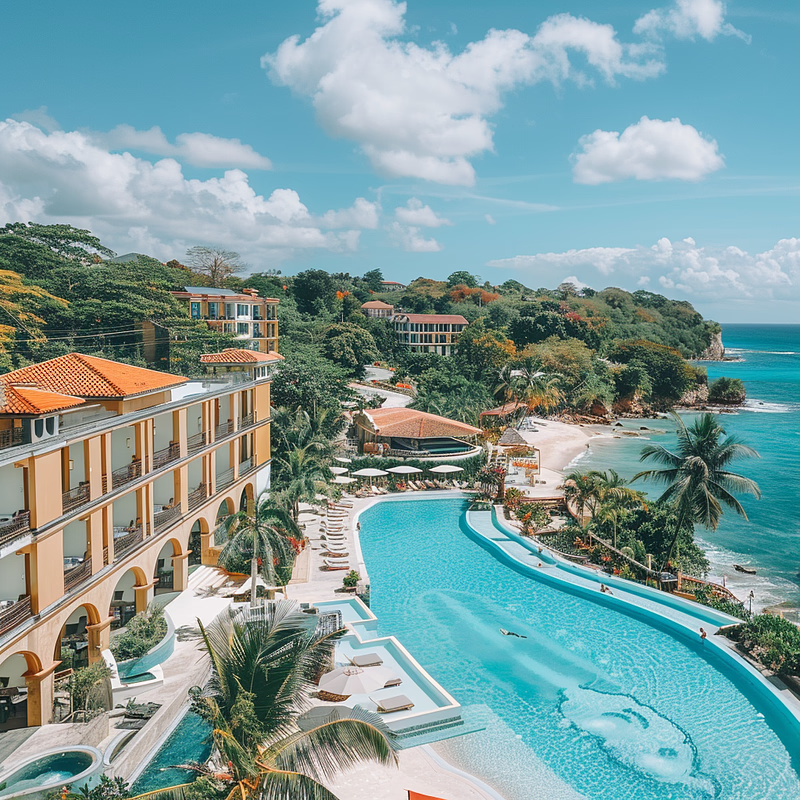
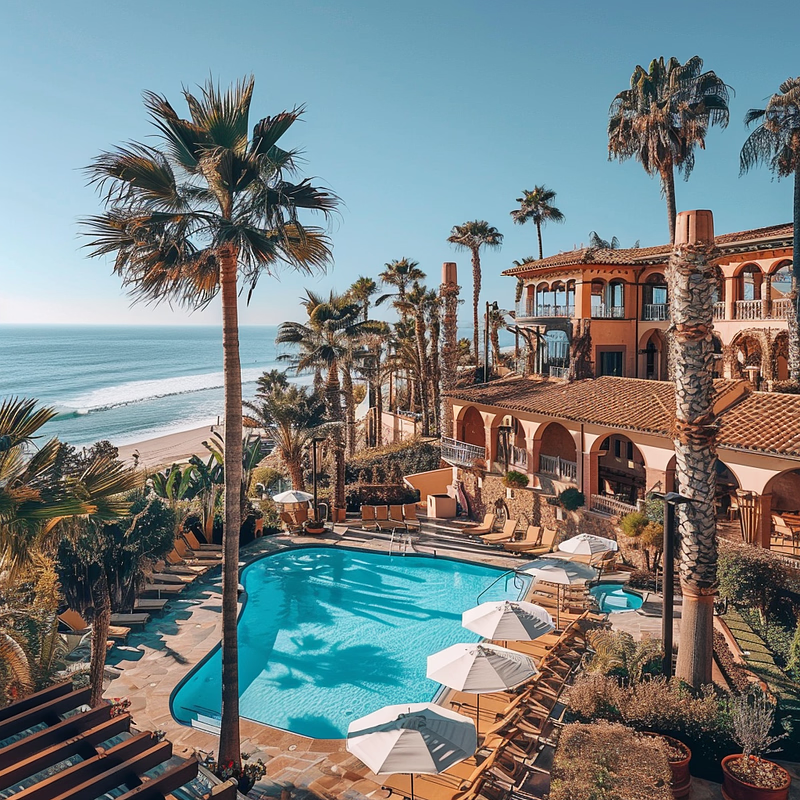
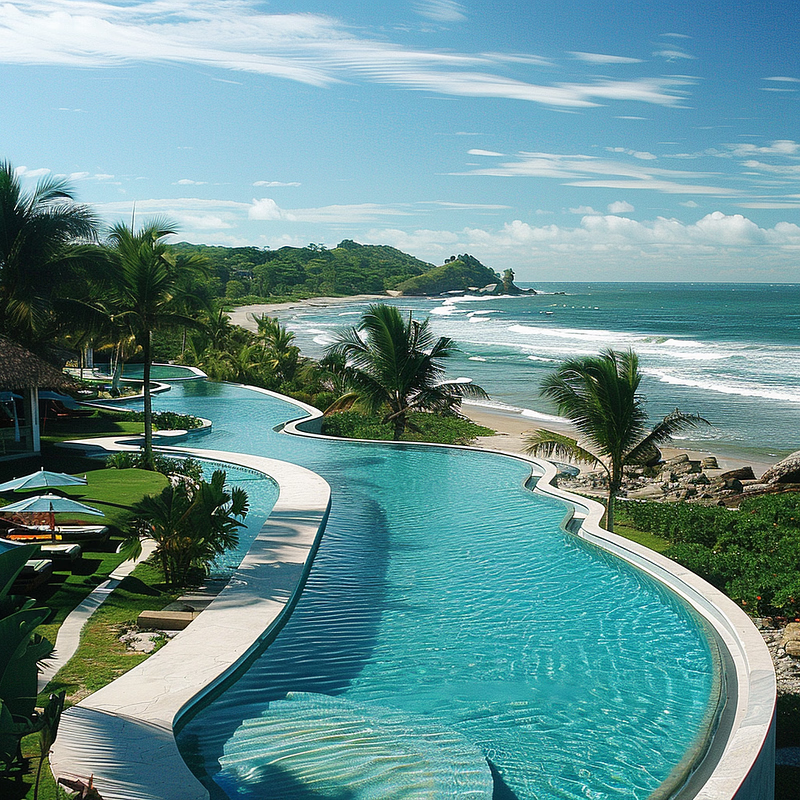
Luxurious Amenities: The Port River Hotel offers amenities such as a pool, gym, and stunning beach views, plus unlimited food and drinks.
Social Media Buzz: Josh’s story quickly went viral, gaining praise for his ingenuity and sparking conversation about alternative living arrangements.
Comments from the Public: Online users described Kerr’s discovery as the “ultimate cheat code” and “genius,” with some expressing interest in following suit if they secure remote work roles.
Josh’s experience highlights the appeal of resort living, combining comfort and savings. Could this innovative approach be the future of affordable living? As remote work becomes more accessible, many might consider this option.
The significance of Josh Kerr’s travel hack reaches beyond personal savings. It opens a broader discussion about affordable living options in a time where rental costs are skyrocketing. As more people discover such opportunities, it could lead to a paradigm shift in how we think about residency and vacationing.
As we look ahead, it will be intriguing to see if others adopt this lifestyle and if businesses, particularly in the travel and housing sectors, begin to offer new solutions that blend the best of both worlds.
Please note that this post may contain affiliate links. When booking through one of our links, we earn a small kickback at no extra cost to you, and it’s a big help to keep the site up and running.
Spain is perfect for a second home or to live in another country. It has a warm climate and lower rents. More than 10% of its people come from other places, adding to its charm.
It’s easy to live in Spain. Cities like Zaragoza offer help for those who speak English. From Barcelona’s excitement to Madrid’s energy and Valencia’s family feel, each place has its special style. Living in Spain is safe and simple, with easy ways to get around.
Key Takeaways
Spain’s cities mix history, culture, and beauty, great for living or visiting.
The expat community is big, over 10% of Spain’s population.
Barcelona and Madrid are great for lively city living.
Valencia is known for being family-friendly and affordable.
Málaga offers a calm lifestyle with great weather and food.
Barcelona: The Urban Jungle Meets Sandy Beach
Barcelona is a cool mix of city and beach. It has ancient charm and modern vibes. With lots of sun, it’s perfect for beach lovers. From April, the beaches get even better. You’ll find bars and places to rent equipment. The city changed a lot after 1992, making old industrial spots into great beaches. Mar Bella and Nova Mar Bella are top for their clean and full amenities. The Sant Sebastía beach is for those who like to be free. If you prefer quiet, head to the northern beaches.
Cost of Living
Barcelona is one of Spain’s priciest cities. Be smart with money, especially for a place to live. Renting an apartment costs about €1,550 a month. But, you can find private rooms for €633. Prices change a lot based on the area. Life is good here, with lots of Catalan culture to check out. Many think it’s worth the cost.
Expat Community
Barcelona’s expat scene is lively, with people from 179 countries. It’s a mix of young pros, business owners, and people who work online. The city’s areas offer something for everyone. It’s easy to meet people and make friends here. Barcelona has a lot of events and groups for newbies. This helps them get to know the local life.
Madrid: The Best City in Spain for a Dynamic Life
Living in Madrid is full of life and action. This city mixes old with new. There are parks, a great culture, and you’re close to travel everywhere. As the capital of Spain, Madrid is well-connected all over the world.
Overview
Over 3.4 million people live in Madrid. There are over 1 million people from other countries. This makes up about 29% of the population. The city is known for its lively nightlife that starts late and goes on till morning.
It’s a top place for studying too. Madrid has more international students than any other Spanish city.
You can explore a lot of history and art in Madrid. From the Royal Palace to the Prado Museum, the city is rich in culture.
Cost of Living
Madrid is the most expensive city in Spain. Each month, you’ll spend around €720 without rent. If you add rent, it goes up to about €1,580.
Even though living here is pricey, you also get the highest salaries in Spain. The average salary is €3,190 per month. But, about half of that money might go towards rent.
Cost Comparison
Madrid
Smaller Cities
Monthly Expenses (excluding rent)
€720
€650
Average Salary
€3,190
Lower than Madrid
Rent as % of Income
52%
Varies
Job Opportunities
Madrid is a key place for jobs in Europe. It’s great for people who can speak two languages and for those who are creative.
The city is home to many companies. This includes 40% of companies that work internationally. Salaries are higher than other cities in Spain. But they may not match those in some big European cities.
Madrid is also becoming a hot spot for technology companies. It’s growing as a place for new businesses. Here, there’s a big focus on new ideas and making progress.
Valencia: Best for Families and Affordable Living
Valencia mixes city life with peaceful surroundings. It’s great for families in Spain. Many people, including those from other countries, love living here.
Family-Friendly Environment
Valencia is known for its warm feel, top-notch schools, and community spirit. Turia Gardens is a huge green area for fun and games. More than 100,000 foreigners live here, fitting in easily.
Cost of Living
Valencia won’t break your budget. It costs about €657 a month to live without rent. For a family home, expect to pay around €1,400 monthly. Or €375 for a room in a shared place.
Groceries for a month cost €400 – €700 for a family of four. Eating out at a decent place is about €60 – €120 for four. A bus pass is just €50 each month.
Gastronomy
Valencia is famous for paella and a mix of local and global dishes. You can eat from market stalls to fancy spots. The Las Fallas festival also draws people from around the world.
Expense Category
Average Cost (€)
Monthly Cost of Living (excluding rent)
€657
Apartment Rent (per month)
€1,400
Private Room in Shared Accommodation
€375
Monthly Grocery Bill (Family of 4)
€400-€700
Dining Out for Four (mid-range)
€60-€120
Monthly Public Transport Pass
€50
Málaga: The Charm of Southern Spain
Málaga shines with beauty, history, and modern life. It’s not far from Madrid and Seville. This coast offers beautiful beaches and a sunny, laid-back lifestyle. It’s perfect for students, families, and those who’ve retired.
Overview
Málaga is famous for its lively culture. It has lots of museums, pretty Moorish buildings, and fun festivals. Here, you can see the Alcazaba and a Roman theater. The food is all about Spanish classics like tapas, fresh fish, and local wine. The beaches and the historic places make Málaga truly special for everyone who visits.
Cost of Living
Living in Málaga is surprisingly affordable. Rent is cheaper than in other coastal cities, at about €780 a month. This lets you live well without spending too much. It’s a great spot for enjoying Southern Spain without a big budget.
Activities and Attractions
Málaga is full of things to do and see. Its good transportation makes it easy to visit. You can easily travel to places like Marbella, Granada, and more. The city itself is lively, with its pedestrian streets, shops, and bars. There’s always something to do or explore.
Conclusion
Spain is a mix of lively cities, each with its special way of life. You might be drawn to Madrid’s busy streets or Barcelona’s modern vibe. For a mix of city and beach life, Barcelona really shines with its beautiful shorelines and stylish features.
In Madrid, the party never stops with its vibrant nightlife and amazing museums like Museo del Prado. It’s a city full of excitement and culture. For families, Valencia is the spot with its low costs, friendly atmosphere, and famous paella.
Málaga invites those who love the sun and culture. It blends stunning beaches with a rich history. Every city in Spain offers something different, from study and fun nights to peaceful beaches. Spain truly has a city for everyone, whether you’re young, working, or enjoying retirement. With this guide, finding your dream Spanish city is easier than ever.
FAQ
Why is Spain a popular choice for expatriates?
Spain is a great pick because of its rich history, lively culture, and beautiful nature. It’s perfect for a new place to live. It has a warm climate and lower rent. Also, over 10% of the people living there are from other countries. This makes it good for those wanting a new start and a great quality of life.
What makes Barcelona appealing to expatriates?
Barcelona is perfect for those who want city life near the sea. It’s known for unique buildings and a mix of cultures. The weather is pleasant and the lifestyle is top-notch, perfect for young workers, business people, and travellers.
How does the cost of living in Barcelona compare to other Spanish cities?
Barcelona is among the top 3 cities for high costs in Spain. Renting an apartment costs about €1,550 a month. Cheaper choices, like private rooms, are about €633 a month.
What are the main advantages of living in Madrid?
Madrid is exciting, mixing old and new. It has fun places, parks, and lots to see and do. It’s right in the middle of Spain, making it easy to go places locally and around Europe.
How does the cost of living in Madrid compare to Barcelona?
Living in Madrid is a bit cheaper than in Barcelona. For a good life, you might need about €1,580 a month, including rent.
What makes Valencia a good choice for families?
Valencia is great for families. It has top schools, lots of parks like Turia Gardens, and good transportation. Families enjoy the mix of a relaxed life and city fun here.
How affordable is the cost of living in Valencia?
Valencia is more wallet-friendly than big cities like Madrid or Barcelona. For about €1,400, families can find nice apartments.
What is unique about Málaga’s lifestyle?
Málaga has beautiful beaches, sunny days, and a calm life. It’s good for students, families, and people wanting to retire. The city offers lots of culture, food, and fun festivals.
What is the cost of living like in Málaga?
Living in Málaga costs less than in other beach cities. Rent is about €780 for an apartment. This lets people enjoy a great life without spending a lot.
Are there good travel and connectivity options in Málaga?
Yes, Málaga is easy to get around from. It connects well to Spain and other places. It’s a perfect starting point for adventures or living a wanderer’s life.
Are you looking for a quiet place away from the crowds? Europe has many hidden beaches that are perfect for a summer getaway. These places have history, local food, and beautiful nature in peaceful settings.
They are not like the busy places in Greece or France. Instead, they invite you to make your own special trip. You can find secret beaches near famous places that are waiting for you.
Imagine beaches with blue waters, tall cliffs, clean sand, and secret bars close to the sea. These towns offer a quiet escape. You can also enjoy historic sites, taste local food, and enjoy the beauty of Europe’s coast.
Key Takeaways
Secluded European beaches offer tranquility away from the crowds.
Hidden gems provide a blend of historical sights, local cuisine, and natural beauty.
Destinations like the Greek islands and the French Riviera have undiscovered nearby beaches.
Enjoy activities such as exploring historic architecture, relaxing by bays, and beachfront strolls.
Some destinations include clandestine bars, offering a unique local flavor.
Sardinia’s West Coast: San Giovanni di Sinis
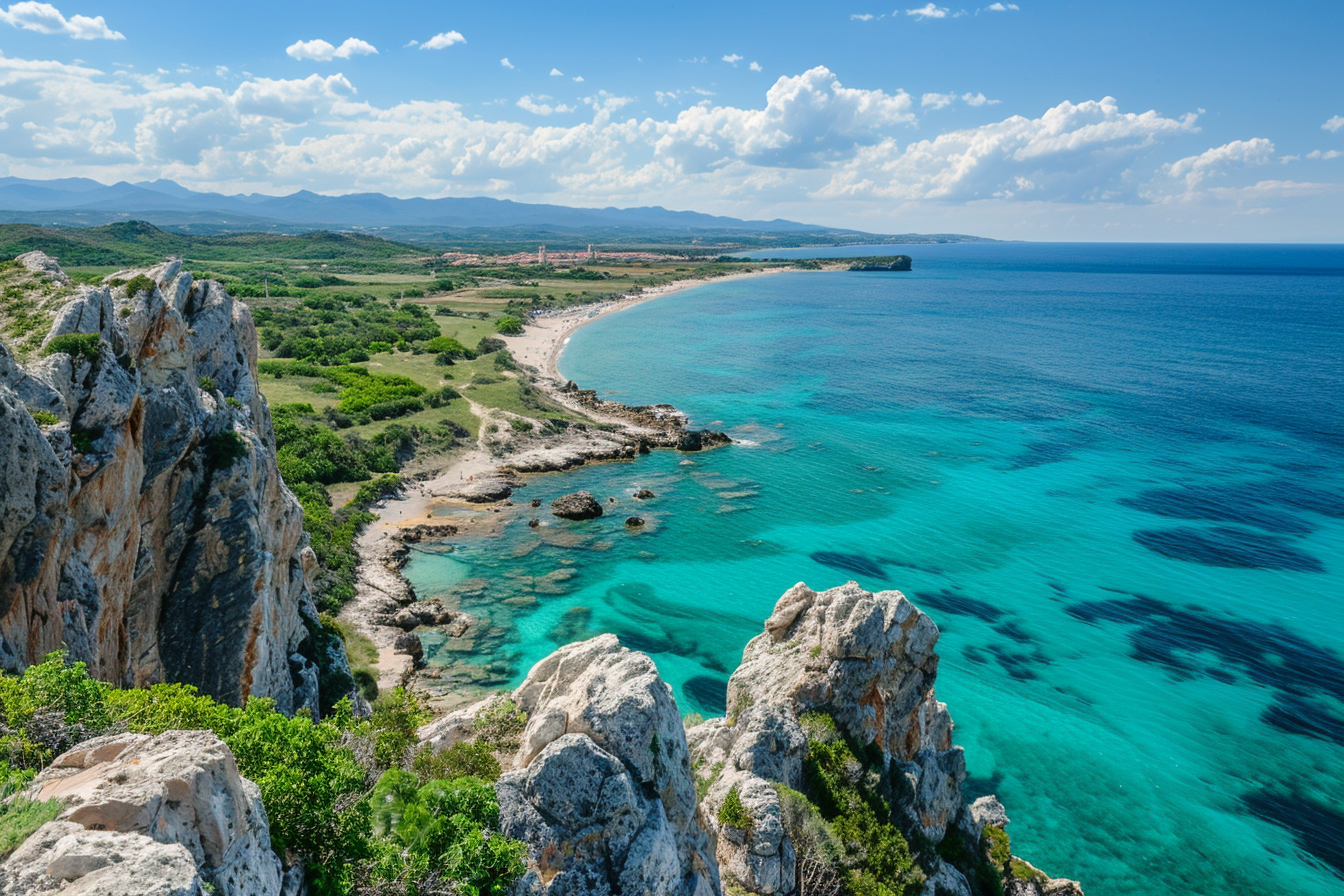
San Giovanni di Sinis shows off Sardinia’s wild beauty. It’s far from the busy north coast. The Sinis Peninsula has dunes and beautiful beaches that blend together. Near the beach, you can see the old Roman city of Tharros.
It’s close to quiet natural areas full of wildlife. These places are great for exploring nature and relaxing on the beach.
Exploring Sinis Peninsula
The Sinis Peninsula is full of beauty and history. It’s near the Cabras Marsh, on the road to Tharros. Here, you’ll find amazing beaches like Spiaggia di Is Arutas and Spiaggia di Is Arenas.
The Church of San Giovanni is one of the oldest in Sardinia. It adds history to the area’s beauty.
Beachside Bars and Roman Ruins
The beach in San Giovanni di Sinis is 2 kilometers long. It’s known for clear waters and sea life. You can relax at beach bars with local drinks and food.
Walking from the beach, you’ll find the Roman ruins of Tharros. Tharros was founded by the Phoenicians and later the Romans. The San Giovanni Tower offers great views of the Gulf of Oristano.
Natural Reserves and Wildlife
San Giovanni di Sinis is great for nature lovers too. The natural reserves are full of wildlife. It’s perfect for seeing different animals and taking photos.
The hidden coves along the coast are full of mystery. They’re great for those who want to enjoy nature away from crowds.
San Giovanni di Sinis beach: 4000 meters
Spiaggia di Mari Ermi beach: 1700 meters
Spiaggia di Is Arutas: 500 meters
Spiaggia S’Archittu: 300 meters
Spiaggia di Is Arenas: 5500 meters
Spiaggia di Porto Alabe: 1800 meters
Spiaggia di Maimoni: 1200 meters
Torre Argentina beach near Bosa: 300 meters
Spiaggia di Porto Mànagu: 190 meters
Spiaggia Compoltitu beach: 60 meters
Spiaggia S’Abba Druche: 180 meters
Bosa Marina beach: 900 meters
Spiaggia di Turas: 380 meters
San Giovanni di Sinis has something for everyone. It’s perfect for history fans, nature lovers, or those looking for a peaceful beach vacation.
Ilha de Tavira, Portugal
Ilha de Tavira is a top spot in the Algarve for beach lovers. It has calm coastlines and big sand dunes. The island stretches 11 kilometers wide, perfect for a peaceful getaway.
The beach has soft, cream-colored sand and clear waters. It’s great for families wanting to make happy memories together.
You can get to the island by boat from Tavira or Quatro Águas. Or you can walk from Santa Luzia. But remember the ferry times to avoid getting stuck overnight.
Many Portuguese families visit here in the summer. The beach has toilets, cafes, and shops for convenience. Lifeguards watch over the beach to keep everyone safe.
You can rent lounge chairs and parasols for €15 a day. This makes your beach day comfy and relaxing.
Praia da Terra Estreita is a quiet beach near Santa Luiza. It’s perfect for those who want peace. Praia do Barril is another spot with a special history. It’s where you can see the Cemitério das Âncoras.
For those who love water sports, there’s a lot to do. You can try jet skiing or ride a banana boat. Walking to Praia do Barril takes about 40 minutes. There’s also a nudist area a bit further.
The Ria Formosa natural park is full of birds like flamingos. It’s a great place for bird watching.
Attractions
Details
Praia do Barril
Famous for Cemitério das Âncoras, a historical landmark. A 40-minute walk from the main beach.
Praia da Terra Estreita
Known as one of the quietest beaches in Tavira, located near Santa Luiza.
Water Sports
Activities include jet skis and the banana boat.
Ria Formosa
Natural park offering bird watching, home to flamingos and various bird species.
Restaurants & Facilities
Seafood restaurants, beach shops, ATMs, lifeguards, and a Blue Flag beach designation.
Psili Ammos, Patmos, Greece
Patmos Island is a hidden gem in Greece. It’s peaceful and full of history. To find Psili Ammos, you’ll follow paths made by donkeys. It’s 10 km from Patmos town and is one of the best beaches.
Following the Donkey Tracks
Psili Ammos is a hidden treasure. You can’t get there by road. You can take a 45-minute boat from Skala port or hike from Diakofti beach. The hike is about 25 to 30 minutes long and has great views.
Because it’s hard to get to, Psili Ammos has no umbrellas or chairs. You’ll need to bring your own. This makes it perfect for those who love freedom.
The Historical Significance of Patmos
Patmos is famous for its history and beautiful beaches. It’s where John the Apostle wrote the Book of Revelation. The island’s history adds to its charm, making it more than just a beach spot.
Facilities and Activities on Psili Ammos
Psili Ammos has what you need for a beach day, even if it’s hard to get to. In summer, a tavern serves cold drinks and food. The beach can get waves on windy days, but it’s great for relaxing.
It’s popular with nudists and campers, adding to its chill vibe. Psili Ammos is a top choice for those looking for a unique beach experience in Greece.
Beach Towns on the Costa Brava, Spain
The Costa Brava region in Catalonia is full of charming coastal villages and beautiful beaches. Tamariu is a great place for families, just an hour from Girona. It has a small beach that’s perfect for a quiet day out.
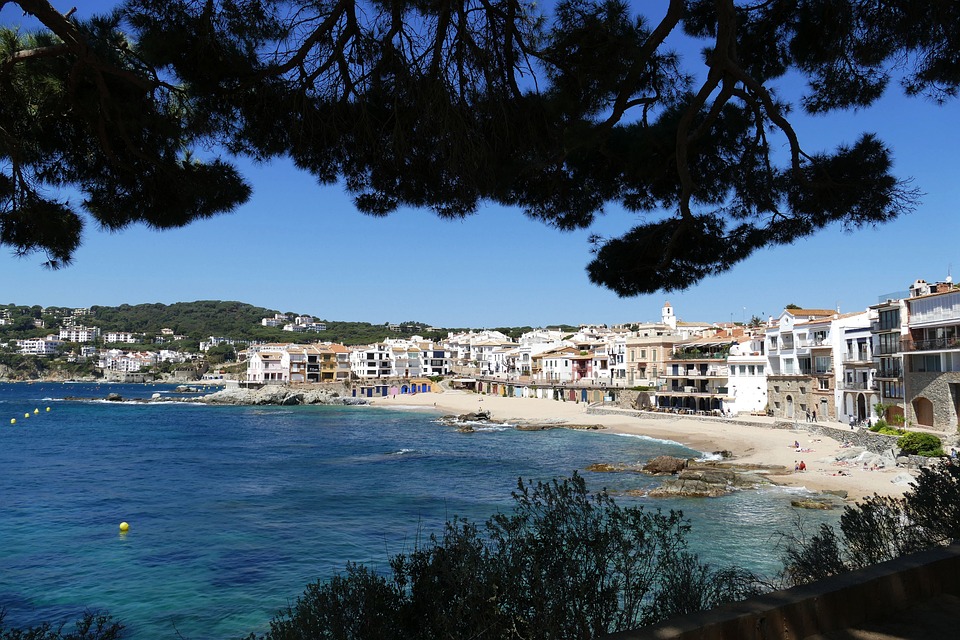
Calella de Palafrugell is another beautiful spot with eight clean Catalan beaches. El Canadell beach is a favorite with the young people who live there.
Begur is close to Barcelona and has both modern fun and medieval towns. It’s a great place to stay because it’s near Girona and the beach. Begur has a long history, with an old castle and beautiful beaches in clear waters.
Llafranc and S’Agaró are small towns with less than 300 and 1,000 people. They come alive in summer with their beautiful coastlines.
Cadaqués is a fishing village known for its link to Salvador Dalí. It’s a bit hard to get to but has lovely beaches and a rich history. Near Girona, Roses has big sandy beaches great for families. You can enjoy kayaking, paddleboarding, or exploring the sea.
Sant Feliu de Guíxols is a 30-minute drive from Begur and is loved for its beaches and water sports. It also has a 10th-century monastery that shows the town’s history. Figueres, where Dalí was born, is a must-see for art lovers.
Town
Distance from Major Cities
Main Attractions
Tamariu
1 hour from Girona
Family-friendly beach
Calella de Palafrugell
30 minutes drive from Girona
El Canadell beach
Begur
1 hour from Barcelona
Medieval charm and beaches
Cadaqués
1 hour 15 minutes from Girona
Dalí’s family home, art and beaches
Roses
1 hour from Girona
Water sports and sandy beaches
People visiting and living in the area love the mix of sun, medieval towns, and sea. Whether you want to follow famous artists or just enjoy the sea, the Costa Brava is a special place.
Rovinj, Croatia
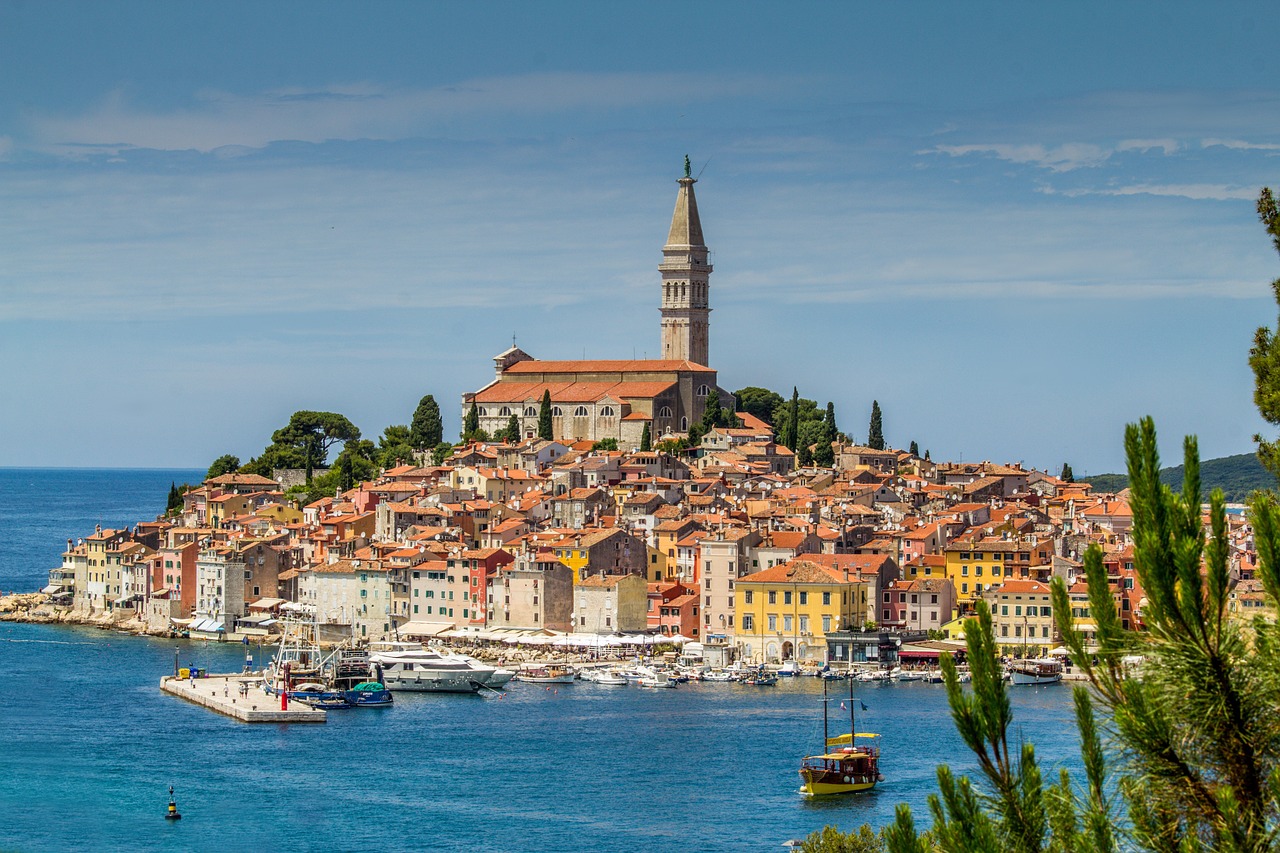
Rovinj is in Croatia’s beautiful Istrian peninsula. It mixes old buildings with beautiful beaches. This place is romantic and quiet, unlike Dubrovnik and Hvar in summer.
Historic Town and Beach Fusion
The Old Town of Rovinj has lovely streets and sea views. You can see old buildings and be close to clean beaches. It’s great for a quiet summer break.
The weather is perfect from June to September, often over 89°F. This makes it the best time to visit.
Exploring the Istrian Countryside
Outside the town, the Istrian countryside is full of old towns and wineries. You can easily visit Pula, Porec, and Motovun. These places show off the area’s culture and beauty. It’s less crowded than the Dalmatian coast, so you can enjoy it at your own pace.
Cycling and Beach Hopping
Outdoor lovers will enjoy cycling in Rovinj. The green trails take you to secret beaches for a swim. You can spend a day exploring, going on a cruise, and enjoying the beach and countryside.
Butterfly Valley, Turkey
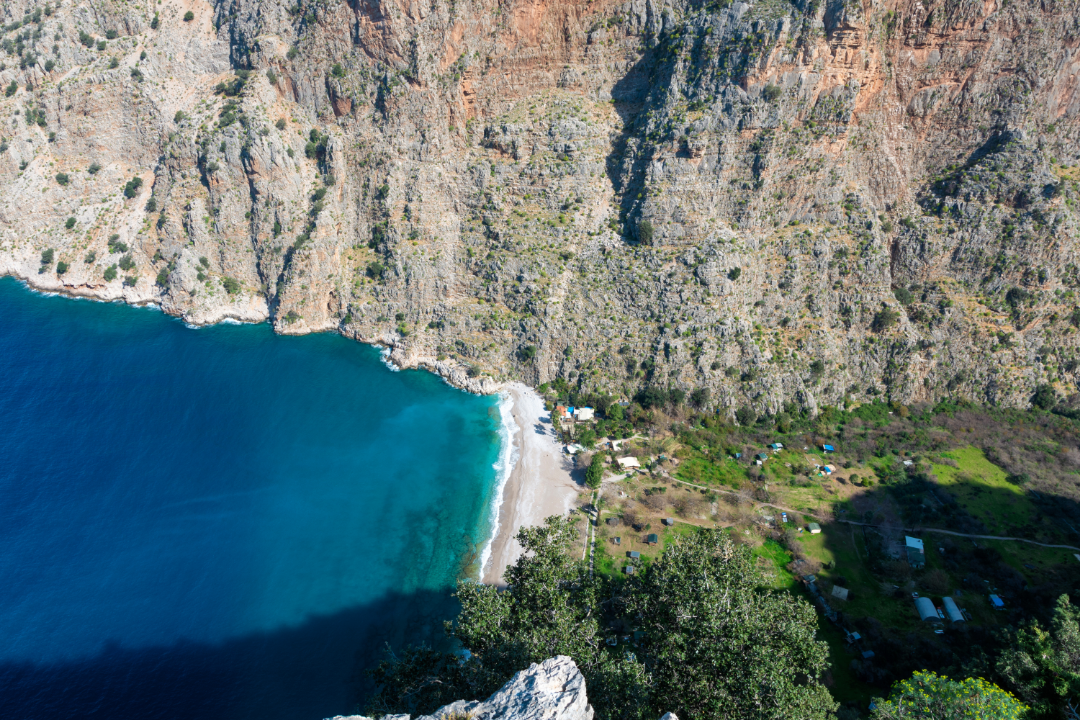
Butterfly Valley is in Turkey’s Southwest Turquoise Coast. It’s full of mystery and untouched beauty. This place is a big 86,000 sqm valley in the cliffs, up to 350 meters high. It’s home to many colorful butterflies.
It’s only reachable by sea, mostly from Ölüdeniz. You can also hike down from Faralya village for great views. The valley only allows tents and simple bungalows. This keeps it natural and beautiful.
The beach here is perfect, with pebbles and clear water. People visit from April to November. You can enjoy Mediterranean food, grown locally, in a green setting. Hiking here is special, part of the 500km Lycian Way.
Butterfly Valley has faced issues with too many visitors. Yet, it’s still a key place for many butterflies, like the rare Jersey Tiger. Summer, from June to September, is the best time to see lots of butterflies. It’s a magical place with its own special access and beauty.
Here’s what you can expect:
Feature
Details
Size
86,000 sqm
Cliffs
Up to 350 meters high
Butterfly Species
Approximately 100 species
Opening for Tourism
1984
Protected Status
Designated as a preservation area in 1987
Open Season
April to November
Primary Access
By boat from Ölüdeniz
Local Village
Faralya
Cost for 2 Days
677 TRY
Bolata Beach, Bulgaria
Bolata Beach is a hidden gem on Bulgaria’s Northern coast. It’s a special place where history and nature come together. This beach is quiet and beautiful, making it a favorite spot for locals.
Kaliakra Nature Reserve
The beach is in the Kaliakra Nature Reserve. It’s a mix of beautiful beaches and lots of nature. You can go hiking, birdwatching, and see many bird species.
The reserve has green landscapes and tall red cliffs. It’s perfect for a peaceful day by the sea.
Authentic Local Experience
There are many ways to experience Bulgarian life near Bolata Beach. You can stay in villas in Balgarevo or apartments in Kavarna. Prices range from $30 to $100 a night.
Visit Cape Kaliakra for food and markets. Or go to Dobrich for city parks and a different vibe.
Historical and Natural Wonders
Cape Kaliakra is close to Bolata Beach and has ancient ruins and a rich history. The beach’s shape makes it a great spot for relaxing and exploring.
Close by, Varna has the Sea Garden and places to walk. Balchik is known for its palace and Golden Sands. All these places offer a lot of culture and history.
None at the beach; nearest restaurant in Cape Kaliakra
Nearby Airport
Varna Airport (70 km)
Conclusion
Europe’s hidden coasts are full of quiet beach spots that are truly special. Places like Sardinia’s West Coast, Portugal’s Ilha de Tavira, and Patmos’s Psili Ammos offer a break from busy tourist areas. These beaches have clear waters and peaceful views.
These coastal spots are more than just places to sunbathe. They let you connect with local life and enjoy nature. You can surf, play beach volleyball, or sail in these beautiful places. They show the true beauty of Europe’s coast, making each visit special.
These hidden beach towns mix rest, culture, and nature perfectly. Choosing them for your vacation means you get to have a deep experience. You also help keep these beautiful places safe for others to enjoy.
FAQ
What are some secluded European beaches perfect for a summer escape?
Perfect spots for a summer escape include San Giovanni di Sinis in Sardinia, Ilha de Tavira in Portugal, Psili Ammos on Patmos Island in Greece, and Bolata Beach in Bulgaria.
What can I explore on the Sinis Peninsula in Sardinia?
You can see dune-clad shores and Roman ruins like the ancient citadel of Tharros. There are also natural reserves with diverse Mediterranean wildlife.
Are there any beachside bars near San Giovanni di Sinis?
Yes, there are charming beachside bars at San Giovanni di Sinis. You can relax and enjoy the calm while being close to ancient Roman ruins.
What wildlife can be found in the natural reserves near San Giovanni di Sinis?
The reserves near San Giovanni di Sinis are home to many Mediterranean wildlife species. It’s perfect for nature lovers and those who enjoy exploring nature.
How can I reach Ilha de Tavira in Portugal?
You can get to Ilha de Tavira by taking a short ferry from the town of Tavira. It leads to its beautiful, sandy beaches.
What makes Ilha de Tavira’s beaches unique?
Ilha de Tavira’s beaches have golden sands and calm waters. They offer a quiet escape from the busy beaches in the Algarve region.
How do you get to Psili Ammos on Patmos Island?
To get to Psili Ammos, follow paths made by donkeys. They take you to this quiet beach with trees and shallow waters.
What is the historical significance of Patmos Island?
Patmos Island is famous for being where the Book of Revelation was written. It has a deep spiritual history, adding to its peaceful beaches.
What facilities are available on Psili Ammos?
Psili Ammos has beachside cafes and other amenities. These make your beach visit comfortable and easy, with a historical setting.
What cultural and historical experiences are available on Costa Brava?
Costa Brava offers cultural and historical activities. You can explore Medieval towns, dive to see shipwrecks, and enjoy the Mediterranean vibe.
What activities can you do while visiting Rovinj, Croatia?
In Rovinj, you can cycle through the countryside, visit beaches, and see the town’s old architecture and wineries.
Why is Butterfly Valley in Turkey a popular ecotourism destination?
Butterfly Valley is known for its stunning nature and many butterfly species. It’s a top spot for ecotourism on Turkey’s Turquoise Coast.
What is special about Bolata Beach in Bulgaria?
Bolata Beach is special for its quiet, semi-circular shape in the Kaliakra Nature Reserve. It offers a real beach experience with historical and natural beauty along Bulgaria’s coast.