Start a journey through Italy’s cultural heart. Exploring Italian museums is more than seeing famous art. It’s diving into a story that has shaped our world. With an Italy art guide, walk through the Vatican Museums and the Uffizi Gallery’s beauty.
The Uffizi started in 1560, thanks to Cosimo I dei Medici. He wanted it for art and government offices. Now, it’s a place where history comes alive. You’ll see Giotto, Botticelli’s Venus, and works by Leonardo and Raphael.
On a Vatican Uffizi tour, you’ll learn and be inspired. You get skip-the-line access and guides who make history come alive. It makes visiting Italy’s museums easy and fun.
But Italy’s art isn’t just in the Vatican and Uffizi. Its streets and buildings show its creative spirit. From ancient sculptures to Renaissance art, creativity is everywhere.
Your journey into Italy’s art ends with a big realization. Each artwork tells part of a bigger story. You’re now a part of it. The art of the past connects us to human creativity and spirit. So, visiting Italy’s museums is not just a tour. It’s a journey into another world, where art and time meet.
An Overview of Italy’s Museum Landscape
Italy is a key spot for culture and history lovers. It’s filled with museums that tell the story of Italy art history. You can explore everything from the Vatican Museums to the modern MAXXI in Rome.
The story of Italy art history comes alive in its museums. The Uffizi Gallery in Florence shows off Renaissance art by Leonardo da Vinci and Michelangelo. The Vatican Museums, with Michelangelo’s famous ceiling in the Sistine Chapel, show art from ancient to modern times.
Walking through Italy’s museums is like going back in time. You’ll see ancient sites like the Colosseum and modern buildings. This shows how art and society have changed over time, from classical to contemporary art in Italy.
Every year, millions visit these museums to see famous artworks. You can see Botticelli’s “The Birth of Venus” at the Uffizi or explore the Vatican Museums. It’s a journey of discovery at every turn.
Italy’s museums are more than just art spots. They connect us to the history and growth of human creativity. They link the past and present, making each visit a deep learning experience.
Must-See Masterpieces of the Vatican Museums
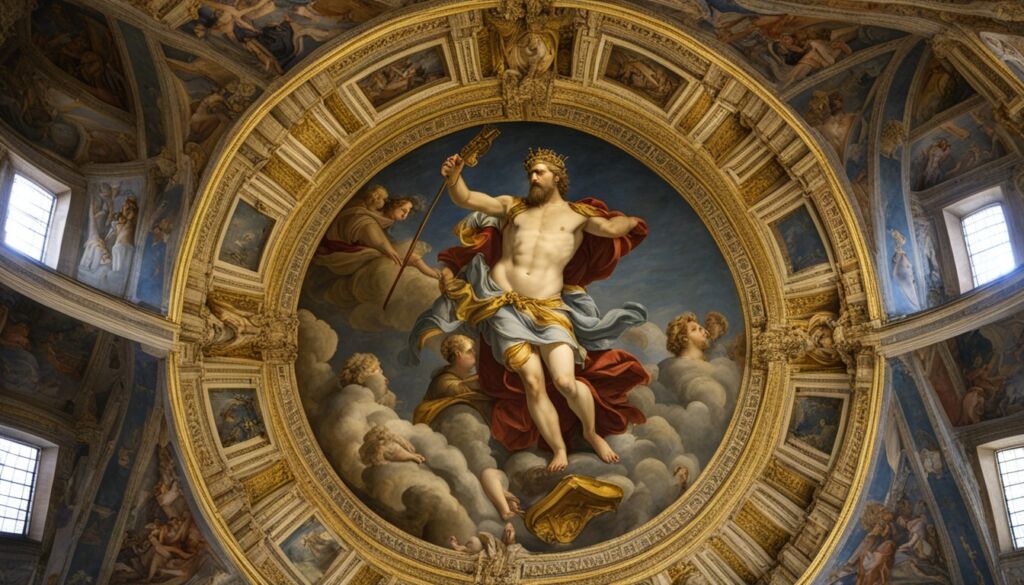
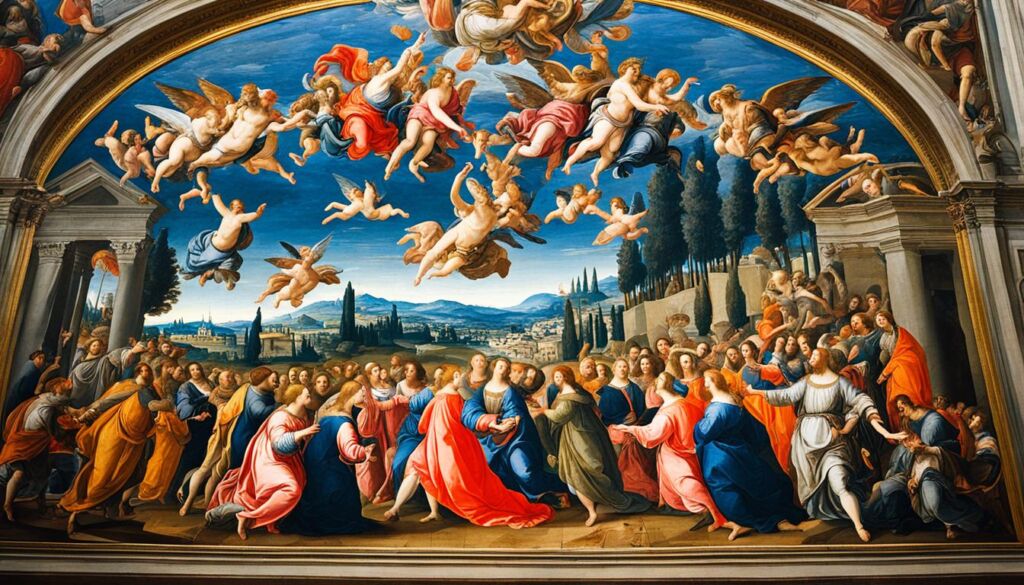
The Vatican Museums are a key spot in the world of Italian museums. They offer a unique look at art through the ages. A big reason to visit is to see the vast collection of famous artworks in Italy. You’ll find everything from ancient sculptures to Renaissance frescoes, each telling its own story.
These museums are home to treasures like the ‘Laocoön and His Sons’, dating back to 40-30 BC. Another must-see is ‘Augustus of Prima Porta’, a beautiful piece from the first century AD. Don’t miss Leonardo Da Vinci’s painting in the Pinacoteca room, showing his skill as a painter and engineer.
Raphael’s ‘The Crowning of the Virgin’ in the Pinacoteca Room VIII captures the beauty of the Italian Renaissance. Modern art is also featured, with works by Pierre Matisse that blend contemporary themes with spiritual motifs.
For the unique, the Gallery of the Candelabra has a statue of Artemis with bull testicles, symbolizing fertility. The Pine Cone Courtyard features a mysterious white marble sculpture by an unknown artist. Tommaso Laureti’s fresco in the Raphael Rooms is another masterpiece that will leave you in awe.
With about 70,000 works, the Vatican Museums showcase the past’s artistic brilliance. They offer special early tours for a quiet look at the art before the crowds arrive. This journey into art and history is why the Vatican Museums are a key part of Italy’s cultural scene.
The Uffizi Gallery: A Renaissance Gem in Florence
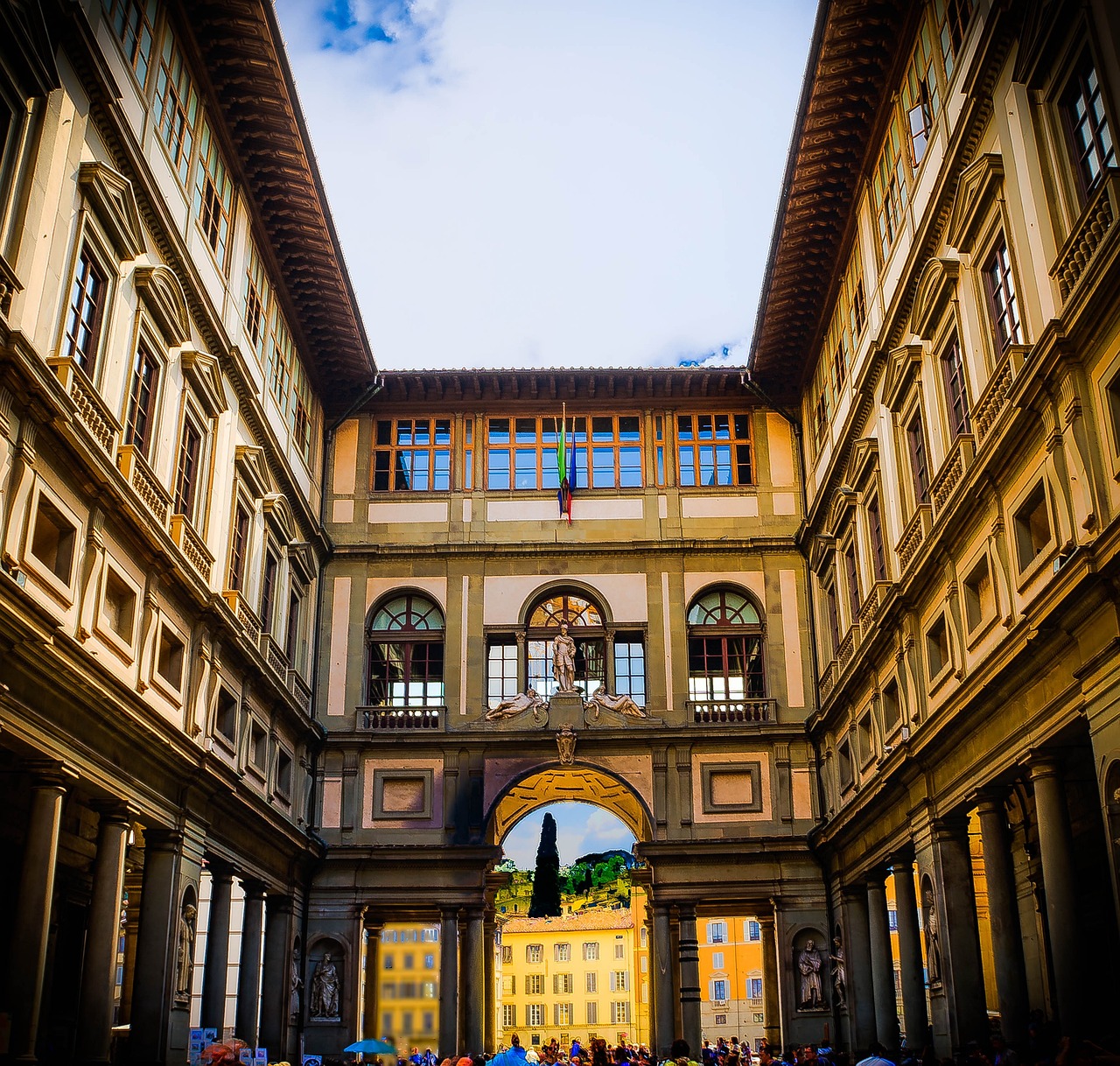
When you step into the Uffizi Gallery in Florence, you enter a world filled with Renaissance art collection. This place was built by Giorgio Vasari from 1560 to 1580. It’s not just a gallery; it’s a bridge through time, linking the Palazzo Vecchio with the Pitti Palace.
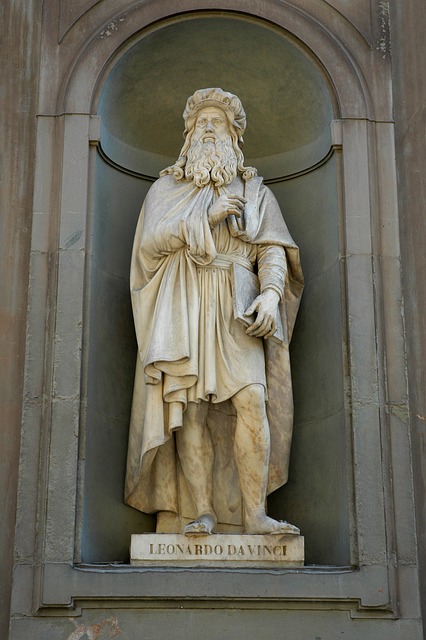
Each floor of the gallery takes you on a journey through art history. You’ll see works by Giotto, Botticelli, Leonardo Da Vinci, and Michelangelo. These artists’ works leave a lasting impact on everyone who sees them.
The Uffizi Gallery is full of art and culture from different times. You’ll find sculptures, paintings from the Middle Ages to today, and ancient statues. The Medici family gave many of these pieces. It’s a place where you can learn about art history in a beautiful setting.
Visiting the Uffizi is more than just looking at art. It’s an interactive experience with modern amenities like elevators and audioguides in many languages. This makes art accessible to people from all over the world.
The Uffizi Gallery is not just a place to see art. It’s a sanctuary where every corner tells a story. Each sculpture and painting from the Renaissance to today comes alive and speaks to you.
Every year, over 1.5 million people visit the Uffizi Gallery. It’s one of Italy’s most popular museums. People come not just to see famous masterpieces everyone knows. They also come to learn and support cultural preservation.
Upcoming exhibitions like “Divina simulacra” will keep the conversation between past and present going. This show will focus on divine representations through beautiful sculptures and artworks from different times.
The gallery has a wide range of sculptures from ancient to modern times. It also has a Department of Prints and Drawings. These show the Uffizi’s dedication to creativity and innovation in art history. The gallery offers baby facilities and an information desk, making it a great place for families.
Visiting the Uffizi Gallery is like walking through a living history of art. Every corner brings you closer to the art that has shaped our culture and beauty over the centuries. This place is more than a museum; it’s a bridge between the past and the present.
The Colosseum: Echoes of Ancient Rome
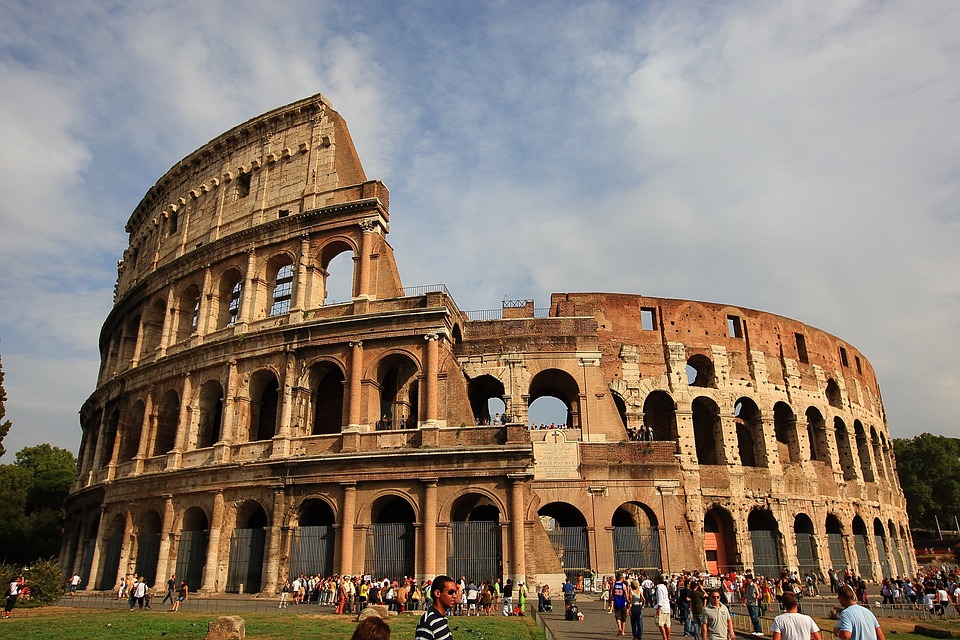
The Colosseum is a key symbol of Rome’s greatness. It draws millions with its stunning architecture and history. This huge amphitheater is a wonder of ancient architecture and engineering. It stands tall in Rome’s skyline, covering 6 acres and reaching 48 meters high.
Every year, over 5 million people visit, showing its lasting appeal. It’s a key part of Italy’s cultural heritage among archaeological sites.
It was built from AD 72 to AD 80. The Colosseum has 80 entrances, designed for quick access by thousands of spectators. This shows the advanced crowd management of ancient Rome.
It was a place for gladiator fights and public events. The design also includes underground tunnels and trap doors for special effects. This highlights its engineering skill.
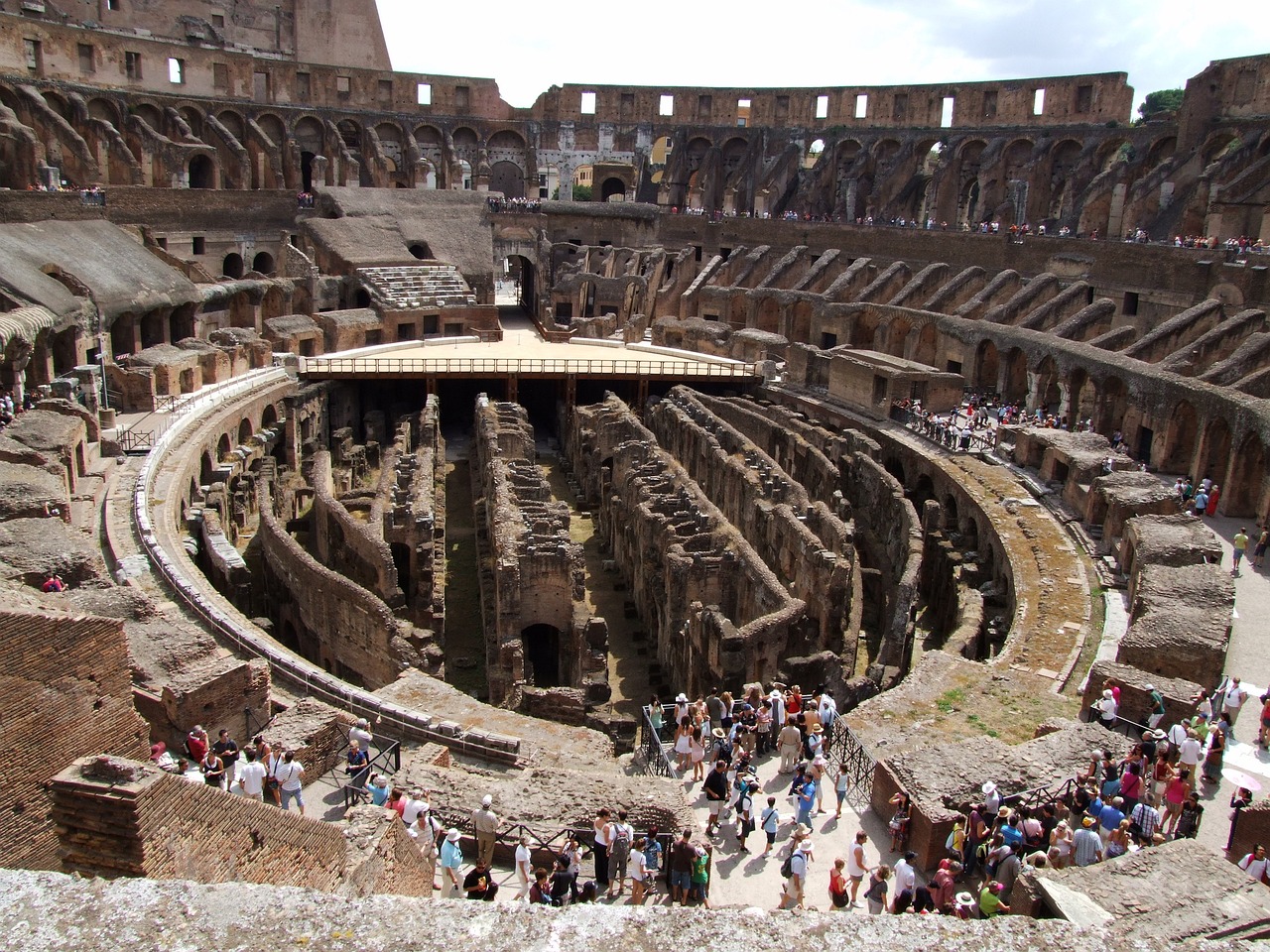
The Colosseum is more than just a building. It was a gift from the Flavian dynasty, symbolizing Rome’s glory. It was meant to bring people together for big events. Despite damage from earthquakes and time, it still connects us to ancient history.
It’s near the Roman Forum and Palatine Hill, showing us the daily life of Ancient Romans. This makes it a great start for exploring Rome’s history. It’s a key site among the world’s most important archaeological finds.
Hidden Gems in Rome: Discover Lesser-Known Museums
Rome is famous for its landmarks and history, but many miss its hidden treasures. The Giovanni Barracco Museum is one such gem. It shows ancient civilizations through Egyptian, Assyrian, Cypriot, and Greco-Roman artifacts.
The National Etruscan Museum at Villa Giulia is another gem. It focuses on the Etruscan civilization. You can learn about their lives, beliefs, and art through pieces like the Sarcophagus of the Spouses.
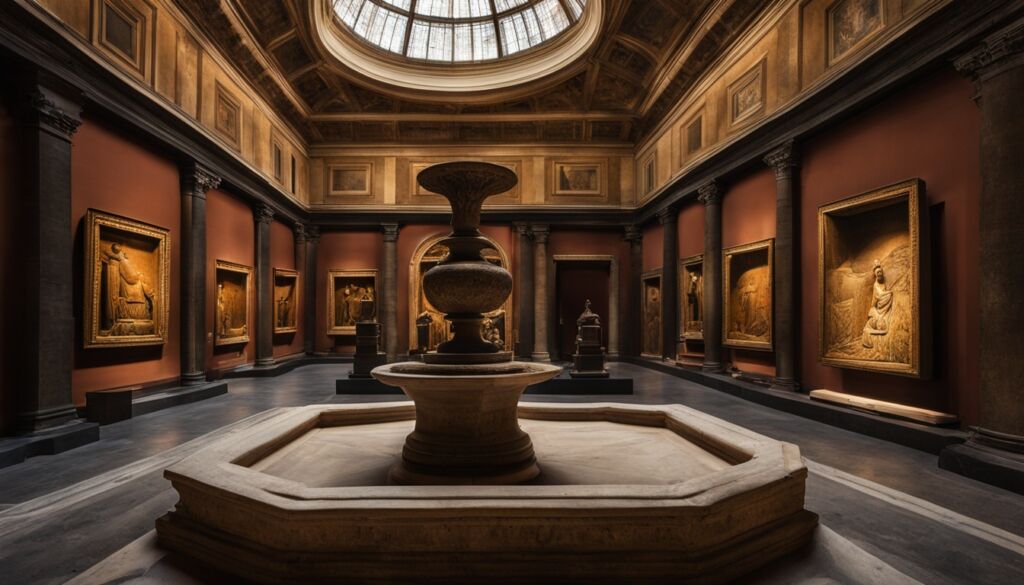
Centrale Montemartini is perfect for those interested in industrial archaeology and art. It combines classical statues with modern machinery for a unique museum experience in Rome.
Rome has many hidden sites for the curious traveler. The hidden treasures of Rome aren’t just in museums. They’re also in its neighborhoods and corners. Quartiere Coppedè has beautiful architecture, and the Basilica di Santo Stefano Rotondo al Celio shows off circular architecture.
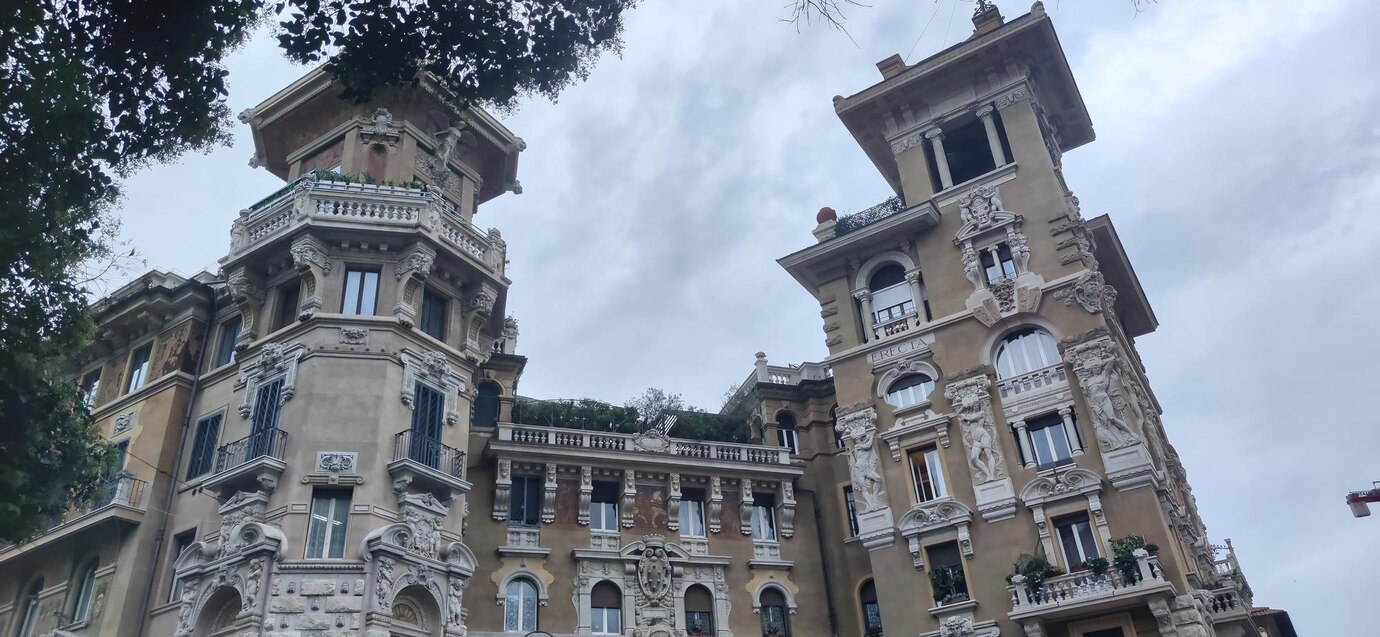
The Aventine Hill is a peaceful spot with gardens and ruins. It offers a close-up look at Rome’s beauty. Trastevere is another area with a real Roman feel. It has hidden courtyards and trattorias for those who like to explore.
For modern art, check out the National Gallery of Modern Art and the MAXXI Museum. They have 19th and 21st-century art. These museums show how art and society have changed over time.
Rome is full of history, culture, and art. It invites you to explore beyond the usual spots. Places like the Galleria Spada or Palazzo Doria-Pamphilj tell stories of the past and connect with today. Finding these hidden treasures of Rome makes your visit unforgettable.
Museums of Italy: Interweaving Culture & Innovation
The Museums of Italy beautifully mix culture with innovation. They are more than just art spots. They tell the story of the Italian cultural identity over the years. These museums give a deep look into Italy’s art, architecture, and social changes.
In cities like Milan, old landmarks meet modern life. This mix shows how culture changes and stays the same. Places like the Pinacoteca di Brera and the Museo del Novecento show Caravaggio and modern art. This mix of old and new is key to the Italy art guide.

Milan is full of Italy’s hidden treasures. It has the stunning Duomo di Milano and modern areas like the Quadrilatero della Moda. These spots show how Italy keeps its values but also changes with the world.
Italy’s museums focus on more than just beauty. They also look at deep ideas. In Milan, museums talk about changing their roles with new technology. This helps keep these treasures alive in the digital age.
This mix of old and new makes visiting Italy special. It helps people understand Italy’s role in world culture. It’s a journey that shows the many layers of Italian cultural identity.
Italian culture lives through its museums. They show Italy’s love for art and its look to the future. Every piece tells a story of the past and looks forward. This shows how museums around the world can blend history with new ideas.
The Artistic Journey from Florence to Rome: A Cultural Itinerary
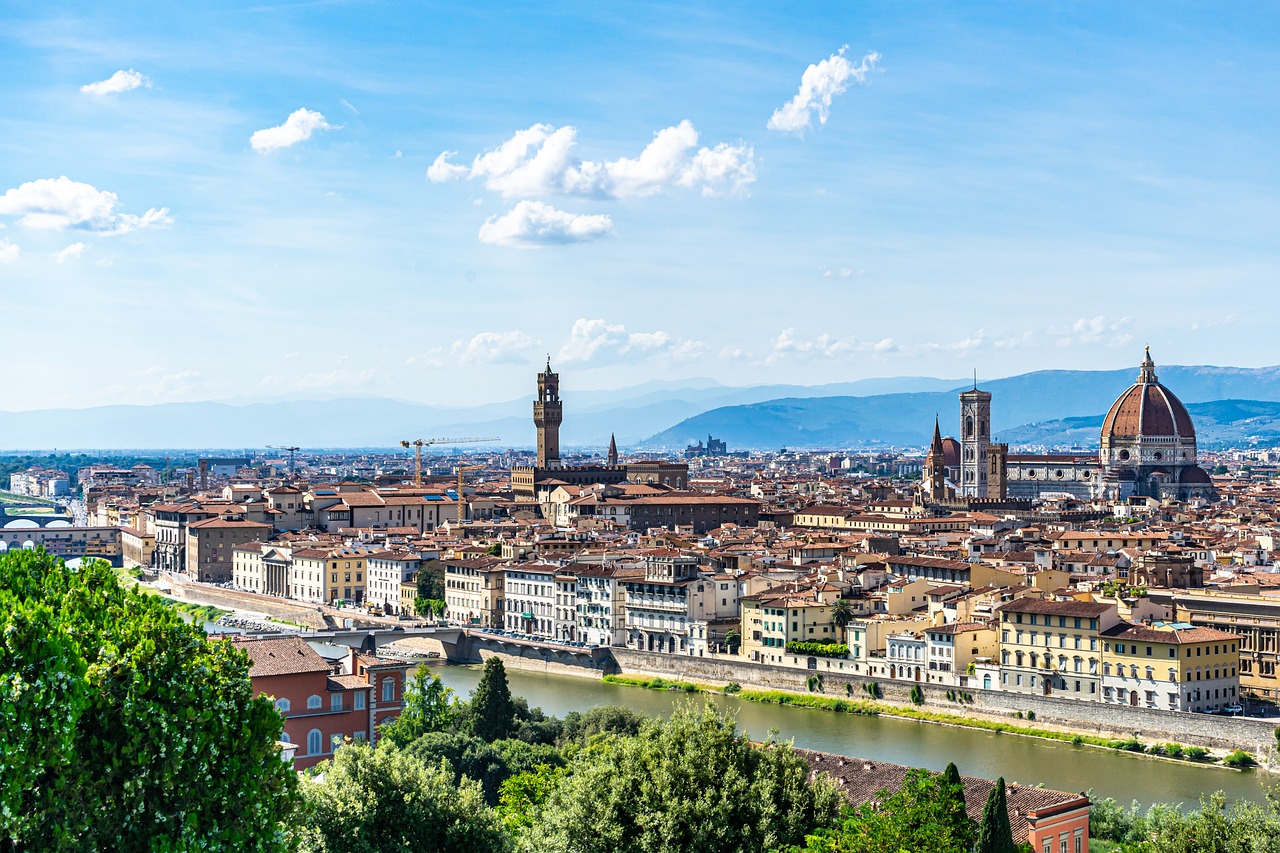
Traveling by train from Florence to Rome is more than a trip. It’s a journey through the heart of the Renaissance. Florence is known as the birthplace of the Renaissance. It was a time of great artistic and intellectual change.
Start your trip with a Florence Walking and Accademia Gallery Private Tour. Here, you’ll see Michelangelo’s famous David. It shows the innovative spirit of the Renaissance. This tour lets you dive into the stories that shaped modern Western culture.
From Florence, the train takes you to Rome, where history meets art. Rome is known for its Renaissance legacy. You can explore ancient ruins with the Premium Colosseum, Roman Forum, and Palatine Hill Group Tour.
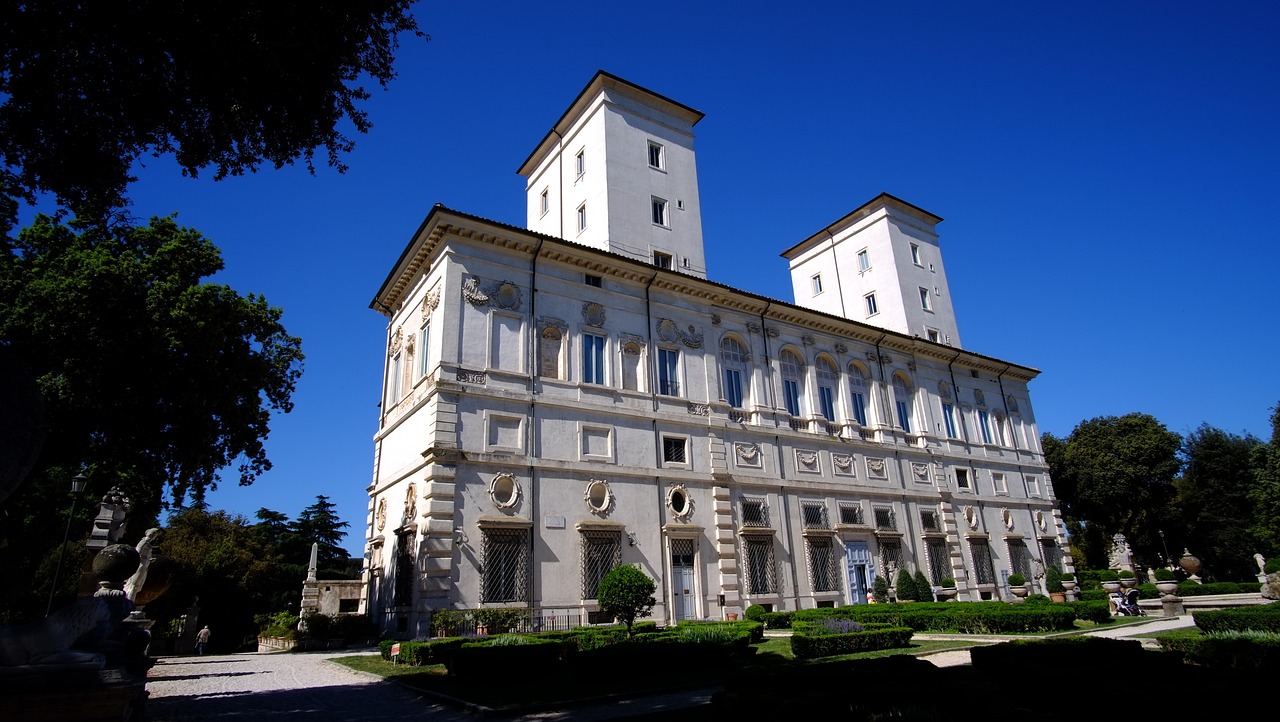
Don’t miss the Borghese Gallery, filled with Renaissance and Baroque art. It features works by Bernini and Caravaggio. This gallery tells the story of European art’s evolution.
The Complete Vatican Group Tour is perfect for those interested in the Vatican’s history and spirituality. It covers the Vatican Museums and Sistine Chapel. You’ll learn about the Vatican’s role in world history and religion.
Rome offers more than just history and art. You can take a cooking class in the historic Jewish District or explore crypts and catacombs. By traveling by train from Florence to Rome, you experience Italy’s mix of art, history, and culture.
This journey shows the best of Italian cultural offerings. It’s for those who want to see human creativity in action. From Florence’s art to Rome’s history, it’s a trip that celebrates Italy’s impact on art, culture, and history.
Visitor Tips for Italy’s Top Museums
Exploring Italy’s museums is a journey into art and culture. A key tip is to purchase museum tickets online. This saves time and ensures you get into places like the Uffizi Gallery in Florence and the Vatican Museums in Rome. During peak seasons, tickets can sell out quickly, so booking ahead is a must.
Think about getting tourist passes like the Roma Pass. These passes save money and give you priority access to many museums and sites in Rome. They also include public transport, making it easy to get around the city and enjoy its history without the trouble of buying separate tickets.
Comfort is key when visiting museums, as you’ll likely be walking and standing for hours. So, wear comfortable shoes to make sure you can explore without pain. Italy’s famous museums are often in old buildings with rough floors, so you’ll need good shoes.
Know the rules of each museum to avoid problems. For example, big bags might need to be checked, and flash photography is often banned to protect the art. Trying to see all of Italy’s nearly 4,000 museums in one trip is impossible. Make a list of what you really want to see and plan your time wisely, as visits can take 2-3 hours.
Also, check the museum hours as they can be unusual. Some close on certain days or have seasonal changes. Knowing this can prevent the disappointment of finding a museum closed, like Naples’s Museo Archeologico Nazionale on Tuesdays.
With these tips, you’re ready for an amazing journey through Italy’s museums. Enjoy art in a relaxed and fulfilling way.
Italian Museums: An Invitation to Discovery
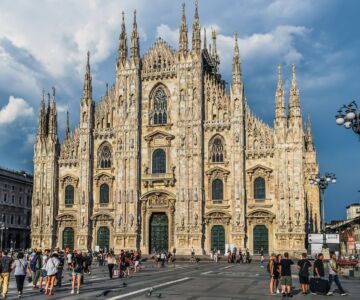
Milan shows Italy’s lasting impact on the world through its stunning buildings and fashion. The Duomo di Milano stands as a Gothic masterpiece, showing Milan’s deep history and culture. The Sforza family helped start the Renaissance, making Milan a key place for art and creativity.
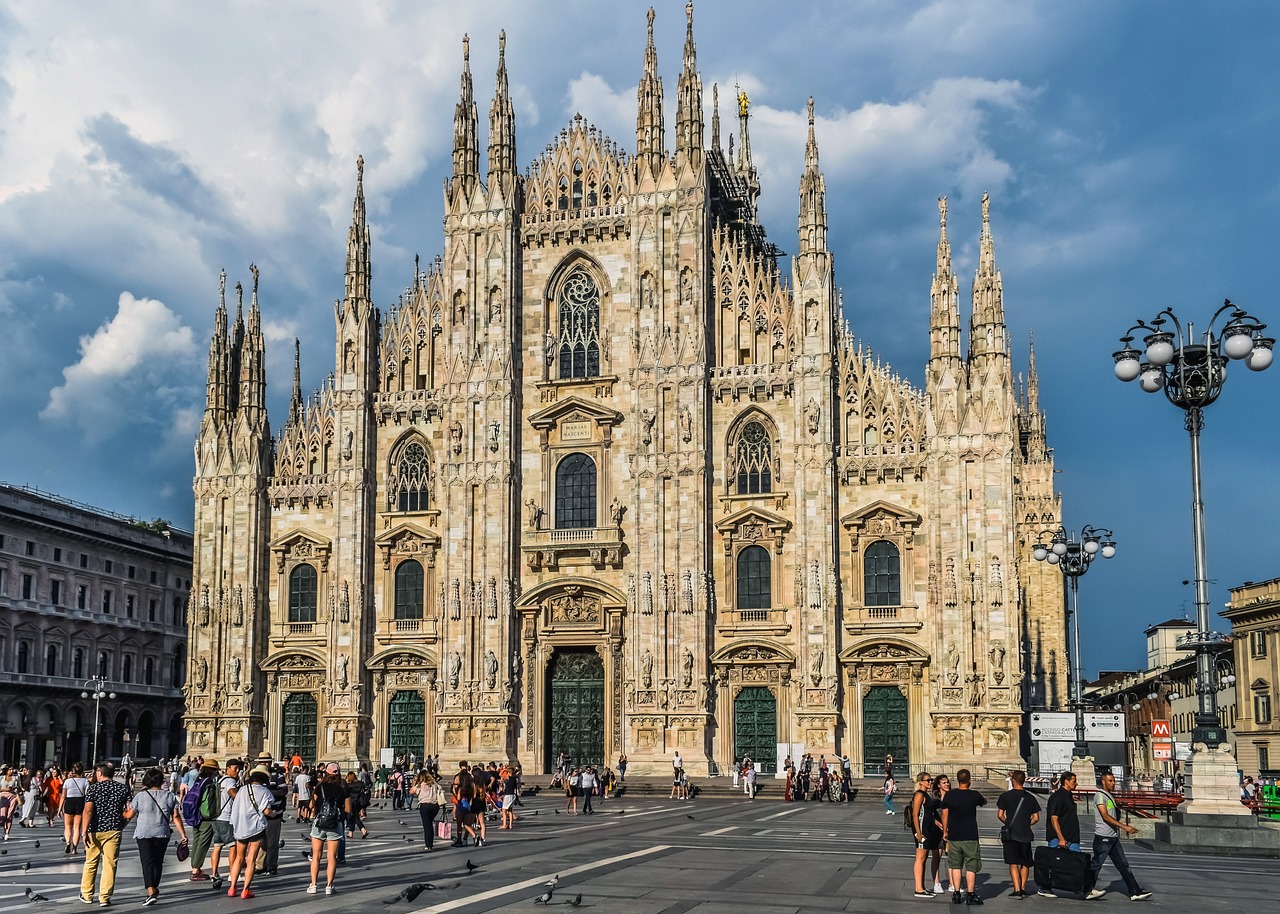
Today, Milan mixes old and new in places like the Quadrilatero della Moda. You can see Raphael and Caravaggio’s works and also find modern fashion. The city’s museums, from the Pinacoteca di Brera to luxury shops, show Milan’s fashion influence.
Milan Fashion Week sets new trends, showing the city’s role in fashion. For those who love the new and the old, places like the Museo del Novecento offer a mix of history and modern style. This makes Milan a place of endless discovery.
Museums in Milan do more than just show history. They invite visitors to think and join in a story that’s both deep and wide. Jacques Rancière says museums aim to give us new ways to see and think, helping us find our own freedom.
Milan’s museums change and grow, linking the past to today and the local to the global. They invite us to explore Italian culture, sparking a conversation between art and the world. This makes museums a key part of our journey of discovery.