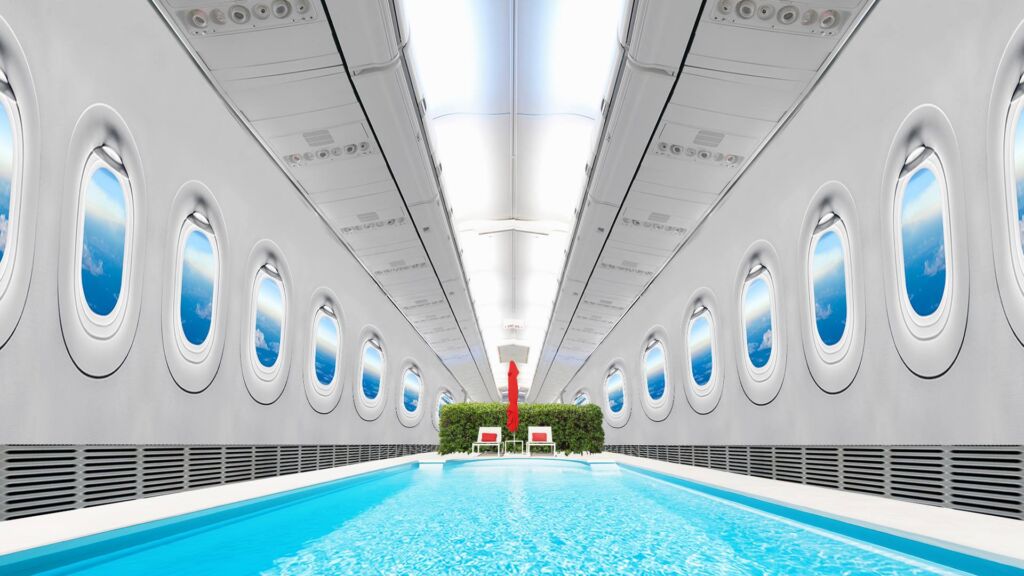
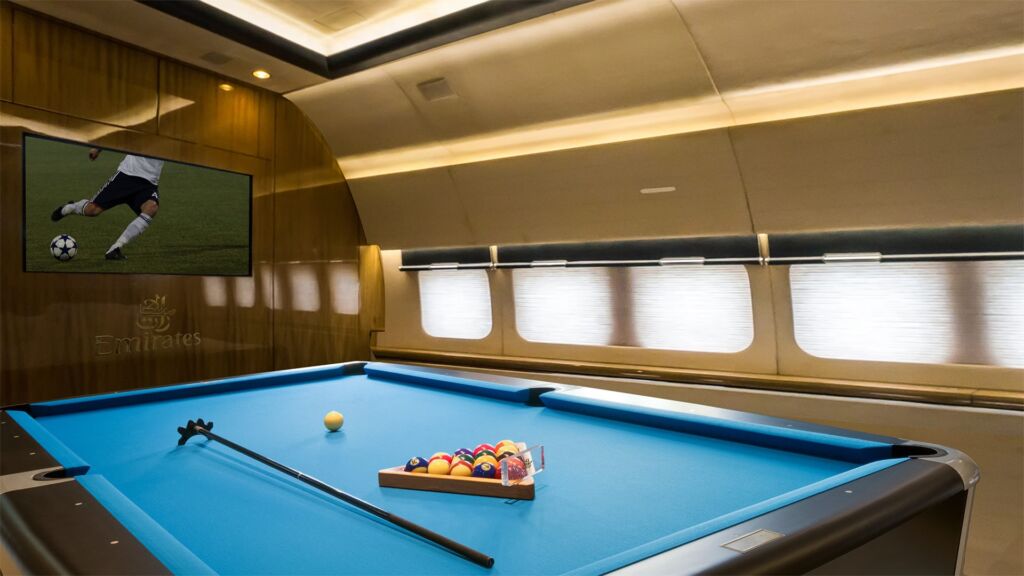
Elevating the future of air travel, Emirates’ A380 has unveiled a triple-decker wonder offering a swimming pool, games room, gym, and park in the sky.
The skies are about to witness an unparalleled marvel of aviation as Emirates announces its latest achievement: the world’s largest commercial aircraft, the triple-decker A380. Known for their innovative spirit, Emirates is set to elevate luxury air travel to dazzling new heights, introducing amenities that could rival the grandeur of a five-star hotel.
Key Features:
Trait-defying triple-decker structure.
Economy class that redefines traditional norms of comfort.
Business and first-class suites that epitomize privacy and opulence.
A swimming pool for an indulgent mid-air dip.
A fun-filled games room to delight passengers of all ages.
A fully equipped gym to keep travelers fit on the fly.
An onboard park, offering a tranquil and green oasis above the clouds.
Redefining Travel Luxury and Convenience
For too long, the notion of flying has been coupled with cramped seats and limited mobility. Passengers have been seeking more than just a way to get from point A to B; they long for an experience. The primary issues being the mundanity and discomfort associated with flying are now being addressed by the A380 in the most spectacular way. Airlines have struggled to differentiate themselves beyond service and slight variations in comfort, but Emirates’ new offering changes the playing field.
The A380 eradicates the age-old concerns of tedious long-haul flights by transforming air travel into an extraordinary journey filled with relaxation, entertainment, and fitness options. Not only does it solve the need for more enjoyable travel, but it also unlocks the door to an exclusive realm where the journey itself becomes a destination to look forward to.
Who Benefits from the A380?
The versatility of A380 caters to different passenger needs and preferences:
The vacationing family will find joy and entertainment, keeping children engaged and parents relaxed.
Business travelers can stay productive with luxurious suites and then unwind in the gym or pool.
Wellness-focused flyers can maintain their health routines effortlessly, and revel in the tranquility of the onboard park.
Future Skies Adorned with Luxury
As tools and technologies evolve, we are at the brink of an era where air travel could become the highlight of every trip. Imagine a world where the journey is as exciting as the destination. If airlines like Emirates continue to innovate and enhance the sky-high experience, air travel might soon be something we yearn for, rather than endure.
Emirates has not only conceptualized a future for us to eagerly anticipate but has also paved the way for a shift in global aviation dynamics with the triple-decker A380. As taken from a page of the future’s playbook, Emirates’ vision is set on redefining the essence of travel. Our skies are on the verge of becoming the home to a vessel of relaxation, amusement, and splendor. Are you ready to board?
Budapest is a lively city full of history, fun, and night adventures. There are many attractions in Budapest to enjoy. You can see the stunning Vajdahunyad Castle or visit the Cave Church for peace.
Don’t miss the unique bars like Szimpla Kert and Red Ruin. The Shoes on the Danube Promenade tell sad stories from World War II. This place shares important history.
Visiting Central Café and Restaurant 1887 feels like stepping back in time. It was where Hungarian thinkers met. You can also see saved Hungarian photos.
Local writer Peterjon Cresswell suggests great things to do. He says you must visit the Széchenyi Baths. Try local dishes like lángos and goulash. And enjoy the views with a drink in your hand.
Key Takeaways
Explore historic Budapest attractions like Vajdahunyad Castle and the Cave Church.
Visit unique bars such as Szimpla Kert and Red Ruin for a memorable Budapest nightlife experience.
Pay respects at the Shoes on the Danube Promenade, a poignant World War II memorial.
Experience authentic culinary delights and rich cultural heritage at Central Café and Restaurant 1887.
Enjoy leisurely activities like soaking in the Széchenyi Baths or savoring local dishes like lángos and goulash.
Discover the Historic Thermal Baths
Budapest is famous for its hot springs and spa culture. Over 100 thermal springs release warm, mineral-rich water daily. This makes it a top spot for bathing in Budapest. Let’s look at the famous Széchenyi and Gellért Baths.
Széchenyi Baths
The Széchenyi Baths in Budapest are a must-see. They are in the City Park, the heart of the city. This spa is the biggest in Hungary, with 18 pools and an equal number of saunas. Each one has different temperatures and mineral mix for your health.
Inside, there are 11 thermal pools and an ice-cold pool. Outside, enjoy three more pools. There’s also a special ‘Sparty’ event on Saturdays. It mixes parties with bright neoclassic architecture for a unique fun.
Gellért Baths
Gellért Baths history is fascinating. It stands on the Buda side of the Danube with beautiful art deco. The baths have warm pools and mineral water that’s good for your health.
They are more than just a spa. Rich in history from the Turkish times, they offer a quiet and healing space. Enjoy the pretty halls and find peace.
Thermal Bath
Number of Pools
Temperature Range
Unique Features
Széchenyi Baths
18
18°C-40°C
‘Sparty’ events, neo-baroque architecture
Gellért Baths
9
19°C-40°C
Art deco style, therapeutic waters
The Széchenyi and Gellért Baths bring relaxation and culture together. They are key in Budapest’s story and its thermal bathing tradition.
Exploring Budapest’s Unique Bars and Restaurants
Budapest is alive at night with its unique bars and restaurants. You can visit ruin bars rich in history and art, or you may prefer a cosy pub or an elegant dining place. No matter your choice, every spot in the city is set to give you a memorable experience.
Szimpla Kert
The Szimpla Kert bar is very famous for its ruin bar in Budapest. It is in an old factory on Kazinczy Utca. The space is filled with strange and creative things like Trabant cars and kangaroo statues. Here you will find eight differently themed rooms, each offering something unique.
Hungarian craft beers from Hübris and Fehér Nyúl are available, along with other drinks from several bars. The lush garden is popular during summer. Upstairs, you’ll find over five rooms, each offering a different experience. DJs and bands play here on weekends, making the place lively. Visiting between May and October from 6 pm is advised to avoid the big crowds, and it’s free.
For Sale Pub
The For Sale Pub has a cozy feel and welcomes guests to write on its walls. Notes and memos cover the walls. Straw on the floor adds to its rustic flair. Here you can eat traditional Hungarian dishes like veal paprikash and beef stew.
Savoyai Terasz offers beer for $10 a pint, making it a good option for those who love traditional pubs. Its unique decorations and warm vibe make it a top choice for many, adding to Budapest’s variety of nightlife options.
Rosenstein
Rosenstein is a must-visit in Budapest for a special dining experience. It combines Hungarian and Jewish cuisine beautifully. You can enjoy dishes like beef tenderloin and burrata cheese in a homely setting. This restaurant is known for its delicious and authentic meals.
Here you will find favourite dishes like Neapolitan pizza and beef tenderloin. For a taste of Hungary, don’t miss Gettó Gulyás or the special kaplinka at Ildikó Konyhája.
Bar/Restaurant
Specialties
Highlights
Szimpla Kert
Craft beers, eclectic decor
Eight themed rooms, live music
For Sale Pub
Beef stew, veal paprikash
Cozy, straw-covered ambiance
Rosenstein
Jewish-Hungarian cuisine, beef tenderloin
Refined and homely dining
Top Museums to Visit in Budapest
From somber memorials to architectural beauty, Budapest’s museums show its rich history deeply.
House of Terror
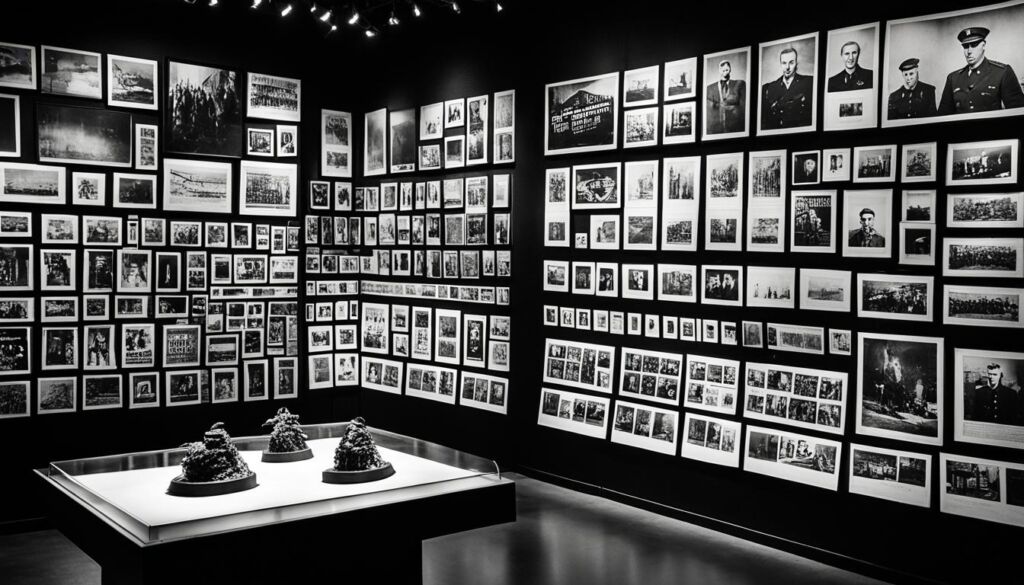
The House of Terror Museum shows the bad times under fascist and communist rules. It’s in a place where the Communist Secret Police once worked and now holds House of Terror exhibits. Some think it shows too many sad things, but it’s key for learning and showing respect.
Szabo Ervin Library
The Szabo Ervin Library is great for those who love books and cool buildings. It was once a big home for rich people. The Szabo Ervin Library architecture and the books there are amazing. It’s a heaven for people who love books and history.
Zwack Unicum Museum
The Zwack Unicum Museum is wonderful for seeing how Hungary’s special drink, Unicum, is made. People visit to discover the secret 40-herb mix. They can also see 17,000 mini bottles of drinks from the world. It’s fun and teaches a lot about Hungary’s drink making story.
Museum
Focus
Highlights
House of Terror
Communism and Fascism
Graphic exhibits, Political tyranny history
Szabo Ervin Library
Historical & Literary
Aristocratic mansion, Architectural splendor
Zwack Unicum Museum
Liquor History
Herbal liquor production, Mini bottle collection
Iconic Landmarks and Monuments
Budapest is full of famous places. These include amazing structures and spots with deep history. They show the city’s rich culture and tell stories from the past. You must see these areas in Budapest.
Shoes on the Danube Promenade
The Shoes on the Danube Promenade is special. It’s a memorial by the river, made in 2005. It has 60 iron shoes to remember Jewish people killed during the war.
This place is a strong reminder of bad times. It shows what happens with hate and not accepting others.
Fishermen’s Bastion
The Fishermen’s Bastion sits on a hill. It was made in 1901 and looks like a dream with its turrets. It offers the best view of Budapest. This castle-like building is more than it seems. It captures Hungary’s old folk stories. And, it gives scenic views of the river.
St. Stephen’s Basilica
St. Stephen’s Basilica is the biggest church in Budapest. It can fit more than 8,500 people. Built in a neo-classical style, it took over 50 years to finish. People go there to see the hand of St. Stephen, an old king of Hungary. The church is stunning and also shows how important the city’s religion is. It’s a place where both tourists and locals visit to know the city better.
Attraction
Year Established
Significance
Shoes on the Danube Promenade
2005
Commemorates Jewish victims of WWII
Fishermen’s Bastion
1901
Offers panoramic views of Budapest
St. Stephen’s Basilica
1905
Houses the mummified hand of St. Stephen
Sightseeing Adventures in Budapest
Budapest offers exciting adventures that show the city’s lively side. You can explore the calm Danube River or enjoy mural tours. These adventures lead you through the city’s culture and history in a fun way.
Danube River Cruise
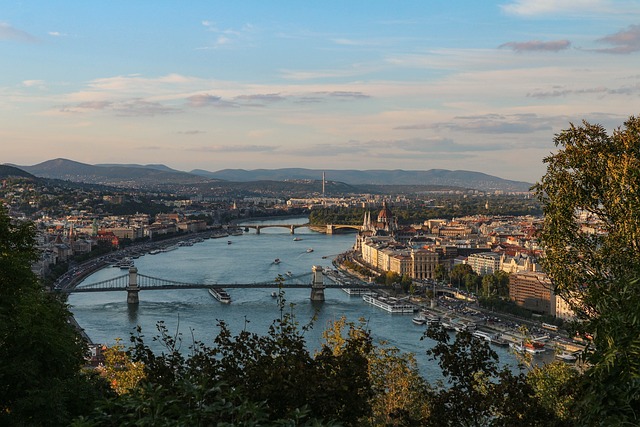
One of Budapest’s top adventures is a cruise on the Danube River. The cruise shows amazing views of Buda and Pest. The beautiful bridges and views at night make memories that last. The starting price is €10,00 per person for a tour you won’t forget.
Almost everyone who goes loves it, with a 98% satisfaction rate. They praise the guides, transportation, and say it’s a great deal. This cruise lets you see Budapest’s beauty while relaxing on a boat.
Tour Budapest’s Cool Murals
If you like city exploring, try the mural tours in Budapest. These murals share Hungary’s history and culture. They are found all over, even on Castle Hill which has amazing views.
The tour also visits many important cultural and historical places. It includes statues, memorials, museums, and sculptures. Users love exploring these areas, like the ones at Central Café and Restaurant 1887. These places make the tours more interesting.
In Budapest, you can cruise or enjoy the city’s public art. Both experiences let you dive into the city’s story. They are unforgettable ways to explore the city’s rich culture.
things to do in Budapest
When you plan your trip to Budapest, make sure you see both old and new. Visit the famous thermal baths or check out the National Museum. There’s something fun for everyone.
Start at Castle Hill to see old favorites like Buda Castle and Matthias Church. Then, walk Andrássy Avenue from city center to Heroes’ Square. Don’t forget to stop and shop at the stores.
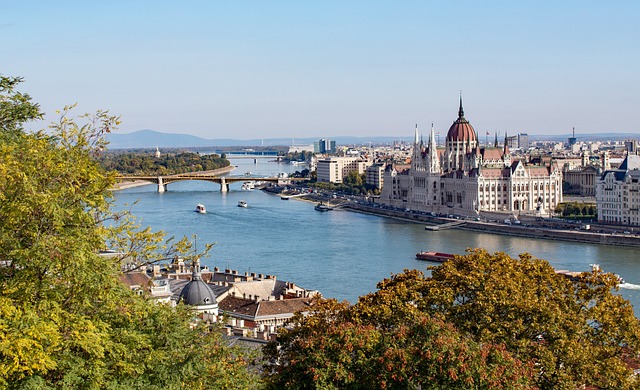
Your tour must see the Hungarian Parliament. You can take a tour inside its 691 rooms. Art lovers should visit the Museum of Fine Arts and the National Gallery.
Try Budapest’s delicious food at markets and traditional restaurants. At night, visit unique places like Szimpla Kert. Music lovers can catch a show at the Liszt Academy or Müpa Budapest.
To relax, go to the thermal baths at places like Széchenyi and Gellért. Or, learn about music at the House of Music. It’s an amazing building by Sou Fujimoto.
Activity
Description
Notable Facts
Castle Hill
Home to Buda Castle, Matthias Church, and Fisherman’s Bastion
Medieval splendor and panoramic views
Andrássy Avenue
Grand avenue linking city center to key landmarks
2.3 km lined with shops and historic buildings
Hungarian Parliament
Opulent architecture and guided tours
691 rooms in total
Thermal Baths
Mineral-rich thermal baths rooted in Roman and Ottoman history
Széchenyi Baths has 16 pools
River Cruise
Sail along the Danube for picturesque views
Landmarks like Chain Bridge and Margaret Island
Don’t miss the city’s M1 subway, the oldest in Europe. It’s great for seeing sights. The Danube Promenade is lovely for evening walks.
Add these activities to make your Budapest visit great. You’ll love the history, culture, food, and fun in this lively city. Every part of Budapest is ready to welcome you.
Conclusion
Budapest is a city with a rich mix of culture and history. It has places like ancient thermal baths and dynamic ruin bars. These spots show Budapest’s charm. The Hungarian Parliament Building and other sites are beautiful. They tell stories of the city’s past.
It’s good to spend three to four days exploring Budapest and the Danube Bend. This is best in spring and summer. Prices are affordable, like a flight costing around €147.56. It includes airport transfers and two nights in a hotel. A 24H Budapest travel card at 2500 HUF (€6) is better than a one-day Hop On Hop Off ticket.
You can enjoy Széchenyi Baths, Gellért Hill views, or a Danube River cruise in Budapest. Every activity is memorable. Budapest is full of surprises and is a great destination for all travelers.
FAQ
What are some must-visit Budapest attractions?
Key places to see in Budapest are Vajdahunyad Castle and Cave Church. Don’t miss Szimpla Kert and Red Ruin bars. Also, check out Shoes on the Danube Promenade for history.
What makes Budapest’s thermal baths special?
Budapest is known for its warm springs and thermal baths. The Széchenyi Baths have many pools and cool parties on Saturdays. The Gellért Baths offer beautiful places to relax and healing waters.
Where can I experience authentic Budapest nightlife?
To live it up in Budapest at night, go to places like Szimpla Kert. For Sale Pub and Rosenstein also offer fun with unique decor and food.
Which museums in Budapest are worth visiting?
Do visit the House of Terror, Szabo Ervin Library, and Zwack Unicum Museum. These places share deep history and have special collections showing Hungary’s past.
What are the top landmarks and monuments in Budapest?
Popular places include Shoes on the Danube Promenade and Fishermen’s Bastion. Also, St. Stephen’s Basilica is a must with its mummified hand and beautiful architecture.
What are some exciting sightseeing adventures in Budapest?
Try a Danube River Cruise for amazing Buda and Pest views. Or check out the city’s murals teaching about Hungary’s history. Both show Budapest’s beauty and rich history.
What should I include in a Budapest travel itinerary?
Mixing thermal baths, history, local food, and night fun is the way to go. You can do river cruises, see murals, visit landmarks, and enjoy cozy bars.
A family from Texas has made a bold decision to sell their home and travel around the world to find a new place to live. This exciting journey is all about new experiences and a fresh start. Let’s explore their adventure, why they made this choice, and the challenges they might face.
The Decision to Sell and Travel
Embracing Change
The family decided to sell their Texas home and travel because they wanted to try something new. Instead of staying in one place, they chose to explore different cultures, meet new people, and see the world. This journey is not just about finding a new home; it’s about having new experiences and learning more about the world.
Financial Considerations
Selling a home is a big financial decision. For this family, selling their Texas home gives them the money they need to travel and look for a new home. The money from the sale will pay for their travels and help them live comfortably while they search for the perfect place to settle down.
The Role of Technology
Technology makes it easier for the family to plan their journey. They can use virtual home tours and online research to learn about different countries and cities. Social media and travel blogs also provide helpful tips and recommendations, making it easier for them to decide where to go and what to see.
Exploring New Destinations
Cultural Immersion
One of the most exciting parts of the family’s journey is experiencing different cultures. By living in various countries, they will learn about the traditions, customs, and lifestyles of people from different backgrounds. This will make their lives richer and give them a better understanding of the world.
Educational Opportunities
Traveling abroad offers unique learning opportunities, especially for families with children. The kids will have the chance to learn new languages, attend international schools, and gain a global perspective. These experiences will help them understand the world better and prepare them for the future.
Finding the Perfect Fit
The family’s goal is to find a new place to call home. They will explore different cities and regions, considering things like climate, cost of living, quality of life, and community. By visiting these places, the family can make a well-informed decision about where they want to live.
Challenges and Considerations
Legal and Logistical Hurdles
Moving to a new country involves dealing with various legal and logistical challenges. The family will need to get visas and work permits and understand local laws and regulations. Consulting with experts can help them overcome these challenges and ensure a smooth move.
Emotional Impact
Leaving a familiar place and starting a new journey can be emotionally challenging. The family will need to adjust to new cultures, make new friends, and deal with homesickness. Staying connected with loved ones back home and building a support network can help them cope with these emotional challenges.
Financial Management
While selling their home gives the family money to travel, they need to manage their finances wisely. They will need to budget for travel expenses, accommodation, and daily living costs in different countries. Long-term financial planning, including investments and savings, is also important for their future stability.
Ethical Considerations
Responsible Travel
As the family travels to different countries, it’s important to practice responsible travel. This means respecting local cultures and traditions, minimizing their environmental impact, and supporting local economies. By being mindful of their actions, the family can positively contribute to the communities they visit.
Data Privacy
In today’s digital age, protecting personal data is crucial. The family must be careful about sharing their travel plans and personal information online. Using secure communication channels and being cautious about what they share on social media can help protect their privacy.
Cultural Sensitivity
Cultural sensitivity is important when traveling to different countries. The family should strive to understand and respect the customs and traditions of the places they visit. This includes learning about local etiquette, dress codes, and social norms. Being culturally sensitive will help them build positive relationships with people from different backgrounds.
Looking Ahead
Future Prospects
As the family continues their journey, they will encounter new opportunities and challenges. Their experiences will shape their future and influence their decisions about where to settle down. Whether they find their new home in a bustling city or a peaceful countryside, their journey will show their resilience and adaptability.
Conclusion
Selling their Texas home and traveling abroad to find a new home is a bold and inspiring move. It shows their desire for new experiences, personal growth, and a fresh start. While the journey will have its challenges, the family’s willingness to embrace change and explore the world is commendable. As they navigate this exciting chapter of their lives, they will create lasting memories and gain valuable insights that will shape their future.