A family from Texas has made a bold decision to sell their home and travel around the world to find a new place to live. This exciting journey is all about new experiences and a fresh start. Let’s explore their adventure, why they made this choice, and the challenges they might face.
The Decision to Sell and Travel
Embracing Change
The family decided to sell their Texas home and travel because they wanted to try something new. Instead of staying in one place, they chose to explore different cultures, meet new people, and see the world. This journey is not just about finding a new home; it’s about having new experiences and learning more about the world.
Financial Considerations
Selling a home is a big financial decision. For this family, selling their Texas home gives them the money they need to travel and look for a new home. The money from the sale will pay for their travels and help them live comfortably while they search for the perfect place to settle down.
The Role of Technology
Technology makes it easier for the family to plan their journey. They can use virtual home tours and online research to learn about different countries and cities. Social media and travel blogs also provide helpful tips and recommendations, making it easier for them to decide where to go and what to see.
Exploring New Destinations
Cultural Immersion
One of the most exciting parts of the family’s journey is experiencing different cultures. By living in various countries, they will learn about the traditions, customs, and lifestyles of people from different backgrounds. This will make their lives richer and give them a better understanding of the world.
Educational Opportunities
Traveling abroad offers unique learning opportunities, especially for families with children. The kids will have the chance to learn new languages, attend international schools, and gain a global perspective. These experiences will help them understand the world better and prepare them for the future.
Finding the Perfect Fit
The family’s goal is to find a new place to call home. They will explore different cities and regions, considering things like climate, cost of living, quality of life, and community. By visiting these places, the family can make a well-informed decision about where they want to live.
Challenges and Considerations
Legal and Logistical Hurdles
Moving to a new country involves dealing with various legal and logistical challenges. The family will need to get visas and work permits and understand local laws and regulations. Consulting with experts can help them overcome these challenges and ensure a smooth move.
Emotional Impact
Leaving a familiar place and starting a new journey can be emotionally challenging. The family will need to adjust to new cultures, make new friends, and deal with homesickness. Staying connected with loved ones back home and building a support network can help them cope with these emotional challenges.
Financial Management
While selling their home gives the family money to travel, they need to manage their finances wisely. They will need to budget for travel expenses, accommodation, and daily living costs in different countries. Long-term financial planning, including investments and savings, is also important for their future stability.
Ethical Considerations
Responsible Travel
As the family travels to different countries, it’s important to practice responsible travel. This means respecting local cultures and traditions, minimizing their environmental impact, and supporting local economies. By being mindful of their actions, the family can positively contribute to the communities they visit.
Data Privacy
In today’s digital age, protecting personal data is crucial. The family must be careful about sharing their travel plans and personal information online. Using secure communication channels and being cautious about what they share on social media can help protect their privacy.
Cultural Sensitivity
Cultural sensitivity is important when traveling to different countries. The family should strive to understand and respect the customs and traditions of the places they visit. This includes learning about local etiquette, dress codes, and social norms. Being culturally sensitive will help them build positive relationships with people from different backgrounds.
Looking Ahead
Future Prospects
As the family continues their journey, they will encounter new opportunities and challenges. Their experiences will shape their future and influence their decisions about where to settle down. Whether they find their new home in a bustling city or a peaceful countryside, their journey will show their resilience and adaptability.
Conclusion
Selling their Texas home and traveling abroad to find a new home is a bold and inspiring move. It shows their desire for new experiences, personal growth, and a fresh start. While the journey will have its challenges, the family’s willingness to embrace change and explore the world is commendable. As they navigate this exciting chapter of their lives, they will create lasting memories and gain valuable insights that will shape their future.
Bordeaux is at the heart of France’s famous wine area, known for its rich history and culture. It’s a place where you can relax and enjoy beautiful scenery, like vineyards. You’ll find top-notch restaurants, ancient castles, and lively areas such as the Place de la Bourse. Plus, getting here is easy thanks to great transportation. This ensures your journey to Bordeaux is as smooth as possible, letting you dive into the French lifestyle.
Key Takeaways
Bordeaux is a hub for history, culture, and gastronomy within the French wine region.
The city offers luxurious accommodations, such as InterContinental Bordeaux – Le Grand Hôtel and Les Sources de Caudalie.
Michelin-starred dining and local wine tastings enrich the Bordeaux travel experience.
Bordeaux’s architecture and vibrant public spaces, like the Place de la Bourse, enhance its charm and allure.
Excellent transportation links make Bordeaux an accessible and attractive destination for vacationers.
Getting to Bordeaux
Bordeaux is easy to reach from all over, both in France and abroad. You can choose from many ways to make your trip smooth. This city is well-connected, welcoming visitors from everywhere.
By Air
Bordeaux-Mérignac Airport is close, just 9km from the city center. It’s perfect for those flying in from other countries. After landing, it’s a quick 25-30 minute trip to the city. The airport also handles special items like sports gear, but there could be extra fees.
By Train
Take the TGV high-speed train for a fast and pleasant ride. If you’re coming from Paris, it’s only about three hours to Bordeaux. From Toulouse, it takes around 2 hours. The TGV train offers great views and gets you to Bordeaux swiftly, showing why many people choose it.
Origin
Transport Method
Duration
Paris
TGV High-Speed Train
~3 hours
Paris
Car
~5 hours
Calais (UK)
Car
~9 hours
Toulouse
Private Transfer
~4.5 hours
Public Transportation
Bordeaux has a great public transport system. Using trams and buses, it’s easy to get around. This means you can see the city’s beautiful areas without trouble. If you’re staying for three nights or more, the public transport is a great option. It lets you see the best of Bordeaux in a relaxed way.
Where to Stay
Bordeaux has many luxurious places to stay that visitors will love. It mixes old charm with new style. And it makes sure every guest has a memorable visit.
InterContinental Bordeaux – Le Grand Hôtel
The InterContinental Bordeaux – Le Grand Hôtel is perfect for luxury lovers. It has a famous restaurant, Le Pressoir d’Argent Gordon Ramsay. The rooftop also gives amazing views of the city.
Les Sources de Caudalie
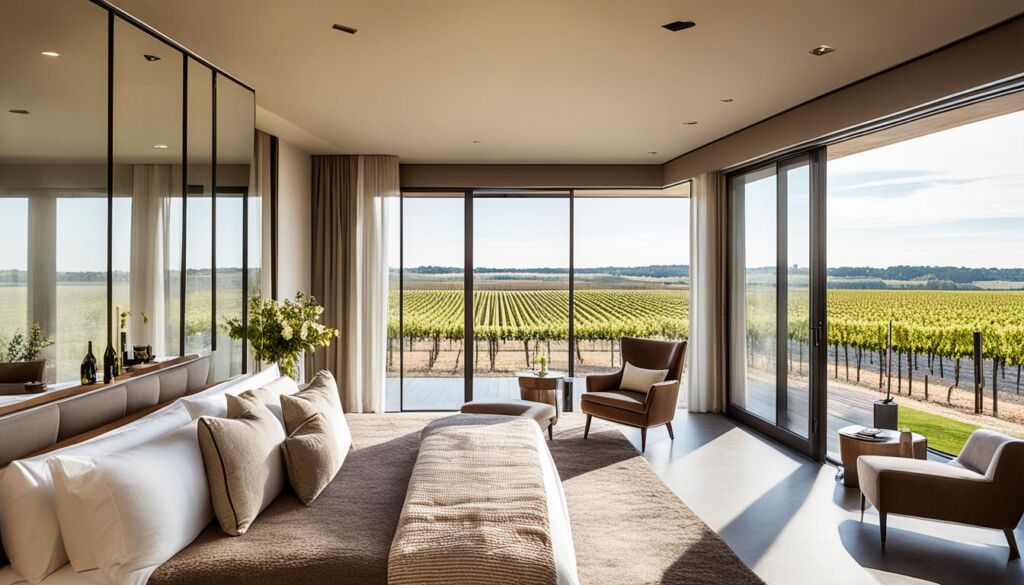
Les Sources de Caudalie is a peaceful spot, 30 minutes from downtown Bordeaux. It sits among beautiful vineyards. Here, you can have spa treatments that use grapes. It’s a unique way to enjoy luxury with a touch of wine.
Yndo Hotel
The Yndo Hotel is great for those who like boutique places. It’s in a lovely 19th-century building. Each room has its own style, mixing modern and classic looks. It offers a special and private stay in Bordeaux.
Bordeaux’s charm isn’t only in the city. The countryside has old castles where you can stay. You can visit pretty villages and vineyards. The city has something special for everyone, whether it’s luxury or a small and unique hotel.
Accommodation
Location
Highlight
InterContinental Bordeaux – Le Grand Hôtel
Downtown Bordeaux
Michelin-starred restaurant and rooftop terrace
Les Sources de Caudalie
Caudalie Vineyard
Vine-based spa treatments
Yndo Hotel
City Center, Bordeaux
Individually styled rooms in a historic mansion
Exploring the Wine Region
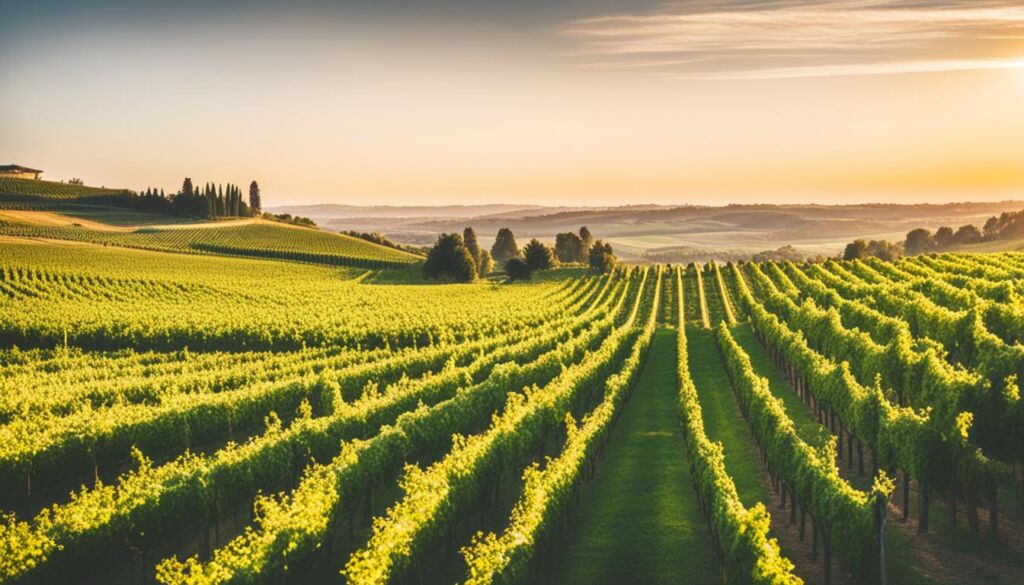
When you visit Bordeaux, it’s amazing to see its famous wine region. You get to learn a lot on vineyard tours. They show you how wine is made, take you to old estates, and let you taste amazing wines. Start by visiting top châteaux and a cool wine museum in Bordeaux.
Château Margaux
Château Margaux is known for its fine wines. This fancy château lets you see how they make their famous red wines. They use Merlot, Cabernet Sauvignon, and Petit Verdot grapes in their special blends.
Château Mouton Rothschild
Château Mouton Rothschild has great wines and art. At this château, you get to taste their wines. They also have a neat art collection. Their vineyards grow mostly Cabernet Sauvignon, which is important for Bordeaux’s red wines.
Château Pape Clément
Château Pape Clément mixes old and new in their wines. They make reds and whites in a special way. You can take tours to see how they do it. It shows the mix of old and new in Bordeaux’s wines.
La Cité du Vin
La Cité du Vin is a unique wine museum in Bordeaux. It’s not just any other place. It’s a fun museum with things you can see, touch, and even taste. Don’t miss the chance to see Bordeaux from above and enjoy a fine glass of wine.
Doing vineyard tours in Bordeaux and tasting wines is a great journey. You’ll see famous places like Château Margaux, Château Mouton Rothschild, and Château Pape Clément. Don’t forget the wine experience at La Cité du Vin. It’s a real mix of history, arts, and flavors.
Cultural and Historical Highlights
Bordeaux shines with its rich culture, pulling in visitors to see its many historic places and beautiful buildings. A top spot is the Place de la Bourse, famous for its old-style looks. Here, you’ll find the Miroir d’Eau, the biggest water mirror in the world. It shows off cool reflections of the nearby views, making Bordeaux even more special.
Place de la Bourse
Exploring Bordeaux’s history without seeing the Place de la Bourse would be a miss. This place shows off 18th-century charm through its old designs. The Miroir d’Eau, near it, reflects the stunning buildings, making Bordeaux a true beauty to see.
Cathédrale Saint-André
Lovers of Gothic style should visit the Cathédrale Saint-André. It’s a big and grand church with a tall tower that lets you see all over the city. The front of the church is very detailed and tells a lot about Bordeaux’s past.
The Grosse Cloche
The Grosse Cloche is an old bell tower, showing Bordeaux’s medieval times. One of the oldest places in Bordeaux, it’s full of history and great for photos. Photographers and history fans both love it.
Musée d’Aquitaine
The Musée d’Aquitaine is where you can learn all about Bordeaux’s past. It has lots of things from the old days to now. This museum is key to understanding Bordeaux better.
The Grand Théâtre
The Grand Théâtre is a lovely place in Bordeaux for opera and ballet shows. It looks amazing inside and out, showing Bordeaux’s love for the arts. A must-see for culture fans visiting Bordeaux.
FAQ
How can I travel to Bordeaux?
Getting to Bordeaux is easy by flying or taking the train. Bordeaux-Mérignac Airport has many international flights. You can also take the quick TGV train from Paris in just over two hours.
What are my options for public transportation in Bordeaux?
Bordeaux’s trams and buses are great for seeing the city. They help both locals and visitors move around easily.
Where can I find luxurious accommodation in Bordeaux?
In Bordeaux, you’ll find luxury at places like InterContinental Bordeaux. Le Grand Hôtel has a Michelin-starred restaurant. Les Sources de Caudalie is in vineyards, and Yndo Hotel offers a unique 19th-century mansion stay.
What are some must-visit vineyards in Bordeaux?
Visit top vineyards like Château Margaux and Château Mouton Rothschild. They offer history and great wine. Don’t miss La Cité du Vin for an interactive wine museum.
What cultural and historical sites should I visit in Bordeaux?
Bordeaux has many cultural and historical spots. These include Place de la Bourse and Cathédrale Saint-André. There’s also Grosse Cloche, Musée d’Aquitaine, and The Grand Théâtre for shows.
Is Bordeaux a good destination for a luxury vacation?
Yes, Bordeaux is perfect for a luxury and relaxing holiday. It has beautiful buildings, top dining, historic châteaux, and peaceful vineyards. It’s a classy travel spot.
Can I explore Bordeaux’s attractions easily?
Exploring Bordeaux is easy with its good transport and connections. This makes discovering the city fun and hassle-free.
Are there boutique hotels in Bordeaux?
Yes, Bordeaux has wonderful boutique hotels, including the Yndo Hotel. It offers unique rooms in a 19th-century mansion for a special stay.
What makes La Cité du Vin a must-visit?
La Cité du Vin is a special wine museum in Bordeaux. It has lots of info about wine and stunning views of the city. It’s a must for wine lovers.
How historic is Bordeaux?
Bordeaux is filled with history seen in its old buildings and sites. It has classic and medieval architecture, like the Grosse Cloche. The Musée d’Aquitaine shows its rich history too.
The Grand Canyon is a wonder of nature that will leave you in awe. But, to enjoy it fully, you must plan well. Don’t make the mistake of going when it’s too crowded or not ready for the weather. Or, don’t think the hikes are easy.
This guide will show you how to have a great trip to the Grand Canyon. It will help you avoid common mistakes. This way, you’ll have a trip you’ll always remember.
Key Takeaways
Avoiding Grand Canyon mistakes starts with picking the best time to go. Summer is busy and hot. Think about spring, fall, or winter for a quieter visit.
Planning your trip means packing the right gear for the weather. And don’t forget to drink plenty of water.
Remember, hiking in the Grand Canyon is tough. Don’t think it’s easy and always be ready.
Book your place to stay early because they get full fast. Especially near the South Rim. Phantom Ranch is a great place to stay.
Make the most of your visit by staying at least one full day and night. This way, you can really see the canyon’s beauty.
Choosing the Wrong Time to Visit
Finding the best time to visit the Grand Canyon makes your trip better. Every year, six million people visit this amazing place. Planning ahead helps avoid the crowds of peak seasons.
Visiting in the Summer
Summer at the Grand Canyon is very crowded and hot. Temperatures go from the low 40s to the mid-80s. July and August are the hottest and wettest months, making them hard for a peaceful visit.
The South Rim is open all year but gets very crowded in summer. This means long lines and crowded spots, keeping many travelers away.
Benefits of Visiting in Spring or Fall
Spring is great for weather, from April to June. The West Rim is perfect then, with mild weather and exciting whitewater rafting. Fall brings cooler weather and fewer people to the South Rim.
The fall colors make it a special time for those who like fewer crowds.
Here’s a look at the seasons at the Grand Canyon:
Season
Temperature Range
Crowd Density
Special Features
Summer (Jun-Aug)
40°F – 85°F
High
Larger crowds, hot and wet
Spring (Apr-Jun)
Warm
Moderate
Ideal for rafting, mild temperatures
Fall (Sep-Nov)
Cool
Low
Fall colors, fewer tourists
Winter (Dec-Feb)
Cold
Lowest
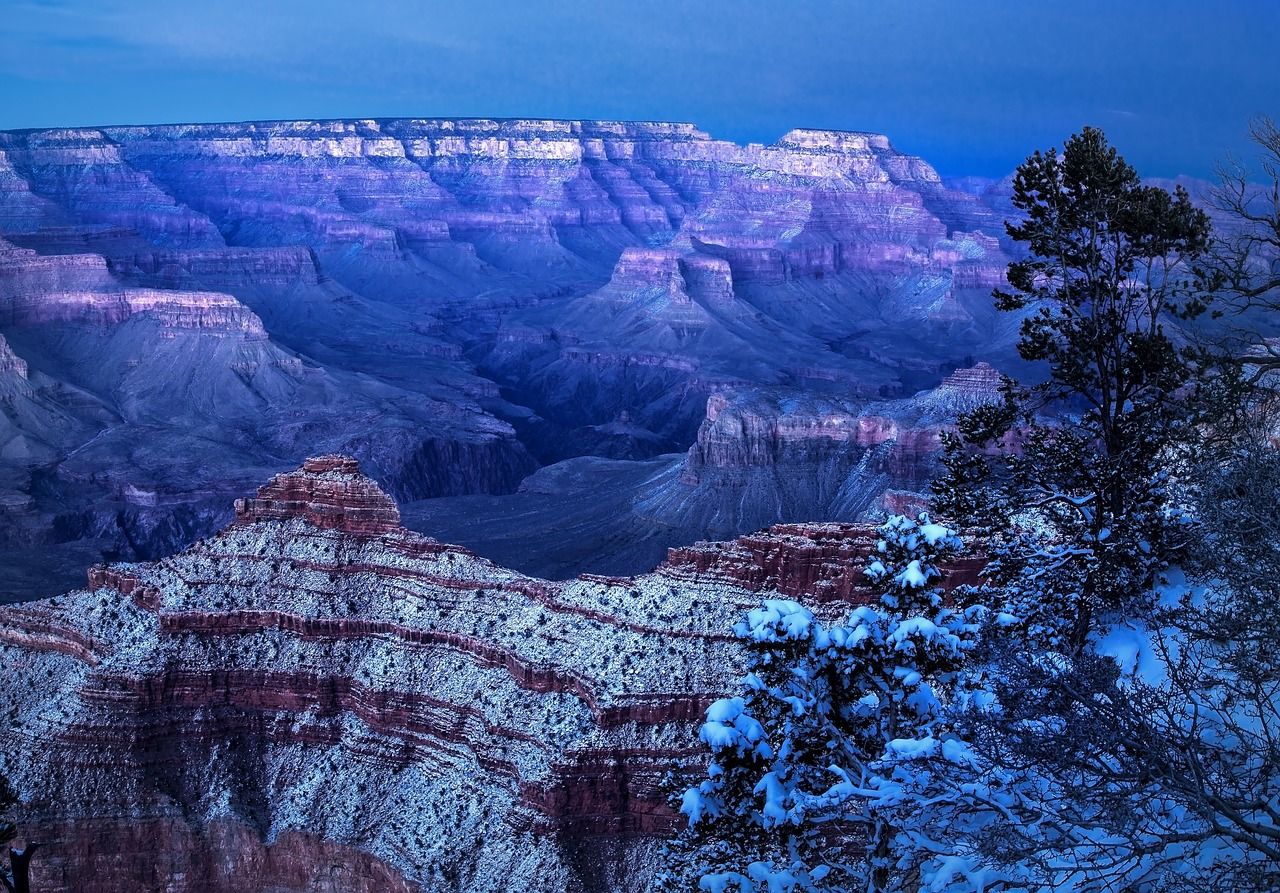
Snow-capped vistas
Winter Wonderland: The Grand Canyon in Snow
Winter at the Grand Canyon is quiet and beautiful, with snow on the peaks. The North Rim closes, but there’s still camping and skiing. Prices for lodging and activities are lower from November to February.
Coming early in winter helps avoid parking and shuttle problems for a calm visit.
Not Preparing for Drastic Weather Conditions
The Grand Canyon’s weather changes a lot, offering big challenges all year. Being prepared is important for a safe and fun visit. You need the right gear and knowledge for the heat in summer and the cold in winter.
Extreme Heat and Sun Protection
In summer, the Grand Canyon gets very hot, with temperatures up to 106°F in the Inner Canyon. To stay safe, wear light-colored clothes and sunscreen often. A hat and sunglasses help protect you from the sun too. Always check if you’re getting too hot and watch for signs of heat sickness.
Cold Weather Gear for Winter Visits
Winter at the Grand Canyon is very cold, with temperatures down to 36°F in the Inner Canyon. If you plan to hike in winter, wear layers to stay warm. You’ll need thermal clothes, jackets, gloves, and special shoes for icy paths. This gear will keep you safe and warm.
The Importance of Hydration and Water Stations
Staying hydrated is key when you’re at the Grand Canyon, no matter the season. Water is hard to find, especially on trails like the South Kaibab. The National Park Service suggests drinking small amounts of water often and eating salty snacks to keep your electrolytes up. Always use water from official stations to stay safe.
Being prepared with the right knowledge and gear makes your visit safe and fun. Always check the weather and follow tips on staying hydrated and dressed right.
Underestimating the Hiking Difficulty
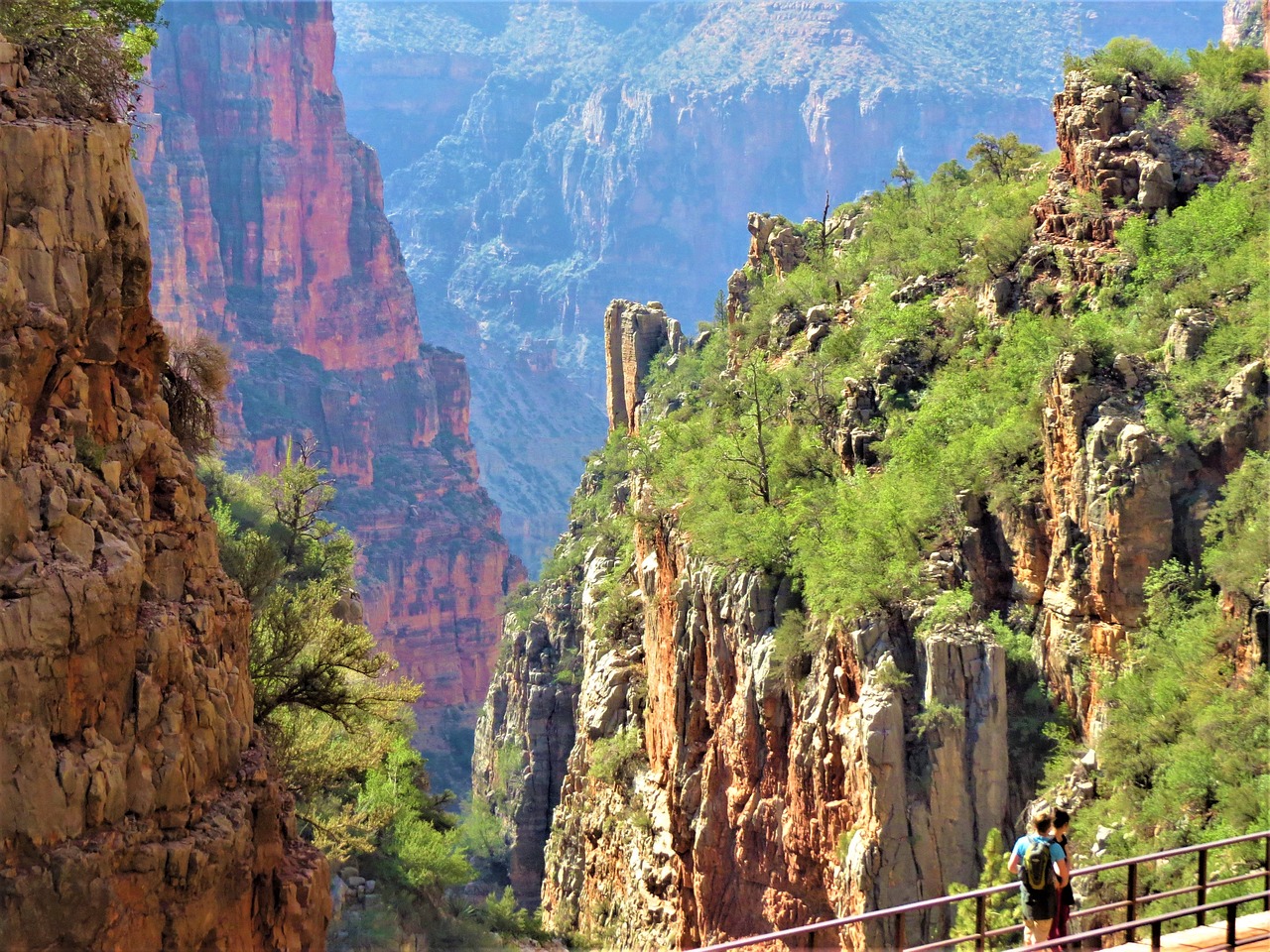
Grand Canyon hiking is amazing, but don’t think it’s easy. Trails like the Bright Angel and South Kaibab are tempting. But, they are hard. You need to be ready for a safe and fun trip.
The Allure of the Bright Angel and South Kaibab Trails
The Bright Angel Trail is a favorite at the Grand Canyon. It has spots like the 1.5 Mile Resthouse and Indian Garden. But, don’t think it’s easy just because there’s water along the way.
The South Kaibab Trail has its own spots like Ooh Aah Point. Each place offers beautiful views and challenges. You must respect the trail’s difficulty.
Start your hike early, before 8:00 am in summer, because it gets hotter as you go down. Only 5% of visitors go all the way down. So, be realistic about what you can do.
Realistic Expectations for Day Hikes
When planning a day hike in the Grand Canyon, set achievable goals. Going all the way to the canyon floor is a big task. It’s 17.8 miles round trip with a lot of up and down.
Going down takes about 3½-4 hours. Coming back up takes around 5 hours. The Park Service warns against trying to do the whole hike in one day. It’s too hard.
Key Essentials for Safe Hiking
To stay safe in the Grand Canyon, you need the right gear and to be prepared. Make sure you have trekking poles, strong boots, and a day pack with lots of water. Bring a liter of water for every hour you hike to avoid dehydration.
Know how hard hiking in the Grand Canyon is. Keep an eye on your water and protect yourself from the sun. This will help you stay safe on the trails.
Grand Canyon Tips for First-Time Visitors
Going to the Grand Canyon for the first time is exciting and a bit overwhelming. You might be amazed by the huge landscape or busy with planning. To make your visit smooth, follow a few key steps.
Taking Advantage of Shuttle Services
Getting around the Grand Canyon’s 278 miles is easy with shuttle services Grand Canyon offers. These free shuttles include the Village Route and others, making it simple to get to different parts of the park. The Hiker’s Express Shuttle is great for hiking the South Kaibab Trailhead, getting you there fast and easy.
Exploring Multiple Viewpoints
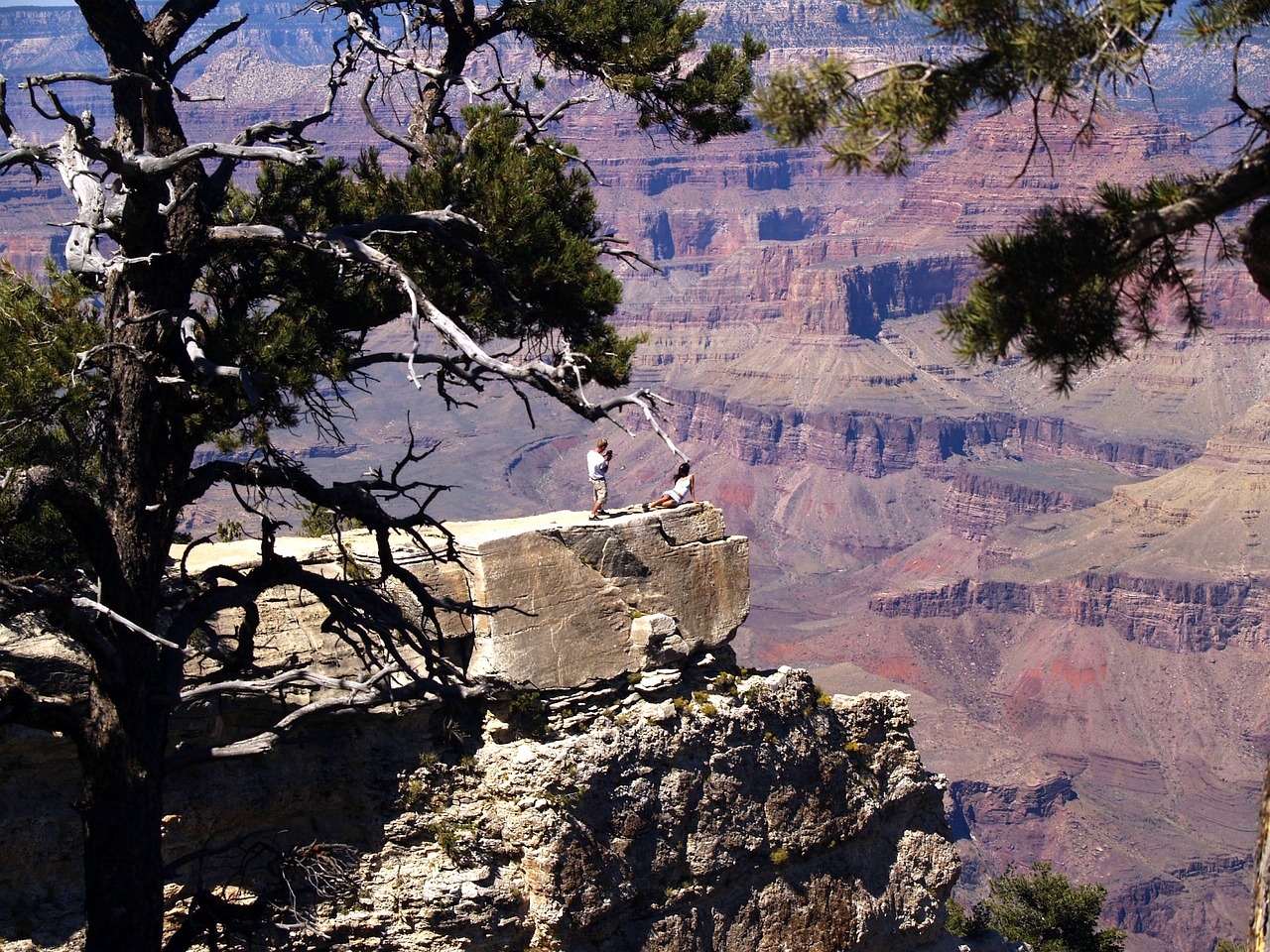
Don’t miss the breathtaking viewpoints around the park. Spend time at spots like Yavapai Point and Mather Point on the South Rim. The North Rim is cooler and quieter, open from mid-May to mid-October. It’s 1,000 feet higher and less crowded.
The West Rim is a hit with over a million visitors a year. It’s perfect for those who love the outdoors.
The Value of Visitor Centers and Historic Lodges
Visit Grand Canyon visitor centers like the South Rim’s for info and help with planning. They have educational displays and can teach you about the canyon’s history and wildlife. Staying at historic lodges Grand Canyon, like El Tovar, connects you to the park’s history. These places offer comfort and great views, keeping the Grand Canyon’s early tourism spirit alive.
Keep these Grand Canyon first-time tips in mind to make your visit better. They’ll help you make memories that will last a lifetime at this famous American spot.
Skipping the North Rim
Many travelers skip the Grand Canyon North Rim. But, it’s a peaceful spot in the park. It’s about 1,300 feet higher than the South Rim. This makes it cooler, perfect for hot summer days.
The North Rim opens from mid-May to mid-October. You must plan to visit during this time. It’s a quiet place away from big crowds. Yet, it has some of the park’s most stunning views.
Point Imperial: The highest viewpoint at 8,803 feet, offering sweeping vistas of the Grand Canyon.
Cape Royal: Known for its expansive and commanding views at 7,865 feet.
Toroweap: Another stunning viewpoint with a unique perspective.
The North Rim has trails for everyone, from easy walks to tough hikes. The North Rim Visitor Center has guides, hikes, and exhibits. It makes your visit informative and fun.
For adventure lovers, mule rides are a great choice. They let you see the Grand Canyon in a special way. Since there are few places to stay, book your spot early at a North Rim lodge.
Don’t miss the North Rim for a unique, quiet Grand Canyon experience. It has cooler weather, fewer people, and amazing views. Add it to your Grand Canyon trip for a memorable journey.
Aspect
South Rim
North Rim
Elevation
6,800 feet
8,297 feet
Temperature (Summer)
Higher
5-10 degrees lower
Open Season
Year-round
May to October
Visitor Density
Heavy Crowds
Less Crowded
Neglecting to Reserve Accommodation in Advance
Planning a trip to the Grand Canyon means getting your Grand Canyon accommodation early. With over four million visitors each year, spots near the South Rim go fast. Having a place to stay makes your trip better.
Booking Early to Avoid Disappointment
Booking early is key if you want to stay close to the action. The South Rim gets very busy, especially in summer. Early reservations mean you won’t miss out and get to enjoy the best trails and views.
But, don’t count on cancellations to get a spot. With so many visitors, it’s not a reliable plan.
Popular Lodging Options Near the South Rim
Hotels near the South Rim are a great choice. They let you enjoy the park’s beauty and offer comfort. Places like El Tovar, Bright Angel Lodge, and Yavapai Lodge are favorites. They mix history with modern comforts for a perfect stay.
Alternative Stays in Flagstaff or Williams
If you can’t get a spot near the canyon, think about Flagstaff or Williams. Flagstaff is an hour and a half away and has more hotels. Williams offers a fun Route 66 vibe. But, remember, these places mean more travel time, so plan your day well.
Accommodation Option
Proximity to Grand Canyon
Features
El Tovar Hotel
Located on the South Rim
Historic charm, luxury rooms
Bright Angel Lodge
Located on the South Rim
Rustic cabins, scenic views
Yavapai Lodge
Located on the South Rim
Modern amenities, family-friendly
Flagstaff Hotels
~90 minutes from South Rim
Wide range of options, easy access to town amenities
Williams Lodging
~60 minutes from South Rim
Route 66 experience, quaint town
Conclusion
Planning a trip to Grand Canyon National Park is exciting but also hard. It’s the sixth most visited U.S. national park. So, timing, preparation, and where you stay are very important. This guide helps make sure your visit is fun and safe.
Choosing the best time to go is key. Summer can be very hot, over 100F at the bottom. So, think about going in early spring or fall for better weather. Always be ready for extreme weather, whether it’s heat or cold.
Booking your stay early is also crucial. You need to book 6-13 months ahead because it’s very popular. The North Rim is open from May 15 to October 15. It’s less crowded than the South Rim, making your visit better.
Start your day early and explore the many trails. Booking mule trips and rafting early makes your trip smooth. Follow these tips to avoid problems and have a great Grand Canyon trip.
FAQ
What are the best months to visit the Grand Canyon?
Don’t go in the summer to avoid the heat and crowds. Spring and fall are better with nice weather for hiking. Winter is quiet with snow and fewer people.
How should I prepare for the Grand Canyon’s weather conditions?
The weather changes a lot at the Grand Canyon. Bring sunscreen and water for the heat. In winter, take cold-weather gear like Yaktrax. Wear layers for changing temperatures.
How can I avoid the busiest times at the Grand Canyon?
Come early in the morning to beat the crowds. This helps with parking and getting on the shuttle. You’ll have a quieter time exploring.
Which hiking trails at the Grand Canyon are suitable for first-time visitors?
The Bright Angel and South Kaibab Trails are beautiful but tough. Make sure you know what you’re getting into. Bring hiking poles, good boots, and lots of water.
What services and facilities should I use on my first visit to the Grand Canyon?
Use the shuttle to get around easily and see beautiful spots. Check out viewpoints and visitor centers for info and help with planning. Staying at places like El Tovar and Bright Angel Lodge adds to the experience.
Why consider visiting the North Rim of the Grand Canyon?
The North Rim is peaceful and less crowded, great in summer. It’s open from mid-May to mid-October, so plan early. You’ll get amazing views and cooler weather.
How far in advance should I book accommodation near the Grand Canyon?
Book early, especially near the South Rim where spots fill up fast. This way, you’ll be close to trails and viewpoints. For last-minute plans, look for cancellations or try Flagstaff or Williams.