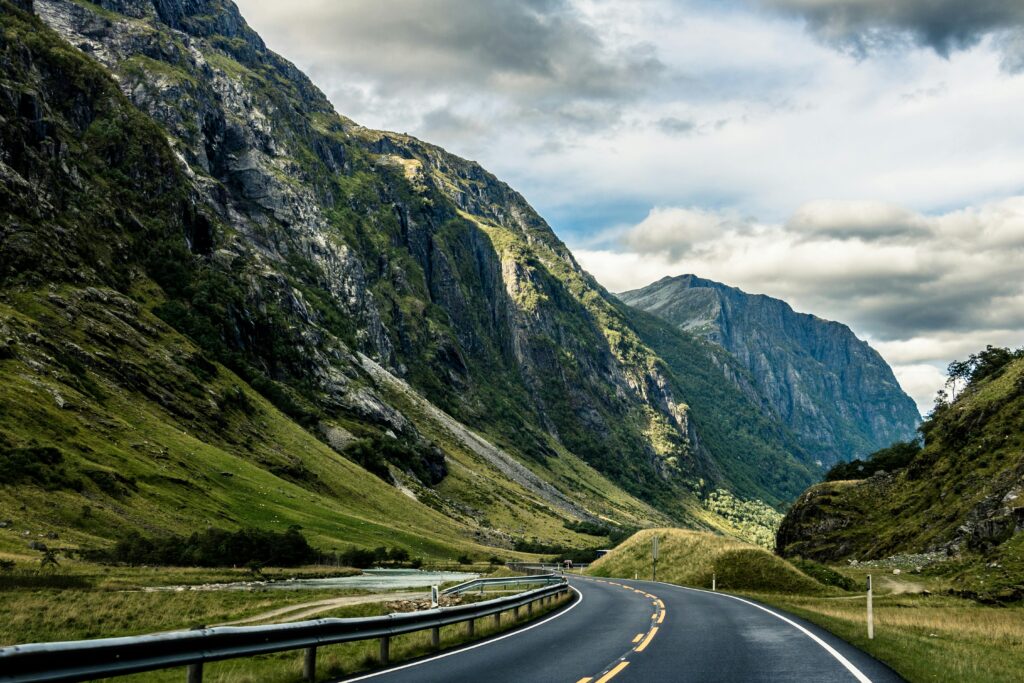
Norway is a beautiful country with different landscapes, from the south to the north. It is known as “The Land of the Midnight Sun.” This place has amazing cities like Oslo and Bergen. It also has incredible natural sites like the Norwegian fjords. Want to see culture, the Northern Lights, or go hiking? This Norway guide will show you the best spots to visit.
Key Takeaways
Norway offers diverse experiences from modern museums to dramatic natural landscapes.
The country stretches over 385 km and includes regions above the Arctic Circle.
Cultural hubs like Oslo and Bergen are vibrant cities worth exploring.
Norwegian fjords and other scenic locations provide excellent opportunities for hiking in Norway.
Witness the Northern Lights in Norway, especially in the far north.
The Vibrant Capital City: Oslo
Oslo, the Norwegian capital, shines with city life and nature’s beauty mix. It’s praised for its modern and old charms by Oslo city guides. This bustling city shares its stories of today and yesterday with you.
Modern Attractions
Key places to see in Oslo are its floating saunas and pretty walks by the water. Let’s not forget the wow-worthy Oslo Opera House. This city is bubbling with creative energy. Places like the Astrup Fearnley Museum and the outdoor spots in Hadeland’s Kistefos Museum are must-sees. They show off the best in today’s Norwegian art.
Natural Surroundings
Oslo is close to amazing places like the Oslofjord and wide forest areas, a dream for nature lovers. Enjoy a calm ferry trip or a lively walk through the hills. And don’t miss out on winter fun, skiing is just a short drive away.
Cultural Hotspots
Rich Norwegian culture finds a home in Oslo, balancing old traditions with new ideas. The Viking Ship Museum and Akershus Fortress are part of this cultural journey. And the adventure doesn’t stop in Oslo. Nearby Fredrikstad and Tønsberg are filled with history and life today. They add to the big picture of Norway’s story.
The Magic of Tromsø
Tromsø is called the gateway to Arctic Norway. It has lots to offer for those who love nature and culture. You can see the Northern Lights and learn about the Sami people.
Northern Lights and Midnight Sun
Tromsø is great for seeing the Northern Lights. Its clear skies make viewing them amazing. In summer, you’ll experience the midnight sun instead, turning night into day.
Local Sami Culture
Visiting Sami cultural experiences lets you learn about Norway’s indigenous people. Places like Karasjok and Alta allow you to try traditional Sami things, like arriving singing. This makes any trip to Tromsø more special.
Epic Nature Adventures
Tromsø is perfect for Arctic adventures. You can do things like go on a whale watching tour. The area is also great for hiking, with beautiful places like Senja Island. Plus, Varanger Peninsula is a dream for bird lovers.
The Majestic Lofoten Islands
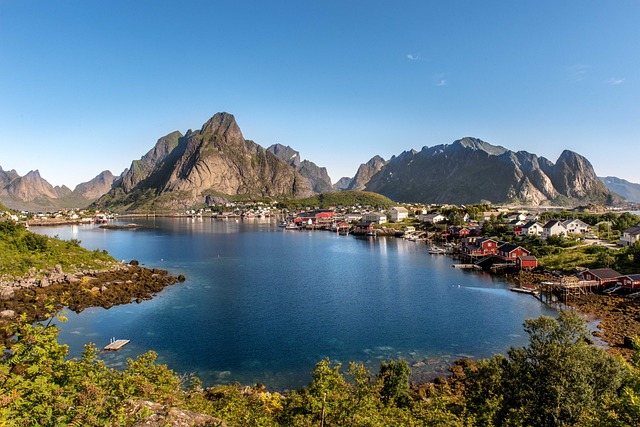
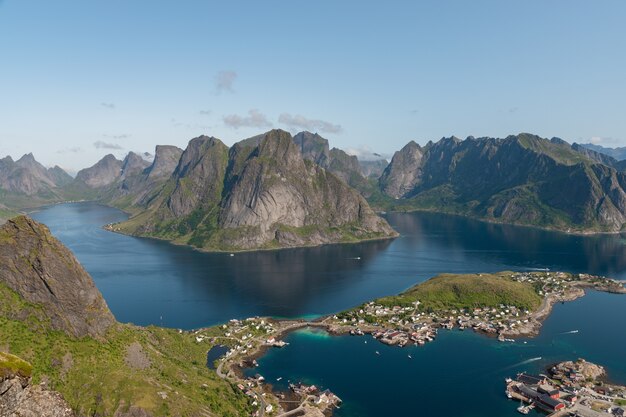
The Lofoten Islands are a real sight to see. They have big peaks, calm fjords, and cute fishing villages. Many people love to post about these islands, especially when it’s not too busy there.
Outdoor Activities
The Lofoten Islands are a dream for people who love adventure. You can ski, bike, or hike in this wild area. Narvik is great for skiing. And biking on the Coastal Route shows off amazing views.
Outdoor fun in Norway is truly exciting. Lofoten offers a lot, from hiking to sailing. You can visit fishing villages to see how locals live and eat fresh seafood for a cultural experience.
Scenic Beauty
The islands are known for their natural beauty. Big mountains meet deep blue fjords for stunning views. The beaches are perfect, with white sand and clear water.
The beauty goes beyond the coast. There are green fields with fishing villages. Don’t miss the chance to see the islands from high lookouts. This is a must for anyone visiting.
Activity
Location
Highlight
Skiing
Narvik
Snow-capped peaks
Biking
Coastal Route
Scenic drives
Hiking
Lofoten trails
Rugged terrain
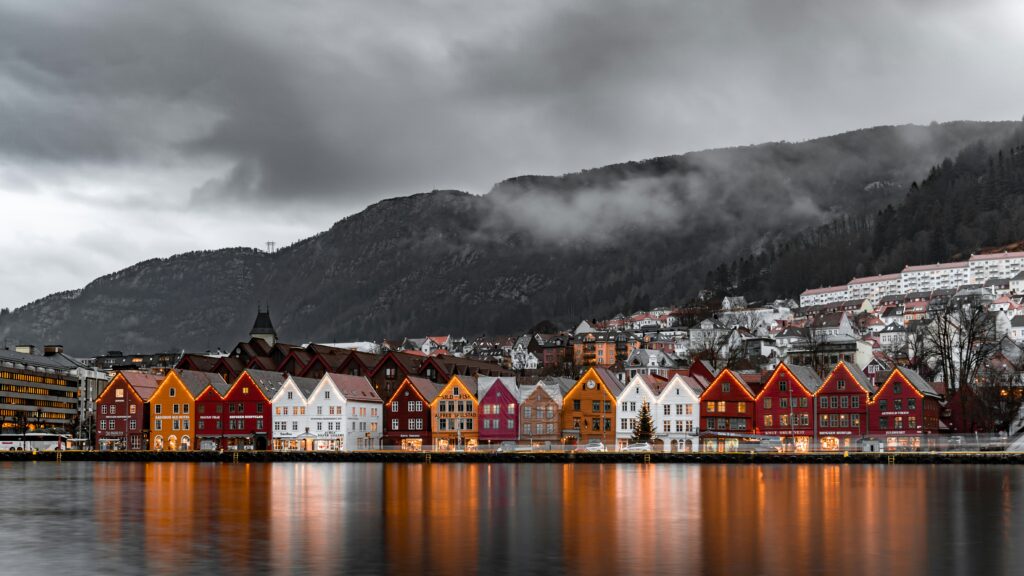
Bergen: The Gateway to the Fjords
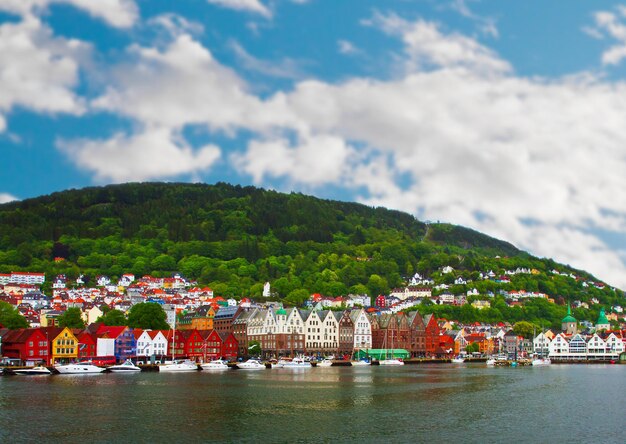
Bergen is Norway’s second-largest city, mixing old charm with new life. It’s famous for museums like KODE and the beauty of its cobblestone streets. The mountains around it offer amazing views, making it memorable for visitors.
This city is known as the starting point for exploring Norway’s grand fjords. Sognefjord and Hardangerfjord are the most popular. Fjord tours from here are unforgettable, with the Bergen to Flåm train ride called one of the best in the world.
But hold on, Bergen has more to offer. Adventure lovers will enjoy Voss and Nordfjord, where outdoor fun is endless. Its cultural value is high, noted by being a UNESCO World Heritage site. In short, Bergen’s mix of culture and nature makes it a top spot in Norway.
FAQ
What are some must-visit places in Norway for a first-time traveler?
If you’re visiting Norway for the first time, don’t miss the awe-inspiring fjords. Also, check out the lively cities of Oslo and Bergen. And be sure to catch the Northern Lights in the city of Tromsø. For adventure, hiking in places like the Lofoten Islands is perfect.
What modern attractions can I find in Oslo?
In Oslo, you’ll find many cool places. These include the Akershus Fortress and the MUNCH museum. You may also want to see floating saunas. Don’t forget the Oslofjord and great ski spots close by.
What natural surroundings are available for exploration in Oslo?
Oslo has great nature spots like the Oslofjord and lush forests. These areas are perfect for things like hiking, biking, and skiing. Here, you get the best of both worlds – city life and outdoor fun.
Where are the cultural hotspots in Oslo?
In Oslo, you can find cultural gems just about everywhere. This includes the National Gallery and the Kistefos Museum. You can also visit the historic towns of Fredrikstad and Tønsberg. For modern art fans, there are galleries to explore.
When is the best time to see the Northern Lights in Tromsø?
To see the Northern Lights in Tromsø, visit from late September to early April. The long nights create the right atmosphere for this breathtaking show.
What cultural experiences are available in Tromsø related to the Sami people?
In Tromsø, you can dive into Sami culture. Visit towns like Karasjok and Alta. Here, you can learn about Sami crafts, go reindeer sledding, and see cultural shows.
What nature-based adventures can I experience in Tromsø?
In Tromsø, there are lots of nature adventures. From whale watching to exploring Lyngenfjord, there’s always something to do. Don’t miss the chance to see the midnight sun. Nearby islands offer more, like hiking and skiing.
What outdoor activities can one do in the Lofoten Islands?
The Lofoten Islands are great for outdoor fans. You can ski, hike, bike, and fish here. It’s known for its lovely beaches and stunning views. A paradise for anyone who loves outdoor activities.
What makes the Lofoten Islands’ scenery unique?
The Lofoten Islands stand out with their high peaks and calm fjords. The quaint fishing villages and beautiful beaches are special. It’s a must-see for anyone who loves nature and photography.
Why is Bergen known as the gateway to the fjords?
Bergen is the start of Norway’s famous fjords, such as Sognefjord and Hardangerfjord. It’s the perfect base for fjord tours. Plus, nearby places like Voss and Nordfjord offer many outdoor activities.
When you think of places to visit in North America, some spots might jump out at you. But, not every popular place is as great as people say. Reddit users and experts share why some spots might not meet your expectations.
Detroit feels like a city from a war movie because of its abandoned buildings. Atlantic City is not as clean as you’d hope. And Times Square in New York is too crowded.
Be ready for some places that won’t live up to your dreams. We’ll look at these spots and suggest better places for a great trip.
Key Takeaways
Detroit’s mixed culture can’t mask the impression of a war-torn city due to abandoned infrastructure.
Once vibrant, Atlantic City’s decline has rendered it less appealing.
Despite its sunshine, Miami’s rude locals and heavy traffic disappoint many tourists.
Orlando’s attractions are marred by overcrowding, high costs, and fake nature vibes.
High crime rates and decaying infrastructure tarnish Philadelphia’s potential.
South of the Border in Hamer, SC
South of the Border is a big place in Hamer, SC. It’s been a fun spot for travelers on I-95 for 65 years. It was once a cool place between Florida and New York, with fun rides and a special feel.
It has a tall sombrero tower that shows off a great view. The park has rides, a reptile lagoon, and shops with fun souvenirs. Time Magazine named it one of America’s Top 50 Roadside Attractions in 2010.
But now, many see it as a tourist trap rather than a top spot. It has faced criticism for racism and not being respectful to Latinos. The Travel Channel has talked about it, which has helped and hurt the place.
If you want to see real Mexican culture, this might not be the best place. For real culture, try Mérida, Mexico. It’s full of history, tasty food, and beautiful nature.
The Original Starbucks in Seattle, WA
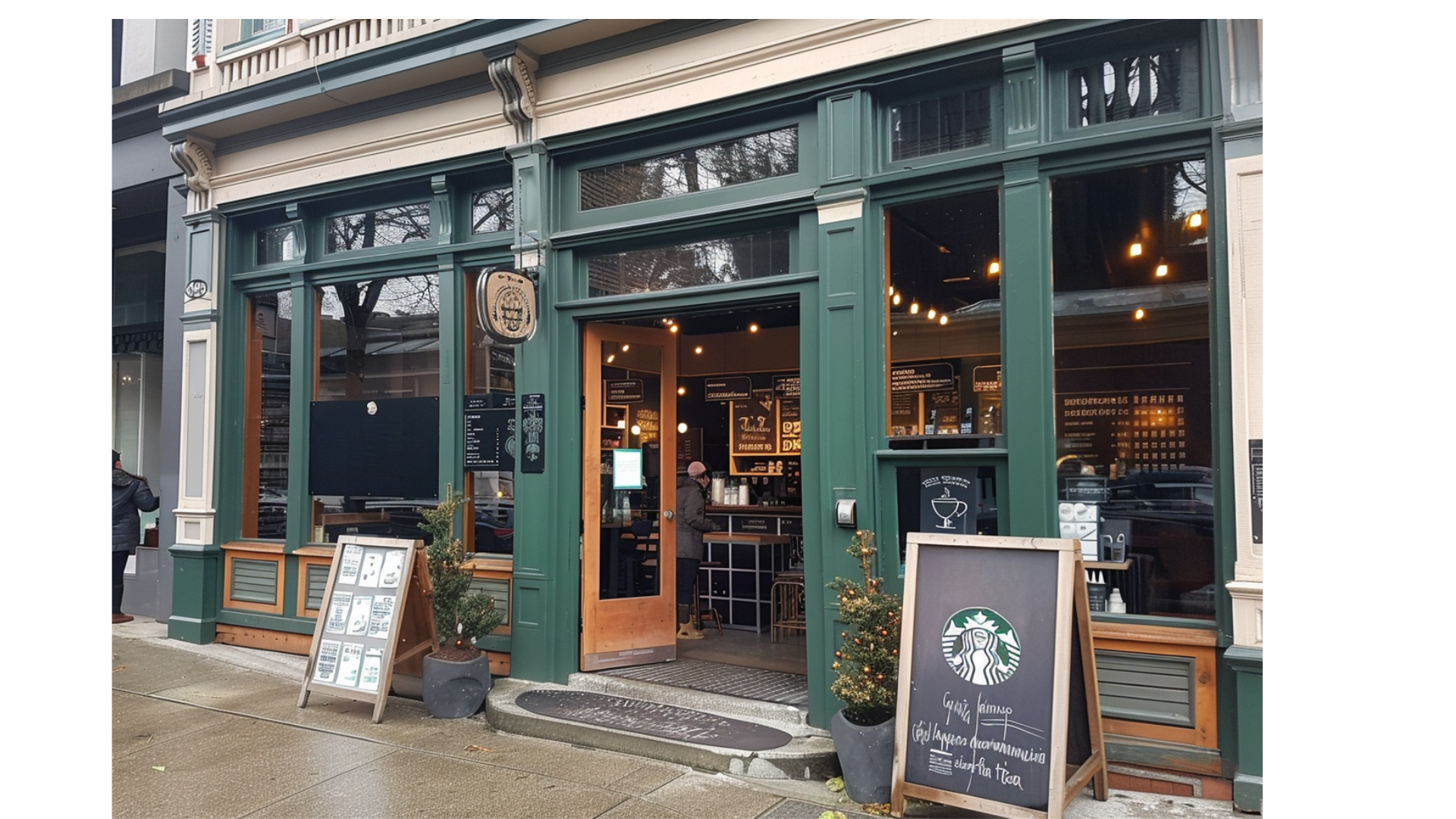
The original Starbucks near Pike Place Market in Seattle is a big draw for coffee lovers. It opened in 1971 at 1912 Pike Place. Now, it’s a famous coffee spot and a top spot in Seattle. But, some visitors feel let down by their visit.
Long Wait Times
Waiting in line is a big problem at the Original Starbucks. It’s very popular, so lots of people come every day. Sometimes, you might wait a long time, even around the block, during busy times.
This can make your visit less fun. You might miss out on seeing other cool things in Seattle.
Limited Unique Offerings
Some visitors are also unhappy because there’s not much that’s special here. The store does have some unique items and a special roast. But, the drinks are mostly the same as at other Starbucks.
If you want something different, try the Starbucks Reserve Roastery at 1124 Pike Street. It has special coffees, drinks, and even some with alcohol. It’s pricier but offers a unique coffee experience with cool decor.
Both the original Starbucks and the Reserve Roastery are must-sees for coffee fans in Seattle.
Plymouth Rock in Plymouth, MA
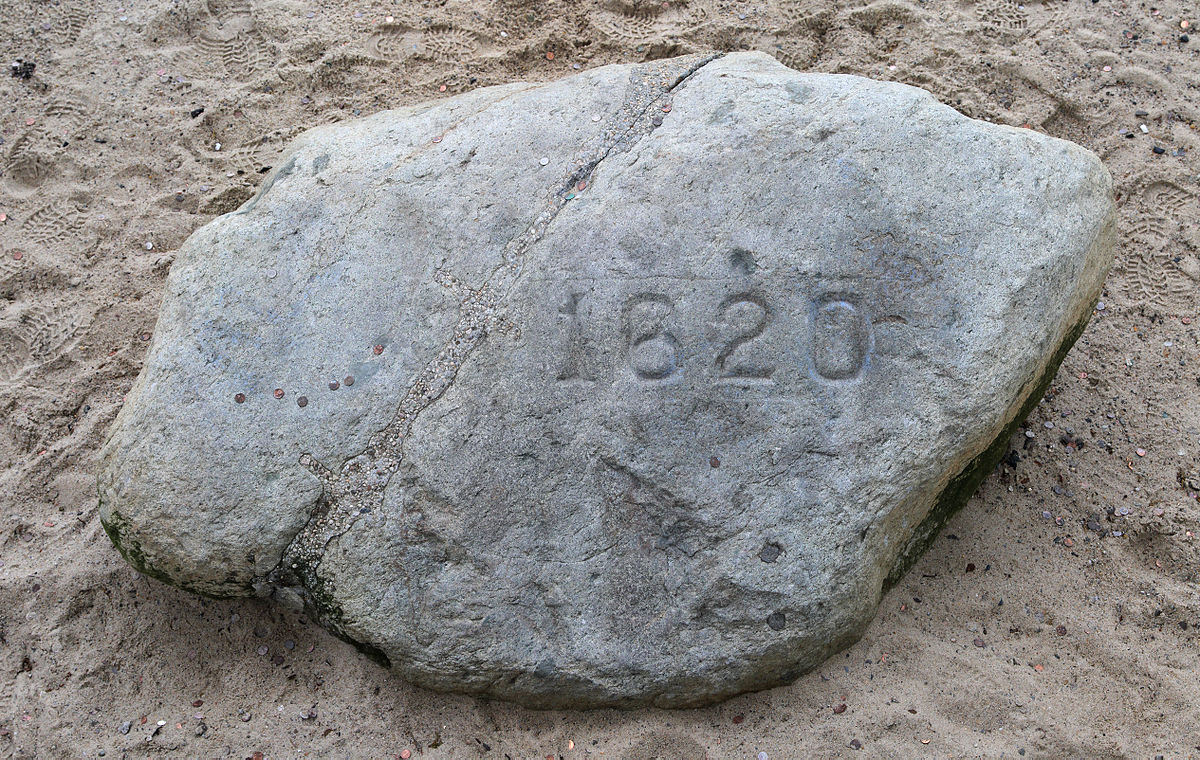
Plymouth Rock in Plymouth, MA, is known as where the Mayflower landed. But, many visitors feel let down. They expected a big rock, but found a small one that seems too small for such a big event in American history.
The original Plymouth Rock was big, 15 feet long and 3 feet wide. But in 1774, it broke in two. Then, in 1880, they tried to fix it, but it got even smaller and more broken. Now, Plymouth Rock stands for courage and the Pilgrims’ journey, even though we’re not sure it’s really the right rock.
Other places in America are much more exciting. For example, the Little Mermaid in Denmark gets a million visitors every year, even after being damaged. And Times Square in New York City welcomes about 50 million tourists yearly.
Landmark
Visitor Numbers Annually
Comments
Plymouth Rock, MA
Not specified
Described as small and disappointing
Little Mermaid Statue, Copenhagen
1 million
Despite damages, remains highly popular
Times Square, NYC
50 million
One of North America’s most visited attractions
Many people feel Plymouth Rock is a letdown. But, it’s still a key symbol in American history. Knowing what to expect can make your visit better.
Mount Rushmore in South Dakota
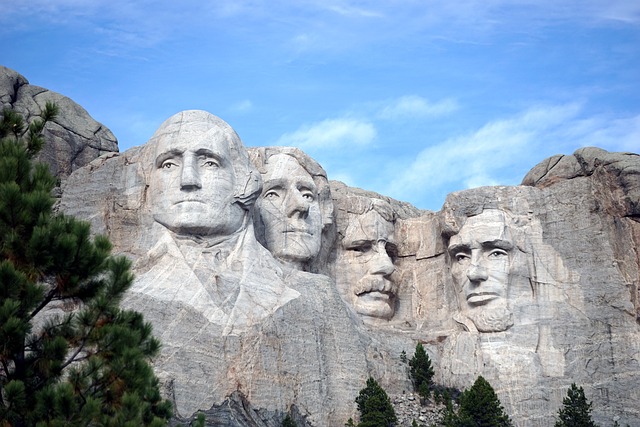
Mount Rushmore is a famous South Dakota monument. It gets about three million visitors every year. The site shows the big granite sculptures of four famous U.S. presidents: George Washington, Abraham Lincoln, Thomas Jefferson, and Theodore Roosevelt.
But, many people have mixed feelings about it. Seeing pictures and videos online can make it feel less special when you get there. Also, the commercial side of it might take away from its true meaning. It’s good to think about if seeing the Granite Mountain sculpture in person is worth it.
Visitor Insights:
The Rapid City Regional Airport is 35 miles away. It has flights from big cities like Chicago, Denver, Dallas, Minneapolis, and Phoenix.
Parking at Mount Rushmore costs $10 per vehicle. The site is open all year. From May to September, it’s open longer.
There are other places to visit too. Wall Drug and Badlands National Park are close by. They offer free ice water, cheap things, and lots of outdoor fun.
Here’s a quick look at what you can find:
Attraction
Highlights
Annual Visitors
Entry Cost
Wall Drug
Free ice water, affordable amenities
2 million
Free
Badlands National Park
Outdoor activities, camping, stargazing
1 million
$30/person
Corn Palace
Mural tours, events
500,000
Free
Jewel Cave National Monument
Vibrant cave formations
–
$12/adult, $8/youth
Disappointing Destinations: Times Square, NY
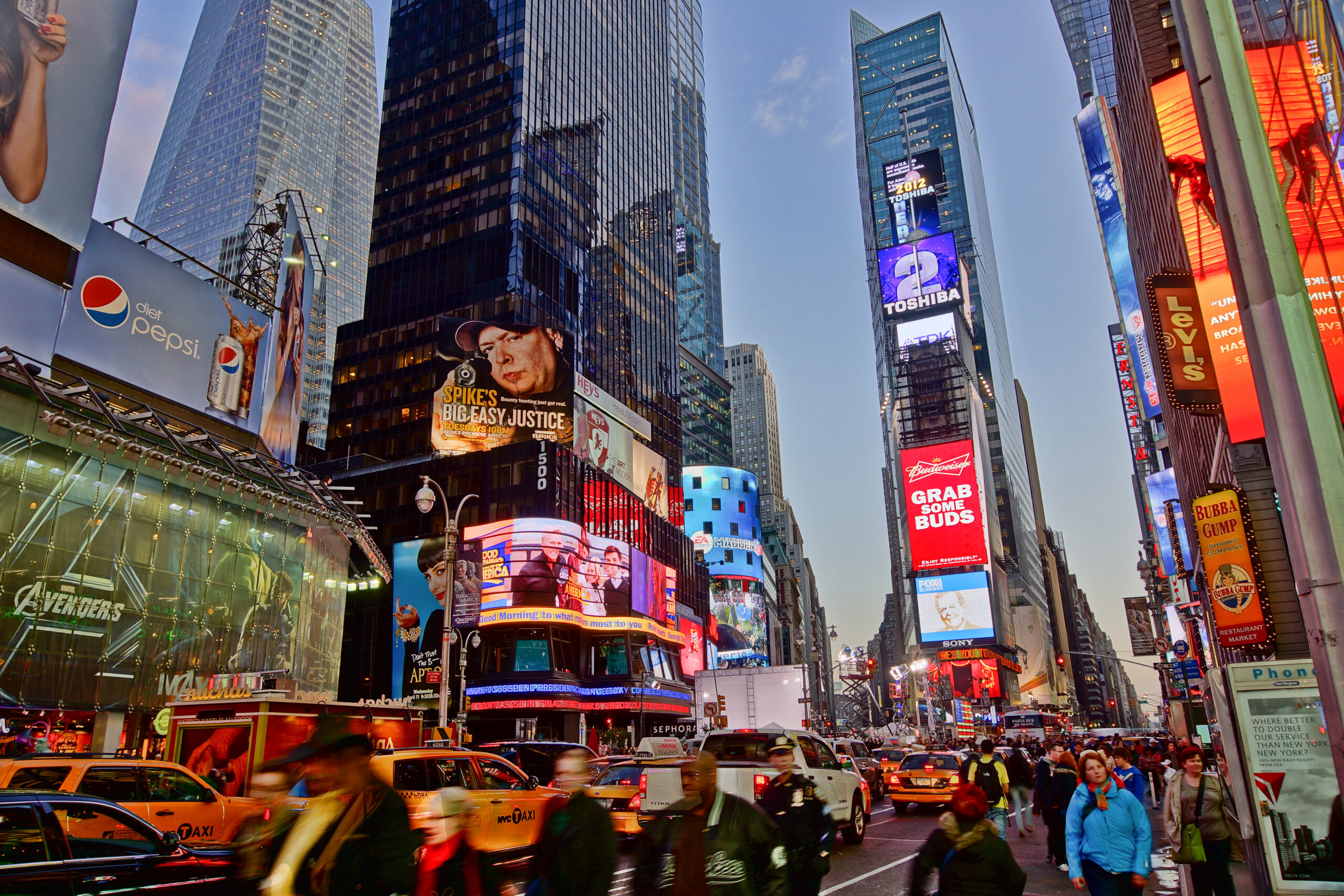
Times Square in New York City is known for its bright lights and famous theaters. But, it often fails to impress visitors. With nearly 50 million tourists each year, it’s a top spot. Yet, the huge number of visitors makes it feel like a Times Square letdown.
In 2019, Times Square saw a record 66.6 million visitors. But, it was called the ‘most overrated tourist trap’ by Preply, a language learning site. They looked at reviews of 81 famous places. Words like “underwhelming” and “overrated” were common. Visitors complained about the crowds, cleanliness, and excitement level.
The area stretches from 40th to 53rd Street and is closed to cars. But, it’s packed with people. It’s hard to take good photos because of all the strangers. There’s little place to sit and the ads are too much.
Times Square isn’t the only place getting bad reviews. Places like Berlin’s Checkpoint Charlie, the Eiffel Tower in Paris, and the Hollywood Walk of Fame in Los Angeles are also seen as New York City tourist traps. Going to places not many know about or learning the local language might make your trip better.
Attraction
Common Complaints
Times Square, NY
Crowds, cleanliness, excessive commercialism
Checkpoint Charlie, Berlin
Underwhelming, overly touristy
Eiffel Tower, Paris
Overcrowded, long wait times
Hollywood Walk of Fame, LA
Dirty, crowded, underwhelming
Las Ramblas, Barcelona
Overrun with tourists, loss of local charm
Even though it’s famous and seen in movies and TV, Times Square can be a letdown. Before you go, think about seeing more of New York’s real side. There’s more to see than just Times Square.
Conclusion
Travelers should always do their homework before visiting places. They should know what to expect to avoid being let down. Places like Times Square and the Original Starbucks in Seattle might not be as amazing as you think.
These spots can be crowded and not live up to the hype. It’s key to understand what you’re really getting into. This way, you won’t be surprised when things don’t go as planned.
But, there are hidden spots that are worth visiting. These places are often overlooked because of issues like war or economic problems. They offer a real taste of culture and history at a lower cost.
For example, Vancouver and Québec City are great places that not many know about. They have a lot to offer and are more affordable. But, you might face challenges like language barriers or lower service quality.
The real magic of travel is finding these hidden gems. Don’t just follow what blogs and media say. Look for real reviews to get a better idea of what a place is like.
By setting realistic expectations and exploring off the beaten path, you can have a more fulfilling trip. This way, you’ll get to see the true beauty and culture of a place.
FAQ
Why do some North American tourist spots disappoint visitors?
Some places in North America don’t live up to the hype. This is because they are too commercial, lack originality, or are overhyped. When people visit, they find the real thing is not as exciting.
What are common critiques of South of the Border in Hamer, SC?
People say it’s too kitschy and old-fashioned. Adults might feel it’s not what they expected at this famous spot.
Why do people find the original Starbucks in Seattle underwhelming?
Visitors often wait a long time and find there’s not much special about it. It’s not as unique as they thought it would be.
What makes Plymouth Rock in Massachusetts a disappointing landmark?
Plymouth Rock is just a small rock. It doesn’t feel as important as the historic site people imagine it to be.
What reasons do visitors give for dissatisfaction with Mount Rushmore?
Visitors feel it’s not special because they’ve seen it so much online. The area around it is also too commercial, taking away from its beauty.
Why might Times Square in New York City not live up to the hype?
Times Square is too commercial and crowded. It doesn’t feel real or special to many visitors. They want something more authentic in New York.
How can travelers better manage their expectations regarding famous destinations?
To manage your expectations, do your homework and look for real experiences. Try visiting places not everyone knows about for a richer experience.
Are there any alternatives to these overhyped tourist spots?
Yes, there are. Instead of South of the Border, go to Mérida for a real Mexican feel. For a true New York experience, skip Times Square and check out Greenwich Village or Brooklyn Heights.
How can travelers identify potential tourist traps?
Look for reviews on Reddit and listen to travel experts. Be careful of places that are too commercial and very crowded.
Get ready to see the stunning beauty of Canada’s National Parks. With over 220 beautiful places, you’ll find everything from nature to history. Follow these key tips for a great trip and respect the land and its creatures.
Key Takeaways
Parks Canada oversees 47 national parks, 171 national historic sites, and more.
Wildlife safety tips include staying at least 100 meters away from bears and wolves.
Violators of park regulations could face fines of up to $25,000.
Always book accommodations and campsites in advance for an organized trip.
Respecting and preserving nature is crucial for a safe and enjoyable visit.
Planning Your Visit to Canada National Parks
Planning your Canada National Parks trip planning needs careful thought. You need to pick the best season and know about park access and places to stay. Each step is key to a great adventure.
Choosing the Best Time to Visit
The best seasons to visit are from June to September. This is when the weather is best for hiking, camping, and seeing wildlife. May and October are also good, but it might be harder to get to some places because of the weather.
Researching Park Accessibility and Facilities
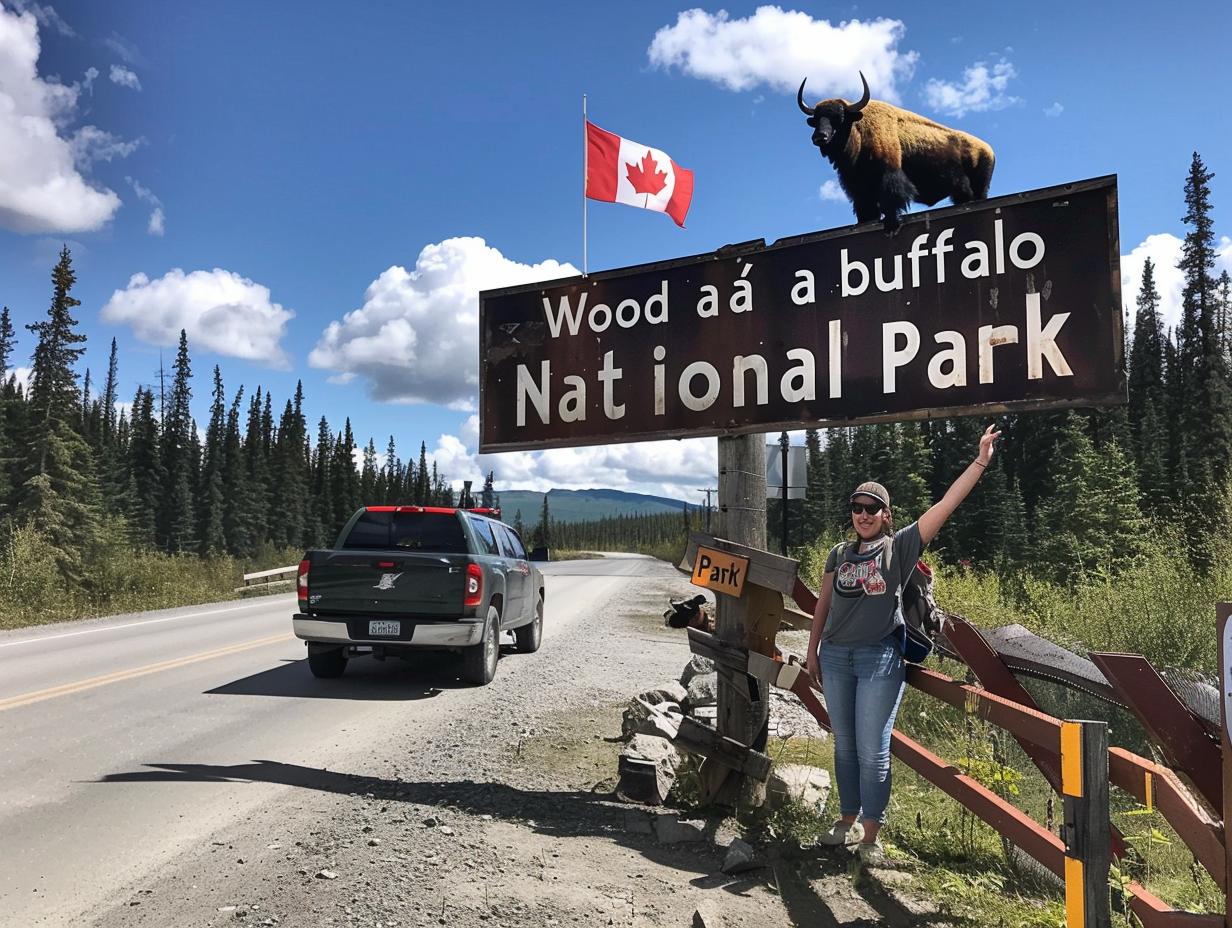
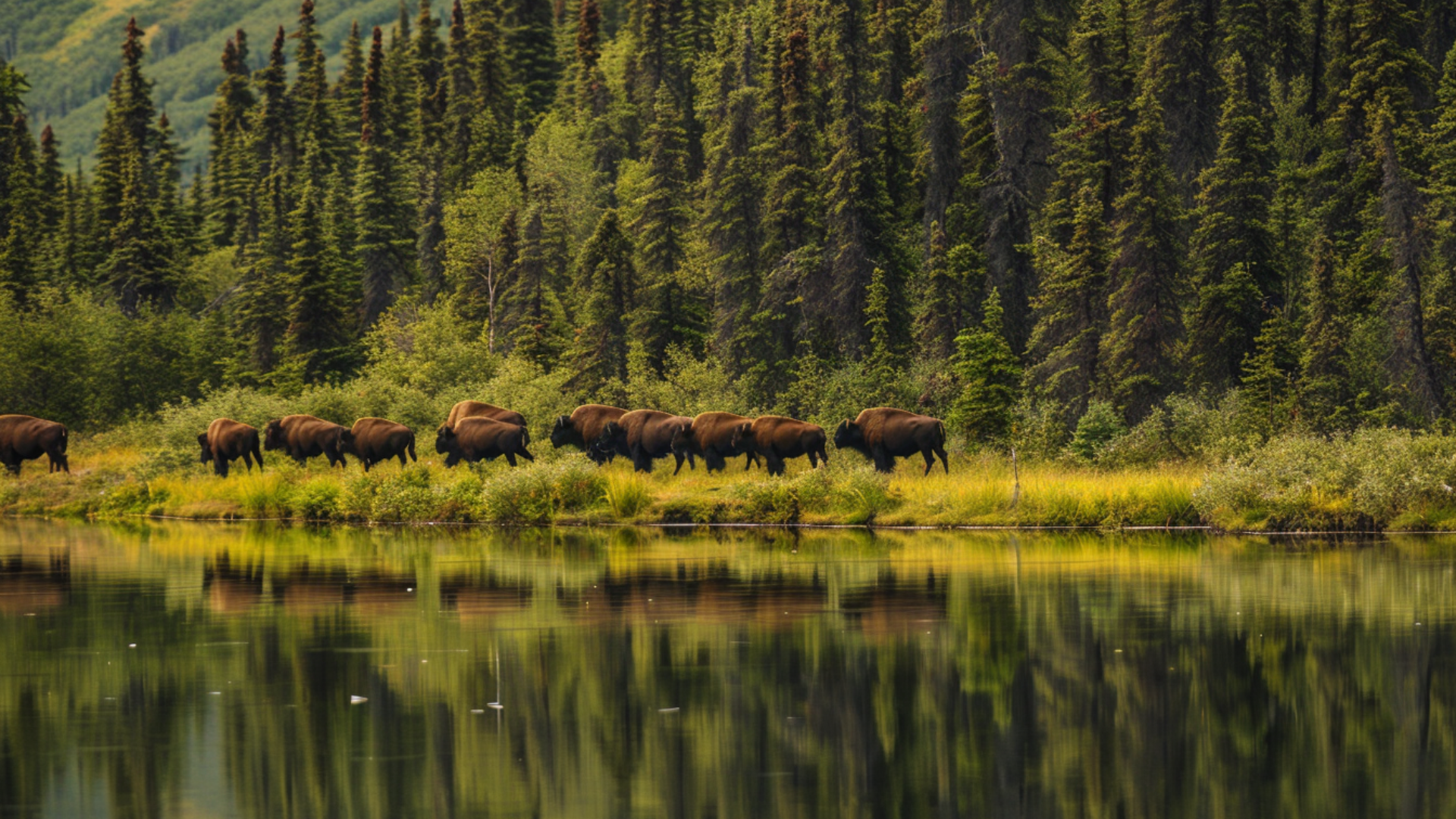
There are 48 national parks, with 31 you can get to by car. The rest need flying or boating. It’s smart to check out each park’s access and park facilities before you go. Parks Canada’s website has lots of info on maps, safety tips, and what’s available. Knowing that Wood Buffalo National Park is huge helps with planning.
Booking Accommodations and Campsites in Advance
It’s important to book accommodations and campsite reservations early, especially when lots of people are visiting. Parks are popular spots, and not booking ahead can make finding a place hard. Look at different places to stay, from cabins to backcountry spots, for a great park experience.
Summer months (June to September) for the best weather.
May and October are also favorable, given reduced crowding.
Access facility details through Parks Canada’s website to plan amenities and activities.
Book accommodations and campsites early to avoid disappointment, especially during peak seasons.
By planning well, your trip to Canada’s national parks will be easy and memorable. You’ll get to enjoy the stunning nature and varied landscapes these parks have to offer.
Pack the Right Gear for Your Adventure
Going on an adventure in Canada’s National Parks means you need to pack smart. Having the right gear makes your trip better. It keeps you comfy and safe in nature. Let’s talk about what you should pack for your trip.
Clothing and Footwear
Wearing the right outdoor clothes is important. You’ll need rain jackets, insulated jackets, hiking pants, and sweaters because the weather can change. Make sure your hiking boots are strong and break them in before you go.
A big hat and sunglasses protect you from the sun. This is very important in places like Banff, where the sun is strong. Bring a waterproof jacket to stay dry when it rains.
Camping and Hiking Essentials
Your camping list should have top-notch gear for where you’re going. You’ll need strong tents, sleeping bags, and cookware. Use a reusable water bottle from brands like Stanley or Hydroflask to save money and reduce waste. Healthy snacks like nuts and fruits keep you going on hikes.
Remember to bring binoculars for looking at wildlife and beautiful views up close.
Safety and Emergency Equipment
Safety gear is a must for any adventure. Bear spray is very important for meeting wildlife, especially in places like Yellowstone. Always have a first-aid kit and any needed medicines.
Flashlights and headlamps help you see in the dark. Insect repellent is a must in summer, especially in places like Banff.
Respect Wildlife and Preserve Nature
When you visit Canada’s national parks, you help decide how wildlife and nature will be treated. It’s key to know and follow safety rules to avoid scary or dangerous moments with animals. The Leave No Trace rules help keep nature safe by making sure humans don’t harm the land too much. It’s important to know and follow the Canada National Parks Act. Things like feeding animals or leaving the path are big no-nos and can lead to big fines and legal trouble.
Understanding Wildlife Safety Tips
Canada is home to over 220 places like national parks and historic sites, filled with thousands of species. It’s vital to know wildlife safety tips for a safe trip. Dogs off-leash can lead to attacks and big fines under the Canada National Parks Act. Bear spray is a good idea for keeping away bears and other big animals. But, many hikers don’t bring bear spray, even though it works well to stop bear attacks.
Following Leave No Trace Principles
The Leave No Trace rules are key for keeping nature safe. They mean taking out your trash, not touching things you find, respecting animals, and being kind to other visitors. Canada wants to protect 30 percent of its lands and waters by 2030. Following these rules helps keep nature wild and safe for all the animals that live there.
Prohibited Activities and Legal Consequences
It’s very important to know and follow national park rules for your safety and the animals’. Don’t feed animals or use drones because they can disturb them and people. Breaking these rules can lead to big fines, up to $25,000. For example, a man who teased a bison in Yellowstone got 130 days in jail. Taking selfies with wild bears can also get you in trouble. This shows how serious we must be about protecting nature in Canada.
Stay Safe on the Trails
Exploring Canada’s national parks is exciting but requires safety. In places like Banff National Park, set up in 1885, or Glacier National Park with almost 1000 bears, being careful is key. This makes your trip better and safer.
Traveling in Groups
Hiking with others is a smart move for safety. In Glacier National Park, groups of four or more hikers have never been attacked by bears. Being with friends or family helps watch out for dangers and can stop wildlife from getting surprised.
Being in a group also keeps bears away. It makes it less likely you’ll meet a bear or other wild animal by surprise.
Carrying and Using Bear Spray Effectively
Bear spray is a must-have in bear country. It can help control a dangerous situation. Parks often offer demos on how to use it, which you should check out.
Make sure bear spray is easy to get to and everyone knows how to use it. It’s a great way to keep bear meetings safe.
Avoiding Early Morning and Late Evening Hikes
Try to hike during daylight to stay safe. Early morning and late evening are when bears and other animals are most active. Hiking in the day makes it easier to see and avoid wildlife.
This tip is easy but helps a lot. It makes your hike in Canada’s beautiful parks safer.
Maximize Your Wildlife Viewing Experience
Going on a wildlife adventure in Canada’s national parks is thrilling. To see wildlife best, be ready with the right gear and follow the rules for meeting animals.
Using Binoculars and Telephoto Lenses
Binoculars and telephoto lenses let you see wildlife safely from afar. A good pair of binoculars helps you watch a big moose. These moose can be as tall as 2 meters and have antlers up to 1.5 meters wide.
Telephoto lenses are great for taking close-up photos of grey seals. These seals can grow up to 3 meters long. They won’t mind you watching from a distance.
Maintaining a Safe Distance from Animals
It’s key to stay far from wild animals. Keep at least 30 meters away from deer, moose, and elk. For black bears, found in many parks like Forillon National Park, stay even farther away.
Use binoculars for a closer look without getting too close. Don’t make sudden moves or loud noises that might scare the animals.
Respecting Animals’ Natural Behaviors
Respecting wildlife means knowing and following their natural ways. At Point Pelee National Park, Monarch butterflies gather every fall for a big journey to Mexico. Watching them without disturbing them lets them migrate safely.
During the elk rutting season in September, stay back to let them have their important time. This helps their reproduction cycle.
Never make animals rely on people for food. Feeding them can make them sick and mess up their natural eating habits. Enjoy watching wildlife from afar to have great experiences and keep the animals safe. Use binoculars and follow the rules to see wildlife without harming them.
Best Practices for Road Trips Through Canada’s National Parks
Going on a road trip to see Canada’s national parks is a big adventure. There are 31 parks you can drive to, with over 19,000km (11,800 miles) of roads. Planning well is key for a smooth trip. You need to think about the route, staying safe, and managing your fuel.
Mapping Out Your Route
Good route planning is key for a great national parks tour. Parks are in every province and two territories, except Nunavut. Plan your trip for 4 to 6 months, best from June to September. May and October are good too if you want fewer people around.
National Park
Province
Accessibility
Banff National Park
Alberta
Road
Wood Buffalo National Park
Alberta/Northwest Territories
Road
Yoho National Park
British Columbia
Road
Sable Island National Park Reserve
Nova Scotia
Charter Flight
Jasper National Park
Alberta
Road
Observing Speed Limits and Road Safety
Keeping safe on the road is very important. Follow speed limits for your safety and to protect animals. Parks have different roads and conditions. Stay alert and follow the rules to avoid accidents and enjoy your trip.
Managing Fuel and Supplies in Remote Areas
Managing your fuel is key, especially in remote places. Parks like Wood Buffalo are huge and need careful fuel planning. Always have extra fuel and supplies to avoid problems. This way, you’ll be ready and can enjoy the beauty of each park.
With good route planning and focus on driving safety and fuel management, your national parks tour will be unforgettable. Each park has its own special things to see, like trails, wildlife, and stunning views.
Conclusion
Canada’s National Parks are more than places to visit; they are alive with nature. They have tall mountains and calm lakes. These parks bring in over CAD 1.82 billion a year from tourism.
But, with lots of visitors comes the need to travel responsibly. We must protect these beautiful places for everyone.
Humans have greatly affected these wild areas. In 2013, there were 924 incidents between humans and wildlife. By 2019, that number jumped to 3,291. This shows we need to be careful and follow the rules.
The woodland caribou herd in the Maligne Valley sadly went extinct in 2020. This shows how tourism can harm nature if not done right. We must use sustainable ways to visit these places.
Changes like limiting car access at Moraine Lake help protect nature. More money is also going to conservation efforts. Despite challenges like noise pollution and budget cuts, new national parks and working with Indigenous communities offer hope.
By following the 11 tips in this guide, visitors can help keep these places beautiful. This way, we can enjoy nature and protect it for the future.
FAQ
What is the best time to visit Canada National Parks?
The best time to visit Canada National Parks is in the summer. This is when the weather is best for outdoor fun and seeing wildlife. It makes your trip more fun.
How can I research park accessibility and facilities?
Check the Parks Canada website for info on park access and facilities. You’ll find maps, trail info, and what amenities are available. This helps plan your visit better.
Why is it important to book accommodations and campsites in advance?
Booking early is key because spots in Canada National Parks fill up fast, especially in the busy seasons. This way, you’ll have a place to stay and your trip will go smoothly.
What clothing and footwear should I pack?
Pack clothes that can handle the weather changes. Include layers, waterproof stuff, and good shoes for different grounds. This keeps you comfy and safe on your adventure.
What are essential camping and hiking gear items?
You’ll need a tent, sleeping bag, a portable stove, water filter, and a first aid kit. Choose gear that fits the park’s conditions to make your trip better and stay safe.
What safety and emergency equipment should I bring?
Bring bear spray, a whistle, a multi-tool, and a map and compass. These are key for handling surprises in the wild.
How can I ensure wildlife safety during my visit?
Keep a safe distance from wildlife, don’t feed them, and make noise to warn them you’re there. These steps help avoid bad encounters and keep everyone safe.
What are Leave No Trace principles?
Leave No Trace means being kind to nature by leaving as little mark as possible. It means taking out your trash, respecting animals, and staying on paths.
What activities are prohibited in Canada National Parks?
Don’t feed wildlife, litter, or leave trails. These actions harm nature and can get you in trouble with the law.
Why is it safer to hike in groups?
Group hiking is safer because it lowers the risk of running into wildlife alone. It also helps in emergencies and makes you more visible to animals.
How should I carry and use bear spray?
Keep bear spray easy to get to and know how to use it right. Aim down a bit and spray if a bear comes at you. Following the right steps makes it more effective.
Why should I avoid hiking early in the morning or late in the evening?
Don’t hike at dawn, dusk, or night because that’s when animals like bears are most active. Hiking in the day is safer.
How can I maximize my wildlife viewing experience safely?
Use binoculars or a camera lens to watch wildlife from far away. Keep your distance and don’t bother them to keep everyone safe.
What is the importance of mapping out my route for a road trip?
Planning your route helps you know the distances, where to get fuel, and what amenities are there. It keeps you from getting lost in the middle of nowhere.
Why should I observe speed limits in national parks?
Following speed limits keeps you safe and protects animals. Driving slow helps avoid accidents and keeps animals safe from getting hit.
How should I manage fuel and supplies on a road trip through national parks?
Make sure you have enough fuel and supplies before heading into remote areas. This way, you won’t get stuck or be unprepared during your trip.