Ever wondered what it feels like to walk through halls filled with centuries of spiritual devotion and art? In the heart of Rome lies Vatican City, a place unlike any other. It’s not just a visit for its religious importance. Millions come each year, drawn by something deeper than duty. Could it be the mix of divine peace and stunning art?
For those starting a Rome pilgrimage, Vatican City is more than a place. It’s an experience that combines faith and culture. Over 80% of Catholic pilgrims attend a Papal Audience, showing the strong faith here. To really understand Rome’s spiritual side, explore the Vatican Museums, Saint Peter’s Basilica, and the Vatican Gardens.
Remember, respect and planning are key when visiting this spiritual place. Dressing modestly shows respect, and booking tickets early saves time. The Vatican stands out for its peaceful yet cultural vibe. It’s not just a tourist spot; it’s a journey into faith and beauty. Visiting here is a must for anyone seeking Rome’s spiritual heart.
Embarking on a Spiritual Journey through Vatican City
Visiting the Vatican is a life-changing experience. It combines spiritual growth with the beauty of history. At the center of a Rome pilgrimage, the Vatican is the top spiritual spot in Vatican City. It touches the hearts of millions every year.

Starting your journey to the Vatican means getting ready. This includes things like confession and going to Mass in historic churches. These actions connect you with deep Christian traditions. Every year, 21 special pilgrimage plans are made, with 19% focused on Italy and the Vatican.
On this journey, you think about what you want to get from it. You might walk in the Vatican Gardens, look at religious art, or pray in St. Peter’s Basilica. Each activity helps you find spiritual clarity. About 62% of European pilgrimages include visits to important religious sites.
For a great trip, you need some tips. Bring water, dress right for holy places, and know some Italian words. Also, consider special tours and guides to make your trip better.
A trip to Vatican City is about deep faith and seeing amazing history and art. It’s a journey that mixes spiritual growth with the beauty of this sacred place.
The Vatican Experience: Uncovering the Heart of Catholicism

Exploring Vatican City offers deep spiritual experiences at the heart of Christianity. St. Peter’s Basilica is a key spot, known for stunning architecture and deep religious meaning. It has 284 columns and 140 white marble statues of saints, making it a place for prayer and thought.
The square around the basilica is also special, with an ancient obelisk and fountains. It’s where people gather, showing the blend of history and faith.
Visiting the Vatican is more than just looking around; it’s a dive into Catholic tradition. The Vatican Museums take you on a journey through time, from ancient statues to Renaissance tapestries. These artworks show the Church’s history and culture.

Many say the Pope’s weekly audience is the highlight of their visit. It shows the Church’s global nature and the unity of its followers. New rules for understanding supernatural events will start in May 2024, showing the Church’s effort to blend faith with today’s world.
Visiting the Vatican is a rich experience. You can feel the solemn beauty of the basilicas, the peace of the Vatican Gardens, or the joy of a papal audience. Each moment adds to a deeper faith journey that stays with pilgrims long after they leave.

Every step and prayer in Vatican City takes you closer to the heart of Catholicism. It’s a journey of spiritual discovery and renewal.
Masterpieces of the Vatican Museums and Sistine Chapel
The Vatican Museums hold an amazing collection, from ancient sculptures to the Sistine Chapel’s frescoes. Visitors often miss the hidden chapels Vatican without a guide. Booking tickets online is a great Vatican travel tip to avoid long waits.

The Raphael Rooms show off Renaissance art. The Gallery of Maps turns maps into art. You’ll see history and beauty that lasts for centuries. Traveling luxuriously to these places matches the beauty inside.
Many visitors love the ‘Skip the Line: Vatican Museums and Sistine Chapel Tour + St. Peter’s Basilica Access’. It’s a 2.5-hour tour with 3238 reviews. Tours like LivTours’ Vatican & Sistine Chapel Highlights are also popular for their focus on sustainability and fun learning.
Visiting the Vatican means seeing ancient sculptures and discovering hidden chapels Vatican. Everyone leaves with new insights, whether it’s about art, history, or spirituality. Remember to book ahead, dress modestly, and be open to learning at this sacred place.
Finding Solace in Vatican Gardens and Hidden Chapels
Inside Vatican City, there’s a peaceful spot called the Vatican Gardens. It’s a quiet place away from the busy Vatican Museums. The Museums are filled with art and history, taking four years to see everything if you look at each piece for just one minute. The Gardens offer a peaceful escape.

They have over a hundred fountains and plants from places like the Himalayas and Australia. The Gardens show a mix of Italian, French, and English garden styles. It’s like a living art gallery, created by Pope Nicholas III in the 13th century.
If you want a spiritual experience in Rome, wear good walking shoes for the Gardens. You’ll find history and nature together. You might see a medieval medicinal garden or Leo XIII’s favorite gazelles.
With over 19,000 visitors every day, getting into these quiet spots is special. It’s away from the crowds at St. Peter’s Basilica or the Sistine Chapel, where photos aren’t allowed.
The hidden chapels and beautiful landscapes in the Gardens help you feel closer to the divine. They are key to the Vatican’s spirit. You don’t have to pay or follow a guide to feel the peace here. At night, you can even take a tour of the Museums under the stars.
This experience turns a simple visit into a spiritual journey in Rome. It’s a story of finding peace and beauty in the heart of the city.
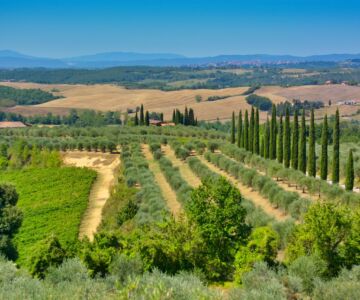
The Alps call to hikers with their beauty and rich culture. They offer amazing views and different landscapes. To enjoy these, you must prepare well.
Start getting ready for the Alps 6 months early. You’ll hike 8-10 miles a day, going up and down 2,500 feet. It’s important to be in good shape.
Carry more weight in your pack as you get stronger. Start with 10 lbs and add more slowly. Trekking poles help with balance on tough paths. They also protect your knees.
Key Takeaways
Start preparing for your Alpine adventure at least 6 months in advance.
Expect to hike an average of 8-10 miles and 2,500 feet up and down each day.
Ensure physical readiness by gradually carrying weight in your daypack.
Use trekking poles to assist with balance and reduce pressure on knees.
Embrace the stunning views and diverse terrains of the Alps.
Preparation and Training
Getting ready for an Alpine adventure means training and planning well. This makes sure you have fun and stay safe. It’s important to train hard to face the Alps’ challenges.
Cardio Workouts
Doing cardio workouts often is key for building endurance. Activities like running, swimming, cycling, and walking help you get ready for long hikes. Start your cardio training six months before your trip to build up your endurance.
Hiking Practice
Practicing on hilly trails is vital for Alpine hiking. Try hikes that are 8-10 miles long to work your muscles and joints. This should feel like the hikes you’ll do in the Alps.
Start training at least eight weeks before your trip. Begin with easy hikes and make them harder as you get stronger. This helps you get ready for the tough conditions in the Alps.
Carrying Weight
Adding weight to your hikes makes you stronger and more prepared. Use a 22-30 liter backpack with water and snacks to simulate the real thing. Slowly add more weight to build muscle and get used to high altitudes.
Wear the same shoes you’ll use on the hike during training. This prevents discomfort and blisters later on.
Exercise
Repetitions
Frequency
Jump Squats
15-20
2 times a week
Hip Roll Exercise
10-15
2 times a week
Step-Ups
15 each side
2 times a week
Heel Down Exercises
15 each side
2 times a week
Squat Curl Overhead Press
10-15
2 times a week
Side Plank with Leg Raise
10 each side
2 times a week
Remember, being flexible is important. Change exercises or rest if you need to avoid getting too tired. With a good plan, your Alpine hike will be amazing and fun.
Essential Gear and Packing List
Trekking the Alps needs a good hiking gear list for the weather. Having the right Alpine trekking equipment is key for comfort and safety. Let’s look at what you should pack for your trip.
Clothing
Layering is important for hiking clothing. You’ll need about 15 items, like t-shirts, trousers, and jackets. Patagonia and REI are great choices because they’re both quality and useful. Remember to bring extra layers because the weather can change a lot.
3 moisture-wicking t-shirts
2 pairs of hiking trousers
2 fleece or down jackets
4 pairs of wool hiking socks
1 hat
1 pair of waterproof gloves
Backpack
The backpack is a key part of your Alpine trekking equipment. It should weigh about 17kg for long hikes. Deuter and Osprey make reliable backpacks for these trips.
Raingear
Alpine weather can be unpredictable, so you need waterproof hiking gear. A waterproof rain jacket and pants are must-haves. They should be light but strong to keep you dry when it rains.
Trekking Poles
Trekking poles help with balance and protect your joints. Using them before your trip will make you more comfortable and efficient. Black Diamond makes great trekking poles for tough trails.
Item Category
Recommended Brands
Quantity
Highlighted Features
Clothing
Patagonia, REI
15 items
Moisture-wicking, layering capability
Backpack
Deuter, Osprey
1
Overall weight: 17kg
Raingear
Various
2 (jacket and pants)
Waterproof
Trekking Poles
Black Diamond
1 pair
Durable, lightweight
Hiking Tips
For a great hike in the Alps, think about your gear, the terrain, and the weather. Here’s some Alpine hiking advice to help you. Make sure you have the right shoes, as 85% of hikers say they got hurt because of bad shoes. Sneakers or trail runners are better than old boots.
Don’t try to hike too much at first. Beginners often pick routes that are too hard. Start with a hike under 5 miles and don’t climb too much. Rest on your days off to avoid getting hurt and get ready for longer hikes.
Knowing the route and how to navigate is key to staying safe. Use both your phone and a map to find your way. Make sure your phone is charged and learn about hiking apps. Also, check if you need a permit and look at the weather before you go.
Starting early is a great way to avoid crowds and see more animals. It also lets you enjoy your hike more by taking it easy and saving your energy.
Drinking and eating right keeps you going. Drink a liter of water every two hours and use a reusable bottle. Eat snacks like jerky, dried fruit, or energy bars. And be careful where you step to avoid hurting your ankle.
Always tell someone where you’re going and when you’ll be back. Bring extra clothes for the weather and a first aid kit. Over 70% of hiking accidents happen because people aren’t ready. So, be prepared with the right gear and knowledge for a safe and fun hike.
Essential Tips
Details
Proper Footwear
Choose sneakers or trail runners over old hiking boots.
Hydration
Drink one liter of water for every two hours of hiking.
Early Start
Increases wildlife spotting chances by 50%, avoids crowds.
Navigation
Use both electronic devices and paper maps for mountain trail guidance.
Weather Check
Use resources like Mountain-Forecast.com to verify conditions.
Communication
Inform someone about your route and return time.
Popular Hiking Routes in the Alps
The Alps are full of hiking trails for every adventurer. They have routes for both experienced hikers and those who just want to see the views. Here are some top hiking spots in the Alps.
Val d’Anniviers
Val d’Anniviers is a top spot for hikers because it’s easy to get to and has many trails. It’s famous for the Val d’Anniviers hiking trail, which goes through beautiful places like St-Luc and Grimentz. You can easily get back from your hikes with short bus rides.
Some popular hikes here include going from Chandolin to Zinal, and exploring Corne de Sorebois and Bendolla. Val d’Anniviers is a great place to start your Swiss Alps adventure.
Trekking Tours
If you want a guided hike, the Alps have some amazing tours. Alpinehikers offers tours that take you deep into the Swiss Alps. Here are some tours you might like:
Tour du Mont Blanc: A 10-day trek ranging from 600 to 1,100 EUR per person.
Walker’s Haute Route: A 10-day hike costing between 800 and 1,500 EUR per person.
Tour of Monte Rosa: A 9-day adventure priced between 850 to 1,100 EUR per person.
Gran Paradiso Adventure: A 7-day journey with opportunities to see alpine ibex and chamois.
Dolomites Guided Walk: Offers varied terrains and climbs for a challenging experience.
Swiss Alps and Jungfrau
The Jungfrau hiking trails are a must-see in the Swiss Alps. They offer stunning views and a challenge for hikers. You can try the 14-day Alpine Pass Route or the tough Trans Tyrol trek from Garmisch to Innsbruck.
The Jungfrau trails let you see the Alps’ beauty and offer different levels of difficulty. They’re perfect for exploring the Swiss Alps.
Conclusion
Hiking the Alps is a special mix of hard work and mental rest. It’s a journey that makes you feel good. Studies from Stanford University show it lowers stress and sadness. This confirms nature trips are good for our minds.
Getting ready for the hike means training and getting used to carrying your gear. It’s key to have the right shoes, clothes, and tools for the weather. You should also plan your route, know about high places, and pack enough food and water.
Make your hike plan fit your fitness level and get tips from experts. Take breaks and follow the “leave no trace” rule to protect nature. With careful planning and the right gear, the Alps become a beautiful path of achievement. Follow these tips for a safe, unforgettable, and uplifting Alpine hike.
FAQ
What kind of cardio workouts are recommended for hiking in the Alps?
Do cardio workouts often. Try running, cycling, or swimming. This helps you get ready for the Alps’ tough trails.
How should one practice hiking for an Alpine adventure?
Practice hiking on hills, aiming for 8-10 miles. This helps train your muscles and joints for the Alps. Start training 6 months early and slowly increase the difficulty.
What is important to consider when carrying weight during training?
Use a 22-30 liter backpack that fits well. Start with water and snacks. Then, add more weight to build muscle and get used to high altitudes.
What clothing is essential for hiking in the Alps?
Layering is key for the changing weather. Bring a waterproof rain jacket, rain pants, warm layers, hats, and waterproof gloves.
What are the important features to look for in a backpack?
Look for medium-weight, waterproof boots with good ankle support and strong soles. Deuter and Osprey are good brands for reliable backpacks.
What kinds of raingear should be included in the packing list?
Don’t forget a waterproof rain jacket and pants. They keep you dry in sudden rain.
Why are trekking poles recommended for Alpine hiking?
Trekking poles help with balance, protect your joints, and make hiking more comfortable. Choose high-quality ones from brands like Black Diamond.
What are some essential safety tips for hiking in the Alps?
Keep a steady pace and drink plenty of water. Be aware of how high altitudes affect your breathing. Practice with all your gear to be ready and comfortable.
What hiking routes are popular in Val d’Anniviers?
Val d’Anniviers is easy to get to and has great trails. Try going from St-Luc to Grimentz, Chandolin to Zinal, or explore the Corne de Sorebois and Bendolla areas.
What are some challenging hiking tours in the Alps?
For a big challenge, try the Haute Route that reaches 9,800 feet. The Jungfrau offers stunning views and tougher hikes.
What should one keep in mind when hiking the Swiss Alps and Jungfrau region?
Be well-prepared and respect the Alps. Enjoy the beautiful and tough trails of the Swiss Alps and Jungfrau region.
Get ready to see the stunning beauty of Canada’s National Parks. With over 220 beautiful places, you’ll find everything from nature to history. Follow these key tips for a great trip and respect the land and its creatures.
Key Takeaways
Parks Canada oversees 47 national parks, 171 national historic sites, and more.
Wildlife safety tips include staying at least 100 meters away from bears and wolves.
Violators of park regulations could face fines of up to $25,000.
Always book accommodations and campsites in advance for an organized trip.
Respecting and preserving nature is crucial for a safe and enjoyable visit.
Planning Your Visit to Canada National Parks
Planning your Canada National Parks trip planning needs careful thought. You need to pick the best season and know about park access and places to stay. Each step is key to a great adventure.
Choosing the Best Time to Visit
The best seasons to visit are from June to September. This is when the weather is best for hiking, camping, and seeing wildlife. May and October are also good, but it might be harder to get to some places because of the weather.
Researching Park Accessibility and Facilities
There are 48 national parks, with 31 you can get to by car. The rest need flying or boating. It’s smart to check out each park’s access and park facilities before you go. Parks Canada’s website has lots of info on maps, safety tips, and what’s available. Knowing that Wood Buffalo National Park is huge helps with planning.
Booking Accommodations and Campsites in Advance
It’s important to book accommodations and campsite reservations early, especially when lots of people are visiting. Parks are popular spots, and not booking ahead can make finding a place hard. Look at different places to stay, from cabins to backcountry spots, for a great park experience.
Summer months (June to September) for the best weather.
May and October are also favorable, given reduced crowding.
Access facility details through Parks Canada’s website to plan amenities and activities.
Book accommodations and campsites early to avoid disappointment, especially during peak seasons.
By planning well, your trip to Canada’s national parks will be easy and memorable. You’ll get to enjoy the stunning nature and varied landscapes these parks have to offer.
Pack the Right Gear for Your Adventure
Going on an adventure in Canada’s National Parks means you need to pack smart. Having the right gear makes your trip better. It keeps you comfy and safe in nature. Let’s talk about what you should pack for your trip.
Clothing and Footwear
Wearing the right outdoor clothes is important. You’ll need rain jackets, insulated jackets, hiking pants, and sweaters because the weather can change. Make sure your hiking boots are strong and break them in before you go.
A big hat and sunglasses protect you from the sun. This is very important in places like Banff, where the sun is strong. Bring a waterproof jacket to stay dry when it rains.
Camping and Hiking Essentials
Your camping list should have top-notch gear for where you’re going. You’ll need strong tents, sleeping bags, and cookware. Use a reusable water bottle from brands like Stanley or Hydroflask to save money and reduce waste. Healthy snacks like nuts and fruits keep you going on hikes.
Remember to bring binoculars for looking at wildlife and beautiful views up close.
Safety and Emergency Equipment
Safety gear is a must for any adventure. Bear spray is very important for meeting wildlife, especially in places like Yellowstone. Always have a first-aid kit and any needed medicines.
Flashlights and headlamps help you see in the dark. Insect repellent is a must in summer, especially in places like Banff.
Respect Wildlife and Preserve Nature
When you visit Canada’s national parks, you help decide how wildlife and nature will be treated. It’s key to know and follow safety rules to avoid scary or dangerous moments with animals. The Leave No Trace rules help keep nature safe by making sure humans don’t harm the land too much. It’s important to know and follow the Canada National Parks Act. Things like feeding animals or leaving the path are big no-nos and can lead to big fines and legal trouble.
Understanding Wildlife Safety Tips
Canada is home to over 220 places like national parks and historic sites, filled with thousands of species. It’s vital to know wildlife safety tips for a safe trip. Dogs off-leash can lead to attacks and big fines under the Canada National Parks Act. Bear spray is a good idea for keeping away bears and other big animals. But, many hikers don’t bring bear spray, even though it works well to stop bear attacks.
Following Leave No Trace Principles
The Leave No Trace rules are key for keeping nature safe. They mean taking out your trash, not touching things you find, respecting animals, and being kind to other visitors. Canada wants to protect 30 percent of its lands and waters by 2030. Following these rules helps keep nature wild and safe for all the animals that live there.
Prohibited Activities and Legal Consequences
It’s very important to know and follow national park rules for your safety and the animals’. Don’t feed animals or use drones because they can disturb them and people. Breaking these rules can lead to big fines, up to $25,000. For example, a man who teased a bison in Yellowstone got 130 days in jail. Taking selfies with wild bears can also get you in trouble. This shows how serious we must be about protecting nature in Canada.
Stay Safe on the Trails
Exploring Canada’s national parks is exciting but requires safety. In places like Banff National Park, set up in 1885, or Glacier National Park with almost 1000 bears, being careful is key. This makes your trip better and safer.
Traveling in Groups
Hiking with others is a smart move for safety. In Glacier National Park, groups of four or more hikers have never been attacked by bears. Being with friends or family helps watch out for dangers and can stop wildlife from getting surprised.
Being in a group also keeps bears away. It makes it less likely you’ll meet a bear or other wild animal by surprise.
Carrying and Using Bear Spray Effectively
Bear spray is a must-have in bear country. It can help control a dangerous situation. Parks often offer demos on how to use it, which you should check out.
Make sure bear spray is easy to get to and everyone knows how to use it. It’s a great way to keep bear meetings safe.
Avoiding Early Morning and Late Evening Hikes
Try to hike during daylight to stay safe. Early morning and late evening are when bears and other animals are most active. Hiking in the day makes it easier to see and avoid wildlife.
This tip is easy but helps a lot. It makes your hike in Canada’s beautiful parks safer.
Maximize Your Wildlife Viewing Experience
Going on a wildlife adventure in Canada’s national parks is thrilling. To see wildlife best, be ready with the right gear and follow the rules for meeting animals.
Using Binoculars and Telephoto Lenses
Binoculars and telephoto lenses let you see wildlife safely from afar. A good pair of binoculars helps you watch a big moose. These moose can be as tall as 2 meters and have antlers up to 1.5 meters wide.
Telephoto lenses are great for taking close-up photos of grey seals. These seals can grow up to 3 meters long. They won’t mind you watching from a distance.
Maintaining a Safe Distance from Animals
It’s key to stay far from wild animals. Keep at least 30 meters away from deer, moose, and elk. For black bears, found in many parks like Forillon National Park, stay even farther away.
Use binoculars for a closer look without getting too close. Don’t make sudden moves or loud noises that might scare the animals.
Respecting Animals’ Natural Behaviors
Respecting wildlife means knowing and following their natural ways. At Point Pelee National Park, Monarch butterflies gather every fall for a big journey to Mexico. Watching them without disturbing them lets them migrate safely.
During the elk rutting season in September, stay back to let them have their important time. This helps their reproduction cycle.
Never make animals rely on people for food. Feeding them can make them sick and mess up their natural eating habits. Enjoy watching wildlife from afar to have great experiences and keep the animals safe. Use binoculars and follow the rules to see wildlife without harming them.
Best Practices for Road Trips Through Canada’s National Parks
Going on a road trip to see Canada’s national parks is a big adventure. There are 31 parks you can drive to, with over 19,000km (11,800 miles) of roads. Planning well is key for a smooth trip. You need to think about the route, staying safe, and managing your fuel.
Mapping Out Your Route
Good route planning is key for a great national parks tour. Parks are in every province and two territories, except Nunavut. Plan your trip for 4 to 6 months, best from June to September. May and October are good too if you want fewer people around.
National Park
Province
Accessibility
Banff National Park
Alberta
Road
Wood Buffalo National Park
Alberta/Northwest Territories
Road
Yoho National Park
British Columbia
Road
Sable Island National Park Reserve
Nova Scotia
Charter Flight
Jasper National Park
Alberta
Road
Observing Speed Limits and Road Safety
Keeping safe on the road is very important. Follow speed limits for your safety and to protect animals. Parks have different roads and conditions. Stay alert and follow the rules to avoid accidents and enjoy your trip.
Managing Fuel and Supplies in Remote Areas
Managing your fuel is key, especially in remote places. Parks like Wood Buffalo are huge and need careful fuel planning. Always have extra fuel and supplies to avoid problems. This way, you’ll be ready and can enjoy the beauty of each park.
With good route planning and focus on driving safety and fuel management, your national parks tour will be unforgettable. Each park has its own special things to see, like trails, wildlife, and stunning views.
Conclusion
Canada’s National Parks are more than places to visit; they are alive with nature. They have tall mountains and calm lakes. These parks bring in over CAD 1.82 billion a year from tourism.
But, with lots of visitors comes the need to travel responsibly. We must protect these beautiful places for everyone.
Humans have greatly affected these wild areas. In 2013, there were 924 incidents between humans and wildlife. By 2019, that number jumped to 3,291. This shows we need to be careful and follow the rules.
The woodland caribou herd in the Maligne Valley sadly went extinct in 2020. This shows how tourism can harm nature if not done right. We must use sustainable ways to visit these places.
Changes like limiting car access at Moraine Lake help protect nature. More money is also going to conservation efforts. Despite challenges like noise pollution and budget cuts, new national parks and working with Indigenous communities offer hope.
By following the 11 tips in this guide, visitors can help keep these places beautiful. This way, we can enjoy nature and protect it for the future.
FAQ
What is the best time to visit Canada National Parks?
The best time to visit Canada National Parks is in the summer. This is when the weather is best for outdoor fun and seeing wildlife. It makes your trip more fun.
How can I research park accessibility and facilities?
Check the Parks Canada website for info on park access and facilities. You’ll find maps, trail info, and what amenities are available. This helps plan your visit better.
Why is it important to book accommodations and campsites in advance?
Booking early is key because spots in Canada National Parks fill up fast, especially in the busy seasons. This way, you’ll have a place to stay and your trip will go smoothly.
What clothing and footwear should I pack?
Pack clothes that can handle the weather changes. Include layers, waterproof stuff, and good shoes for different grounds. This keeps you comfy and safe on your adventure.
What are essential camping and hiking gear items?
You’ll need a tent, sleeping bag, a portable stove, water filter, and a first aid kit. Choose gear that fits the park’s conditions to make your trip better and stay safe.
What safety and emergency equipment should I bring?
Bring bear spray, a whistle, a multi-tool, and a map and compass. These are key for handling surprises in the wild.
How can I ensure wildlife safety during my visit?
Keep a safe distance from wildlife, don’t feed them, and make noise to warn them you’re there. These steps help avoid bad encounters and keep everyone safe.
What are Leave No Trace principles?
Leave No Trace means being kind to nature by leaving as little mark as possible. It means taking out your trash, respecting animals, and staying on paths.
What activities are prohibited in Canada National Parks?
Don’t feed wildlife, litter, or leave trails. These actions harm nature and can get you in trouble with the law.
Why is it safer to hike in groups?
Group hiking is safer because it lowers the risk of running into wildlife alone. It also helps in emergencies and makes you more visible to animals.
How should I carry and use bear spray?
Keep bear spray easy to get to and know how to use it right. Aim down a bit and spray if a bear comes at you. Following the right steps makes it more effective.
Why should I avoid hiking early in the morning or late in the evening?
Don’t hike at dawn, dusk, or night because that’s when animals like bears are most active. Hiking in the day is safer.
How can I maximize my wildlife viewing experience safely?
Use binoculars or a camera lens to watch wildlife from far away. Keep your distance and don’t bother them to keep everyone safe.
What is the importance of mapping out my route for a road trip?
Planning your route helps you know the distances, where to get fuel, and what amenities are there. It keeps you from getting lost in the middle of nowhere.
Why should I observe speed limits in national parks?
Following speed limits keeps you safe and protects animals. Driving slow helps avoid accidents and keeps animals safe from getting hit.
How should I manage fuel and supplies on a road trip through national parks?
Make sure you have enough fuel and supplies before heading into remote areas. This way, you won’t get stuck or be unprepared during your trip.