Discover some of the most fascinating ghost towns in the American landscape, where history meets mystery and adventure.
If you’re looking for a truly eerie and abandoned place to visit in the United States, you don’t have to go far. Many ghost towns dot the American landscape, waiting to be discovered. Whether you’re interested in exploring a forgotten mining town or an abandoned village, there’s sure to be a ghost town that will pique your interest. Keep reading to find out the top 10 ghost towns in America that are definitely worth a visit.
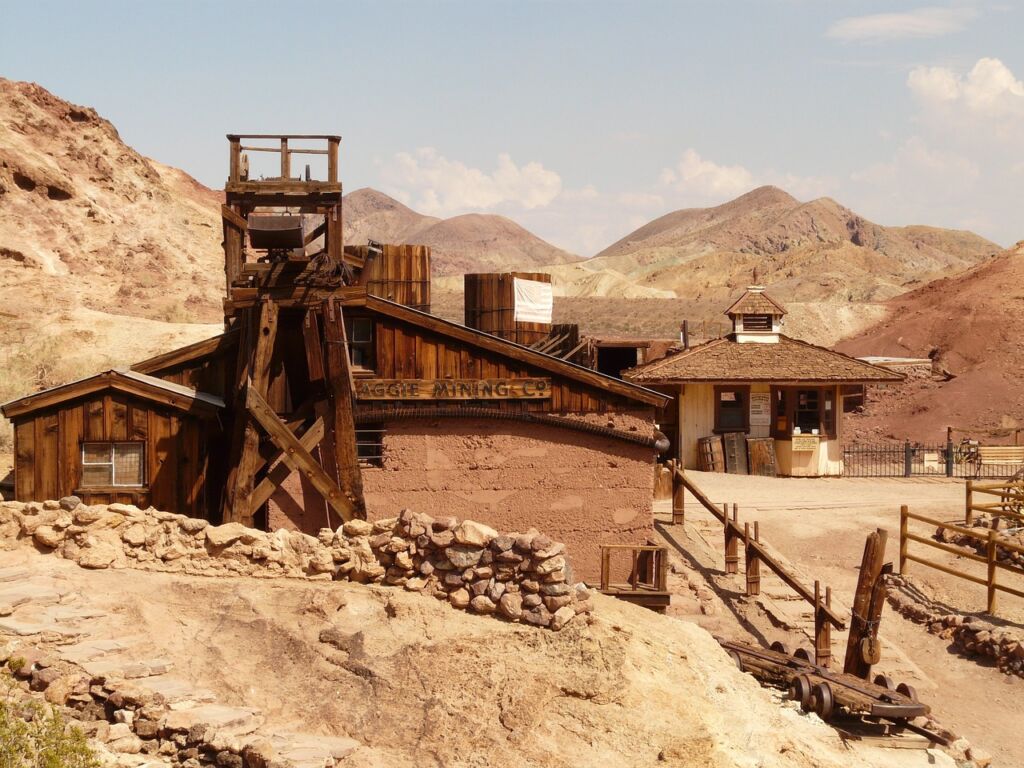
Calico, California Key Features:
Calico Ghost Town Museum
Hiking and camping spots
Shops and restaurants Example: Spend a day exploring the museum to learn about the history of Calico, then enjoy a hike in the desert and finish with a meal at one of the local restaurants.
Bodie, California Key Features:
Well-preserved buildings
Spacious, empty streets Example: Wander through the town imagining the hustle and bustle that once filled the air, perhaps hearing echoes of laughter and music from long ago.
St. Elmo, Colorado Key Features:
Well-preserved buildings
Eerie atmosphere Example: Visit the town to explore its rich history and see if you can spot any paranormal activity. Who knows, maybe you’ll catch a glimpse of something supernatural!
Belmont, Nevada Key Features:
Old buildings and mining equipment
Camping in the desert Example: Explore the remains of Belmont’s architecture and get a feel for what life was like over a century ago. Spend the night camping in the desert for an added sense of adventure.
Jerome, Arizona Key Features:
Haunted history
Abandoned buildings
Restaurants and cafes Example: Explore the ghost town during the day and grab a meal at one of the local eateries, but be prepared for a spine-chilling experience filled with paranormal activity.
Rhyolite, Nevada Key Features:
Stone buildings and ruins
Local museum documenting the town’s history Example: Visit the museum to understand Rhyolite’s brief but booming history, then roam through the ruins to feel the ghostly echoes of its past.
Kennecott, Alaska Key Features:
Abandoned buildings
Hiking trails Example: Take a guided tour to learn about the history of Kennecott, then hit the hiking trails to explore the stunning Alaskan wilderness.
Terlingua, Texas Key Features:
Abandoned mines
Old cemetery
Ghost Town Railway Example: Ride the Ghost Town Railway and then visit the old cemetery to soak in the haunted history and Wild West vibes.
Goldfield, Arizona Key Features:
Vintage narrow gauge railroad
Local museum
Well-preserved buildings Example: Explore the museum and take a ride on the narrow gauge railroad for a nostalgic trip back to the era of the gold rush.
St. Deroin, Nebraska Key Features:
Boarding up buildings
Empty, silent streets Example: Walk the deserted streets and hear the wind blow through the town, pondering the spooky legend of the curse that doomed St. Deroin.
So pack your bags and get ready for some spooky fun! If you’re looking for a ghost town to explore, these are some of the best in the country. Have you visited any of them? If not, be sure to add one (or all!) of them to your bucket list – you won’t regret it!
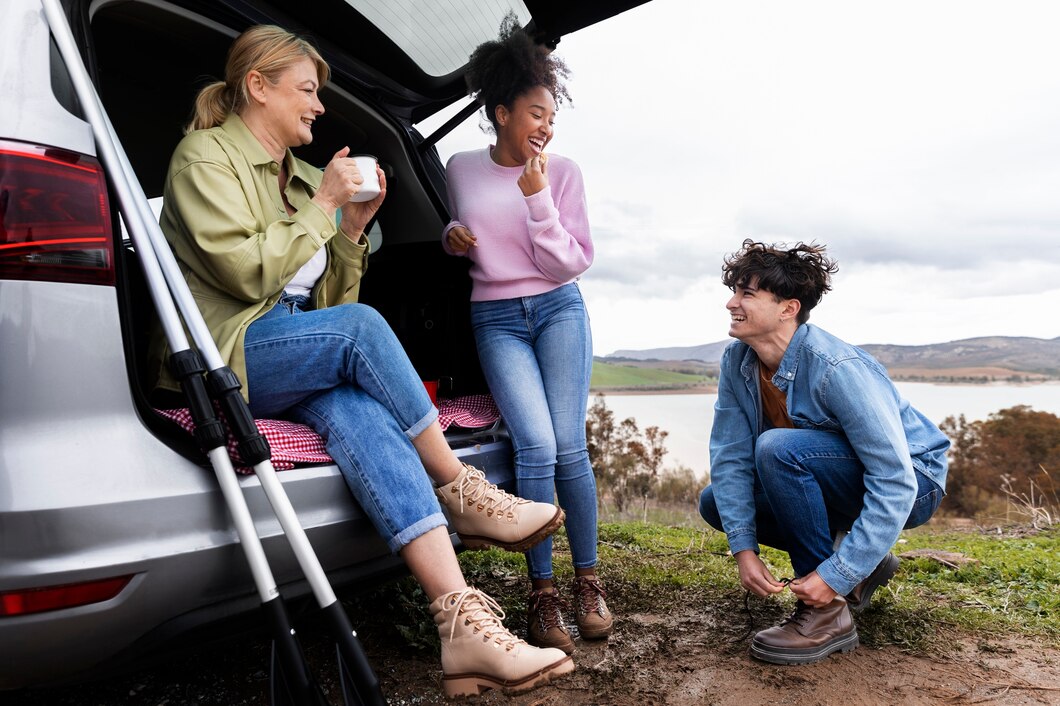
Going on a European adventure means seeing amazing places and learning new things. You’ll see everything from tall mountains to beautiful beaches. Planning your trip well makes it fun and easy. This guide will help you with road trip planning in Europe. You’ll learn about international driving and what to pack for a great trip.
Key Takeaways
Pick a car for your trip that’s reliable and has less than 80,000 miles.
Use a GPS and keep maps handy for safe driving.
Choose a laptop that’s light and has a long battery life for fun and staying connected.
Don’t forget to pack water, medicine, and wet wipes. Make sure your first aid kit is ready.
Put tinted windows and curtains in your car for privacy when you stop.
Learn about speed limits and how to use roundabouts in Europe to stay safe.
Stop and rest every three hours to stay awake and alert while driving.
Preparation and Reliability
Starting your dream road trip in Europe means getting ready well. Pick the right car for your needs, whether you want to save money or be comfy. Make sure the car has enough room, is dependable, and can handle the roads you’ll be on. Get to know your car before you leave, like how to change a tire or check the spare.
Choosing the Right Vehicle
When picking a car, think about how reliable and comfy it is. Choose a car with enough space for everyone and your stuff. Make sure it’s in good shape for long drives.
Check your tires often with both the car’s gauge and a manual one to avoid flat tires. Do some basic car maintenance before you go, like changing the oil and checking tire pressure. This can help stop your car from breaking down on the road.
Packing Essentials
Packing right is key for a good road trip. Put your stuff in boxes by category so you can find things easily. Bring useful items like trash bags, water bottles, and paper towels to make your trip better.
Keep important info like your blood type and emergency contacts in the glove box. Don’t forget an emergency road kit that fits your family’s needs.
Route Planning with Offline Maps
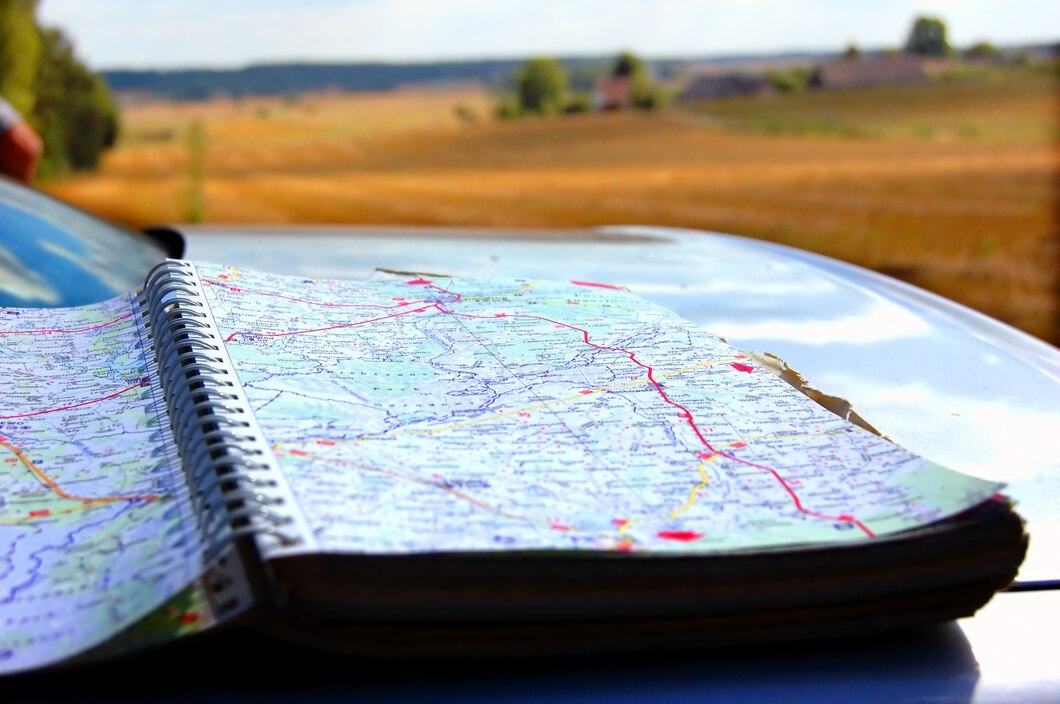
GPS is useful, but having offline maps is a must for places with no signal. Make sure your maps are up to date. Use apps like Waze to save maps.
This way, you won’t get lost in different places. It makes sure your trip goes smoothly.
Understanding European Road Rules
Driving in Europe means knowing the road regulations. You’ll find speed limits and rules against using phones while driving. These laws help keep everyone safe.
Speed Limits and Traffic Regulations
Speed limits change a lot from country to country. In Germany, some roads have no speed limit, but cities have strict limits. Kids under 12 must sit in the back with a booster seat in most places.
Also, using a phone while driving is banned almost everywhere. So, it’s important to have a way to use your phone safely while driving.
Importance of Highway Vignettes and Tolls
In many European countries, you need to buy a vignette to use highways. Austria and Slovenia are two countries where you must have one. France, Italy, Spain, and Portugal use electronic tolls on big roads.
Knowing how to get these vignettes and how to pay tolls makes your trip smoother.
Country
Vignette Requirement
Toll Routes
Austria
Yes
Partial
Slovenia
Yes
No
Croatia
No
Yes
France
No
Yes
Drinking and Driving Laws
In Europe, the limit for blood alcohol is lower than in the US. Some countries, like Sweden, have a very low limit. It’s important to know these traffic laws to avoid big fines.
Some places, like Italy and Ireland, don’t accept credit card insurance for rental cars. So, planning ahead with vehicle insurance is a good idea.
Navigating Through Different Countries
Traveling to many countries means you’ll cross borders. Make sure you have all your documents ready, like passports. Also, plan for extra time at checkpoints to avoid delays.
Essentials for Crossing Borders
Always keep your passport easy to reach when crossing borders. Some places need extra papers like visas or car papers. Keep your travel plans, hotel bookings, and a safety plan handy too. This helps you answer questions quickly at checkpoints.
Using GPS and Backup Maps
GPS is great, but have printed maps or downloaded routes as a backup. They help when you’re in places with no internet or if your GPS fails. Apps like Roadtrippers and Waze are great for getting updates and finding new paths.
Emergency Contact Numbers
Being ready for the unexpected is key when you travel. Know the emergency number 112, which works in many European countries. Keep this number saved for fast help if you need it. Also, tell a friend or family where you’re going to keep you safe.
Road Trip Tips for a Smooth Journey
Going on a road trip across Europe needs careful planning for a smooth trip. Here are some key tips to make your journey fun and safe.
Keeping Extra Fuel
It’s important to manage your fuel well on the road. Always keep your gas tank more than half full. This way, you won’t run out of gas in places where stations are hard to find. It makes your trip safer and avoids delays.
Respecting Local Driving Etiquette
Following the rules of the road in each place makes your trip better. Watch out for speed limits, tunnel rules, and lane use. Talking to locals, like volunteers or park rangers, can teach you a lot. They can help you stay safe and respectful on the road.
Dealing with Unfamiliar Road Signs
Knowing road signs is key when driving in new places. Learn common signs and symbols before you go. If you can’t understand signs, ask for help with simple pictures. This way, you’ll move around easily and feel less stressed.
Europe’s diversity in road signs
Common symbols to familiarize with
Possibly using translation apps or booklets
Staying Comfortable on the Road
Being comfy on a road trip is key for fun. Good car organization makes a big difference. Use bins or organizers to keep things neat. This way, you can find things like snacks and emergency kits easily.
A clean car looks nice and helps you relax on long trips. Most people find a tidy car makes them feel more at ease.
Organizing Your Car Interior
Having an organized car cuts down on stress and boosts comfort. Keep important papers in a special folder. And store snacks like beef jerky and carrots in their own spots.
Dirty cars can make you feel bad. So, keep your car clean to make your trip better.
Finding Places to Sleep
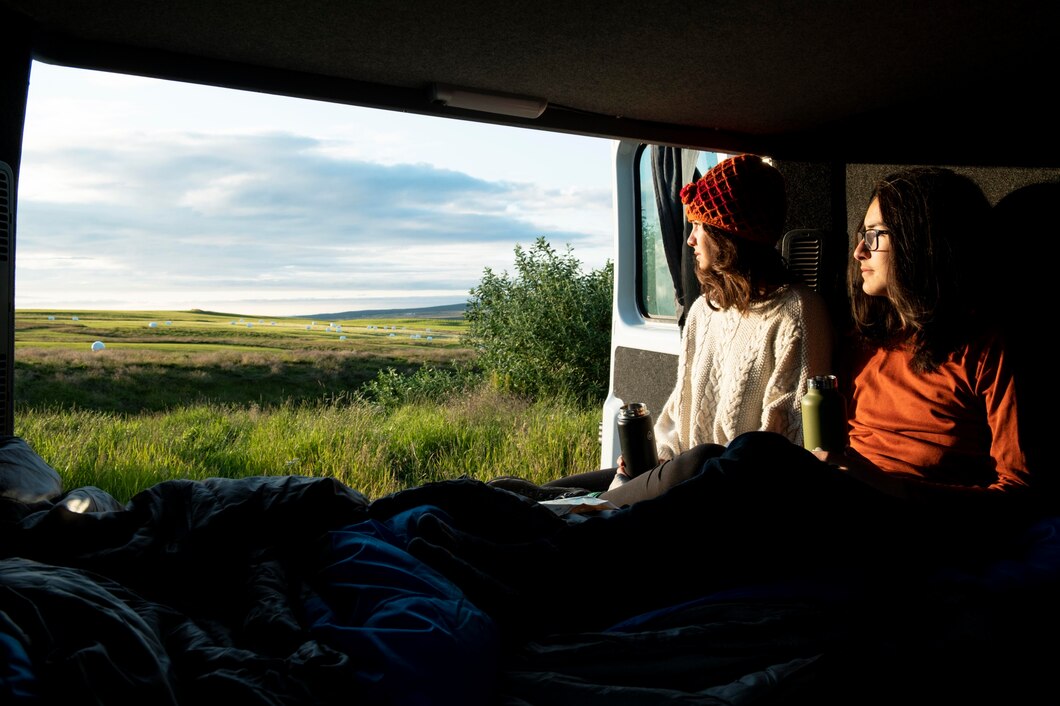
Finding good places to sleep is important. You can sleep in your car or book a hotel. Make sure you get enough sleep before your trip.
Getting 7 hours of sleep for two nights before your trip is good advice. Sleeping during long drives helps too. So, make sure your friends are also well-rested.
Maintaining Cleanliness
Keeping your car clean is key for comfort. A clean car reduces discomfort from a messy space. Good car maintenance, like looking after the suspension and tires, helps too.
Take breaks every 100 miles or 2 hours to stretch. This keeps you and your friends comfy and awake during the trip.
FAQ
What are the top travel tips for a first European road trip?
Start your European trip by planning well. Pick the right car, pack smart, use maps offline, and learn about driving laws. These tips will make your trip smooth and fun.
How do I select the ideal vehicle for my European road trip?
Look for a car that fits your budget and has enough space. Make sure it’s reliable. Learn how to change a tire and check the spare.
What are the packing essentials for a road trip?
Pack your car with boxes for easy reach. Include a compact exercise bench for extra storage. Don’t forget a cooler for drinks and snacks.
How do I ensure efficient route planning?
Use GPS, but also have offline maps. Save maps from Google or use apps like Waze for areas with no service.
What should I know about speed limits and traffic regulations in Europe?
Learn about the speed limits and traffic rules in each country. This will help you avoid fines and stay safe.
Why are highway vignettes and tolls important?
Many countries need vignettes or tolls. Not having them can lead to big fines or stop your trip.
What are the drinking and driving laws in Europe?
Each country has its own rules for drinking and driving. Some have zero tolerance, others allow some alcohol. Know these laws to avoid trouble.
What should I prepare for crossing European borders?
Have your passports ready and know about possible delays at checkpoints. Add extra time to your plans and keep maps or routes saved. Have the emergency number 112 handy.
How can I use GPS and maintain direction efficiently?
Use GPS with printed maps or saved routes. Keep your devices updated and have power banks ready.
What is the emergency contact number in Europe?
The emergency number in Europe is 112. It helps you get help fast in emergencies.
How do I manage fuel efficiently during my trip?
Always keep your tank at least a quarter full to avoid running out. Plan your stops and watch your fuel level.
What should I know about local driving etiquette?
Follow the local driving rules, like speed limits in tunnels and how to use lanes. Being respectful of local driving customs helps keep everyone safe.
How do I deal with unfamiliar road signs?
Learn the common road signs and ask for directions if you’re unsure. Use pictures to help with language barriers.
How can I organize my car interior for a road trip?
Use boxes and items like benches for more space. Keep important papers in an easy-to-reach folder.
Where can I find suitable places to sleep during the trip?
Find places to sleep like cars with beds, campsites, or hotels. Look them up before you go for a comfy trip.
How do I maintain cleanliness on the road?
Keep your things clean with special containers and a cooler for drinks. Clean your car often to keep everyone healthy.
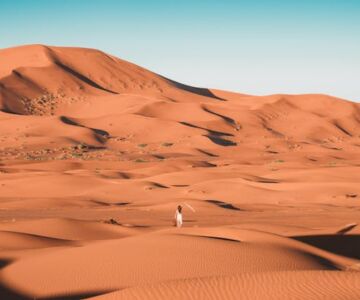
The Sahara Desert is huge and famous. It has a mix of beautiful lands and rich cultures. It covers about 3.6 million square miles (9.4 million square kilometers).
This makes it the biggest hot desert worldwide. It goes through ten African countries. These include Algeria, Chad, Egypt, Libya, Mali, Mauritania, Morocco, Niger, Sudan, and Tunisia.
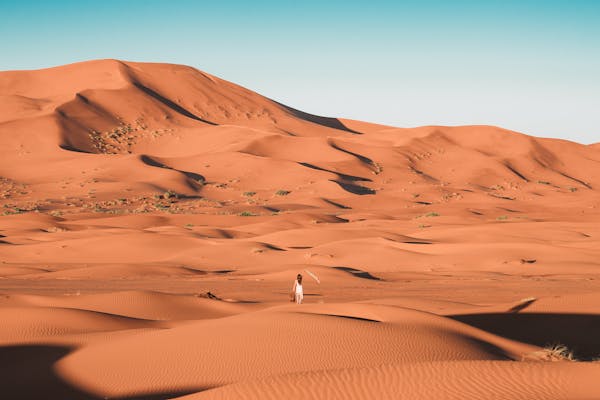
Visit the Sahara Desert and you’ll see very hot summers and freezing winter nights. Some areas get almost no rain. But, the desert has many different parts. You’ll find endless sand dunes, some reaching 590 feet (180 meters), which are about a quarter of the desert.
The area’s history comes alive with old rock paintings and carvings. They show the Sahara was once full of life and green. People have lived in the Sahara for thousands of years. Today, you can do many things there, like riding camels, sleeping under the stars, seeing old buildings, and finding green oases.
Key Takeaways
The Sahara Desert spans approximately 3.6 million square miles, making it the largest hot desert in the world.
It covers parts of ten countries: Algeria, Chad, Egypt, Libya, Mali, Mauritania, Morocco, Niger, Sudan, and Tunisia.
Summer temperatures can exceed 120°F, while winter nights may drop below freezing.
The desert features vast sand dunes known as ergs, which can reach heights of up to 590 feet.
Ancient rock paintings suggest the Sahara was once a fertile region with diverse wildlife.
The Geography and Climate of the Sahara Desert
The Sahara Desert is huge, about as big as the United States. It spans from east to west for 3,000 miles. This vast desert covers nearly one-third of Africa, slicing North and South Sub-Saharan Africa apart. The Sahara’s weather and landforms make it an awe-inspiring yet tricky place to survive.
Climate
The Sahara is famous for its hot days and little rain. Each year, it gets around 3 inches of rain. This rain mainly comes in December to March and a bit in August. The desert’s weather is split into two main types: north is a dry subtropical climate and south is dry tropical.
In the north, it might get as cold as 55°F in winter and super hot in summer. The south can reach over 122°F in late spring and summer. Winter nights in both areas can get freezing.
People keeping cattle have kept the Sahara near the same for 7,000 years. For 2,000 years, it’s been pretty stable, except during the 16th to 18th centuries’ Little Ice Age.
Landscape
The Sahara is not just sand but also has mountains and more. It has dunes, reg, ergs, the Ahaggar and Tibesti Mountains, and the Libyan Desert. Over 25% of it is sand, with dunes reaching nearly 180 meters high. Central Sahara has ergs, shifting sand dunes, and the north more regs, flat gravel or rock plains.
The Ahaggar and Tibesti Mountains offer a different view. Mount Koussi in Tibesti is the Sahara’s highest point, at 3,415 meters. These mountains and scattered oases break up the sand sea.
Size-wise, the Sahara covers a lot of Africa, around 31%. It’s about 4,800 kilometers long and 1,800 kilometers wide. Its tough weather and massive size create a unique, breathtaking scene.
Feature
Details
Length
4,800 km (3,000 mi)
Width
1,800 km (1,100 mi)
Area
9,200,000 km² (3,600,000 mi²)
Annual Precipitation
3 inches (76 mm)
Temperature Range
Day: >50°C (122°F), Night:
Highest Point
Mt. Koussi, 3,415 m (11,204 ft)
The History and Culture of the Sahara Desert
The Sahara Desert stands out for its rich history and diverse cultures. It stretches around 3,000 miles from east to west and up to 1,200 miles north to south. This huge area is full of interesting history and various ways of life.
Ancient Civilizations
Long ago, the Sahara was a lush area with lots of wildlife and big empires. We know this from old rock art and other things found in the desert. The early people’s stories show how rich the Sahara’s history is.
Nomadic Tribes
Life is hard for those moving around the Sahara. The Tuareg people are one group known for their tough spirit and how they are led by women. They have their own way of life in the desert and wear special blue clothes.
Besides the Tuareg, there are Berber tribes like the Shawiya, Kabyle, and Mozabites. These groups keep their cultures strong, even in the tough desert.
Trade and Commerce
The Sahara’s trade routes are key to its past. They linked the desert to parts of Africa and the Mediterranean. This let people share goods, ideas, and ways of life. Gold, salt, and slaves were big items in this trade.
Using these routes, big empires of the past could grow rich. This made the Sahara an important place in history.
The mix of moving nomads, farmers, and traders keeps the Sahara’s culture unique. The people’s adaptability over time is clear in their stories and traditions.
Top Things to See and Do in the Sahara Desert
The Sahara Desert is huge, filled with many fun things to see and do. You can try camel trekking or stay in comfy desert camps. There is something exciting for every visitor.
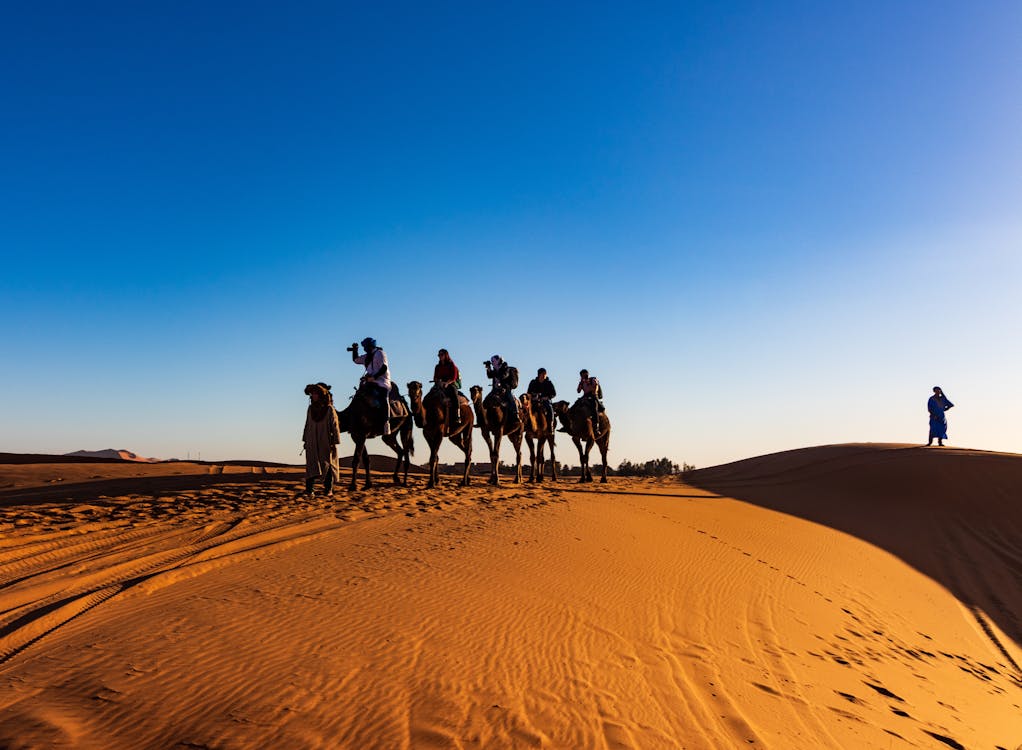
Camel trekking in the Sahara is a classic adventure. It lets you walk the desert like the Berbers, Tuaregs, and Bedouins have done for ages. These tours are usually in small groups and give you a taste of peaceful desert life.
There are also amazing desert trek adventures. They are extra special during the Festival of the Sahara, when the area’s culture shines. Most activities are family-friendly, so even kids aged five and up can join.
Activity
Details
Horse Riding
Available during the winter, with a weight limit of 95kg; riders need to be comfortable trotting to galloping on rough terrain.
Quad Bike Trips
Recommended for 1-2 hours, perfect for exploring sandy dunes.
Sand Bath
Healing properties, up to 30 minutes; ideal during summer months.
Stargazing
Unobstructed views due to no light pollution, best with a free stargazing app.
Sand Surfing
Thrilling adventure on the golden dunes with sand/snow boards or skis.
Don’t miss the stunning oases like Siwa Oasis and Chebika. Their green beauty stands out in the desert. They also share the history and traditions of the locals.
If you love wildlife, the Sahara has rare animals like the desert fox (Fennec). Erg Chebbi and Erg Chigaga are great for seeing these creatures. They also work on saving animals like addax and gazelles.
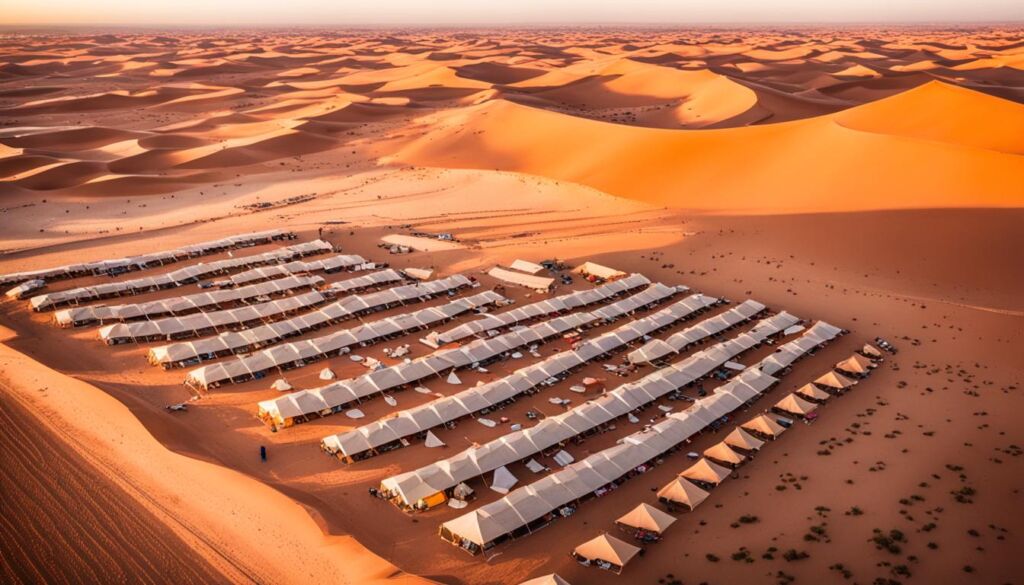
For a real desert experience, try a Sahara Desert camp. They let you live like a nomad, with a warm campfire and tasty grilling. It’s a unique way to enjoy the sandy night skies.
Exploring the Sahara Desert
Going to the Sahara Desert lets you see a special place on our planet. It is over 3.8 million square miles and touches eleven countries. From the sandy dunes of Merzouga to the tall Ahaggar Mountains, the Sahara is full of beauty and history.
Camel Trekking
A trip to the Sahara is not complete without a camel ride. You can start from places like Merzouga. These camel trips show you the vast desert and old caravan paths.
Camping Under the Stars
Sleeping under the Saharan sky is magical. It’s very hot during the day, but cools down at night. You can camp near beautiful places like the Tassili n’Ajjer or Tadrart Acacus.
Visiting Oases
Oases in the Sahara, like Siwa Oasis, are like green gems in the desert. They are important for many plants and animals. Seeing them up close shows how precious water is in the desert.
Exploring Ancient Ruins
The Sahara holds many old sites. Places like Tassili n’Ajjer are full of ancient art and ruins. They tell the story of people who lived there long ago.
Exploring the Sahara is more than seeing sand. It’s about the many cultures and the natural wonders. Every part of this huge desert is waiting for you to find adventure and learn.
Activity
Location
Highlight
Camel Trekking
Merzouga
Traversing Erg Chebbi dunes
Camping
Tassili n’Ajjer
Stargazing
Oasis Visit
Siwa Oasis
Flora and fauna
Ancient Ruins
Tadrart Acacus
Rock art
Adventure Activities in the Sahara Desert
The Sahara Desert is full of fun for those who love adventure. You can try sandboarding or take a hot air balloon ride. It’s a perfect mix of thrill and beautiful views.
Sandboarding
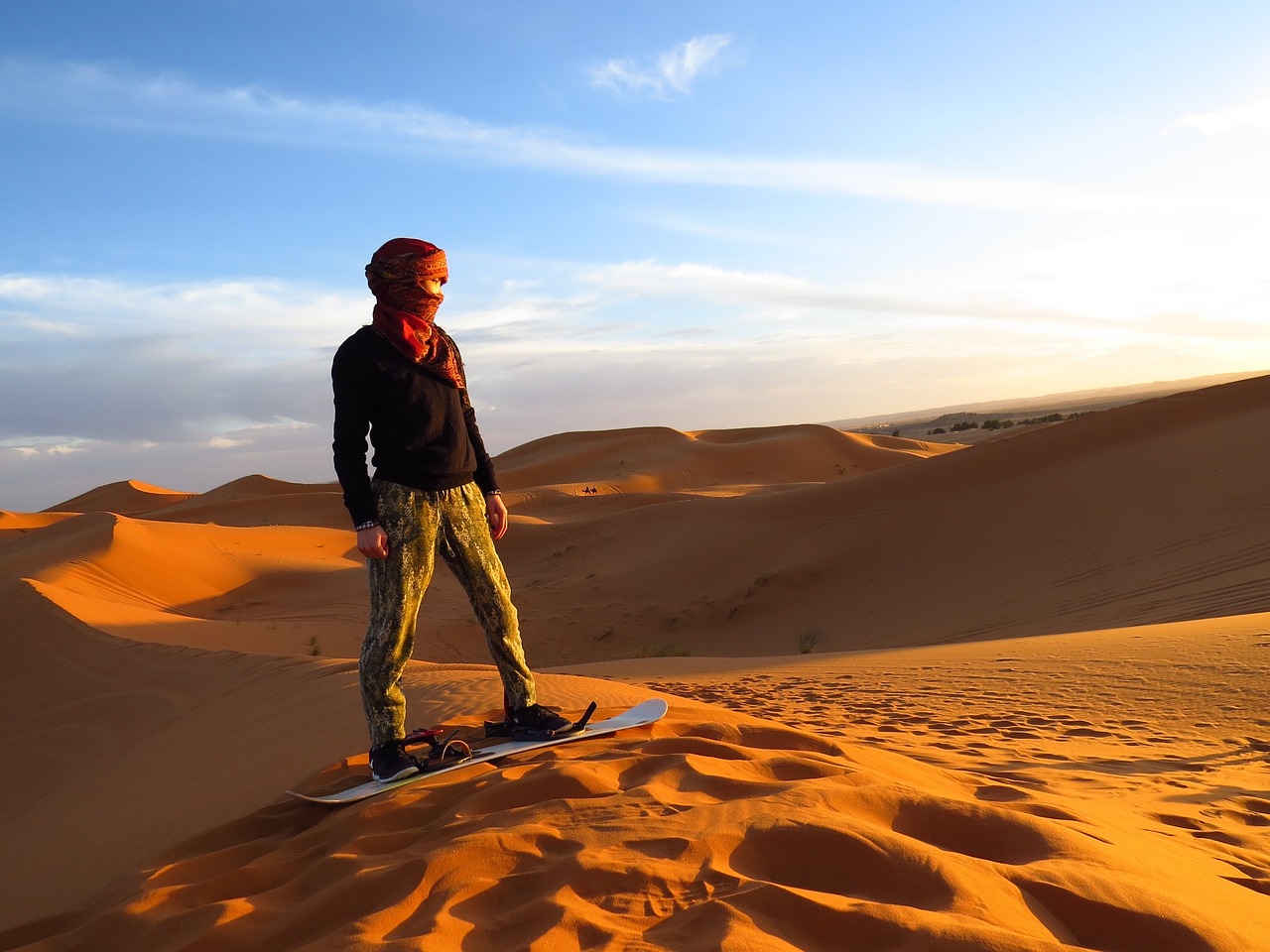
Sandboarding in the Sahara is just like snowboarding but on sand. The tall dunes in Erg Chebbi are great for this. They can be as tall as 160 meters. It’s exciting for both beginners and experts.
Four-Wheel Drive Tours
Do you like fast rides and rough roads? Then, a 4WD tour in the Sahara is for you. Let the experts guide you through the desert’s different landscapes. It’s a big adventure you won’t forget.
Hot Air Balloon Rides
Riding a hot air balloon in the Sahara is amazing. You see the vast dunes below as you glide peacefully. It’s a magical way to experience the desert at sunrise or sunset.
These activities offer both fun and a chance to see the Sahara’s beauty up close.
Activity
Experience
Location
Sandboarding
Exhilarating descent down the sandy slopes
Erg Chebbi, Morocco
4WD Desert Tours
Adrenaline-filled trips through rugged terrain
Various locations across Sahara
Hot Air Ballooning
Serene aerial views at sunrise or sunset
Recommended near desert camps
Exploring Moroccan Sahara: Erg Chebbi and Erg Chigaga
Have you ever been to the Moroccan Sahara? It’s home to the amazing Erg Chebbi and Erg Chigaga dunes. These places let you experience the desert in a special way. You’ll find luxury camps, fun activities, and meet the friendly Berber people.
Erg Chebbi
Imagine a desert near Merzouga town where people love to go. It has huge sand dunes, some over 500 feet high! These dunes go on for over 13 miles. Many tour groups take you to see them. It’s best to visit from October to May when it’s not too hot. You can do things like ride a camel or walk to the dunes. Try sandboarding or see the amazing sunrise and sunset in the desert.
Erg Chigaga
Now think of a place less crowded and very big. That’s Erg Chigaga, about 30 miles from M’Hamid. It’s a long trip from Marrakech but worth it. These dunes are the biggest in Morocco. Some are over 164 feet high. It’s perfect for quiet time and seeing the stars. The weather changes a lot, but it’s most pleasant from October to April.
You can try sandboarding, ride a camel, bake nomadic bread, and visit Iriqui National Park.
Accommodations
The Sahara offers amazing luxury camps at places like Erg Chebbi and Erg Chigaga. Erg Chigaga is known for its comfy, big tents. They have soft carpets, big beds, and private bathrooms. You mix with Berber culture and enjoy great food and music. There are also tents to try the nomadic life. These camps mix desert charm with luxury for a great stay.
Conclusion
Going on a Sahara Desert journey is like entering a world full of beauty, history, and adventure. It is as big as all the states joined together, filled with wonders. You can see the beauty of desert nights and the busy life at camel markets. The Sahara has grown by about 10% since 1920 because of climate change we cause and natural weather patterns.
The Sahara is great for those who love adventure. You can ride camels, fly in hot air balloons, snowboard on sand, or take a desert drive. Places like Erg Chebbi and Erg Chigaga in Morocco mix stunning nature with old traditions. People love staying in nomad camps, watching stars, and visiting ancient sites and oases.
The Sahara is not just stunning, it’s home to many animals and cultures. Yet, it faces a big problem with dryness and climate change. This is hurting the land and the people who live there. We need to work on these issues to help the desert and its people.
A journey in the Sahara is a mix of peace, fun, and learning. You can see the big dunes, learn about its rich culture, or just enjoy the night sky. It’s a place that touches your heart and stays in your memories. Discover why people from all over still find it a special place.
FAQ
How large is the Sahara Desert?
The Sahara Desert is huge, covering about 3.6 million square miles. It’s the world’s biggest hot desert.
Which countries does the Sahara Desert span?
It spans many countries, including Algeria, Chad, Egypt, Libya, and several more.
What is the climate like in the Sahara Desert?
The Sahara’s climate is very extreme. It can get hotter than 120°F and colder than freezing. There’s very little rain.
What are some popular activities to do in the Sahara Desert?
Activities include camel trekking, sandboarding, and four-wheel-drive tours. Also, hot air balloon rides and exploring oases are fun.Other activities are camping under the stars and visiting old ruins.
What are the notable geographic features of the Sahara Desert?
It has vast sand dunes, mountains like Tibesti, and the Libyan Desert.
What historical and cultural elements are associated with the Sahara Desert?
The Sahara holds deep history with ancient civilizations and nomadic tribes. Notable for trade routes too. You can find ancient rock art and ruins.
What makes the Moroccan Sahara particularly popular?
The Moroccan Sahara is known for its high dunes, offering great desert trips. You can stay in Berber tents or luxury camps, enjoying local food and music.
What are some of the major oases in the Sahara Desert?
Oases like Siwa and Chebika stand out, with lush spots in the desert.
Can you do adventure sports in the Sahara Desert?
Yes, sports like sandboarding and four-wheel-drive tours are big. Erg Chebbi is a top spot for these.
How can one experience the nomadic life in the Sahara Desert?
To live like a Berber, stay in their tents, eat their food, and see their way of life. You’ll enjoy their warm welcome.